
Few things are disquieting as a haunted girl, regardless of how many examples of them we have. Blame The Exorcist, Carrie, The Exorcism of Emily Rose, Stigmata, Ringu, A Head Full of Ghosts, Huesera, and countless others that have graced books and movie screens throughout the years. Often, they’re agents of chaos that resort to dark magic to get what they want, be it power, revenge, or what is justly theirs.
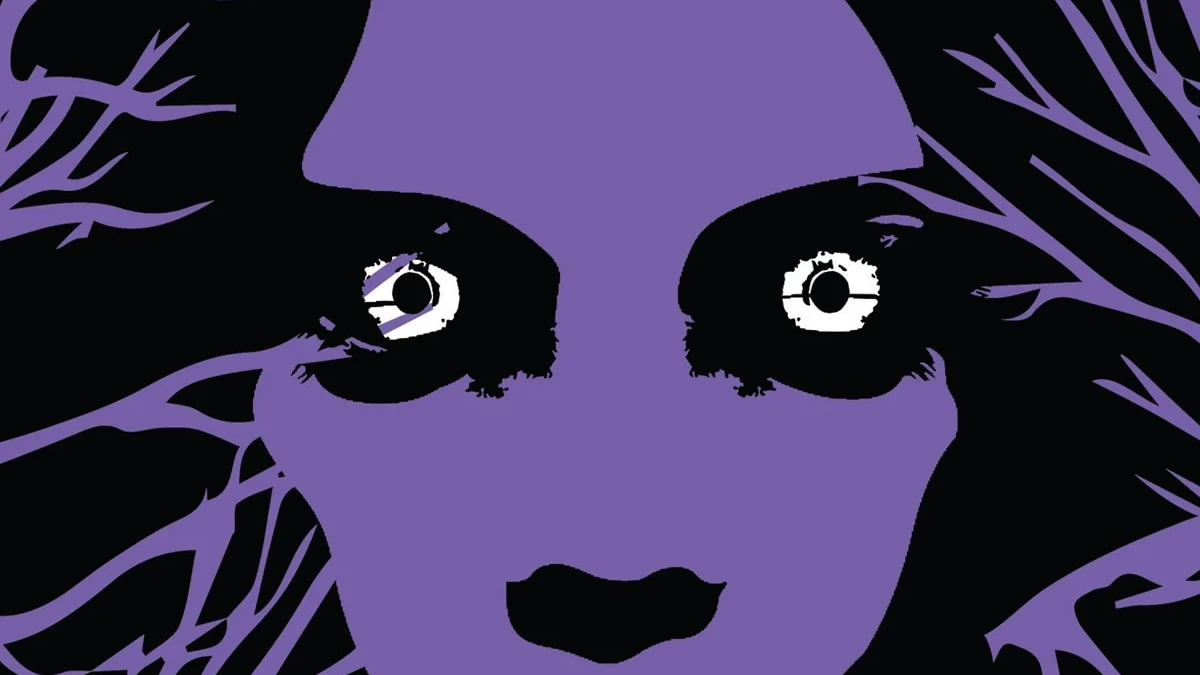
Jonathan Janz’s Marla steps into the arena with a haunted girl of its own, one that can go toe-to-toe with the best of them. But the titular threat here is no mere witch, nor a bed-ridden victim of possession. In fact, what makes Marla special is that she evades traditional categorization. The only things we know for certain are that Marla is evil, that Marla kills, and that Marla can be brutally creative in her supernatural ways.
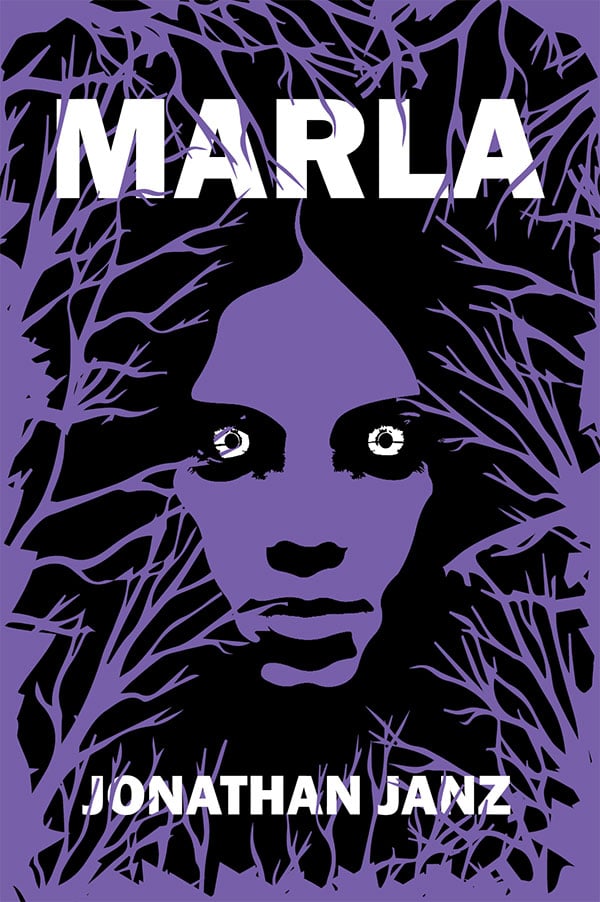
Marla follows detective Carl Lancaster, social worker Annie Frost, and failing college student Dylan Ellison as a series of unconventionally gruesome murders rock the small town of King’s Branch. A common thread ties them together: Marla Gorman. Each kill tightens their link to her, paving the way for a bloody confrontation before all is said and done.
Marla’s an urban legend to some, a witch to others. It’s all conjecture, though. Nothing really pins her down. What everyone can agree on is that she harbors a kind of darkness that is gleefully cruel and devilishly unforgiving. One night, while heading to the story’s first crime scene, Lancaster drives by her home and sees her standing in front of a second-story window with an eerie smile plastered across her face that screams “I did a very bad thing and I very much enjoyed doing it.”
As the killings mount, Lancaster and crew delve deeper into the puzzle box that is Marla to try and decipher what she is and why she would suddenly go out of her way to bring so much death to King’s Branch. As the investigation progresses, personal secrets and hidden traumas threaten to spill out, painting the small town as worthy of the evil that lives there.
Janz starts dark and gruesome fast. Marla is introduced early on and there’s never any doubt about her unnatural insidiousness. She becomes a towering presence that’s felt all throughout the book, akin to Dracula in Bram Stoker’s classic. She lives in a big house with her mother and it might as well be a gothic castle with its own version of Renfield to boot.
The fast start does let Janz slow things down later to get some meaningful character development done, which is not only precisely what happens but also what makes the story unravel so well. Lancaster is a fascinating protagonist that finds his trauma being used against him as his investigation pulls the veil back on the ugliness that festers beneath King’s Branch.
In this regard, Janz channels the author who he names the story’s town after to great effect. There’s a lot of Stephen King in terms of how American small towns can breed the worst kinds of monsters, both human and inhuman. Characters must wade through the stresses of gossip and long-standing grudges to get their answers, and they run deep.

In a sense, this makes Marla the perfect small-town monster. Her ability to point the town’s broken moral compass on itself makes her infinitely more terrifying. Janz gives her a lot of ammunition here. King’s Branch is filled to the brim with people with bad intentions, and the inclination to manifest them. Janz gives Marla great material to work with.
Those who prefer their villains explained in full detail, backstory included, need to adjust their expectations. Marla is never entirely deconstructed or laid bare as a character. The reader must fill in some of the blanks.
That said, Janz gives more than enough to get the imagination going in attempting to explain the source of Marla’s evil. There are no clear answers, but it’s important that whichever ones the reader do come up with avoid traditional horror ideations. There might be a bit of King’s Carrie in Marla, a bit of Koji Suzuki’s Sadako from Ringu too, but there are enough deviations to set the character apart. Her relationship with her mother, for instance, is a highlight. It’s a treat to see that component of the story slowly reveal itself. It leads to some great shocks.
Marla presents the horror genre with a haunted girl deserving of multiple sequels. The things Janz leaves shrouded in mystery are terrifying, and I for one would like to see them explored more. But only to the extent that it makes the character even more terrifying. Marla’s allure lies in her resistance to conformity, to being given a label that chains her to genre conventions. She’s not one to show her hand just to please those who need everything laid out. It’s perhaps her scariest quality. Sometimes the unknown should stay unknown for the sake of terror.