
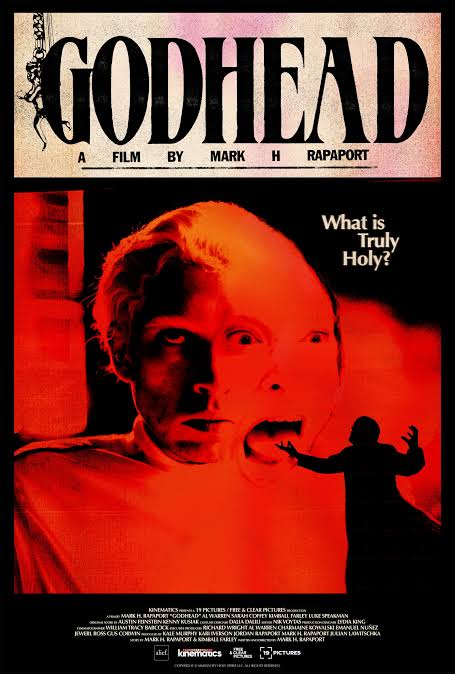
Horror’s celebration and acceptance of the weird has, very fortunately, welcomed films quite distanced from the frightful. Even though Horror’s love affair with Weird Fiction dates back to its very conception, many will still dismiss a film for not being “scary”. Mark H. Rapaport’s Godhead may not want to scare you, but it will very much leave its mark one way or another.
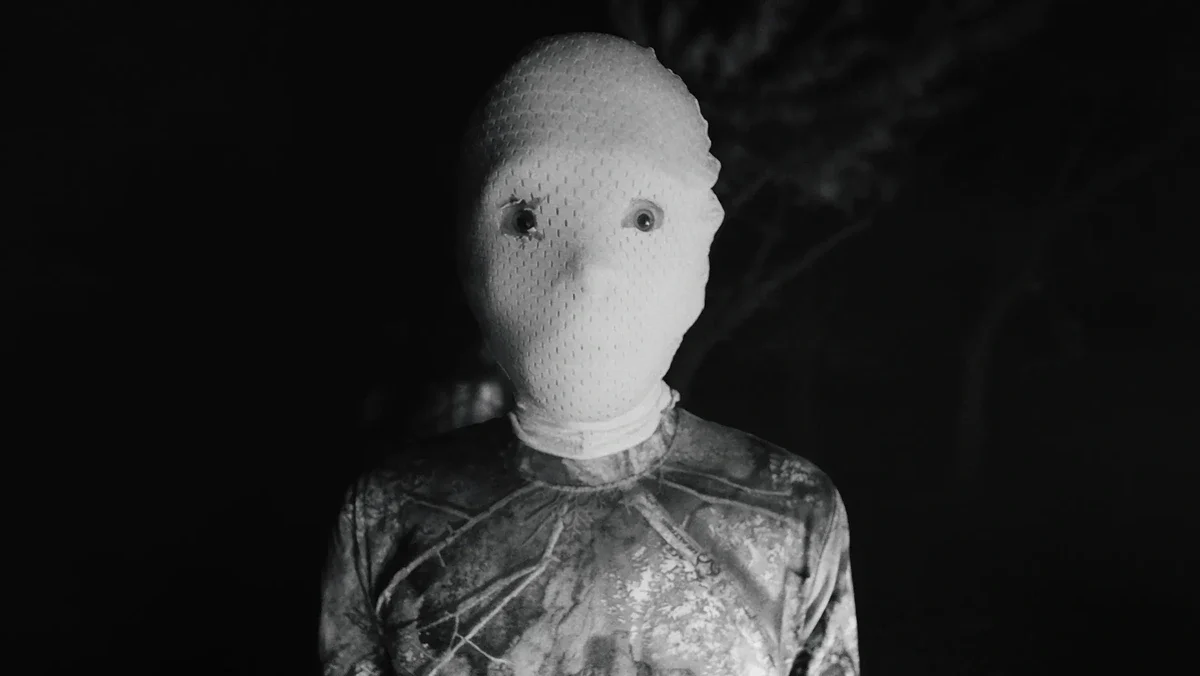
Screened as part of the 2026 Brooklyn Horror Film Festival, Godhead arrives with a decent amount of hype from Montreal’s Fantasia Film Festival, and it’s easy to see why. Shot in striking black & white, with cinematography that conjures both the mundanity of George A. Romero’s Night of the Living Dead and the impressionistic flourishes of Béla Tarr and Terrence Malick, it’s a film that is difficult to ignore at a purely visual level. Storywise, however, it requires an audience willing to go into the dark and absurd spaces it fearlessly opens.
Godhead, in a way, has two beginnings: one is the story of a rural priest (James Alexander Warren) and the child left at his doorstep (Luke Speakman) whom he took in as his son. Frightened for the child and scorned by the evils of the world outside his church, he shelters his son by keeping him locked inside their shared home. The second story begins when twin siblings (Sarah Coffey & Kimball Farley) arrive unexpectedly at the priest’s church demanding he select one of them to kill and fulfill a mysterious divine mission. How these two stories merge is part of the film’s appeal, so revealing more would be a disservice to the highly symbolic and surreal journey Rapaport guides the audience through.
At times unfolding like an absurdist play, Godhead relies heavily on dialogue and philosophical debate. And like any heady, absurdist play, the acting needs to match the ambitions of the script’s themes, and in that regard Godhead delivers. Warren excels as “Father”, bringing genuine tenderness in his more intimate scenes with his son and searing doubt and scorn when confronted with unbelievable viewpoints regarding belief and salvation.
Coffey and Farley, in turn, deliver eerie performances that match their striking looks. Dressed like angels on their way to a drug-fueled rave, the twins, simply named “Firstborn” and “Secondborn”, exude a strange divinity and a palpable menace. Their interactions with Warren’s “Father” are full of tension and dark humor, each actor balancing on a tightrope of tones. Farley’s portrayal of “Secondborn”, who is neurodivergent, unfortunately falls victim to some of the tired clichés of filmic representations of disability, but the film’s world is so odd and unique that the performance fits into the absurdity at work.
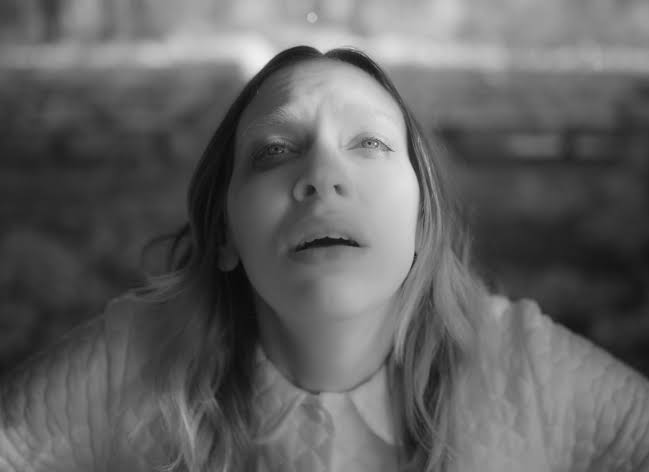
Dreamlike and otherworldly, shocking yet empathetic, Godhead mixes religious themes and blasphemous imagery that in the hands of a lesser director would completely crumble under their own weight. Rapaport challenges and tries the audience’s patience constantly, but within every confrontational dialogue and macabre visual lie rewards that should surface with repeat viewings.
The two stories at play do not intertwine as strongly as first teased, but the visual and auditory tapestry Rapaport has created with cinematographer William Babcock and composers Austin Feinstein and Kenny Kusiak, is one that burrows into the mind like a nightmare just out of reach of understanding. And for those searching for more Horror, rest assured that the shocking visuals include some truly horrifying displays of depravity. It’s the kind of film festivals are made for: a surreal experience you stumble upon and never forget.