
By Troy-Jeffrey Allen
Comic books thrive on declarative milestones. Those victory laps that are both promotional and celebratory: A first appearance. An era-defining debut. A line-wide relaunch. The quarterly anniversary issue. The industry loves a memory that allows it to mythologize… itself.
This past spring, another milestone quietly arrived. On May 14, Comic-Con International announced the nominees for the 2026 Will Eisner Comic Industry Awards. More than a celebration of a single year, an Eisner nomination helps determine which creators and works become part of comics history.
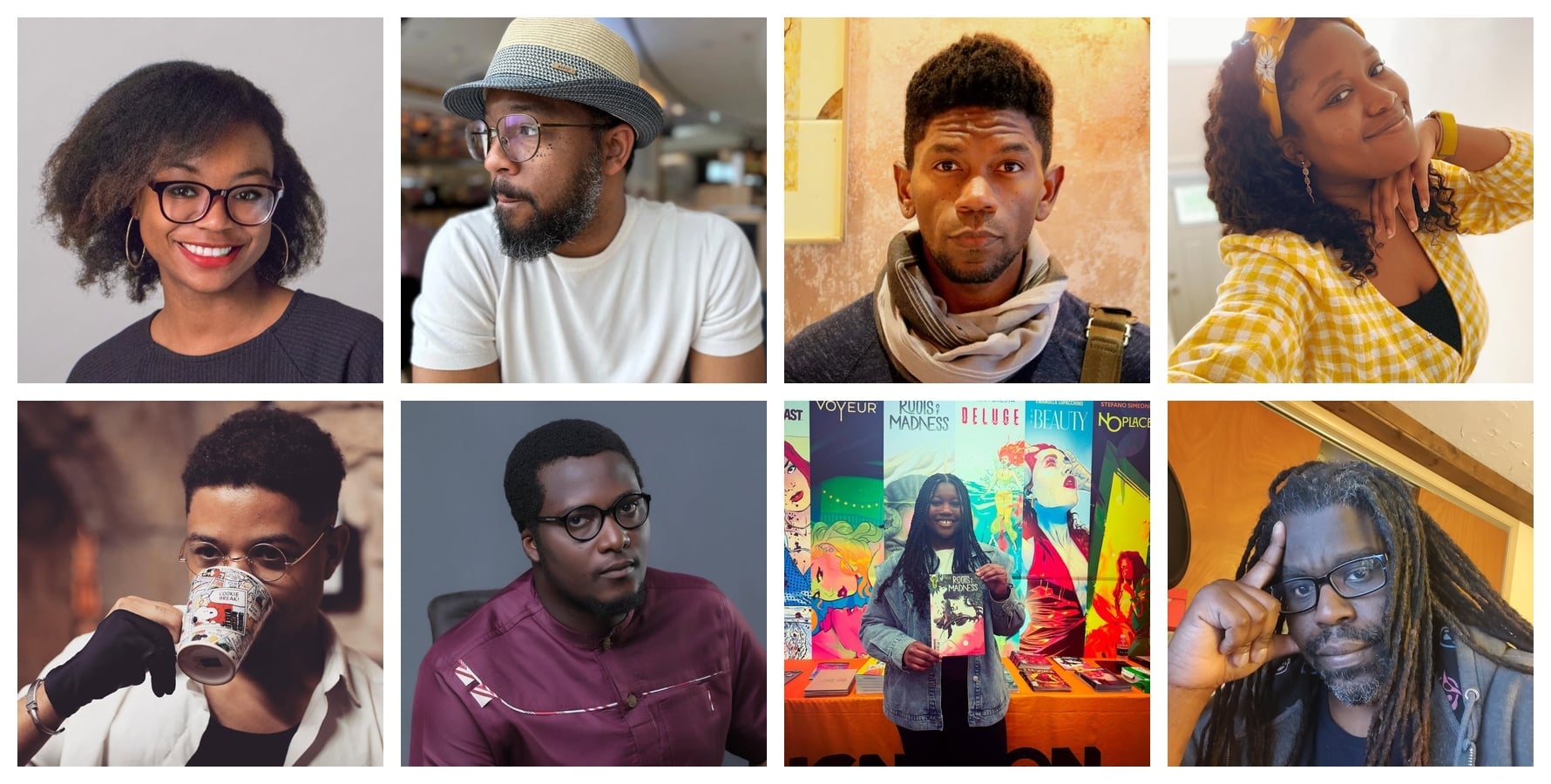
Across this year’s 32 competitive categories, at least 19 Black creators are up for nominations not including collaborations, anthologies, and one lifetime achievement award, which would bring the number of Black creators represented closer to 30—a total unprecedented for any industry award. However, outside of Black comics media, the moment passed with little fanfare.
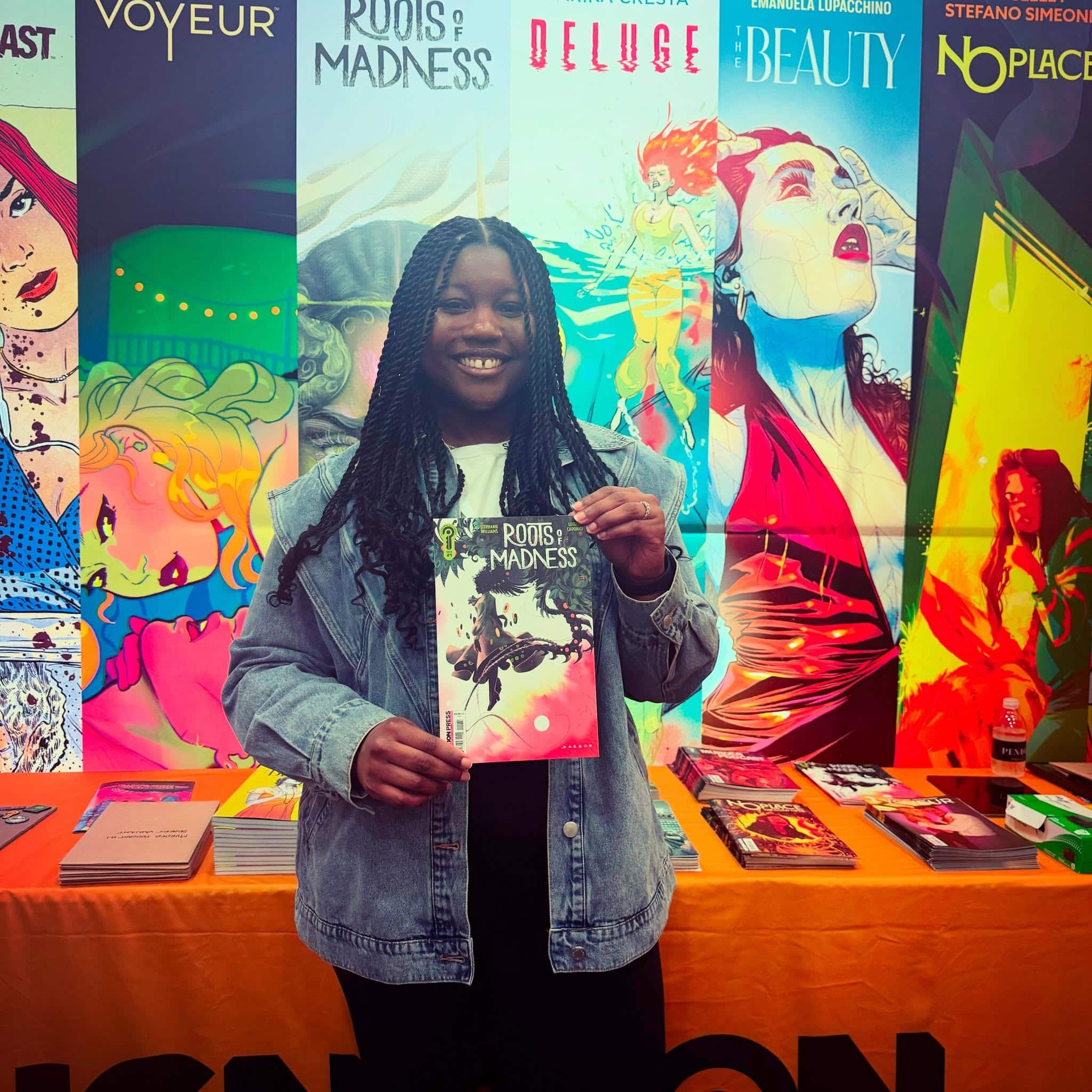
“It’s actually kinda wild that not one major comic news outlet… [has written] about not only my historic Eisner nominations… but also the amount of diverse nominations this year in total,” Stephanie Williams wrote on her Facebook page in May. Williams’ nomination for her comic book Temporal makes her the first Black woman and the second Black person to be recognized in the Best Writer category. Prior to that, Dwayne McDuffie received nods for Best Writer, Best Continuing Series (with artist M.D. Bright), and Best Editor for his groundbreaking work on Icon at DC Comics. That was in 1995.
Williams’ post points to a larger truth. An Eisner can mark the moment, but it is not the full story. To understand what this year’s awards really mean, I spoke with the nominees, historians, editors, and critics from across the comics world. From Paris to Lagos to the United States—what started as an interview turned into a conversation about collective memory.
Where are we now?
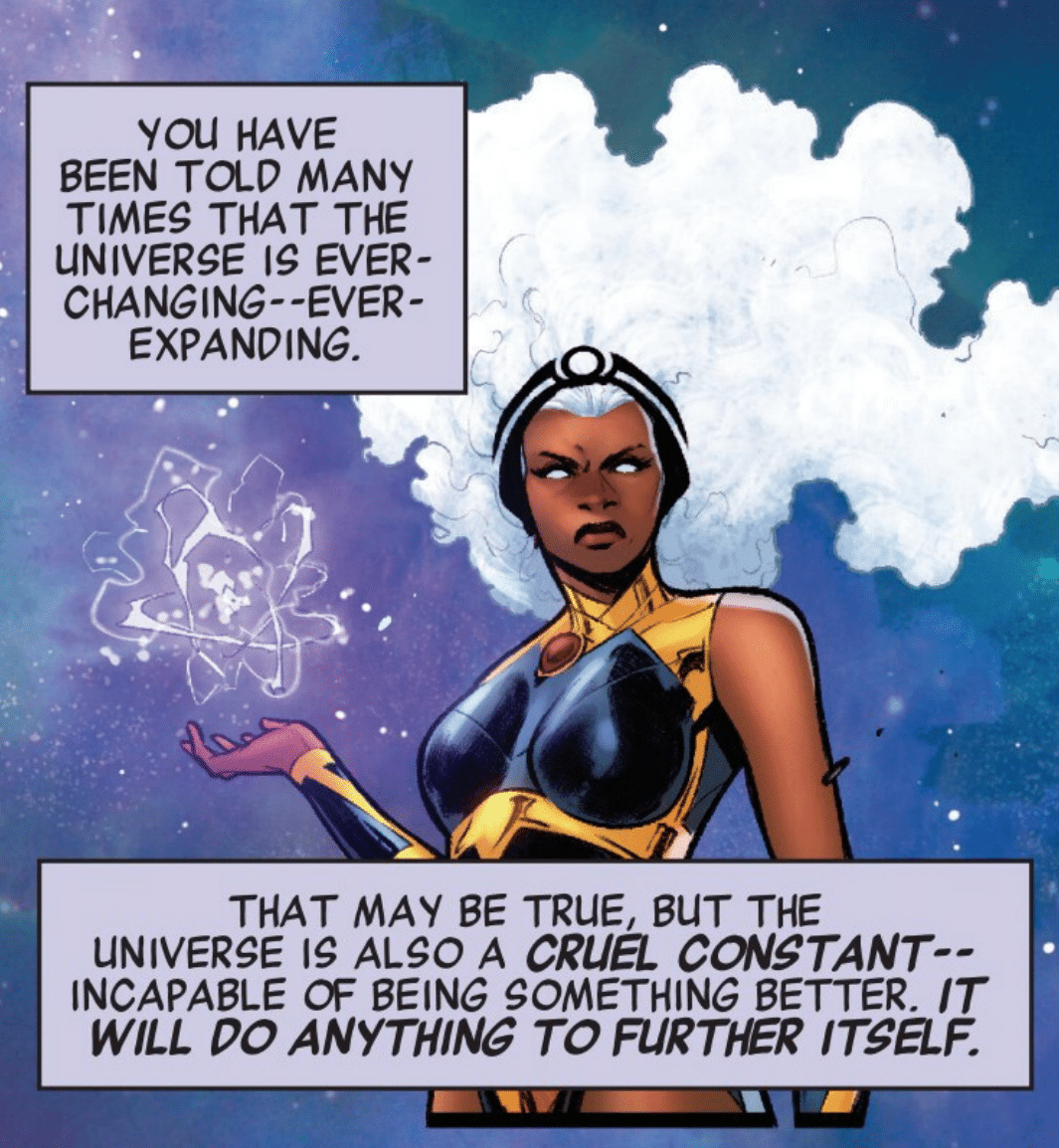
“I left my career as a software developer, moved back in with my parents, and spent five years producing free digital comics before getting my first publishing contract,” Murewa Ayodele says about the path to his Eisner nomination for Storm. Starring Marvel’s popular X-Men character, the comic is up for Best Continuing Series. “After all the free and paid writing classes. After all the struggles and challenges that stood in my way. After all the internalized doubts… the external validation does feel good and sheds a huge weight off my shoulders.”
Compared to 1995, today’s nominees inhabit a far more fragmented industry. Readers discover comics through bookstores, libraries, podcasts, YouTube, conventions, crowdfunding, and social media. The route to an Eisner nomination no longer follows a single lane.
According to Best Colorist nominee Ninakupenda Gaillard (Chickenpox), the paths available to Black creators have multiplied. “The barrier for entry into the comics industry is not as hard to break through as it previously was,” Gaillard says. “More of us are joining the industry and making amazing projects that have brought the conversation of diversity in comics to a wider audience. It makes me excited because it all leads to more comics from a variety of different backgrounds and experiences, which is what makes our industry truly thrive.”
Chris Robinson, the 2024 Eisner Award-winning editor behind the All-Negro Comics restoration, has seen recognition translate into new opportunities. “For me personally, it has opened some doors—lines of communication—that weren’t there prior,” he says. Yet recognition has not erased long-held industry assumptions. “Even with the sales success of the Image edition of All-Negro Comics to back me up,” Robinson adds, “I still hear over and over again that ‘Black books don’t sell.’”
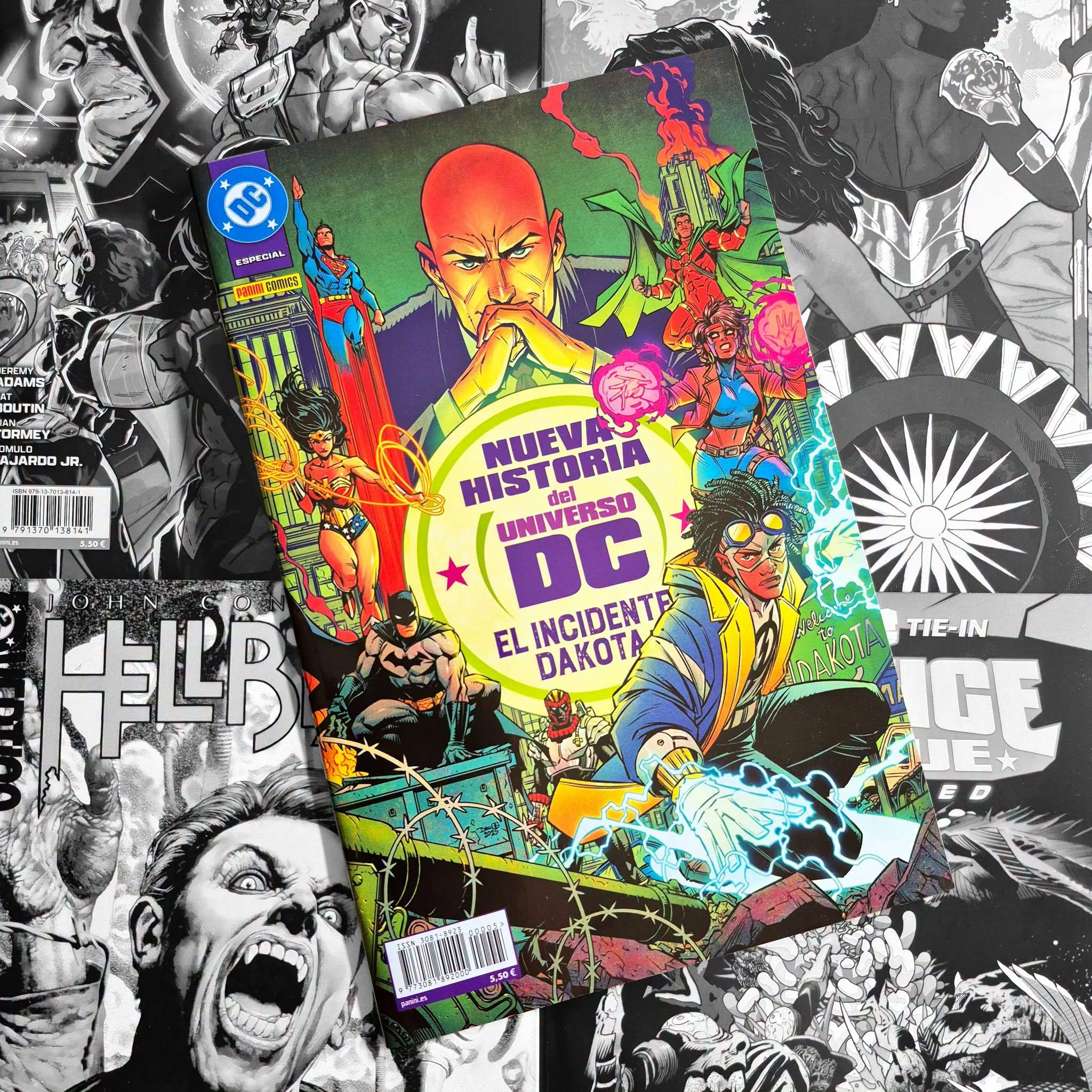
Robinson’s experience addresses a paradox for Black creators. Despite the recognition, assumptions about the marketability of their work remain. Earlier this year, those assumptions were the catalyst for the Dakota Incident 100K Challenge, an initiative that encouraged readers to coordinate purchasing efforts around The New History of the DC Universe: The Dakota Incident one-shot. The 100K Challenge drove the title to a second printing, renewing interest in DC’s on-again/off-again Milestone superhero line.
A few months later, an online movement called #DCSoWhite transitioned into the #DCBlackout boycott. Championed by Black influencers across the comics Internet, the campaign sought to increase the visibility of Black DC Comics characters. The boycott was met online with mixed reactions over its demands for representation, revealing how dramatically expectations within the Black readership have changed these last few years.
Editor Trowa Christopher “T.C.” Harris understands the creative conflict between being a fan and a stalwart for the culture. “I’ve been a comic book fan almost my entire life. If at some point one of the Big Two ever came to me and said we would like to offer you an opportunity… of course. But at the end of the day, I want characters that resonate with me. We want control, and that is something that the big companies will not give you in editorial. Instead, they will strip some of the finest pieces away, and what’s left is not typically things that I want to see.”
Veteran writer and editor Joe Illidge, who led the Dakota Incident 100K Challenge, describes the schism within the community these last several months as “exhilarating, revealing, and explosive.” He believes that Black comics are self-sustaining despite the online skirmishes.
“We need to tap into the deeper community,” Illidge says. “And [find] the entrepreneurial algorithm that exists beyond social media… beyond its emotion-triggering, chest-puffing, nuance-destroying, Internet courage-rewarding grip on us. We need to build the way our elders and historical luminaries did before the Internet.”
Artist Quinn McGowan, one of the contributors to the Eisner Award-nominated Noir Is the New Black Season 2, Episode 1, doesn’t view those debates as evidence of a community in decline, but one in transition.
“To me, the Black comics community feels like it’s in a chrysalis,” says McGowan. “You’re seeing longstanding debates over respectability politics, creative freedom, and who gets to define Black art. Those conversations can be uncomfortable, but they’re necessary. I have the sense that something new—something bold and daring—is about to emerge. Before that happens, though, many of the old arguments have to run their course.”
That future may be arriving sooner than expected. In recent weeks, two notable steps have been taken toward building infrastructure. The Ink Alliance, a consortium of Black-owned comic shops, launched with a DC Comics exclusive available only through its members’ stores. Soon after, former retailer Jean David Michel soft-launched the Black Comics Previews app, a platform designed to connect creators, retailers, and readers.
“Black Comic Previews bridges the gap between the needs of creators and shop owners,” Michel says. “We’re building tools and resources to make the business of making and selling comics fun again—to give the community a shape and form in everyone’s minds. Because once a thing has shape and form, it is far more difficult to ignore.”
Generation Blerd
The term “blerd” came to define a particular generation of Black consumers who moved seamlessly between comics, anime, gaming, and movies. One that grew up watching X-Men and Toonami after school and later found their voice on Black Twitter.
“The driving force for blerd culture will always be rooted in Black youth innovation and self-expression,” says media critic Cytonoius of the YouTube channel OMNIFRAME. “Without that, there is no blerd boom.”
“Several years before Black Panther, there was a noticeable increase in the participation of Black folks in pop culture,” says historian and critic Imani Lateef of BlackComixUniverse.com. “By the time we got to Black Panther, we had already shut down Netflix when Luke Cage premiered. There were 10,000 attendees at the Black Comics Festival at the Schomburg in New York. These are just a few signs that the so-called blerd community was actively cultivated.”
Running parallel to the election of Barack Obama in 2008, blerds immediately developed a cultural vocabulary, one that major pop culture brands were eager to speak to for roughly a decade. For much of the 2010s, publishers, studios, and streaming platforms increasingly sought to speak that language. Then came COVID-19, which reshaped distribution and the economics of entertainment. Publisher urgency surrounding diversity initiatives quieted.
Noir Is the New Black writer Greg Burnham reflects on that time before the pandemic with skepticism: “We’ve had plenty of companies highlight us and put us in spotlights when diversity was still ‘cool’. They’d parade us around and make it look like they cared. Now that Jim Crow is coming back, we’re hearing crickets.”
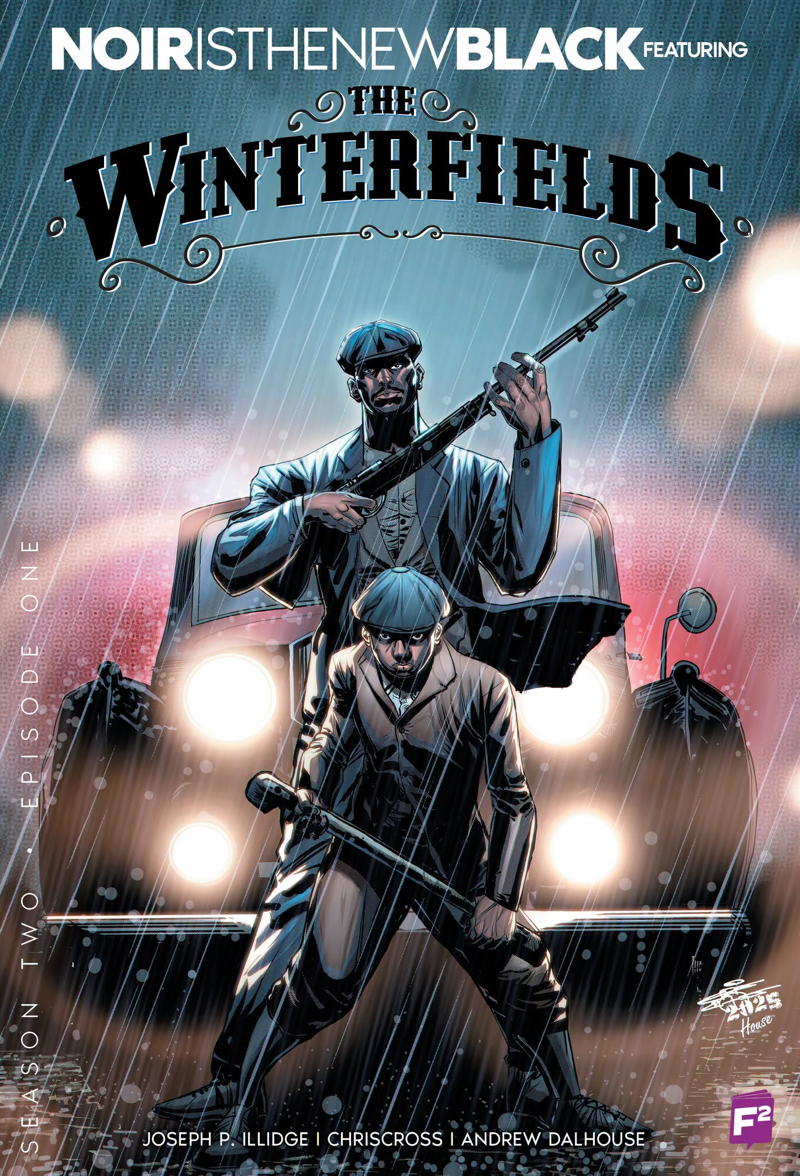
“There is no single or simple answer to the question of what determines the failure or success of a diversity initiative,” says Illidge, who also writes for Noir is the New Black. “Within comics, I think the more figurative blood a community is asked to spill, the less chance of success. The more they are presented with a proposition to win in the comics space the greater chance of success.”
Burnham’s disappointment reflects more than changing corporate priorities. It coincided with an unremitting cultural backlash.
“Culture wars over the politics of superheroes have become a landmine of think pieces and podcasts that either hurt or help the medium of comics,” Cytonius says. “Parasocial self-projection allows fans to assign ideologies onto comic book characters based on their own political biases. And because American political discourse is incredibly bifurcated, this acts as the fuel for comic book culture wars.”
“Today, many of the same people who celebrate superheroes become upset when comics challenge prejudice or authoritarianism,” adds McGowan, Burnham’s creative partner. “They don’t want to recognize themselves in the kinds of villains comics have always criticized.”
T.C. Harris, editor and co-creator of Noir is the New Black, views it as part of a progressive feint by the industry itself.
“I don’t think the comic book industry in its totality leans progressive? I believe that there’s a faux sense of progressiveness—feigning solely for the sake of sales, shock value, and the vitriol that they know will drum up online, which will lead to, you guessed it… sales.”
He is quick to add, however, that indie comics are where the real deal is: “That does not take into account indie properties. I would say [things] are very progressive on that end because there is freedom.”
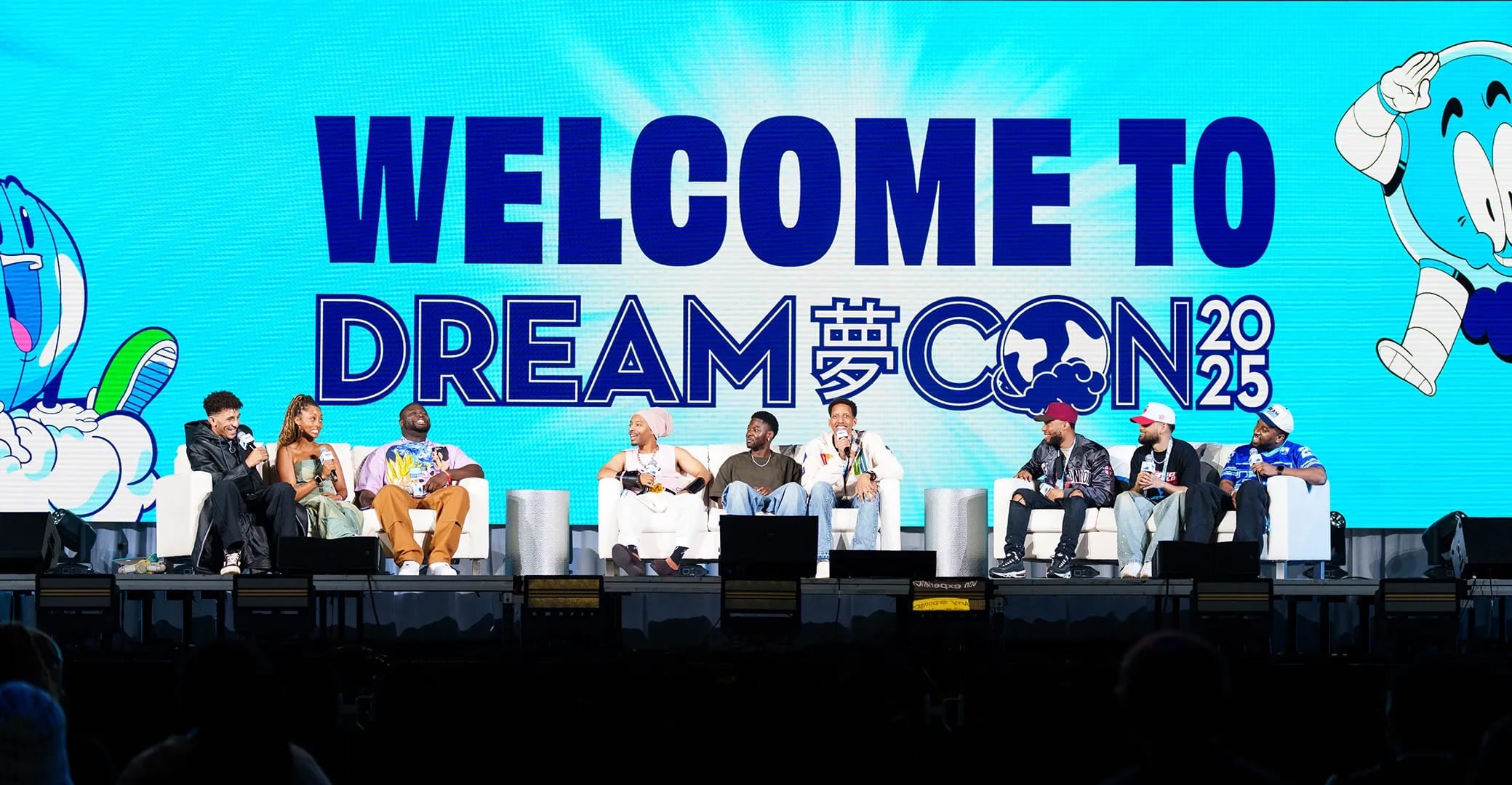
Illidge believes that movements don’t just vanish because of online harassment campaigns. He says, “Nothing truly disappears just because it is out of immediate view or is no longer the latest subject of discussion. It hibernates, goes through a metamorphosis, and reemerges in a new form.”
Burnham also sees the upside, adding, “We just saw 40k Black nerds come together in Houston at Dream Con, and it was magical.”
Founded by the comedy collective RDCWorld, Dream Con has become one of the nation’s largest celebrations of Black fandom, bringing together tens of thousands of adult cosplayers, gamers, artists, and creators each year.
“I think you’ll find the Black nerd movement is quite operational,” says Burnham.
Black is global, not universal
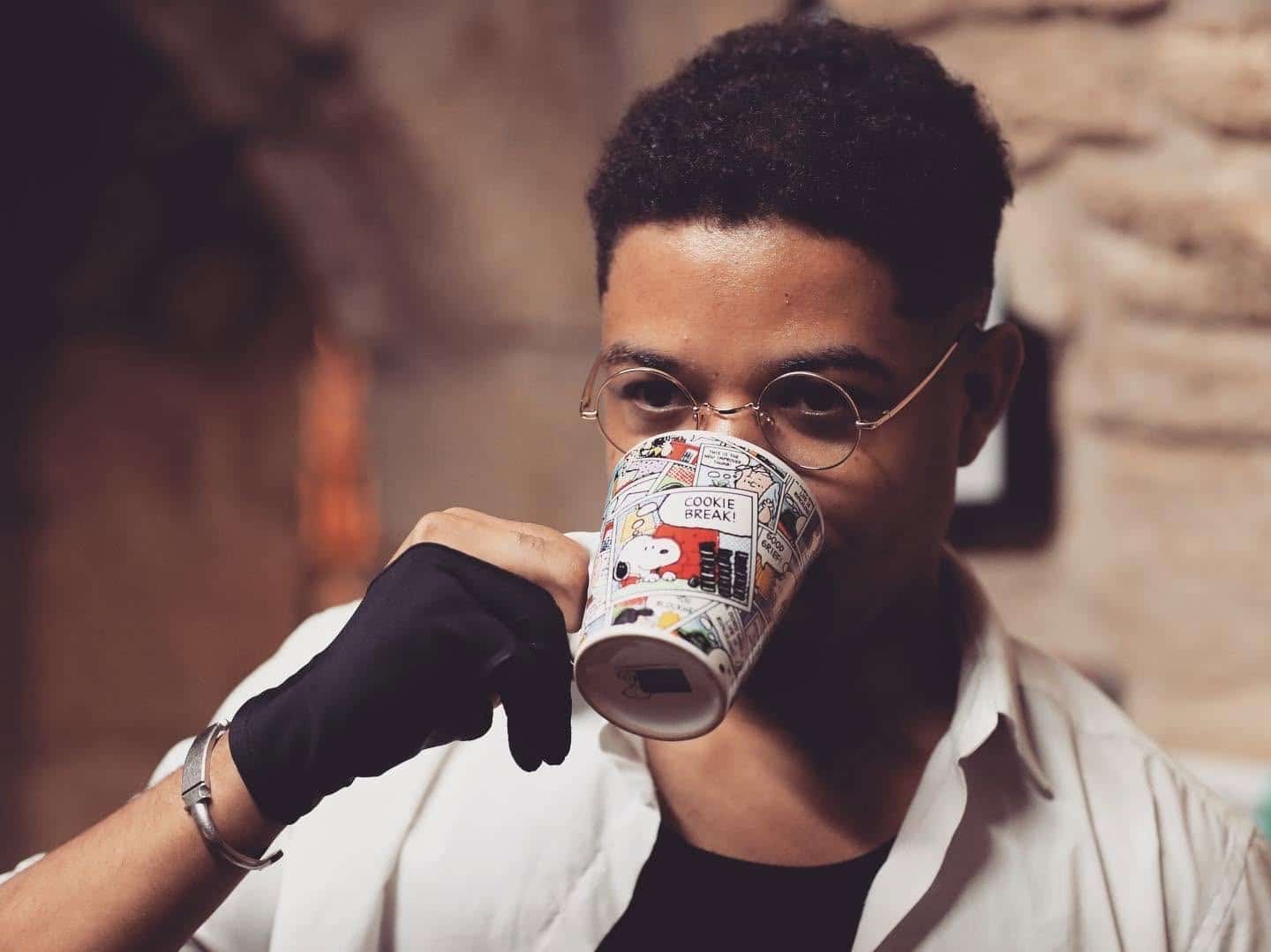
As the founder and CEO of Black Comic Lords, a multi-platform community, Paul White-Davis doesn’t assume a lone point of view. “‘Black people are not a monolith’ is the quote that immediately springs to mind,” he says. “I think the next generation of Black comics creators, generally speaking, have different entry points into comics than their predecessors. Those influences are often reflected in their work.”
Those varied influences don’t exist in isolation, either. They become part of a larger conversation between generations and across continents.
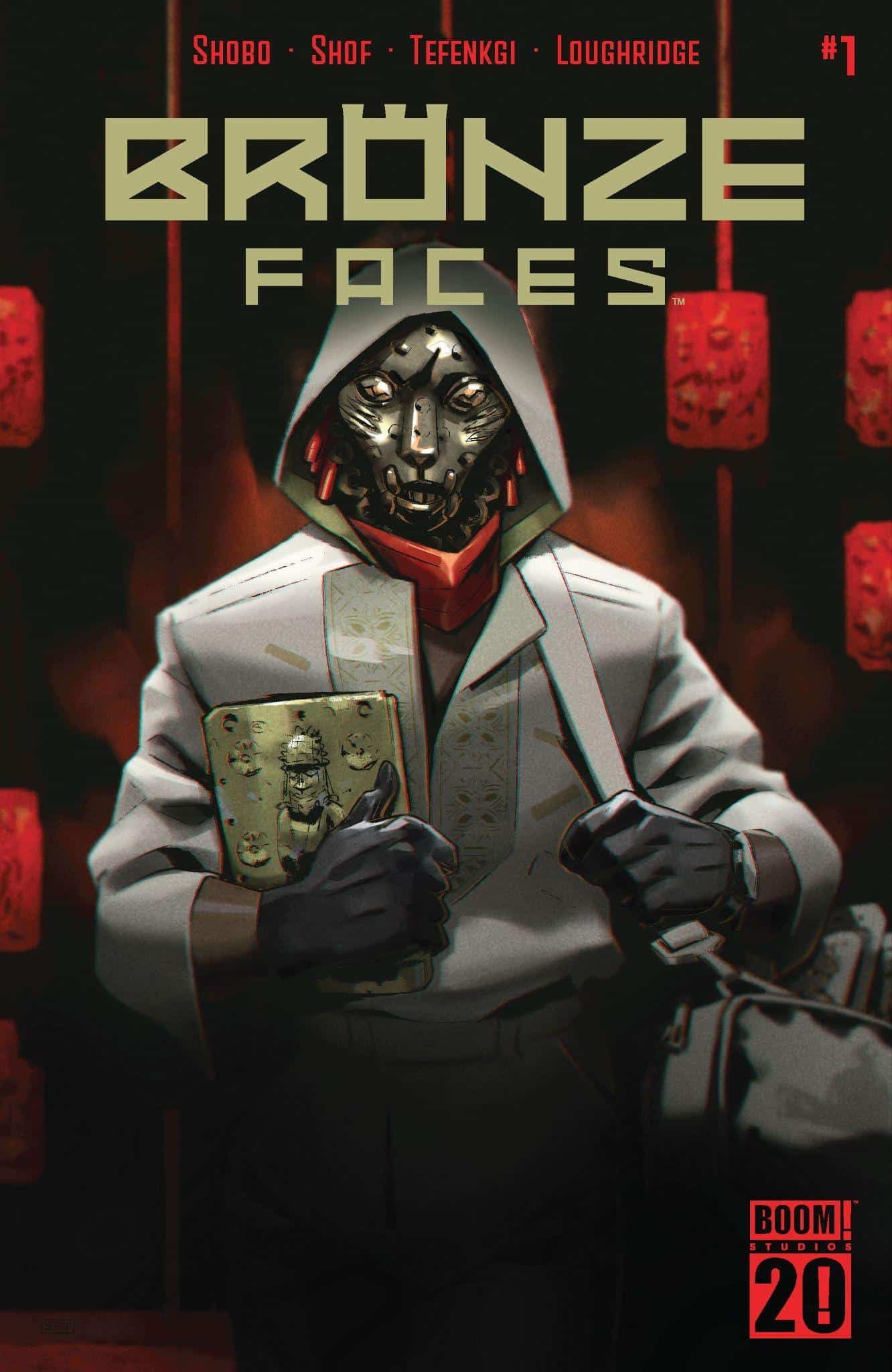
“Bronze Faces is a love letter to all expressions of Black art, new and old,” says Shobo Coker. Shobo, his brother/writing partner Shof Coker, and artist Alexandre Tefenkgi share a 2026 Eisner nomination for Best Limited Series for Bronze Faces. “It’s an expression of deep gratitude and appreciation to the Nigerian artists and writers whose work built the modern Black imaginary.”
Asiah Fulmore, whose work on Temporal earned a Best New Series Eisner nomination with Stephanie Williams, credits Japanese manga for her artistic expression: “I used Fullmetal Alchemist as a visual library when I first started comics. Hiromu Arakawa is one of my favorite mangaka, and she is the reason I draw the way I do.”
This year’s three-time nominee Juni Ba sees French and Japanese comics as part of his artistic DNA. “Early books I read were about classic characters like Spirou, Astérix, and Dragon Ball,” Ba says. “Then over time, I started delving into more varied things.”
For Shof Coker, discovering comics as a kid meant making the most of what was available to the global market: “Getting a clean VHS copy of Ghost in the Shell was like gold; a ratty, dog-eared X-Men comic had miles on it, and it’s unlikely you’d ever know the end of that story arc, but I still pored over every word and brush stroke.”
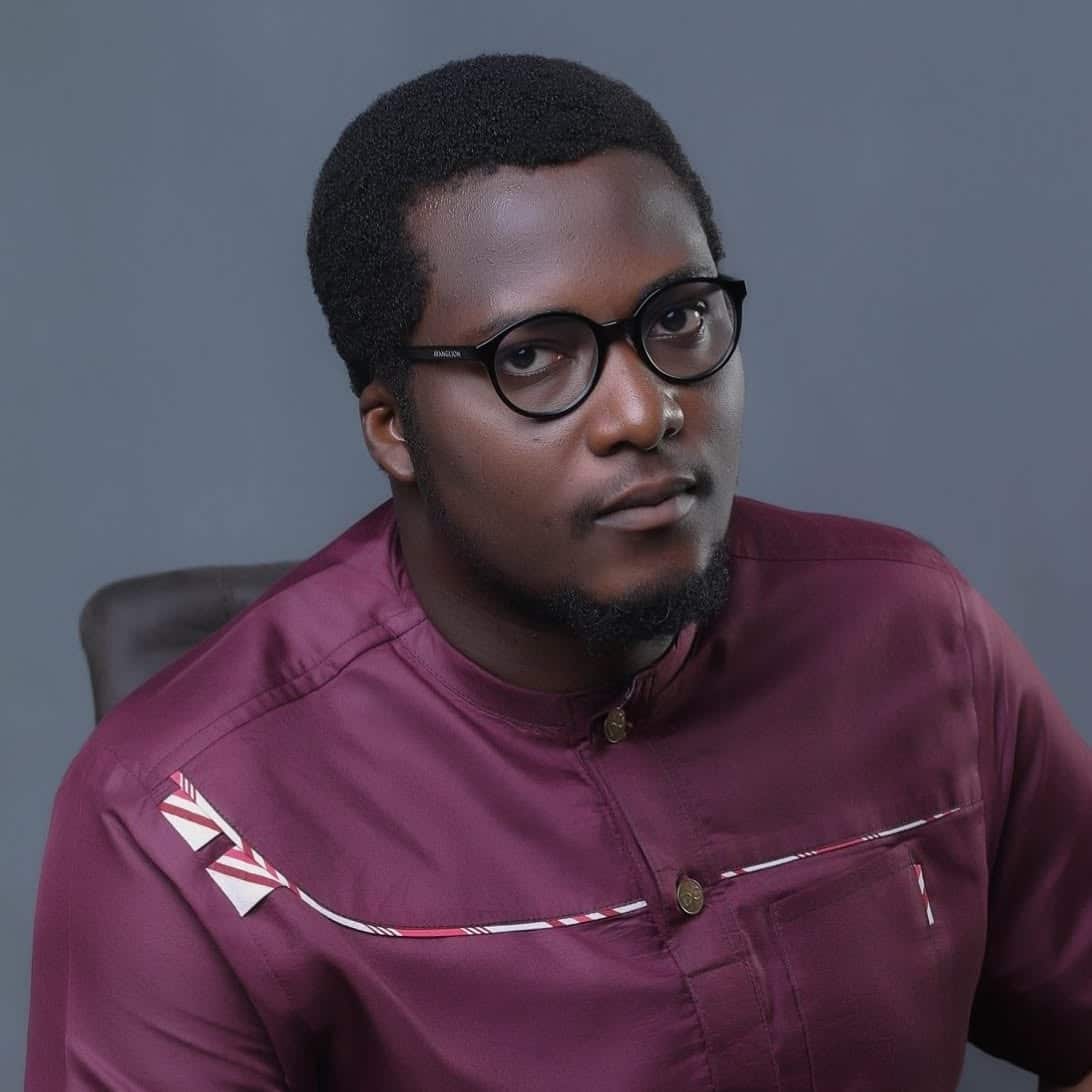
Similar to the Cokers, nominee Jibola Fagbamiye grew up in Nigeria, yet he recalls a very different childhood. “I vividly remember watching public executions on television. There was real oppression and real fear in the air. But at the same time, people still laughed, fell in love, made music, and lived their lives,” he says. Because nearly everyone around him looked like him, race was not the primary lens through which he understood identity. “Instead, people talked about tribe, religion, class, and sometimes colorism. Those were the fault lines I grew up seeing.”
That perspective informs Fela: Music Is the Weapon, Fagbamiye’s 384-page graphic novel about the legendary Afrobeat musician, which blends history, music, revolution, and Yoruba spirituality. Like many of this year’s Eisner nominees, his work draws less from a singular idea of Black identity than from the specific culture, history, and lived experiences that shaped his imagination.
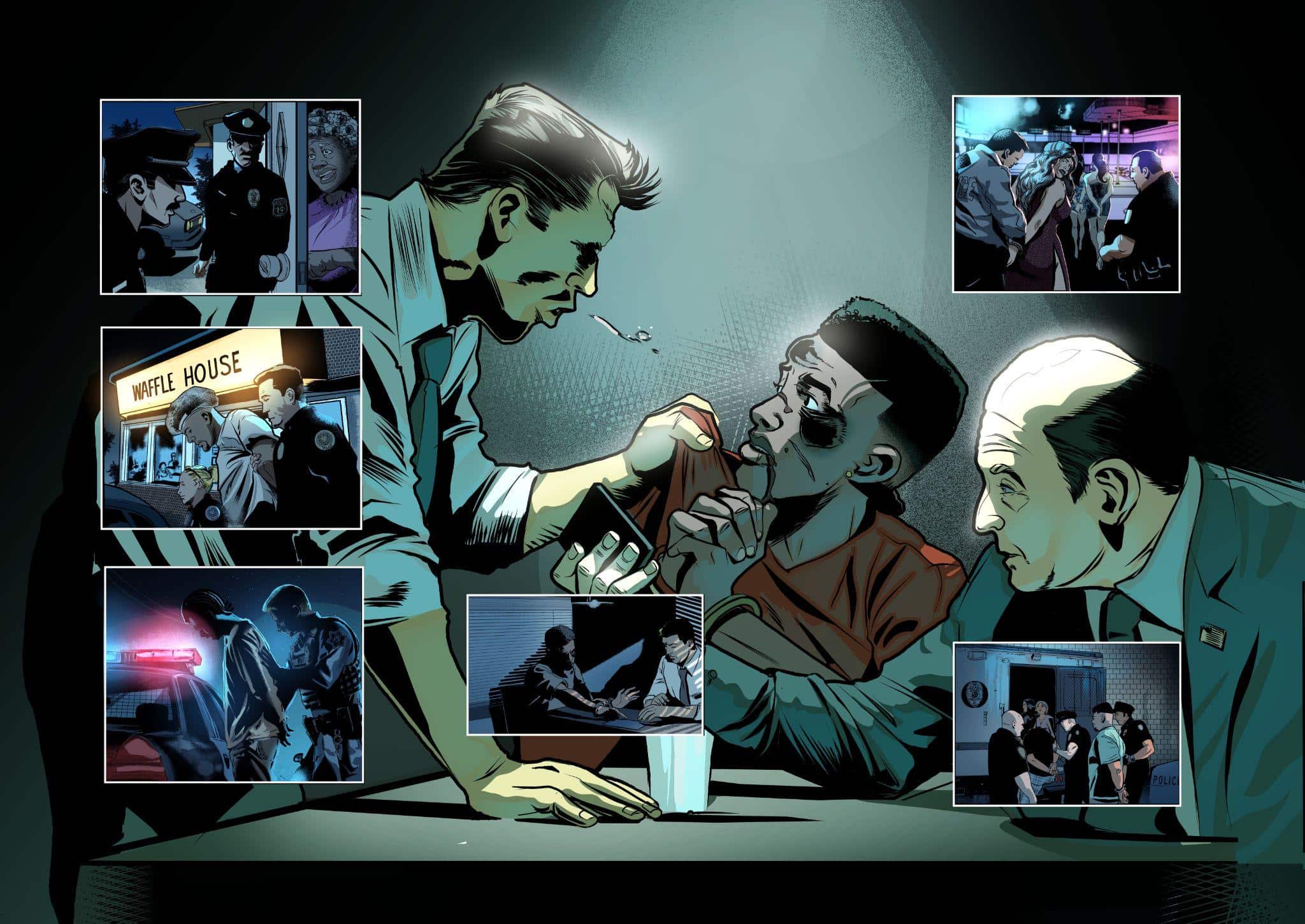
“One thing I didn’t realize until much later was how much Western media had shaped my imagination,” admits Fagbamiye. “When I looked back at the comics I drew as a kid, all the way to when I came to Canada, almost every hero was white. Even the villains were white. Black characters were usually background characters. Realizing this made me acknowledge how powerful representation is—not just who we see, but who we imagine can be the hero.”
If representation is a recurring theme throughout these interviews, so too is the flattening of Black identity. “I noticed in the first year of my career that I was getting offered books with some kind of Black element to them,” says Ba. “I purposely avoided being typecast in this way and kept African and Black characters and themes for projects I chose for myself and originated—to keep control of that.”
“Others may simply want to tell stories without feeling obligated to represent an entire community,” McGowan explains. “I think both approaches should have room to exist. Respectability politics emerge when only a handful of people are allowed into a space. Once there are many voices instead of just a few, that burden begins to change.”
That creative freedom is reflected throughout this year’s nominated works. Rather than attempting to define Blackness, they explore distinctly human questions through different lenses.
McGowan and Greg Burnham’s Noir Is the New Black story, “Little Rock Files,” examines crime and politics in the Clinton-era South. With Ba’s nominated trifecta—Monkey Meat, Boy Wonder, and The Fables of Erlking Woods—the focus ranges from biting satire to deeply personal meditations on isolation and belonging.
Elsewhere, nominees tackle fantasy (Alanna: The First Adventure adapted with Vita Ayala), racial injustice (Ghost Boys, based on the novel by Jewell Parker Rhodes), prison abolition (Dead Man Walking: Graphic Edition featuring art by Catherine Anyango Grünewald), Black resistance (Ben Passmore’s Black Arms to Hold You Up), and supernatural horror (Rodney Barnes’s Crownsville). And let’s not forget Brazilian artist Mateus Manhanini’s nomination for Best Cover Artist, which encompasses both the Marvel and DC universes.
If these works demonstrate the freedom to tell different kinds of stories, Murewa Ayodele’s Storm reminds us why that freedom matters. “Storm is about many things,” says Ayodele, “but above all, it’s about how we navigate a cruel universe that often refuses to change for the better.”
Ayodele is one of four Eisner nominees from Nigeria this year, alongside Fagbamiye and brothers Shobo and Shof Coker—a testament to the country’s growing influence on the global comics landscape.
“When I finished my run on the series, the universe proved its cruelty to me—proved the theme true in a way I never expected,” says Ayodele. “Revisiting the series as a reader after the tragedy I experienced made me feel seen. It reminded me that I was not alone in my pain. Uncannily, Storm became a gift my past self had unknowingly left for my future self.”
Ayodele’s story is deeply personal, but it also reflects a broader transformation taking place beyond any one creator: “In East Africa, publishers like Etan Comics and Avandu Vosi are producing fantastic books. In Southern Africa, New Africa Books and Strika Entertainment continue to do impressive work. And in West Africa, publishers such as Tag Comics, The Machine Publishing, Comic Republic, Zebra Comics, and many others that seem to emerge every year are helping to grow a vibrant comics scene.”
Fagbamiye remembers growing up in Ibadan at a time when comics often arrived as battered imports from somewhere else. Today, he sees something he never imagined possible: “On Instagram, I see a comic convention happening right in the middle of Ibadan. People are cosplaying, buying comics, meeting artists. I honestly couldn’t believe it.”
Who gets remembered
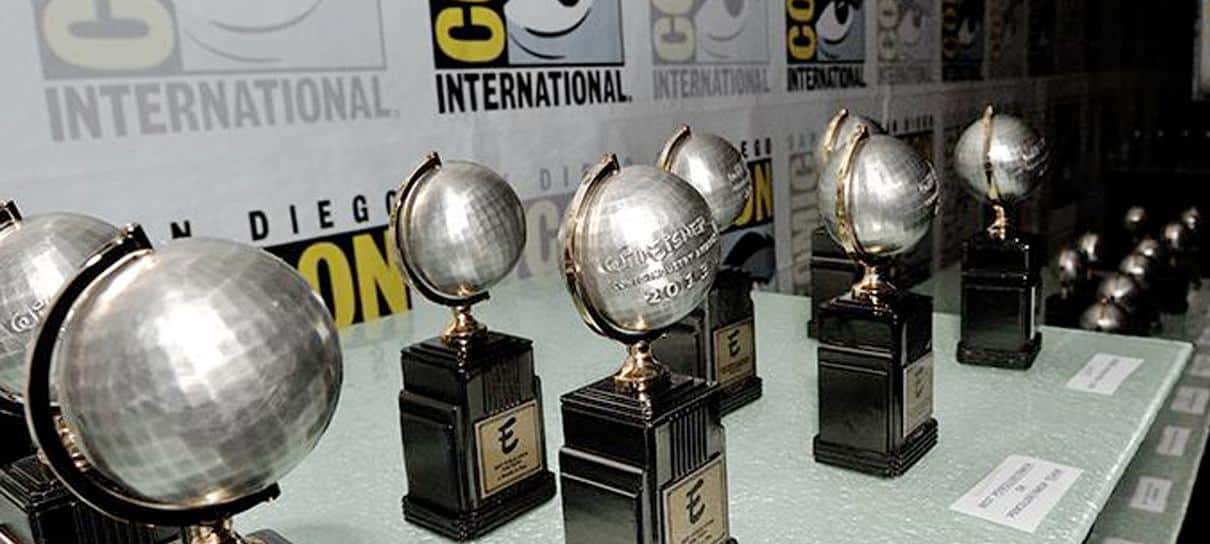
Memory is infrastructure. Archives, journalism, universities, museums, and awards—they all shape what we inherit. They decide what future generations will remember about the medium. For cartoonist Will Eisner, that was the mission of his career.
Credited as the “the father of the graphic novel,” Eisner’s Contract with God showcased that comic books should be treated as literature, history, and human experience. Ironically, the same artist who legitimized the medium also soured his legacy with Ebony White, a degrading blackface-inspired caricature from the beloved comic The Spirit.
“It’s impossible not to think about Ebony White while participating in an awards program named after Eisner himself,” admits McGowan.
Before his death in 2005, Eisner told TIME that he was aware that the depiction of Ebony White—with his bulbous pink lips and buffoonish cadence—“was volatile.”
“Remember, Ebony was created in the ’40s and, at that time, you still had Amos & Andy,” Eisner said in a 1998 interview with Comic Book Artist. “That sort of humor was prevalent and acceptable at the time—but I always treated Ebony very differently.”
However, McGowan, like many Black creators in the field, sees Eisner’s defense as a historical pattern. “To me, Ebony White represents one of the many uncomfortable contradictions in comics history,” says McGowan. “The industry often wants to celebrate progress while avoiding honest conversations about the harm that helped shape it.”
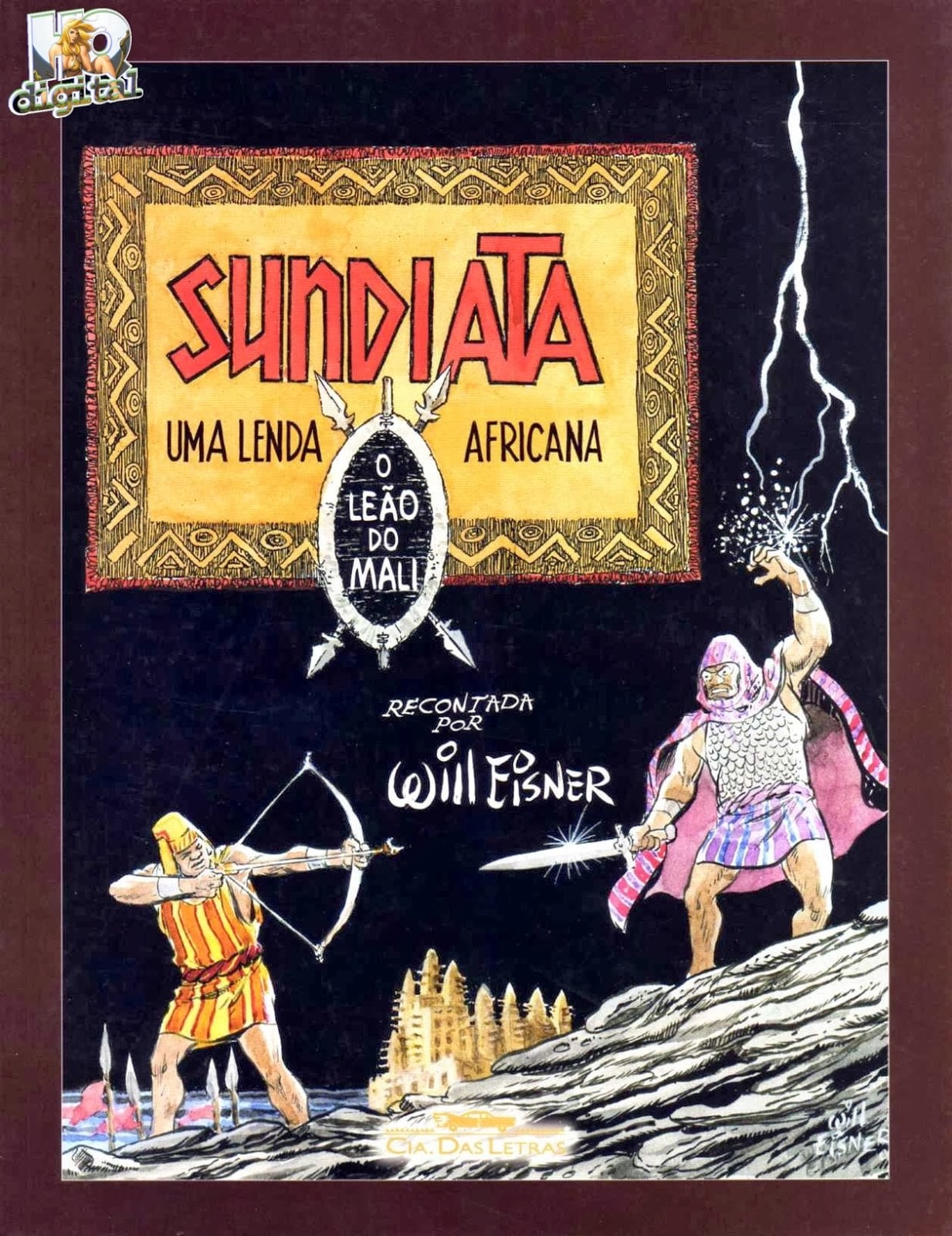
Further displaying that contradiction is Eisner’s graphic novel adaptation of the West African epic Sundiata, a 2002 attempt by Eisner to further spotlight comics as literary by turning classic works into sequential storytelling.
“Sundiata is a particularly unique character in West African history,” says Shof Coker, while acknowledging he’s only seen images of the book in passing. “I’d love to create a take on him and many other stories from the Mali Empire, as I love that period of West African history. I’m also sure that someday an artist from Mali will create an even more compelling, specific comic about that character too.”
“We’ve come a long way from racist caricatures,” Ninakupenda Gaillard says. “I believe we need to be present in every aspect of the comic-making process. That way, we can have a say in how we’re characterized, which is huge for positive representation for Black kids growing up. The fact that so many Black creators are nominated for Eisner Awards this year also shows those kids that they can pursue careers in comics and may even be recognized for their work one day.”
“The track record of nominees and winners speaks for itself,” Paul White-Davis of Black Comic Lords says, “but it is more complicated than that. You first have to look at who gets to decide which books or creators will even be considered. In every subjective human endeavor, there will be inherent biases that creep into that decision-making. If the judges are not checking for certain books, shy away from stories that feature characters or cultures that they do not identify with, or are created by creators they are not familiar with, nor objectively respect, bias will naturally influence who is even up for consideration.”
If representation changes the present, then preservation shapes the future, and this year’s Eisners honor both The George Herriman Library, named for the pioneering Krazy Kat creator George Herriman, and the induction of seminal artist Denys Cowan into the Hall of Fame, recognizing two Black creators whose legacies are nearly a century apart. Yet preservation is never automatic. Every archive reflects the choices of the people who build it—and the stories they choose to save.
“There was a time when I would have trusted journalism to chronicle history accurately,” says Imani Lateef of Black Comix Universe. “Now, however, I’m not sure I’d trust journalists with this responsibility. The best platforms do their due diligence in reporting the news accurately, but I’ve learned to do my own research and study when it comes to maintaining our history.”
“Nobody is thinking about us except us, I think,” says Chris Robinson. “The blind spots start to feel like suppression spots the deeper I go into this rabbit hole,” he concludes. “We saw it just in this very round of Eisner nominations, right?” Robinson’s observation raises a larger question: If history contains so many omissions, who is responsible for filling them?
“I think we have the tools to better preserve the history of Black comics, Paul White-Davis adds. “There has to be a willingness to do so. That’s one of the reasons Black Comic Lords exists.”
Shof Coker believes that the future depends on infrastructure: “I’ll hone the question to the West African commercial creative space. It’s a region of the continent that hasn’t had enough time and resources to build infrastructure for artists to thrive on a global scale. A financially supported and dedicated school or local community of artists developing work over a consistent period of time is what gives rise to a distinct voice in comics, animation, and art broadly.”
Coker describes a returning idea to the Black comics space. That philosophy of self-determination has shaped Black comics for decades. Few movements embodied it more completely than the “Black Age of Comics,” which started in 1981 thanks to its founder Turtel Onli. Yumy Odom, founder of the East Coast Black Age of Comics Convention (ECBACC)— the organization behind the Glyph Comics Awards—has devoted more than 20 years to preserving and promoting. In the process, he’s maintaining the memory of Onli, who passed away in 2025.
“The Black Age movement placed Black indie comics and their creators in the forefront,” says Odom. “The Black Age begins with the introduction of Turtel Onli’s 1981 graphic novel NOG: Nubian of Greatness / Protector of The Pyramids.” In 1994, Onli would take the Black Age concept to San Diego Comic-Con—the current home of the Eisner Awards ceremony.
“Every lesson from the Black Age movement remains relevant today,” Odom says. The movement challenged creators to stop waiting for permission, invest in one another, and build workshops, conventions, and organizations capable of sustaining future generations.” As Black Age founder Onli often said to Odom, “Black Age Forever!”
Odom’s words are a reminder that recognition isn’t arrival. Long before Will Eisner helped legitimize the graphic novel, George Herriman was expanding the language of comics through the experimental storytelling of Krazy Kat—a work Eisner later cited as a major influence. While Eisner was establishing The Spirit, Jackie Ormes was reshaping the portrayal of Black women through comic strips in the Black press. In 1947, Orrin C. Evans’ All-Negro Comics offered a direct alternative to racial caricatures like Ebony White. Three years later, Matt Baker illustrated It Rhymes with Lust, one of America’s earliest graphic novels, two decades before Eisner published A Contract with God.
“Black creators have been creating amazing, revolutionary, and exciting things since forever,” says Fulmore, “whether they are acknowledged or not.”