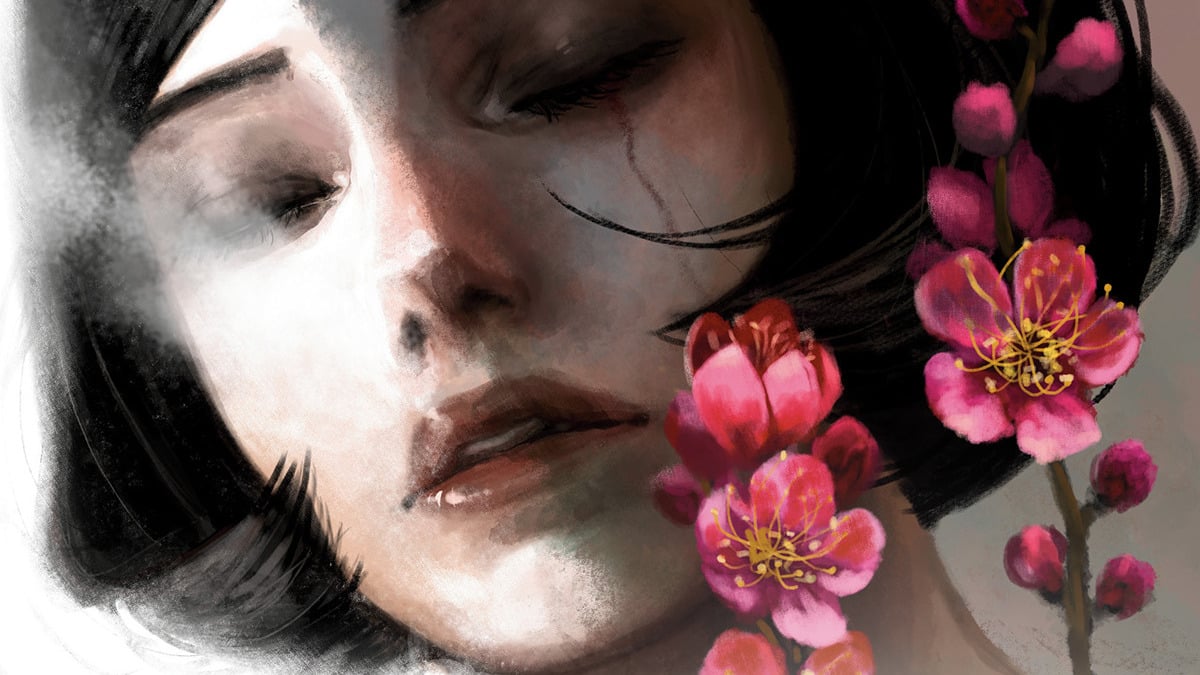

Vampires come with a lot of baggage, and they love talking about it. It’s a fact that’s been proven multiple times throughout horror fiction, with Anne Rice’s Interview with the Vampire as perhaps the greatest example of it. They carry an excess of experience, a lot of it painful. It’s the inevitable result of being around for centuries. You simply can’t escape history when you live that long, especially when it’s personal.
Korean manhwa creator Hongjacga sticks close to this storytelling tradition and finds his own vampire to study in his Webtoon comic Delusion, which is now in book form. Rather than having its bloodsucker sit down for an extensive interview, though, this story opts for a more artful approach.
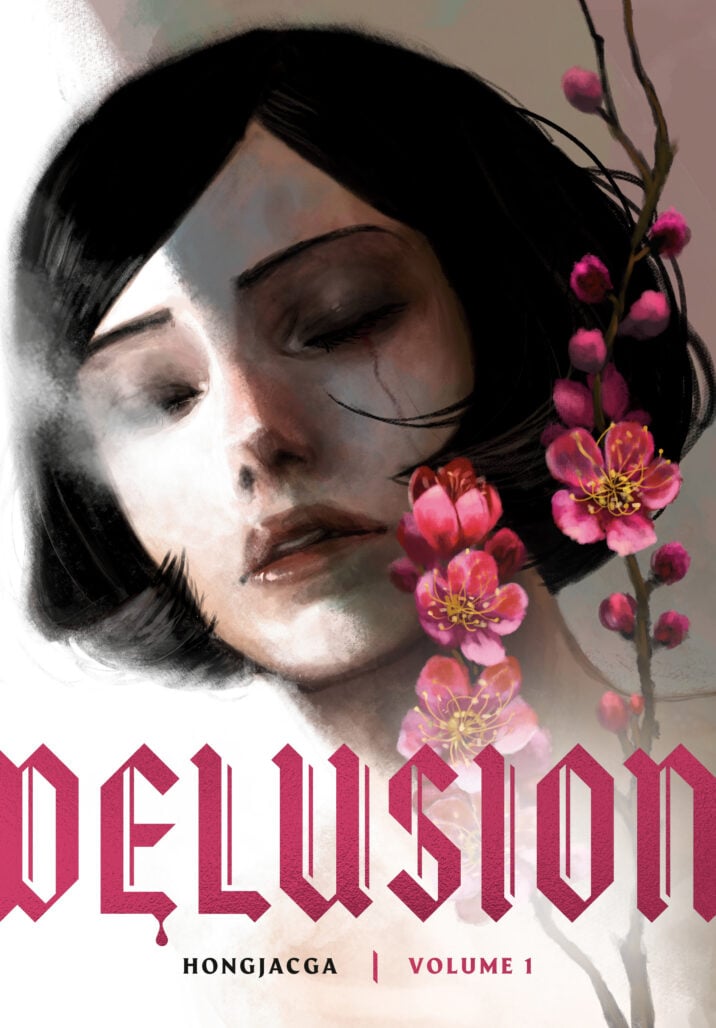
Delusion follows Yun Iho, a young artist who’s hired by a wealthy but mysterious woman called Song Jeonghwa to paint her portrait. We’re in 1930s Gyeongseong, a time when modernity and tradition were trading blows.
Yun accepts the painting job, which requires him to relocate to the Nammun Hotel. Madame Song has remained inside the hotel for decades, seen by no one other than a select few. She’s supposed to be elderly, but when Yun meets her in person, he sees that appearances can be very deceiving.
Hongjacga goes for a slow burn that demands patience. Unraveling much like a classic mystery, the answers it provides trickle down methodically and are almost always unreliable. Such is the nature of a vampire. Memories become more unstable the longer they reside in the mind, especially when they’re hundreds of years old. Madame Song complicates this by clearly showing she has no intention of parting with all her secrets at once. Trust is not a currency she barters with.
The portrait aspect is especially enticing here. It flips vampire lore a bit on its head by making age a more pressing issue as time progresses. By relying on the artistic interpretation of an artist to trick society into thinking she’s aging, Song becomes a more tragic figure that frames vampirism as a harsh prison sentence rather than a declaration of power.
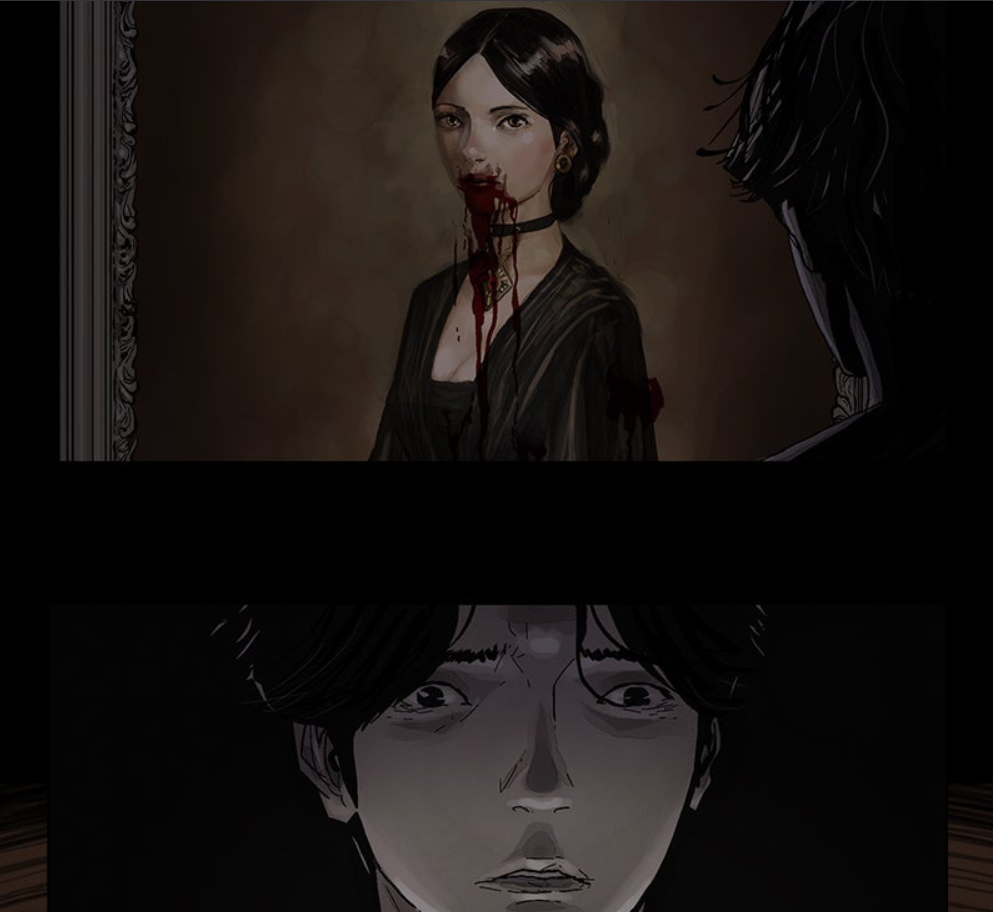
Hongjacga’s grounded art style gives the story a more realistic feel. This isn’t a fantasy-forward take on the vampire tale. It’s a careful character study that looks for multidimensionality rather than static tropes.
Horror is never sacrificed in establishing this narrative focus. It’s just not an outright genre thrill-ride. As such, whenever vampires slightly transform and bear their fangs, it feels consequential. The same happens whenever blood gets spilled. It looks like something really bad has happened and that the pace must slow down to contemplate it.
On the Webtoon format side of things, the transition from vertical scroll to traditional comic book pages works very well. Panels and sequences are thoughtfully put together, accounting for pacing and rhythm so as not to betray the flow of the original version. Those who don’t take to the vertical scroll style of reading can feel at ease knowing that great care goes into making the physical offering feel right.
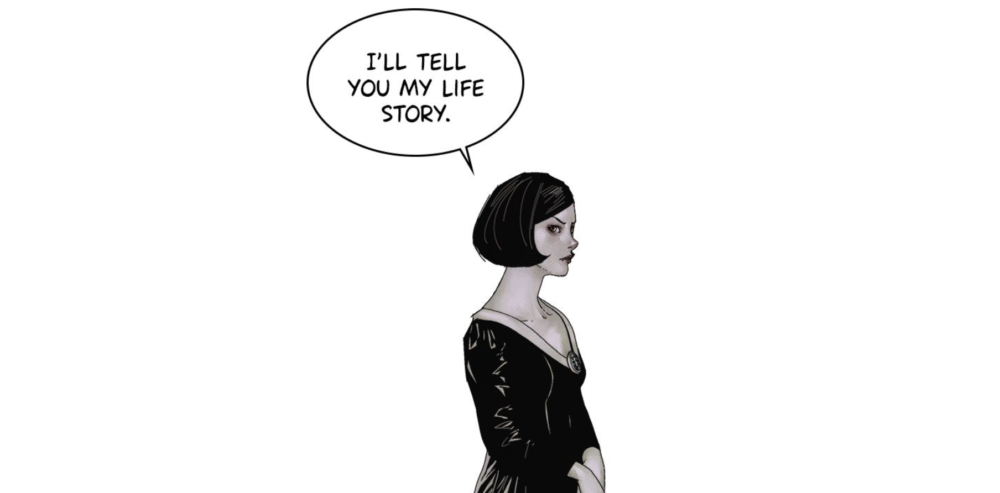
Delusion finds vampire horror in unexpected places, putting more onus on the concept of age and its harsh demands over romance and violence (which have been more extensively explored in other stories of its kind). It’s a smart character study of a classic monster that invites thought. In a sense, Hongjacga uses art to explore the many forms that tragedy can take at an existential level. To do so, he created a beautifully dark piece of art of his own.