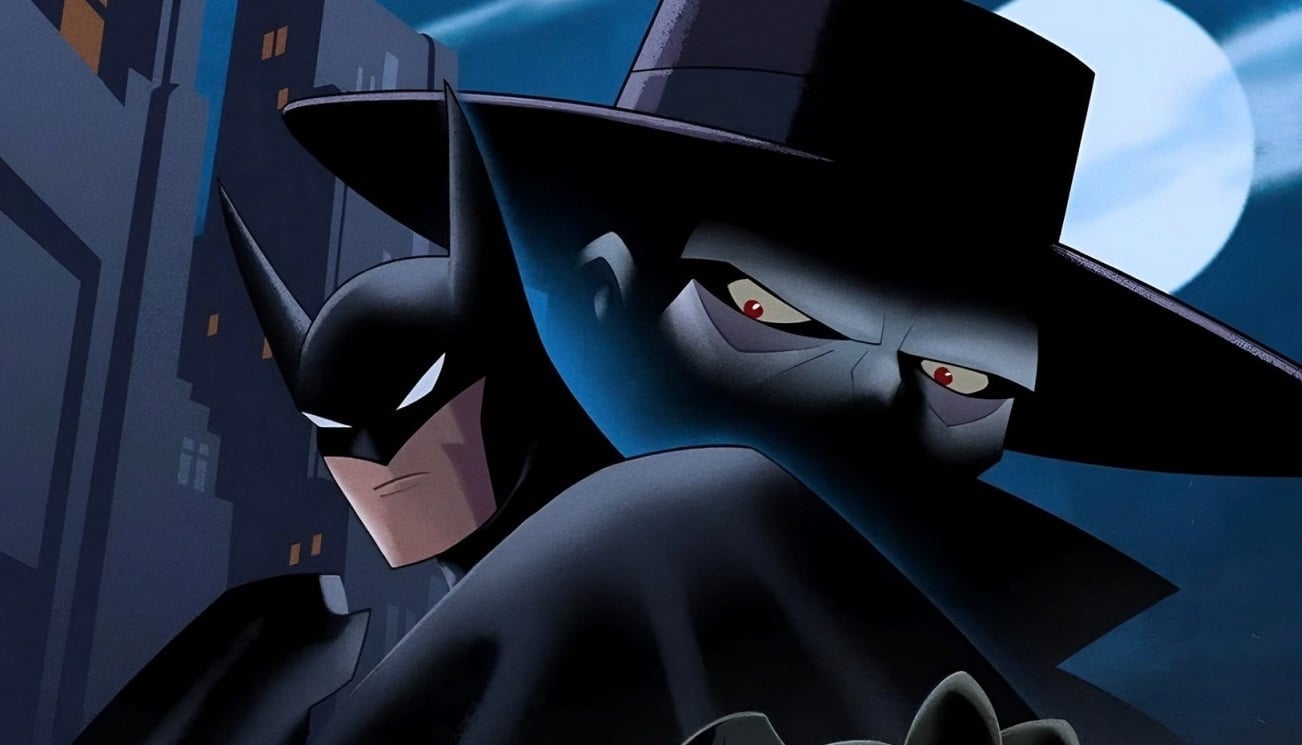

During San Diego Comic-Con last weekend, The Beat had the pleasure of participating in press roundtables with other outlets to chat with some of the cast and crew of the new season of the Batman: Caped Crusader animated series including executive producers James Tucker and Geoffrey Thorne and actors Hamish Linklater (Batman), Jamie Chung (Harley Quinn), and Matthew Needham (The Joker).
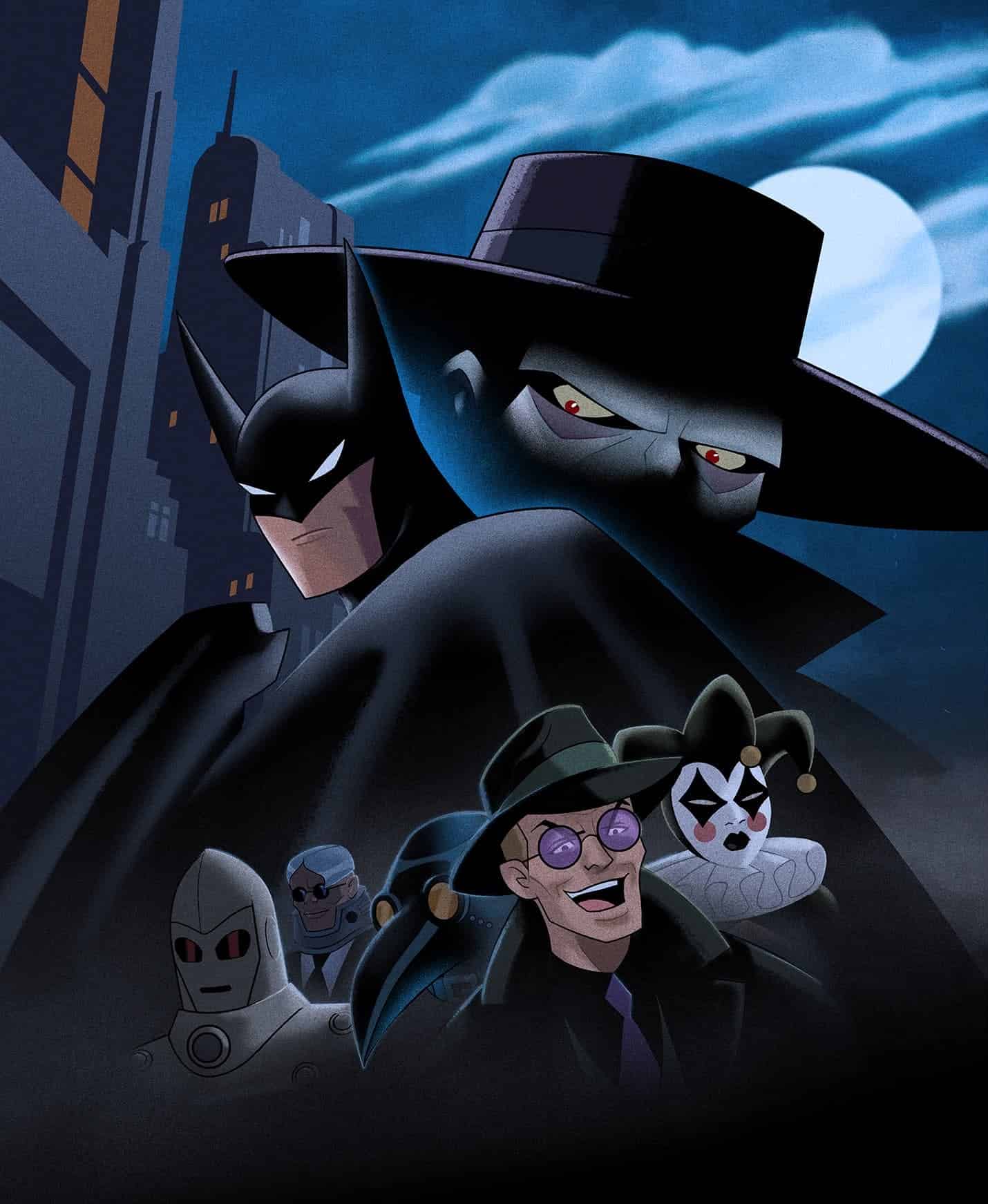 Caped Crusader reunites Tucker with producer Bruce Timm, both veterans of DC animation since the ‘90s. Timm of course is perhaps best known for developing the seminal Batman: The Animated Series while Tucker has worked on his fair share of Batman animated projects ranging from dark and neo noir future of Batman Beyond to lighthearted fare such as The Brave and the Bold. As a period piece set in the ‘40s, Caped Crusader afforded both Timm and Tucker the chance to do something different with the timeless character without fear repeating themselves.
Thus, it only made sense for the producers to focus on the early issues of Batman comics when he was first created by Bob Kane and Bill Finger. “We were taking our series and jumping off those few issues where he was more violent before Robin showed up,” revealed Tucker. “All of our influences come from what was going on at the time like gangster movies and Universal monster movies. All those influences were things we thought we could pull into this Batman [animated series] that the comic book had a little bit of but couldn’t because it was appealing to children.”
Thorne elaborated further, “It’s as if they did Detective Comics #27 and then Batman #1-20 and you never saw any more Batman since then and they said go make an animated show.”
It’s no exaggeration that Batman was a much more intense and remorseless crusader in those early comics and had no qualms about killing criminals. It’s a far cry from the superhero we know today. While nowhere near as merciless as his Golden Age counterpart, some viewers might be put off by the emotionally distant version of Batman in Caped Crusader, particularly regarding his treatment of Alfred exemplified by the fact that he only refers to him by his last name. Tucker was more than willing to take full credit (or blame depending on the point of view) for that creative decision.
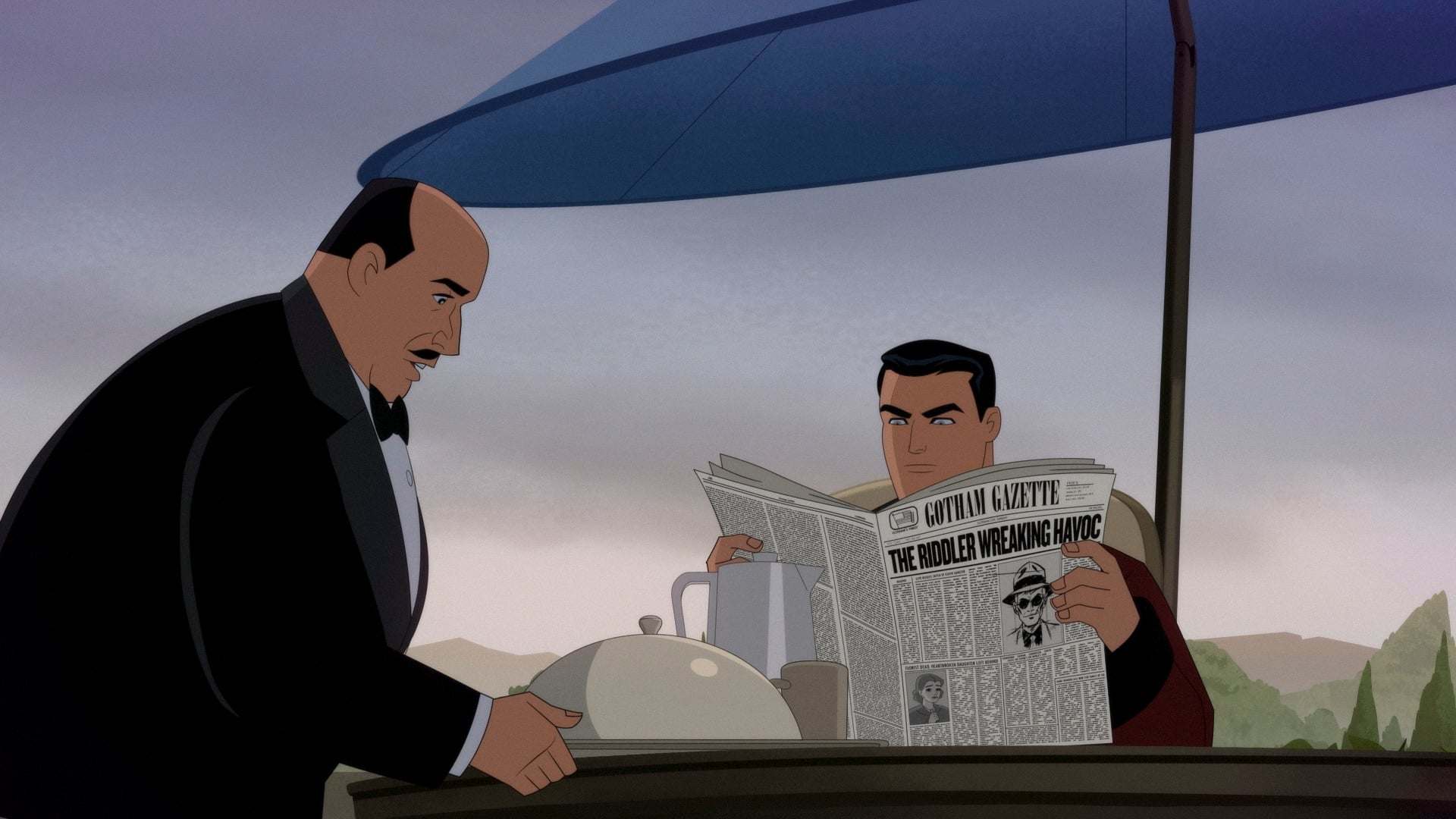 “Young Bruce has only known Alfred as a servant,” Tucker explained. “The trajectory of the show after that is how does Batman show more humanity as a character growing. He’s going to grow into calling him Alfred. He’s going to grow into confiding in him like a peer. But right now, he’s in a messed-up place. He has closed himself off to all humanity. Like Bruce Timm said in the first season, everyone in his world is a tool to him. He doesn’t see people yet. He sees everyone around him as how they can help him on his mission. That’s his journey. If this was a screwball comedy or a movie set in the ‘30s, they always call their butlers by their last names. Bruce was probably twenty before he realized Alfred had a first name.”
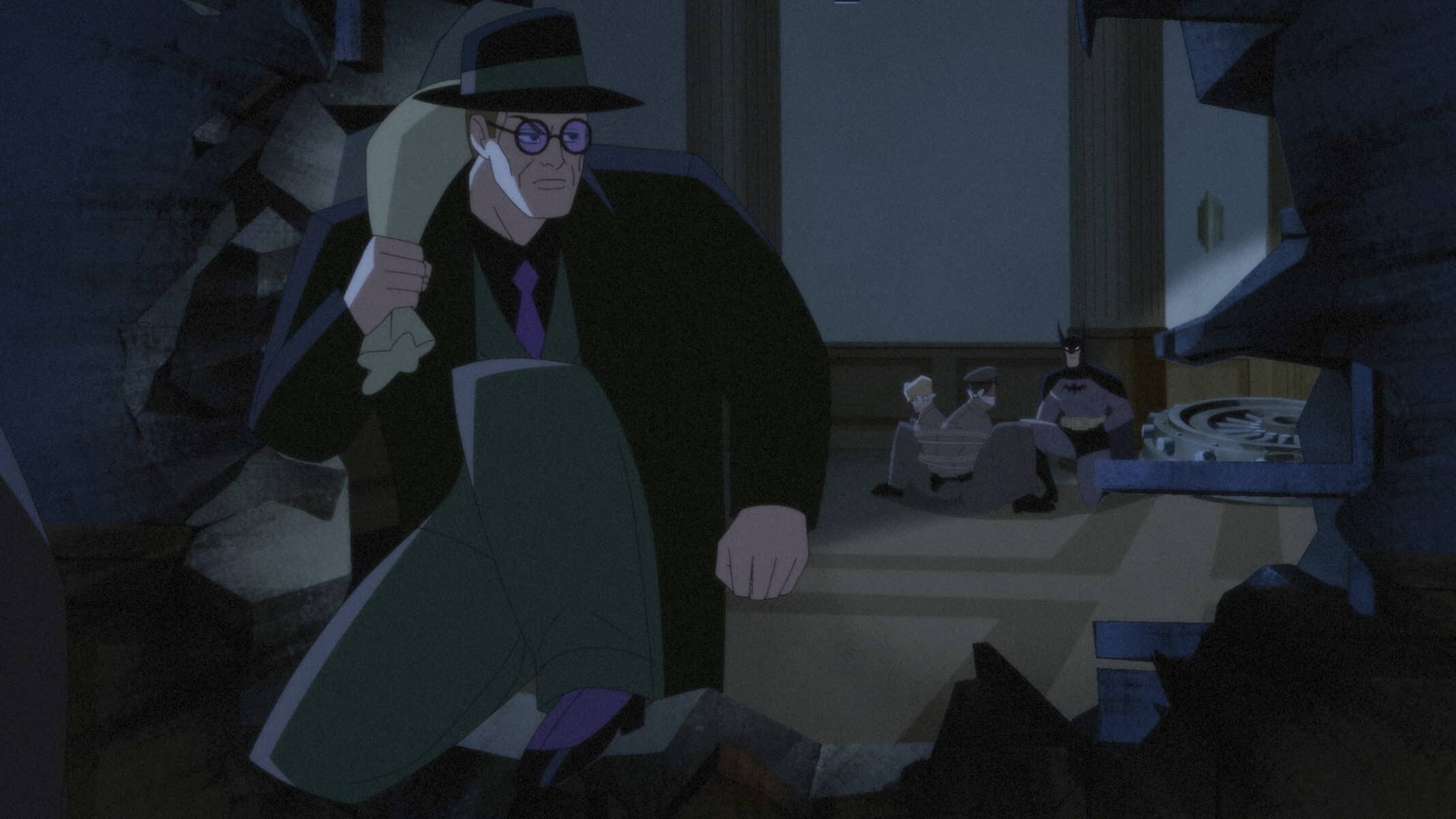 The first season of Caped Crusader featured a number of radical reimaginings of Batman’s iconic rogues gallery which continues in this new season. Right from the get-go in the first episode, viewers are introduced to a decidedly different take of The Riddler which might take some by surprise. Rather than a quirky criminal obsessed with puzzles, The Riddler in Caped Crusader is an unhinged gangster with a penchant for violence and green attire. According to the producers, this reinterpretation was inspired by actor Richard Widmark’s sadistic hitman character Tommy Udo in the film Kiss of Death. It’s a bit of a meta influence as Frank Gorshin, who portrayed Riddler in the classic 1966 Batman television series, based the villain’s manic laugh and nature on Widmark’s performance as Tommy Udo.
Perhaps the biggest swing the producers take in Caped Crusader Season 2 is with Batman’s archnemesis, The Joker. In vast contrast to past portrayals, The Joker in this animated series is the most soft-spoken and least talkative that he’s ever been. This creative choice wasn’t completely random. “The comic book Joker that first appeared was influenced by German expressionism and silent movies [and] Conrad Veidt. He was a direct descendant of that,” said Tucker. “What if our Joker was that too and we went further? What if he’s European and almost a silent character in that he doesn’t talk a lot. He’s not Mark Hamill Joker. It makes him scarier by making him less talkative. That was an instance of reimagining the character with the DNA that they started out with but not where they ended up but where they could go in another direction.”
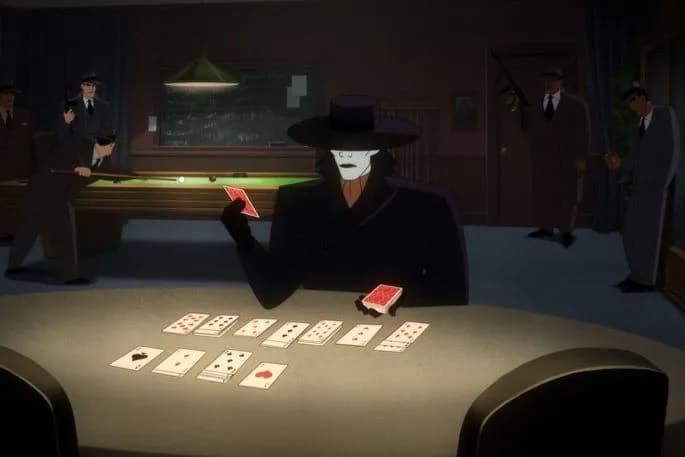 For actor Matthew Needham, best known for his role as Larys Strong in House of the Dragon, stepping into the booth to voice the Clown Prince of Crime meant abandoning his preconceptions about the character. “For me it was a strange one because they wanted a complete departure,” he conceded. “It was a strange feeling being in the booth playing the Joker but not being manic and not having that Joker energy. You could feel a muscle memory that you have about the Joker that you go towards. But they’re really good at pulling me back and talking me down into being quieter, calmer, and flatter.”
To be cast in any major role in a Batman project, one might assume the audition process to be intensive. Surprisingly, that was not the case for Needham who admitted he simply recorded his voiceover audition on his phone and sent it out not expecting to land his first ever animation voiceover role. Interestingly, the audition described the Joker as European and humorless and consisted of dialogue lifted from the character’s first appearance in the comics.
Hamish Linklater’s audition process to voice the Dark Knight was similarly simple to Needham’s. Despite having more animation voiceover experience compared to her co-stars, Jamie Chung wasn’t cast directly after her first audition and had a callback, joking that she was “put through the ringer.” In truth, Chung appreciated the opportunity because it allowed her to receive more explicit direction and experiment and play around with her vocal performance until the producers were able to nail down exactly what they wanted.
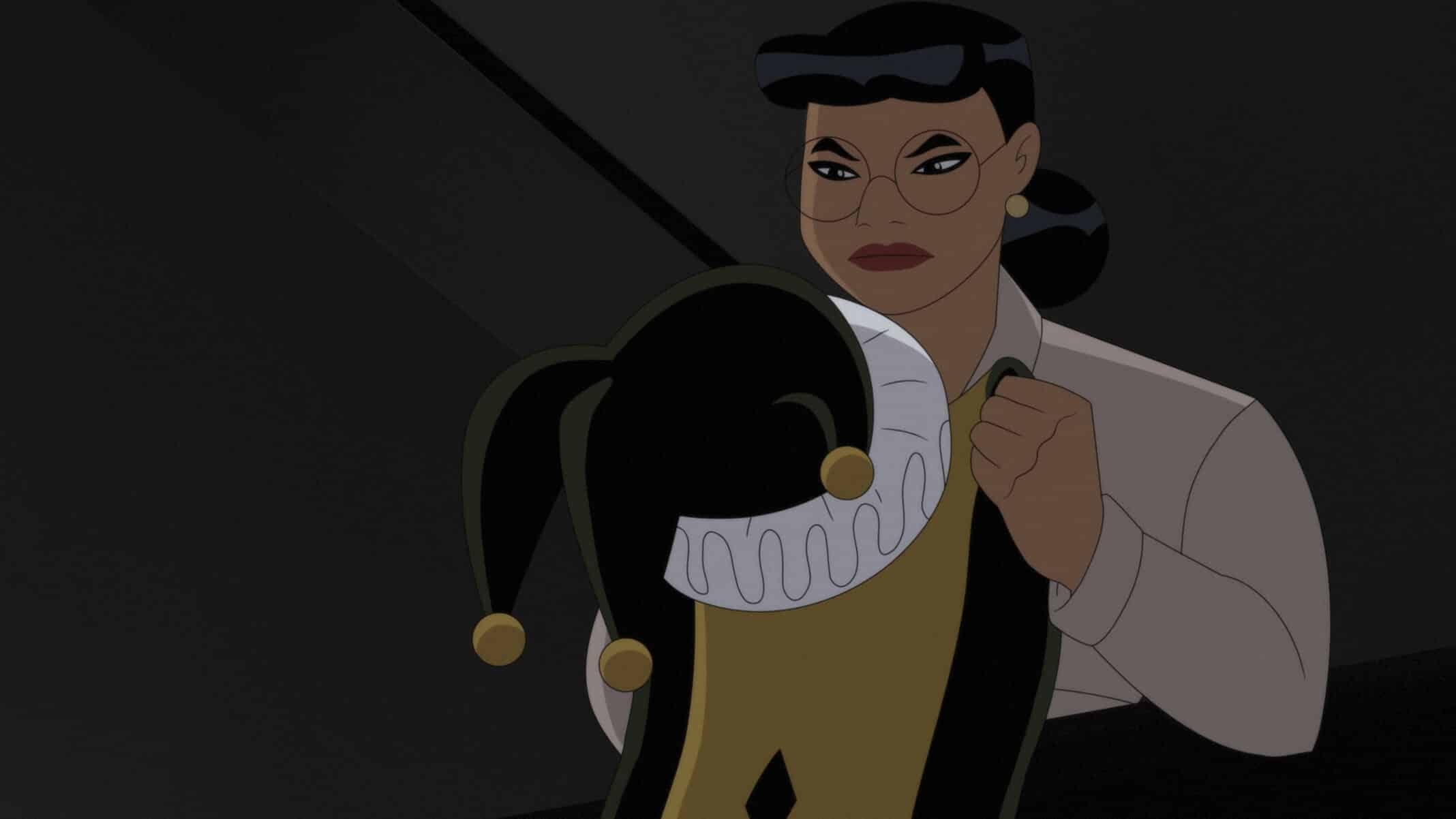 When she dons her costume, the Harley Quinn in Caped Crusader is cold and calculating in contrast to her usual playful and at times ditzy personality. Nevertheless, Chung still found inspiration from previous actors saying, “It’s hard not to imitate Arleen Sorkin’s version of Harley Quinn, but it would also be a disservice. This is a whole new iteration but we sprinkled a bit with the bubbly attitude. I loved watching Margot Robbie’s version of Harley Quinn. She’s such a baddie.”
Linklater perfectly summed it up with the following, “We all love our characters so much because of other people’s performances who proceeded us. When you love something, you want to do right by it and that’s a nice place to come to work.”
The future of Batman: Caped Crusader after this second season remains to be seen. However, the producers and even the cast are eager for the series to continue in order adapt more of Batman’s baddies for this continuity. Needham cited Egghead as a favorite villain while Chung is particularly keen for Poison Ivy having cosplayed as the character in college.
“Batman has the deepest bench [of villains] in all of comics,” stated Thorne. “All of his villains are great. We could kill every villain in every episode in every season and have ten seasons of good Batman stories to tell.”
Batman: Caped Crusader Season 2 is now available on Prime Video