
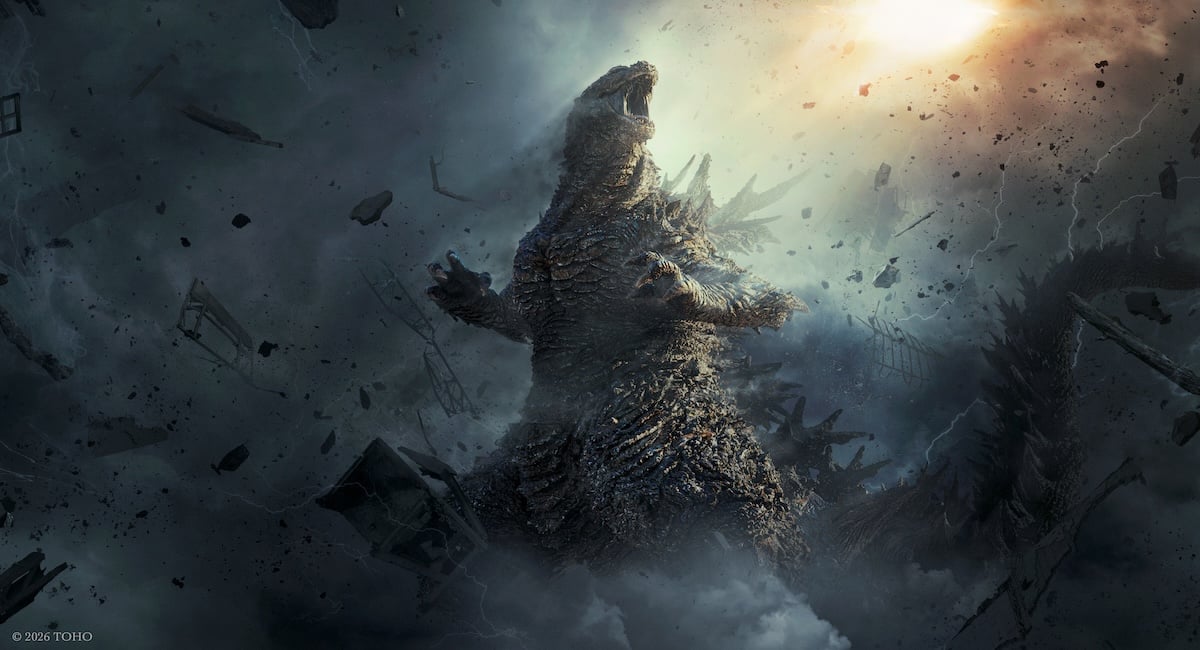

Godzilla Minus One was the rare Godzilla film (yes, there is more than one) with an emotional core. A film as focused on its human characters as it was the King of the Monsters. Godzilla was again a force of nature that man must somehow stop. So where does a sequel go when most Godzilla sequels become massive monster fights? It goes the way of Godzilla Minus Zero: by embracing embraces both types of Godzilla films.
There was no way that any Godzilla sequel wouldn’t feature another monster from Toho’s iconic lineup fighting Godzilla. Writer/director Takashi Yamazaki once again doesn’t forget just how devastating these battles are for the humans who witness him. The film expands on these themes without sacrificing the thrill and spectacle of the greatest Godzilla films.
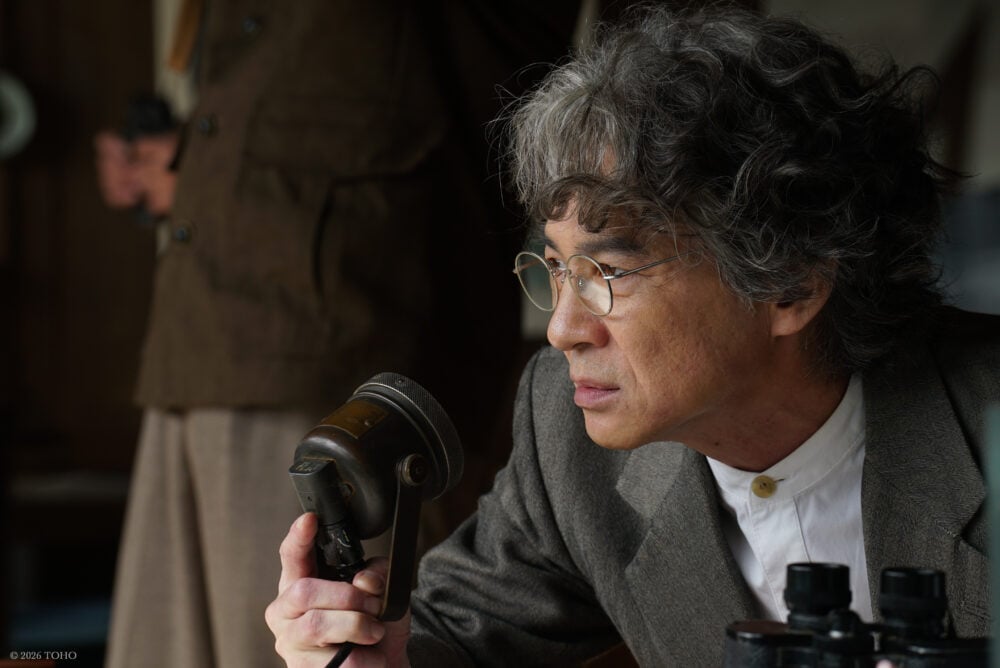
Godzilla Minus Zero takes place two years after the previous film. Japan is still recovering from the devastation of World War II and Godzilla. Heroic pilot Kōichi Shikishima (Ryunosuke Kamiki) has settled down and married Noriko (Minami Hamabe), who miraculously survived in the last film. Most of the other cast members, including Hidetaka Yoshioka’s Professor Noda, have joined a large scale disaster team. Life goes on after tragedy until a new dragon-like monster they name Ghidorah appears to make Japanese life even worse.
If the appearance of Ghidorah doesn’t clue you in, this is a much bigger film than the first, think Jurassic Park to the first film’s Jaws. Yamazaki takes full advantage of the opportunity an Oscar win afforded him. The set pieces from beginning to end in this are jaw dropping. It’s hard to pick just one, from Ghidorah’s attack in the opening, the air battle against Ghidorah, Godzilla’s rebirth, all the way to the final battle. This certainly ranks among the most impressive visual effects showcase of the year.
Yamazaki never forgets how devastating these creatures can be to the human witnesses. There are some genuinely upsetting moments where the monster brutally kill humans in these attacks, or the aftermath of Godzilla or Ghidorah appearances. The director has no issue showing chaotic and bloody hospitals filled with people crying over lost loved ones or children orphaned by the cost of war and Godzilla. On top of that, Yamazaki shockingly confronts the specter that hung over the original Godzilla: the atomic bombing of Hiroshima. It’s a sobering moment in the film but one that the characters and themes support.
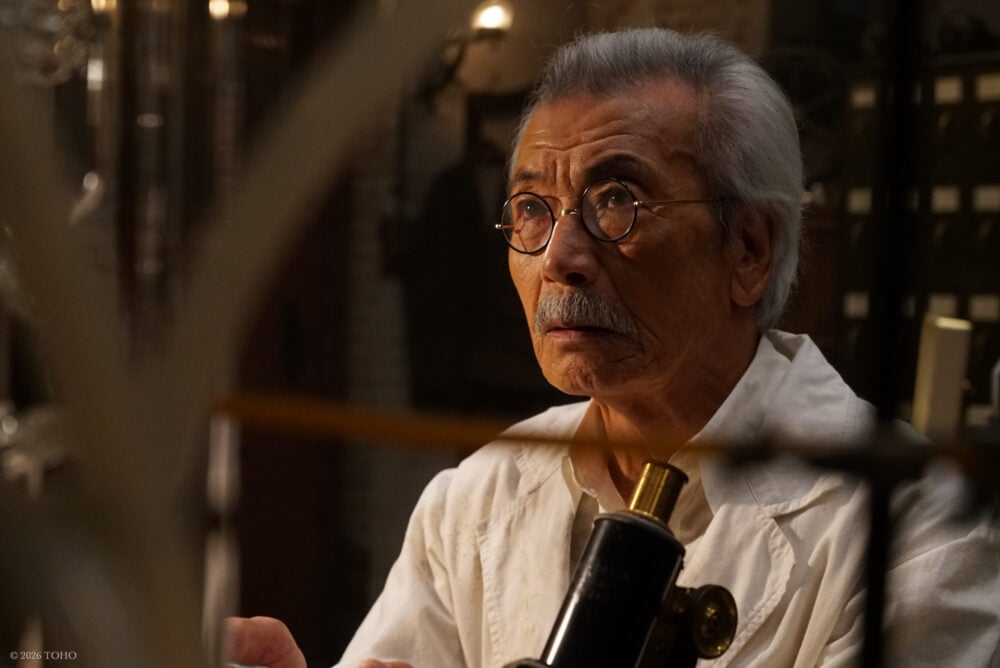
The returning cast once again imbue a Godzilla story with a deep well of human emotion. Shikishima and Hamabe are now parents dealing with what confronting Godzilla could mean to their child. Hamabe’s Noriko carries with her the knowledge that her days maybe limited after her injuries in the first film. Meanwhile, Professor Noda still lives with the guilt over the role his weapons played in the war as he now leads a disaster team. There are two newcomers to the film. Masami Nagasawa is a guilt-riddled meteorologist whose weather predicting skills prove surprisingly effective against Ghidorah. Min Tanaka plays a biologist (and Hiroshima survivor) with an unhealthy Godzilla obsession. All of these are survivors who carry with them a need to live, either in healthy or unhealthy ways.
There’s one other antagonist in the film, and that is America. The United States is something that’s hung over the entire franchise, from the atomic bombings that created Godzilla to their devastating victory over the Japanese. Here, Yamazaki portrays the American army as an uneasy ally in the war against Ghidorah. They offer minimal help and only when it’s convenient for them.
The sentiment driving Godzilla Minus One was to continue to live. To reject the hopelessness of war, and choose to embrace life. If there is a philosophy behind Godzilla Minus Zero, it’s to ask how do you choose to live as a survivor. Everyone in this film is a survivor of some life-altering horror. Some characters live with guilt, others strive to move on, and some succumb to the trauma. If this film says something (besides how great giant monsters are), it’s that life is only as meaningful as how you live it even in the face of tragedy.