
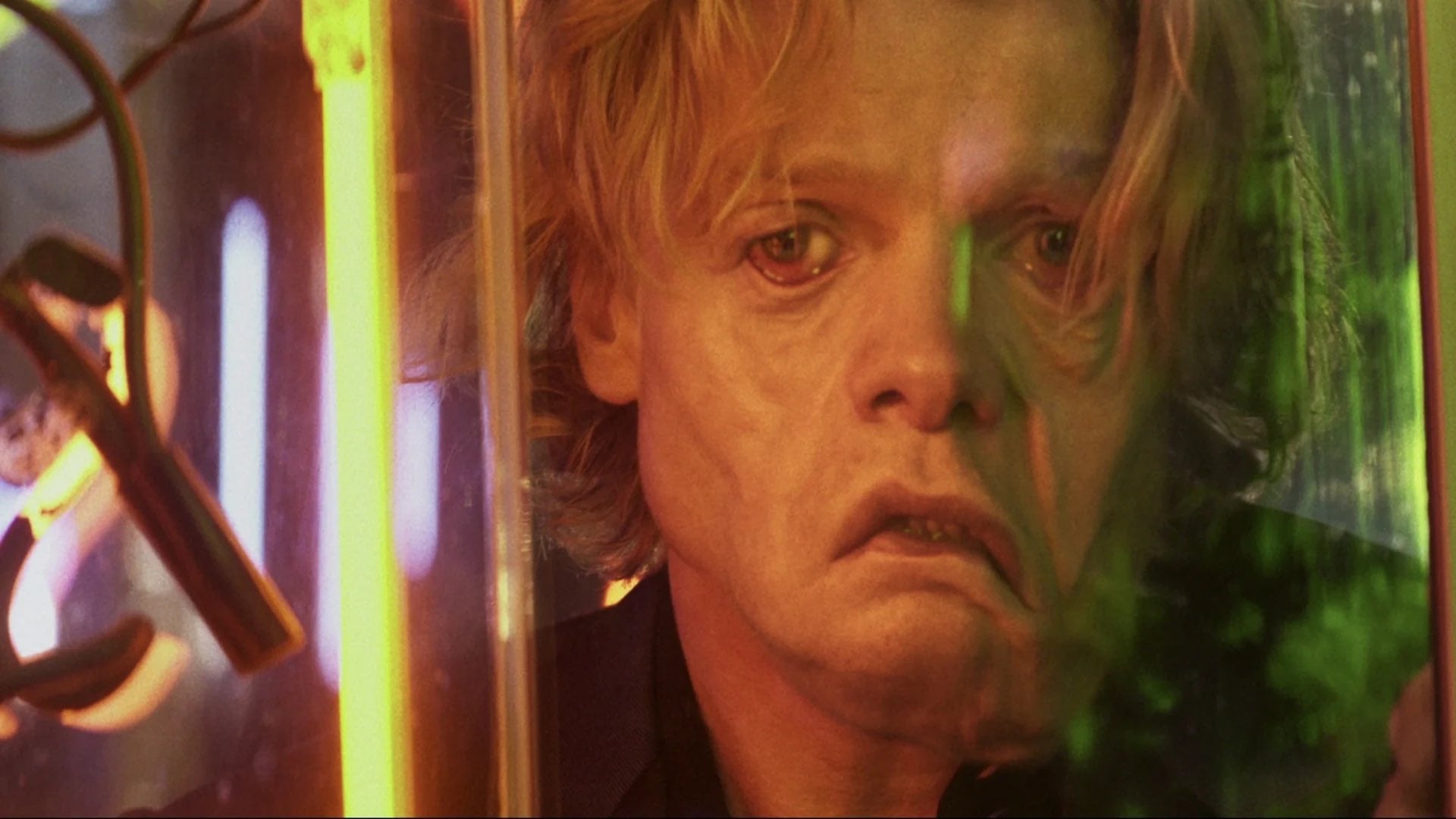

Matt Hagen is on the cusp of having it all. After a tough childhood in the broken, brutal streets of Gotham, he’s finally developed a career as a respected and admired actor, a movie star with enough critical acclaim to earn him major awards nominations. Yet, after a series of mistakes over the course of one fateful night, Hagen has his entire life – and his face – brutally taken away by a mob boss. Just how far will he go to get it back? The latest entry into James Gunn and Peter Safran‘s DCU following this summers’ dual entries Lanterns and Supergirl, and their debut horror title, Clayface is a great film, held back by some clumsy mistakes that stop it from being truly spectacular.
Beginning life as a script from acclaimed filmmaker Mike Flanagan, and inspired by the legendary dual-episode storyline Feat of Clay from Batman: The Animated Series, Clayface serves as the third film, and sixth entry overall, in the current DC universe of films and television series. Initially pitched for the previous expanded universe, and then the world of Matt Reeves‘ The Batman Saga, Flanagan eventually dropped out of directing the project due to scheduling conflicts with Carrie and The Exorcist: Martyrs. Clayface eventually found a home as part of the current DCU where it serves as their introduction to this universe’s version of Gotham, directed by James Watkins (Eden Lake) with a script redrafted by Hossein Amini (Drive).

Clayface follows rising superstar actor Matt Hagen, who is permanently disfigured in a brutal attack after sleeping with the girlfriend of mob boss Markos Szabo. After a lengthy legal case and a series of botched plastic surgeries cost him his money, his agent, and his lawyer, Hagen volunteers to be a human test subject for one Dr. Caitlyn Corr. Corr is working on experimental nanocells which can repair degenerative illnesses, and Hagen believes her work can fix his face for good. Little does he know, it’ll change his body in ways he will struggle to comprehend…
Clayface evokes classic works of body horror such as The Fly, as well as recent films such as The Substance, whilst also attempting to tell a gritty, realistic revenge tale as Hagen eventually seeks to get back at all of those who betrayed or wronged him as he fell from grace. The plot itself works, and keeping things simple is for the best here as it allows the film to focus more on its’ compelling, gnarly scares and its’ fascinating central protagonist. This, when couples with the film having elements of tragic, gothic romance fiction, make it feel more like a character study than every entry in the DCU thus far, apart from Lanterns, and I’m all for it. The stories’ biggest flaws come from it’s rushed and weirdly edited first act, with feels condensed and trimmed in order to make the movie punchier and shorter. Normally I’m all for a tight, effective horror movie, but given that the rest of the film is primarily a character piece focusing on Hagen’s internal psychology, I would have preferred to spend even a bit more time with him before his life is turned upside down forever.

The script, credited to Flanagan and Hossein Amini, is rock-solid throughout the film. The dialogue is fun and engaging, with a mean-spirited tendency that works to enhance the material greatly. Hagen especially as a characters is given many lines with dual meanings, adding depth and nuance to his character in an interesting and fun way. Whilst sometimes the script can be gloriously unsubtle, it feels befitting to the maximalist nature of body horror and in-keeping with the rest of the film. I particularly liked the middle section of the film, as Hagen’s body continues to change and he has to figure out just how to manipulate his new nature to his benefit. It’s where the best, most gnarly moments of horror are, and when the project feels at it’s most cohesive, so I can’t help but shower it with praise. The poorly edited first act does subtract from the script’s overall cohesion, but the film brings it home for a great climax in the final third that really elevates Clayface into something really strong and compelling.
Carrying a 40 million dollar budget, this film is very impressive on a technical level. The special effects for Hagen’s transformations look brilliant, and heighten every sequence of body horror without fail. The practical effects here, with Legacy Effectsabsolutely knocking it out of the park with grisly, gross sequences of self mutilation and molding that are by far the highlight of the film. The CGI, whilst used relatively sparingly, also looks good throughout, if admittedly held back a bit by the budgetary limitations. It’s wonderfully directed and shot too, with cinematographer Rob Hardy putting in the effort to build so much atmosphere. Gotham looks great here, so grimey and awfully vivid, and Hardy knows exactly when to lean into the gnarliness of it all, and when to pull back and let the audience breathe. It’s tremendous work on that front.

Welsh actor Tom Rhys Harries is absolutely spectacular here, giving a truly star-making performance as Matt Hagen. He devours every scene, consistently matching whatever the movie is asking from him and seamlessly changing tones on the drop of a hat. He’s likeable, scary, sympathetic and terrifying, all in one film, as we watch Hagen succumb to his reckless and self-centered tendencies, consumed by rage and a lust for vengeance. It’s great to see a relative newcomer to the mainstream absolutely shine here, in one of the strongest and most cohesive performances in this entire year of film. This film would not work at all if he was not giving 110% in order to make it work, and for him alone Clayface is absolutely worth a watch.
Naomi Ackie is also very compelling as Dr Caitlyn Corr, whose fringe scientific experiments entwine her and Matt’s fates throughout the film. Ackie is great with what she’s given here, always rising to the challenge of difficult, emotionally complicated scenes. If anything, I wish the film leaned further into the tragic monstrous romance of it all, like Candyman or Wuthering Heights, because her character’s conclusion comes across a bit flat when it should be something wondrous and devastating. Other performances include Max Minghella, Eddie Marsan, David Dencek and Joshua James, who are all perfectly serviceable in their parts, which admittedly come across as mostly underwritten and a bit flat. Clayface is at it’s best when it has a tight, emotional focus, and when it loses track of that is when its’ weaknesses show.
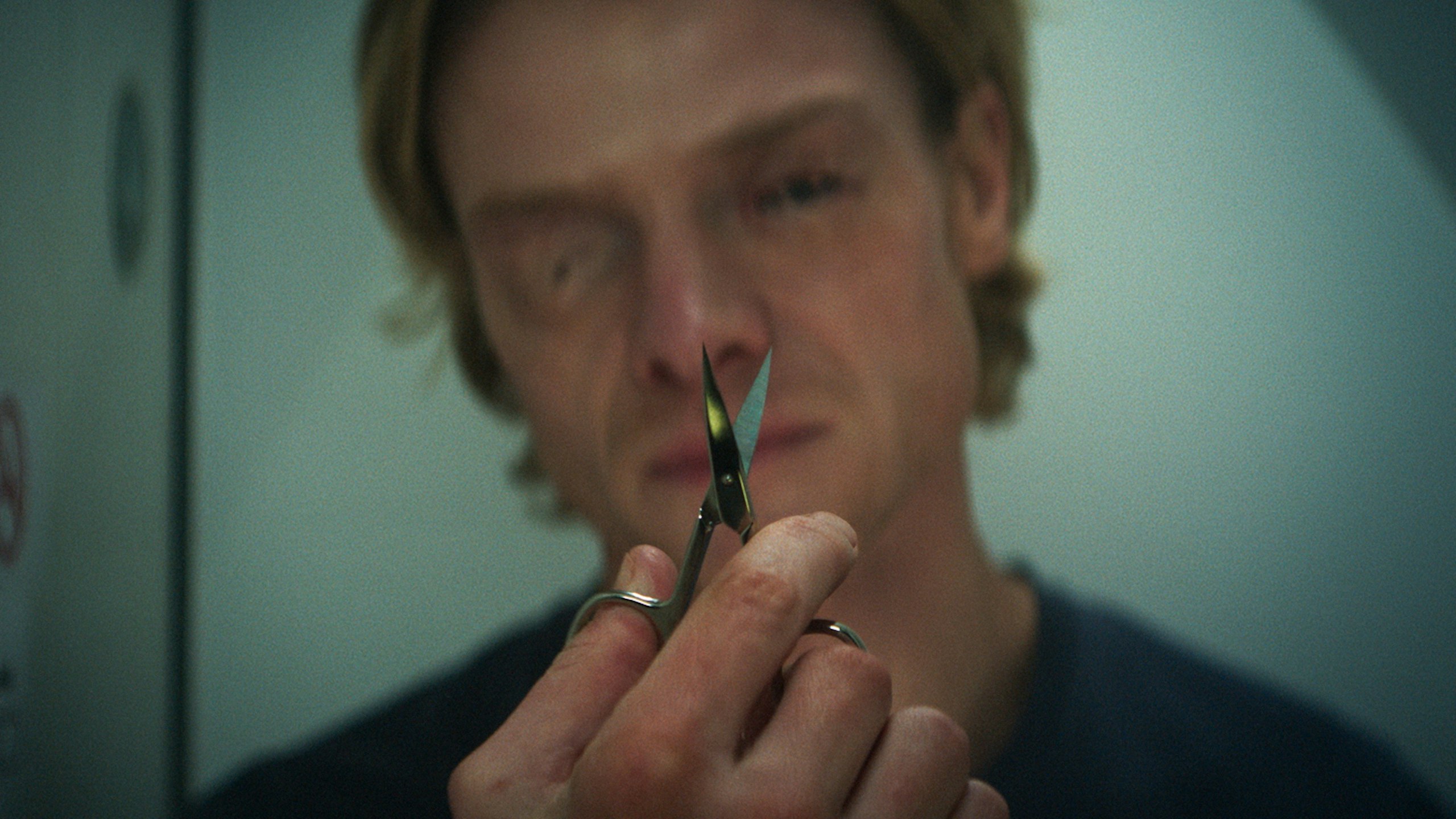
Thematically, Clayface is focused on notions of self-believe and self-image, as understandably befits the material. Matt Hagen becomes so consumed in his vicious emotions that he loses himself, morphing and shifting into someone else entirely, and it’s tragic because he’s seemingly so self-assured and confident at the beginning of the film. Yet, his doubts consume him, and ultimately he can’t escape the fear of how others perceive him, be that his friends, his enemies, or the general public. Even if he tries to impart self-confidence on to others, his is all an act, and he’s instead a series of ever-shifting emotional faces underneath a handsome exterior. This is another way the movie shines, as when it allows itself to fully be a character study, there’s so many ways you can read into Hagen’s character and his motivations. Is he genuinely a terrible, violent person or does he just become one? Does he love Caitlyn, or does he just adore her for how she ‘fixed’ him? It’s great stuff, and serves as a fun way of exploring body horror themes and how they interact with the psychology of being a Hollywood actor. It all comes to a head in the violent, tragic conclusion to the story, which I really loved, and wish they committed further to.
Clayface is a great body horror film, and another strong entry into the DCU, held back by a variety of small flaws that accumulate into larger issues. Helmed by an utterly excellent performance from Tom Rhys Harries, and complimented by brilliant technical elements that will gross you out and make you squirm in your seat in the best way, it’s a film whose highs are dizzyingly high and whose lows are frustrating at best. With a clunky first act, and some flat supporting characters, I can’t say it’s truly exceptional, but it’s still a fantastic film, and one that I would happily suggest for people to watch, if only for the gnarly, compelling body horror and Tom Rhys Harries’ spectacular and varied lead performance as we watch Matt Hagen lose himself inside an internal sea of clay. With so many versions of him in there, it’s hard to tell whose the real one anymore…