
Identical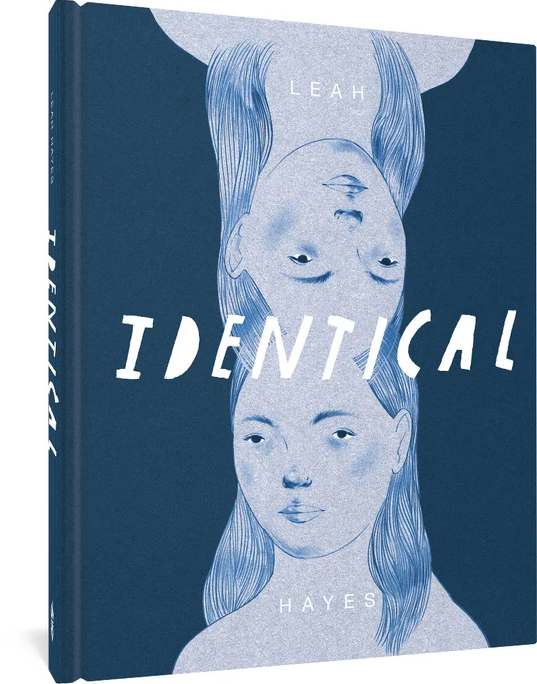
Cartoonist Leah Hayes
Publisher: Fantagraphics
Publication Date: September 2026
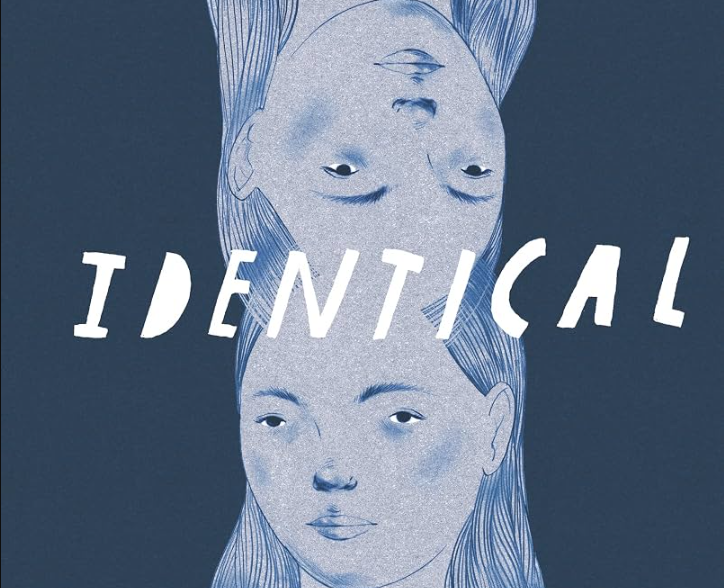
To have a twin is to have a best friend for life, to never be alone. Yet this loving aphorism in Leah Hayes’ latest work is couched in a haunting and isolating experience that challenges how you can ever build your own sense of identity while connected so deeply to another person. Part sci-fi horror story, part semi-autobiographical reflection, Identical takes us through a journey into the life of twins and the loneliness inherent to that experience.
Identical is told from the perspective of a young woman who has a twin sister. Hayes’ framing of the story is ripe with ambiguity. You don’t know the narrator’s name or her sister’s name, and the reader is immediately left without a way to tell the twins apart. Our narrator starts from the very beginning, recounting the tale of her lonely mother who deeply wanted children and was unable to have them on her own. She’s ultimately given the opportunity to have a child through some new experimental form of IVF, the details of which are also left vague. The treatment is a success, but instead of having one child she ends up with twins.
Hayes’ presentation of the story keeps the reader at a distance and tends to isolate the characters even as we’re told about their deep connection. Panels often only have one character in them or present a sharp separation between one person and someone they can connect with. This continues even as the twins are being born, with their connection at first seeming intimate, cradled together in the womb, before they begin to exist on opposite sides of panels, sometimes with faces being obscured, and often focusing on just one rather than both.
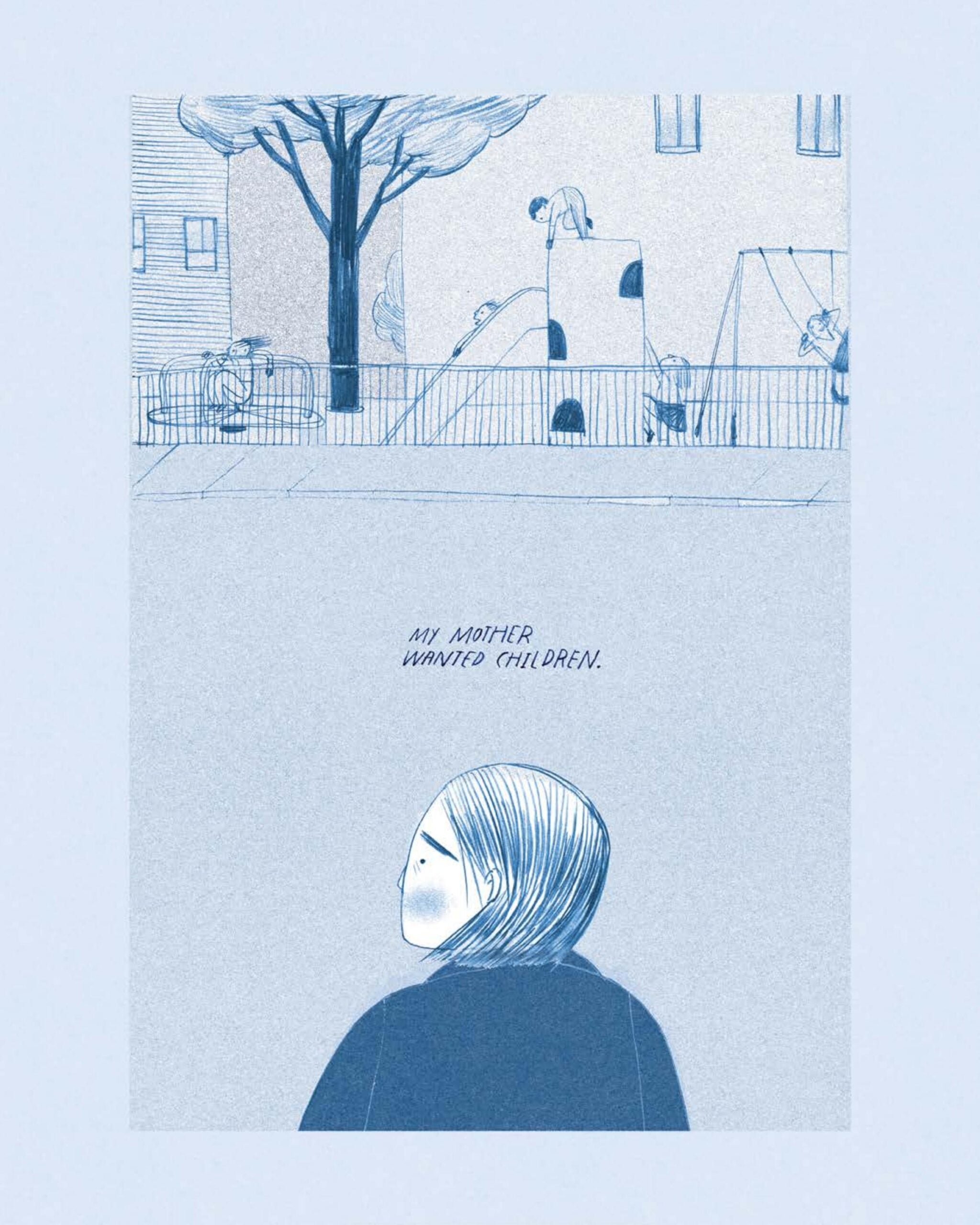
The oppositional and isolated framing of people throughout Identical draws attention not simply to loneliness but the weight and horror of constant connection, of the knowledge that someone always exists out there, standing before you, reminding you not only of your own existence but of your inescapable bond with another. In this context, the ambiguity of the narrator helps convey the feeling of never really knowing where one person starts and another begins, their existence flows into and out of each other and there’s never any way to know one without implying or instantiating something about the other.
These tensions between connection and isolation, between a familial bond and the horror of a constant presence, allow Hayes to move from the story of being a twin to the broader unsettling nature of being a human being. To live is to always be surrounded by others, to be forced into social relationships that define what you do and don’t have, to be at the mercy of choices put in front of you rather than a radical freedom to be whatever you want to be on your own. The mother is a person defined by her loneliness, but even then she’s faced with the need for connection and the limits others put on her. She exists looking for a purpose and that purpose requires her to engage with a world that simultaneously isolates her.
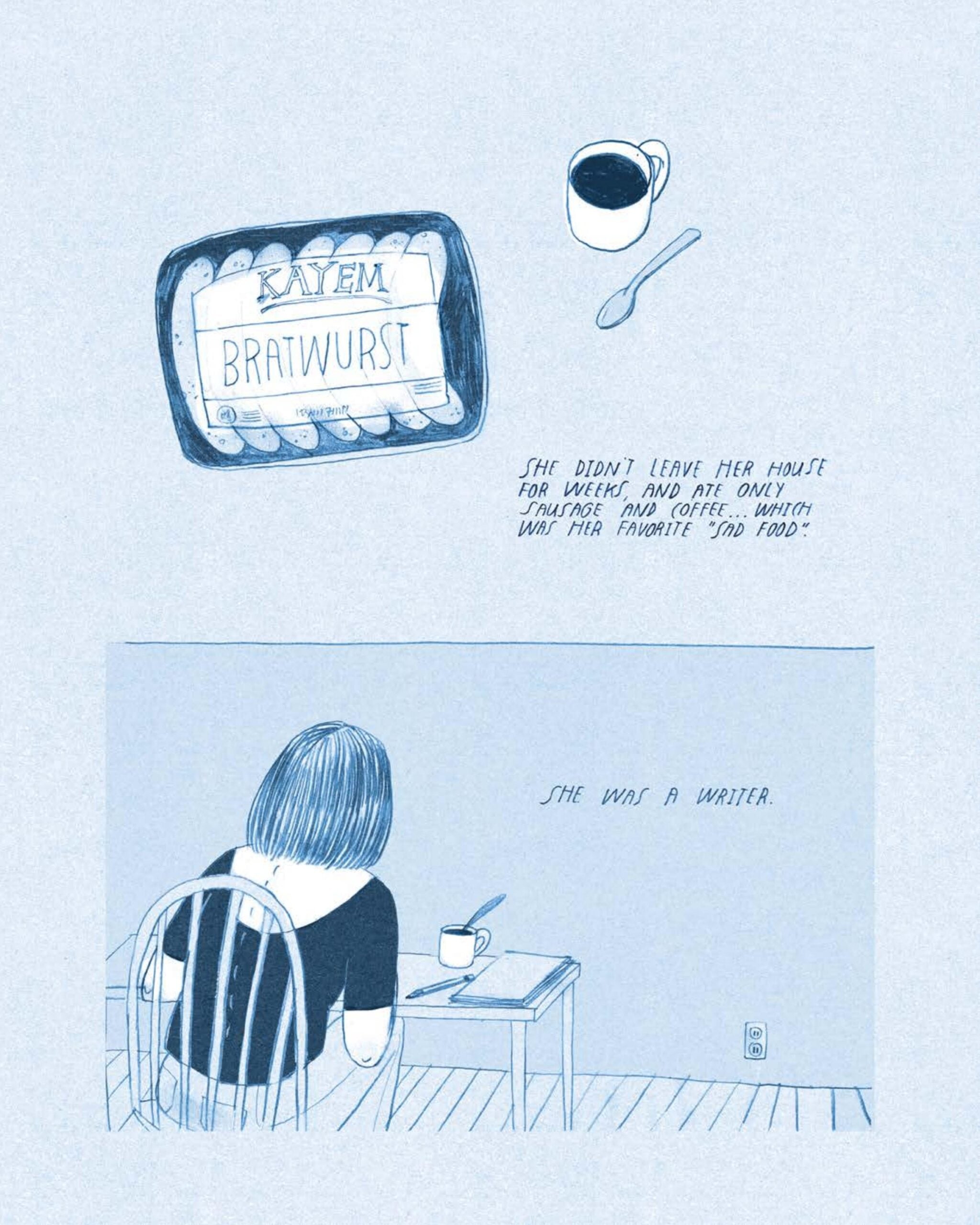
I found the detail that she’s a writer fascinating because it speaks to a specific kind of isolation that is even more tortuous. As an artist of any kind, you’re often locked into a single location by yourself and your great burden is to represent yourself and the world. To put into some form the reality that seemingly only exists in your mind. To be a writer, constantly speaking to some invisible audience while also aching for that audience in the form of children is a unique kind of pain, and one not eased when those children come into your life and your necessary isolation for your craft becomes impossible. The mother exists in a perfect encapsulation of the contradictions of human existence with purpose and desires at odds with her nature or profession.
Naturally the first half of the story highlights these horrors of sameness and connection, but the back half starts to introduce a paranoia about the nature of the twins themselves. As we’re told early on, the process of IVF that helped bring them to life was only intended for one child. Therefore the other might not be human at all. As we spend more time with the children growing up, never sure who we’re following, the possibility of some alien, inhuman presence begins to enhance the tension of the twins’ constant connection. Questions begin to compound: “Who is this person that I’ve always known yet don’t really know? Who am I in the face of this Other that always stands before me? If they are not human, what does it say about the nature of our relationship?”
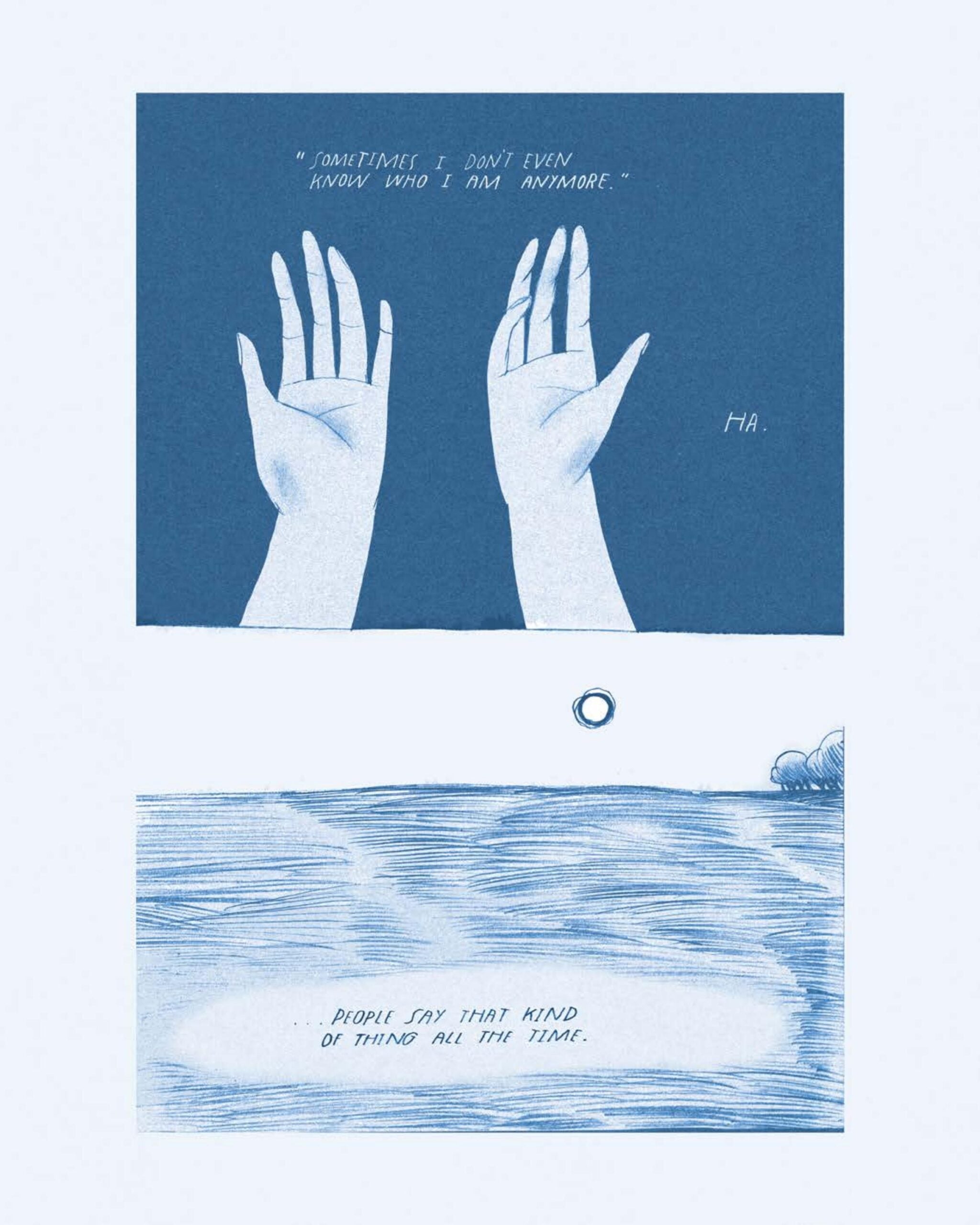
Hayes excels at playing with the emotional paradoxes of her story, inviting you to both find yourself drawn to the human intimacy of this family while also always being put at a distance by the paneling and melancholic color. We are always reaching out to understand and being pushed back by the boundary around our characters. Each human form is fluid, making use of simple details and curved lines only to be jarringly imprisoned by the harsh lines of sharp panel borders. In this way, Identical stayed at the forefront of my mind long after reading it, always ruminating on the connection of the twins but also finding myself transfixed by the mood that Hayes creates, inviting questions and rejecting anything that might ground your answers.
Identical is an entrancing story about loneliness and the horrors of connection, a book with an overpowering mood and potent tensions that propel you through the narrative. Autobiographical comics work has been on the rise over the last few years, and many of these works have fallen into tired formulas. Hayes’ avoids these pitfalls and allows her life to be the basis for questions about life in general, spinning abstract ideas into ambiguous social relationships that define what it means to be human.
Identical is out now via Fantagraphics
Read more great reviews from The Beat!