

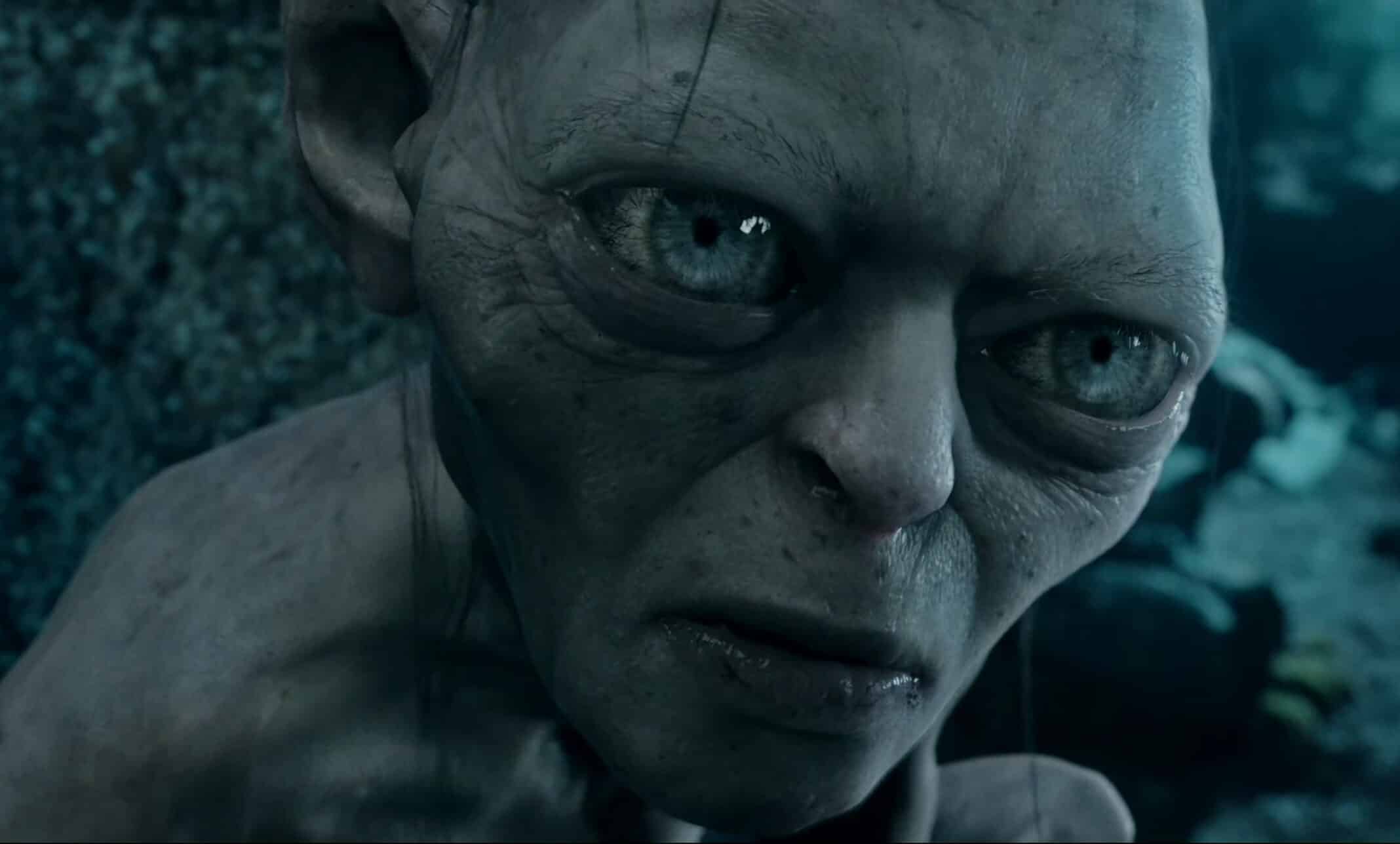
In an interview with the BBC to promote the UK release of his film version of Animal Farm, director and actor Andy Serkis was asked about the cast of his upcoming Lord of the Rings film, The Hunt for Gollum. The movie, now rolling cameras in New Zealand for a release on December 17, 2027, is helmed by and stars Serkis again in the title role, and will take place early on during 2001’s The Fellowship of the Ring, when Gandalf (Ian McKellen) and Aragorn (now played by Jamie Dornan) are seeking Gollum’s help to ascertain the identity of Bilbo’s ring.
As well as Serkis, McKellen, and Dornan, the film will include Kate Winslet, Leo Woodall, and Anya Taylor-Joy as new characters, and Elijah Wood and Lee Pace reprising their roles as Frodo and Thranduil from the previous Lord of the Rings (2001-03) and Hobbit (2012-14) films. The BBC couldn’t help but notice: all these announced actors are white, in stark contrast to the diversity on the prequel show The Rings of Power (2022-), and in other recent projects set in J.R.R. Tolkien‘s Middle-earth, like the games Shadow of War (2017), and Magic: The Gathering (2023).
Serkis responded when asked about it, saying, “Tolkien himself was influenced a lot by Norse mythology, there’s a lot of that feeling. The Shire feels very, very much like a very, a very white, you know… [pausing] They’re not very concerned about what goes on beyond the borders of the Shire, but they know they don’t want people coming in. Yes, there have been criticisms. This particular film is somewhat acknowledging that. But I don’t think we will be doing a politically correct just-casting-for-the sake-of-casting-and-ticking-boxes version of the film. So, it’s where relevant basically.”
Sorry Serkis, but notions like casting for the sake of it or box-ticking (which are generally made in bad faith anyway) don’t apply to fantasy films, especially ones with actors and crew members from multicultural countries like the UK and New Zealand. Invoking Tolkien or Norse mythology is pretty weak too, given a) Norse mythology is not real, and b) Tolkien did not imagine an all-white Shire, given he describes Samwise Gamgee and the Harfoots as having “brown” features at points, nor did he live in an all-white Britain, which was the center of an empire during his life, and saw events like the coming of the Windrush generation in 1948.
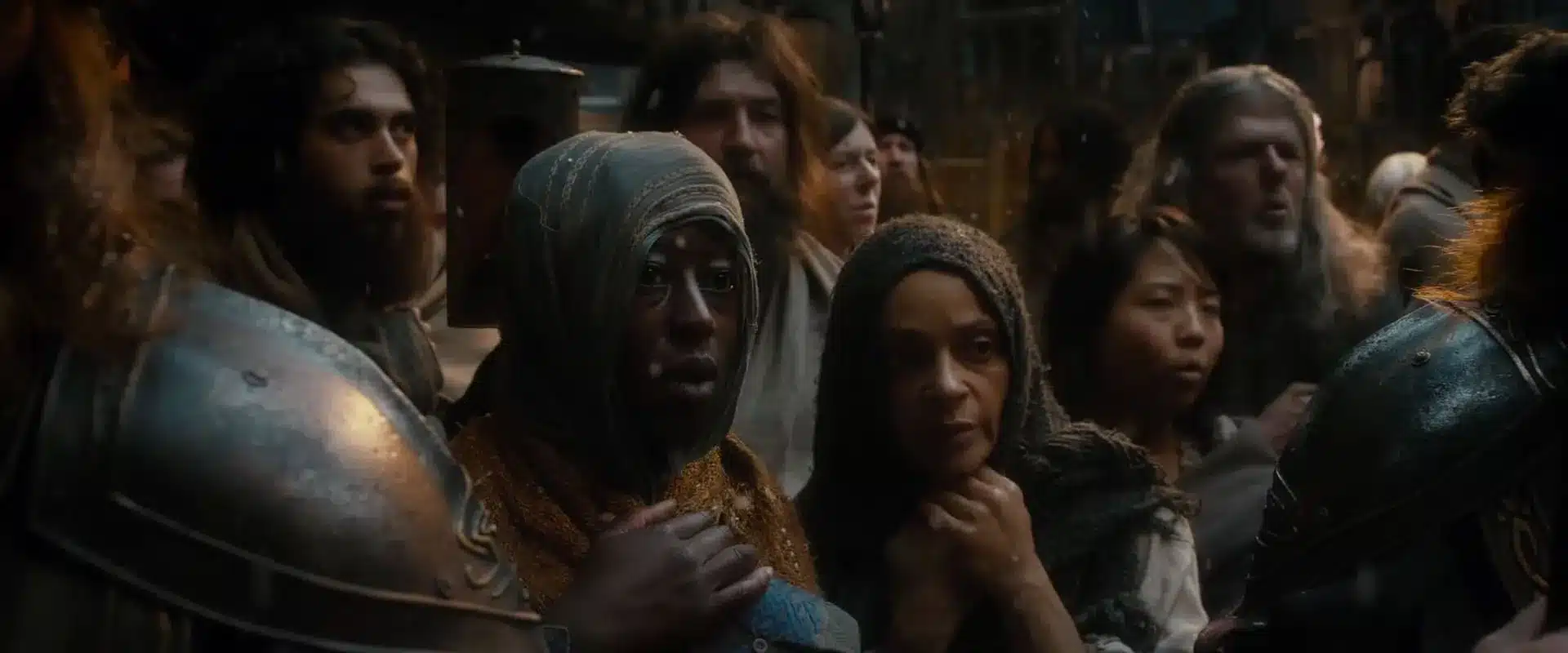
But even if Tolkien had been a virulent bigot like H.P. Lovecraft, would it have mattered? A new Middle-earth story would be no less beholden to that than any modern Lovecraft adaptation would be required to be as racist as he was. Look at how “woke” the James Bond franchise is now compared to Ian Fleming’s books! Similarly, the overwhelming whiteness of the 2001-2003 films, where people of color were only Orcs or evil Men, is not something future projects should aspire to: even producer Peter Jackson was apparently aware of that when he directed The Hobbit trilogy, populating Lake-town with Black, Asian, and Pacific Islander extras.
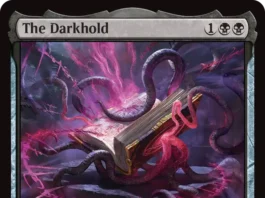
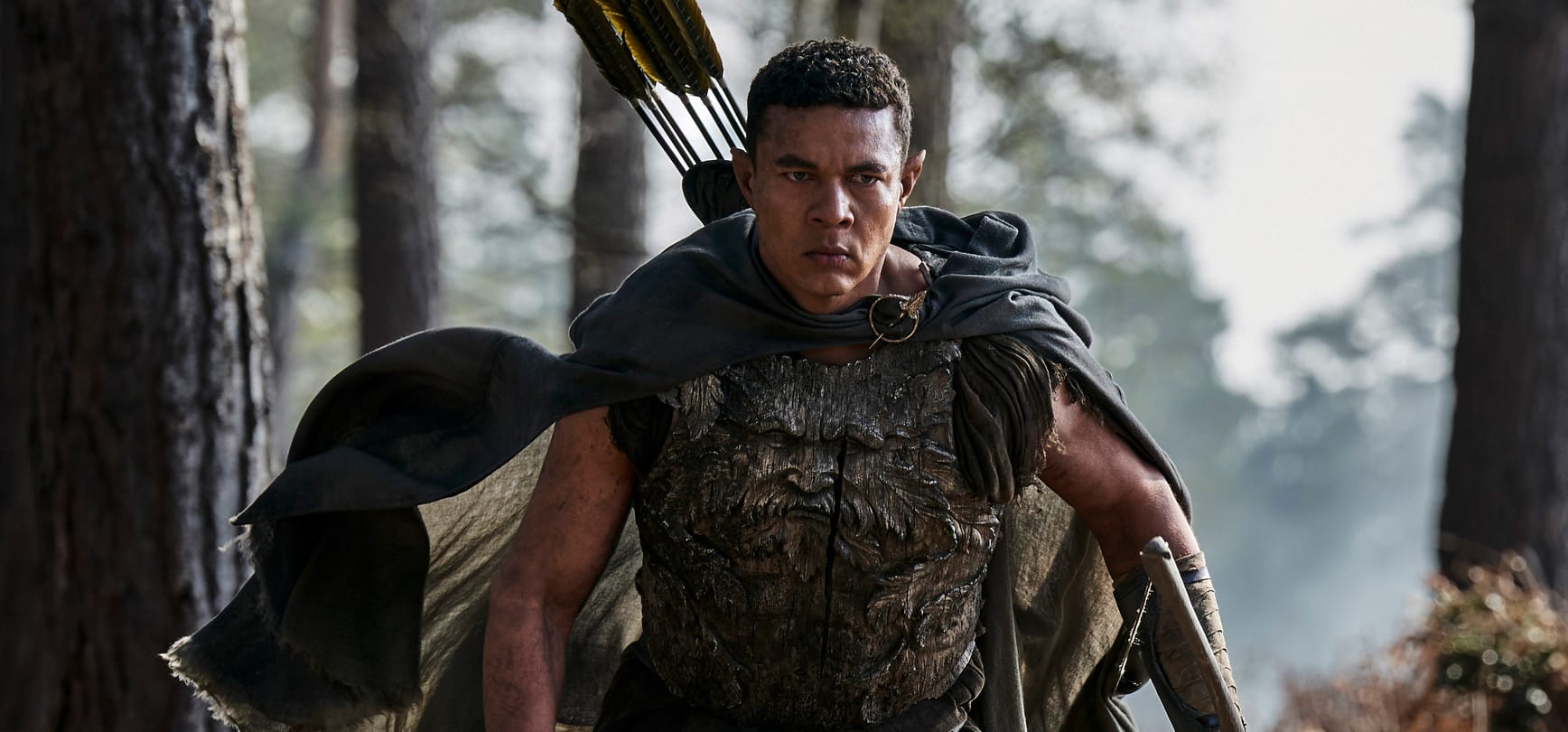
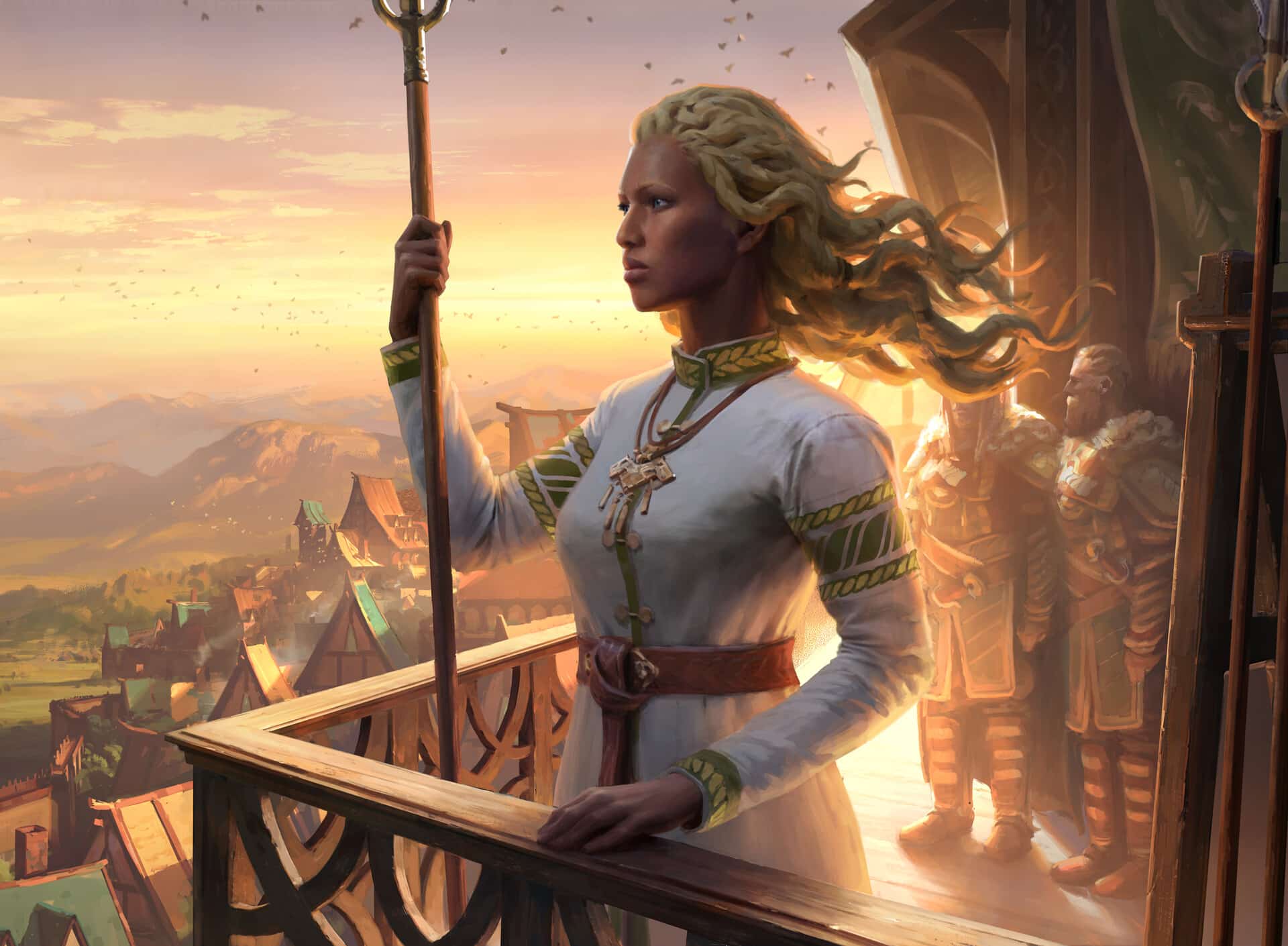
After years growing up wondering if there were others like me in Middle-earth, those cameos were a pleasant surprise, and it helped open the gates for more diversity in subsequent projects and other fantasy series, like the addition of Baranor (Ike Amadi), the Black Gondorian captain in Shadow of War, who headlined his own DLC; numerous lead characters in The Rings of Power, including canonical figures Queen-Regent Miriel (Cynthia Addai-Robinson), Durin IV’s wife Disa (Sophia Nomvete), and Isildur’s future wife Estrid (Nia Towle); and the race-bending of characters like Aragorn on Magic: The Gathering’s card art.
But as is often the case with Middle-earth, there was evil on the horizon, and some of the responses to the show’s casting were so odious that even The Atlantic columnist Adam Serwer, who does not typically write about pop culture, felt compelled to write a riposte. It’s only natural Serkis and his team don’t want to deal with Elon Musk et al. attacking them about colorblind casting, but describing the practice as box-ticking and casting for the sake of it is insulting, culturally illiterate (how many Shakespeare productions race-and-gender bend?), pandering to the right, and emboldening them to harass and dismiss fans, artists and cosplayers who are creating or welcoming a more inclusive Middle-earth.
What’s worse is that because of the way Tolkien divided up ownership of his world, selling just the film, stage, and merchandising (including games) rights to The Hobbit and The Lord of the Rings before his death, only the films get to have action figures, prop replicas, video games, board games, and so on. The Rings of Power and its more diverse cast doesn’t have that privilege, as it’s made with the TV license from his estate. The movies, which are licensed from what’s now known as Middle-earth Enterprises, do. Whether Serkis likes it or not, he is engaging in gatekeeping about the wider cultural perception of Middle-earth, and who it is for.
One of the kickers is the week Serkis’s comments were published, Christopher Nolan’s The Odyssey was released in theaters, and became as successful as any of his films, despite Musk spearheading a hate campaign against the movie for casting Oscar-winning Kenyan Mexican actress Lupita Nyong’o (who Serkis happened to star with in 2018’s Black Panther) as Helen of Troy.
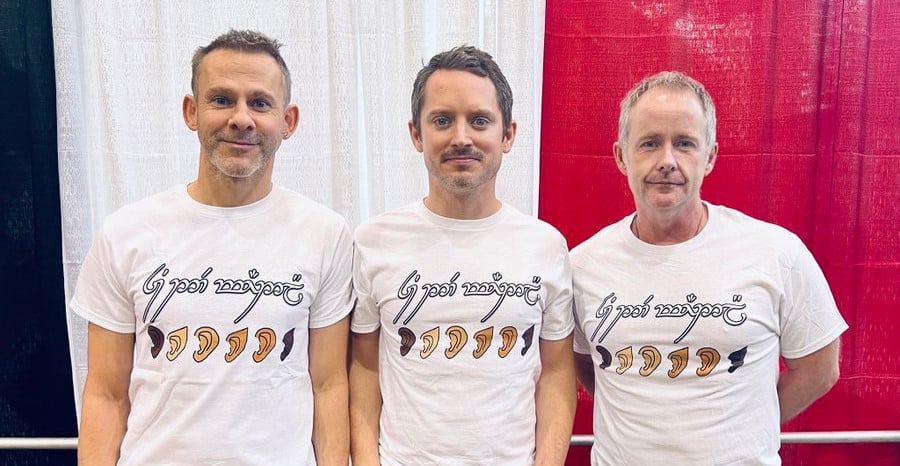
Another irony is that Serkis wouldn’t even be considered white by the worst reactionaries he doesn’t want to upset: his mother and father were respectively British Iraqi and Armenian Iraqi, and he grew up in Baghdad as well as Greater London. Marginalized people pulling up the ladder behind them is sadly common, but all the more disappointing in Serkis’s case, given how his co-stars Elijah Wood, Sean Astin, Dominic Monaghan, and Billy Boyd spoke out in support of The Rings of Power’s cast after seeing the vile racism they received. The fact those actors are all “white” makes Serkis’s comments all the more embarrassing.
It goes to prove how creatively bankrupt the whole enterprise is, making a movie designed to fit into the gaps of another that is turning 25 this year. Yes, Serkis, Jackson, and Warner Bros. need to avoid overlap with the period The Rings of Power is dramatizing, but there’s still thousands of years worth of ideas that can be explored, instead of covering what the 2001-03 trilogy left out of the book.
To cut to the chase: why was 2024’s War of the Rohirrim an anime film instead of Hunt for Gollum? Because its more interesting events were presumably deemed too niche, while Hunt for Gollum can tap into audiences’ nostalgia, despite having to replace Viggo Mortensen as Aragorn. There is a good excuse to revisit and expand on the book’s events, with a more diverse cast, but it’d require having the TV rights, so unfortunately, Jackson et al. and Warner Bros. will continue to scrape the barrel for the movies.
On an admittedly pious note, while it shouldn’t matter what Tolkien thought, he was a devout Catholic who opposed the Nazis and apartheid, and appeasing racist “fans” is far more offensive to his memory than any deviation from the source material could be. To imply your fellow humans can be excluded on the basis of their skin color is already dishonorable, but even worse when it’s for a work derived from one indebted to Tolkien’s lord and savior Jesus of Nazareth. Tolkien was no stranger to prejudice personally either, as his mother, Mabel, was disowned by her family for converting to Catholicism.
In that spirit, I ask Serkis and others working on the film to reconsider what they’re saying. I say to them “‘namárië,” which as Elrond explains on The Rings of Power, does not only mean goodbye, but also, “‘Go towards goodness.’” The Lord of the Rings is all about hope, so likewise, I pray Serkis can make amends before The Hunt for Gollum releases, regardless of what the final film’s merits are. Hollywood loves to sweep these controversies under the carpet, but we deserve to know if Serkis has reflected on his words and how hurtful they were. After all, even Frodo failed before the Ring was destroyed.