


Once upon a time, California bled gold. When the precious metal was discovered at Sutter’s Mill in Coloma, California by the mid-19th century, the 31st state instantly became synonymous with it and everything it alluded to. As is all too common in American history, opportunity led to greed. And with greed came violence. Women and immigrants were amongst those who suffered the most from it.
Lauren Lee Smith’s debut novel The Night Pool sets its horror in the ugliest parts of this time period, exploring the corruption of men and the resilience of women right where it all started, in Coloma, California.
The book follows three women, a blacksmith’s daughter called Clara Tice, a Chinese healer called Mei that looks after a Chinese immigrant camp, and a Nisenan shaman’s granddaughter called Holoke.
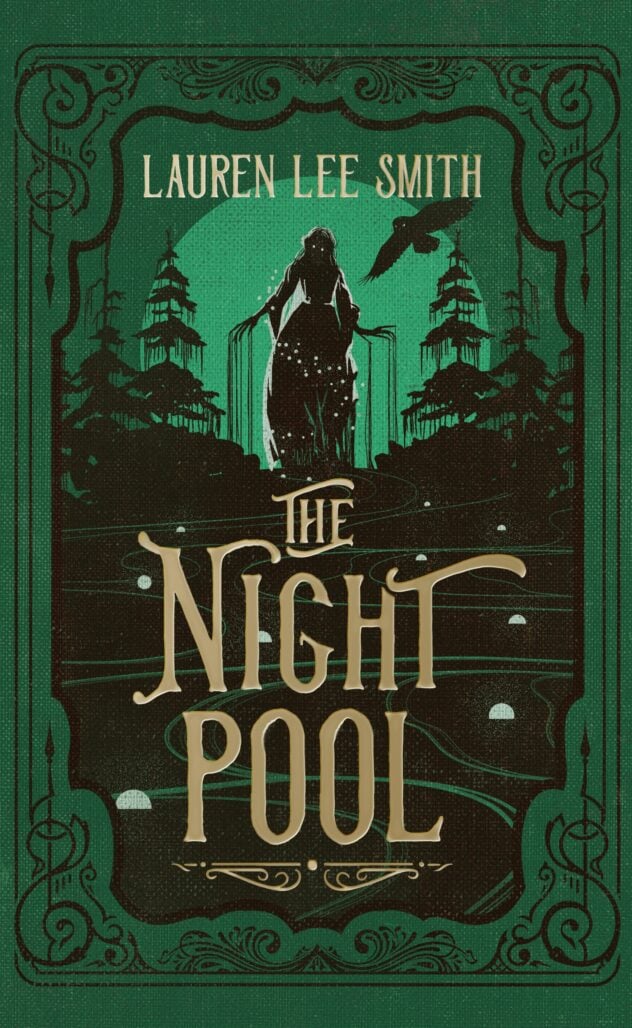
As these women try to survive the cruel realities of mining operations led by men, something dark descends upon their location. It’s leaving heartless corpses in its wake. Tensions shoot sky high, giving the search for answers an urgency that will dictate whether or not the trio will survive the rising unpredictability of angry men.
Lee Smith, who grew up near the epicenter of the California Gold Rush, paints an environment that feels outright hostile to women, as it if were infected by the greed and lust outsiders brought to what was originally Nisenan land. It informs the psyche of the three protagonists whose experiences are explored in the story (with chapters divided among them), imbuing them with a palpable sense of strength and resolve.
I sat down with Lee Smith to talk her debut novel, her movie adaptation aspirations, and how living so close to history helped her visualize the horrors she put on the page.
RICARDO SERRANO: You grew up close to Coloma, the very setting of your novel. What insights did you get from being able to visit the area that you maybe couldn’t have gotten from a history book?
LAUREN LEE SMITH: I definitely think that played a huge role in just coming up with the idea. There’s a feeling you know the place, to an extent. I was born in Placerville, which is kind of a neighboring town. But my house was just a 10-minute drive.
It’s a very rural area. I grew up right on a creek that connected to the American River. I was wandering the hills and spending my days in the water. It was endless hours in that kind of environment. It really helped me capture the location. Hopefully, readers can get a sense of being in the places I mention in the book.

SERRANO: You go lengths making this slice of California feel like a kind of death trap for women, a place that’s inherently hostile towards them. How did you approach this kind of worldbuilding and did you include things that may have been overlooked in other books that deal in Gold Rush history?
LEE SMITH: I feel like it’s pretty easy to do something new in that area because there’s so little that’s been done in it. Even the books that don’t focus on white people still only show men. So, going into the stories of different women, I tried to make sure that I was representing as many viewpoints as possible. I could have even done more, obviously, because there were so many different types of people that came into California when gold was discovered. It’s like everybody came.
That brings with it a kind of danger, especially with people who arrive and immediately think they own the place. Peaceful places can become, like you said, hostile. So I built on that.
I wanted to keep it succinct and make sure I did justice to the voices I settled on, so I didn’t want to do too many. I wanted to make sure that Native American characters made up at least 50% of the story, because they’ve often been relegated to just being props in Westerns. They’re in the background or they’re a side character that is playing a supportive role to the hero. I didn’t want to do that.
I want this to be a movie as well. That is my ultimate goal. I want half the cast to be Indigenous people. The Chinese history is important in Coloma, too. All the little towns in Gold Country had very big Chinese populations. I wanted to account for the people that were there. Not just those in the dominant narratives.
SERRANO: How did your experience as a screenwriter inform your writing process? Anything that you think would be difficult to adapt into a movie script were it go that route?
LEE SMITH: I think that’s probably why the book goes from scene to scene like in a movie. I write by visualizing the action play out as if by real people. It has to make sense within those parameters. I wrote the screenplay for it already with a producer, so hope hopefully that can happen someday.
When you write a screenplay, it has to be really short. Like eighty pages or so. I’m long-winded, so it was hard cutting anything from the book. I think this is why most authors don’t adapt their own work. They don’t want to lose anything, and so on. Still, I’m hopeful we’ll get this off the ground.
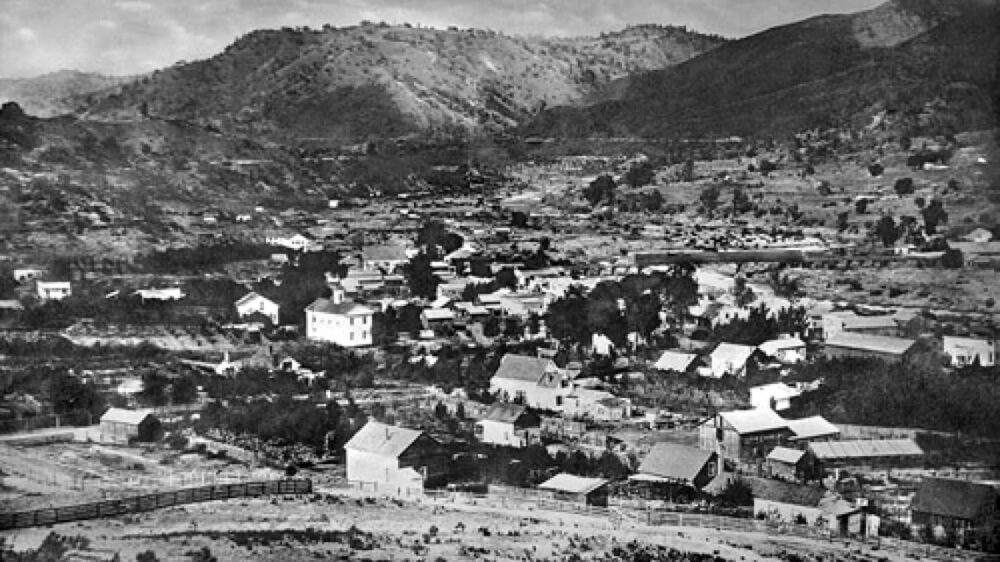
SERRANO: Given the meticulous research that went into The Night Pool, are there other historical periods you have an eye on for future novels? I know you’re working on a vampire book, a monster that lends itself well to historical fiction.
LEE SMITH: That book’s set in the Mojave Desert, so I kind of veered south because I live there right now. I’m using the silver mining environment down there as inspiration. Silver was really big in places like Joshua Tree in the Mojave Desert area.
I think it all comes back to the fact I love reading nonfiction. I love reading history books. I know it’s hard to get people interested in straight up history books sometimes. But that’s the cool thing about historical fiction. You create ways to emotionally connect with readers while teaching them a bit about the past in the process.
The Night Pool is set for release on October 25th, 2026.