
The New York Public Library has become an authoritative voice in conversations regarding end-of-year best comics lists. It points to the roles librarians play as stewards of culture. Their very job descriptions include the reading and classification of new books to feature in the library’s collection. This means that librarians are some of the most avid readers of comics around. They clearly know something about the medium.
Putting together a list that accounts for the breadth of narrative diversity in adult comics as highlighted by New York’s own body of librarians poses a different challenge altogether. Comics Committee co-chairs Erik Patton and Lee Lacey were tasked with doing just that, and their work resulted in a list that not only celebrates choice and variation but also one that recognizes that the language of comics is perhaps the richest in any form of storytelling.

The NYPL’s “Best New Comics of 2026 for Adults” list is a masterclass in curation. It’s not interested in antagonizing the mainstream or in trying to be the list for the “cool kids” in comics. It wants to prop up books that might not get the same level of attention in these kinds of discussions simply because they don’t have big publishers or huge marketing budgets behind them.
The list provides a service by reminding readers that the medium is bigger and more complex than we sometimes give it credit for. Lacey and Patton are simply shining some much needed light on books that deserve attention.
The Beat sat down with Lacey and Patton to talk selection process, the place superhero comics hold in best adult comics lists, and the joys of reading graphic novels.
SERRANO: The Best New Comics list is geared towards adults, a group of readers that sometimes plays second fiddle to YA readers. What challenges does the library face in acquiring more adult readers and how do you think this list helps to bring them in?
LEE LACEY: In the creation of our list, we tried to really focus on finding things that have adult appeal, even if they were cataloged as young adult books in some cases. There are many amazing titles targeted towards teens that also have strong adult appeal, if a book or series is really great, I find it doesn’t matter if the spine label says YA.
Part of our deliberation process includes lengthy conversation about the potential for a book to connect with our adult audience, and any YA title that makes the list has had to compete with hundreds of other books and survive the extremely critical eye of our adult comics committee team.
One title that exemplifies this from our list this year is Armaveni by Nadine Takvorian. Though Nadine as main character is a teenager, the story deals with the history of the Armenian genocide, and we found her response to learning the difficult truth of her family’s past to be very mature. Any adult could learn a thing or two from courageous and thoughtful Nadine. The art throughout is absolutely beautiful, and with how deeply moved we all were reading this story, we felt it to be a YA book really worth bringing to the attention of our adult readers.
I’d also like to point to Charity & Sylvia, which is catalogued as YA in our system and would be perfectly appropriate for a teen reader, but most certainly appeals more strongly to adults. I can’t imagine too many teens being so taken by the true 44 year long love story of two adult women in early 19th century Vermont as we were. A slow, gentle book about committing to another for so many years, the passage of time, loss of family, claiming religious identity, and sewing one more damn dress to pay the bills? Count us adults in.
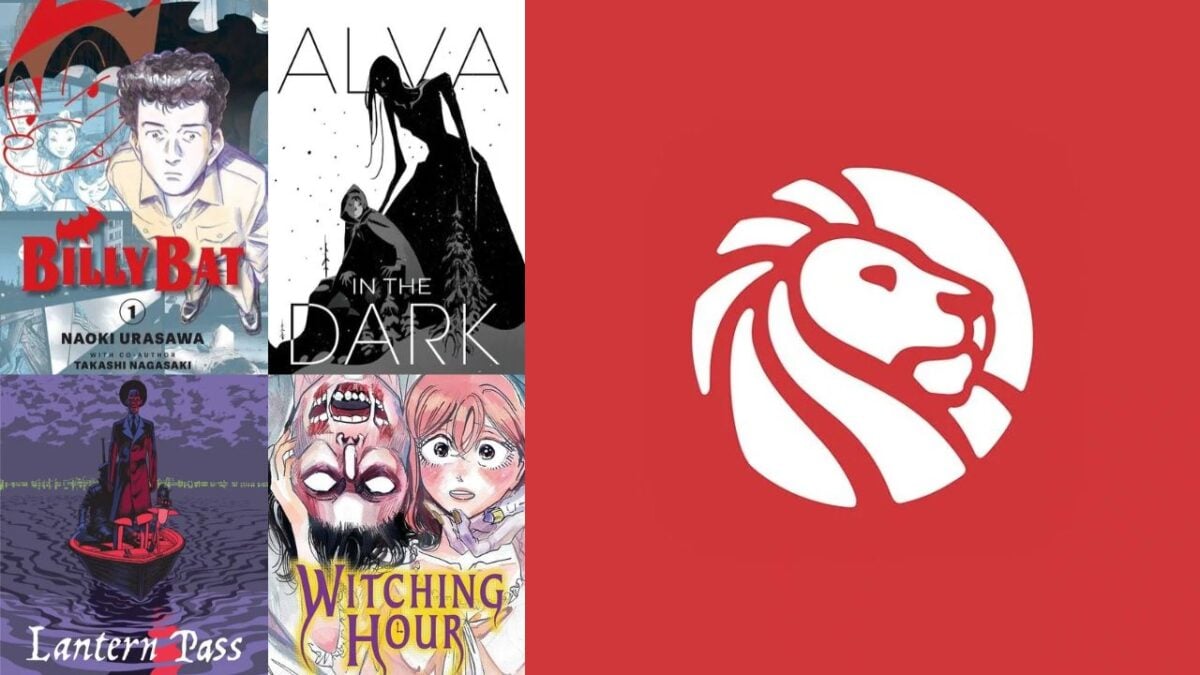
I also love that because this is an adult list, we can celebrate stories that are most certainly for adults only. Our list features everything from the serious and heartbreaking to absolute romps including man eating monsters, drugged up felons, and ghost sex. On this last one, I’ve been counting down the days for the release of Paru Itagaki’s Witching Hour, which was one of my absolute favorite things I’ve read this year. It combines the ghoulishness of a classic Japanese horror specter with the romance and excitement of exploring a new relationship.
All this is to say that we try to take into account that our adult readers rage from 18-100 (or more!) and may be experiencing all variety of life stages, from coming-of-age and grappling with their identity to coping with the loss of a long term partner. We hope that all of our patrons, whether this is their first comic or thousandth, can find something that speaks to them on this list.
ERIK PATTON: There are still adults with so many preconceptions about what comics are and who they’re for. Every year we try to use this list to remind adults that it’s okay, fun, and rewarding to read comics like memoirs or comics that experiment with form. Comics go places that a lot of adults don’t necessarily think of, and there’s no reason they shouldn’t be reading comics in addition to or instead of “regular books.”
I know librarians are tired of hearing parents telling their kids that comics aren’t real literature. They are. They just happen to have pictures along with the words. And then there’s all the other parts of your brain that you’re using when you look at all these images. It’s a different kind of reading, but it is still reading.
SERRANO: There’s a noticeable lack of superhero and more mainstream comic books on the list. Why do you think that is? Is it a matter of perception or is it simply indicative of reader preferences?
PATTON: We like superheroes. Last year, Absolute Wonder Woman made the list, and that was an excellent title. But we don’t focus on sequels or continuing series for the list. It has to be the first volume in a series or a standalone title. Superhero comics value continuity. That just automatically excludes a lot of titles. But we’re very pro-superhero.
We look for excellence in storytelling, and we rank them and grade them alongside other titles that don’t have nostalgia factors kicking in, or that don’t have built-in audiences.
Sometimes, because the little guy has to fight that much harder to get noticed, they’re doing that much more storytelling. They do that much more lifting and illustration, and they come out on top.
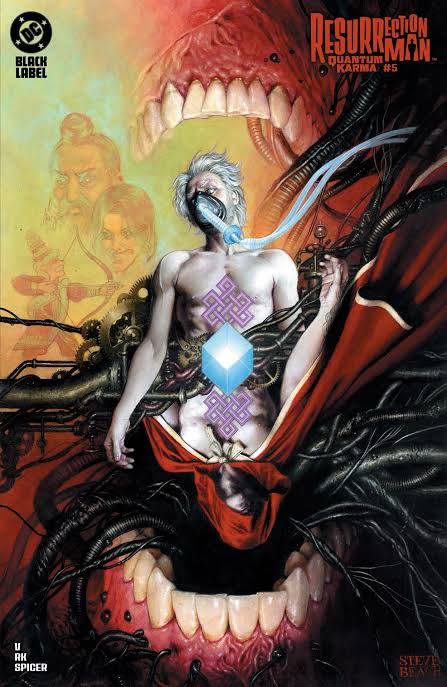
LACEY: One book that we were looking at this year was the new Resurrection Man. I’m not really a superhero comic reader myself, so I’m not super familiar with the universes. Reading it, though, I could follow the story along. But then there were these characters that I really didn’t know that kept me out of having the full experience.
I think that’s why, a lot of times, those big superhero stories just don’t make it into the list. What was so great about Absolute Wonder Woman last year was that it worked as a great entry point into that character. I didn’t know anything about Absolute Wonder Woman and that made it easy to get into. I loved that story. My mom loved that story. Everyone loved that book. It was great. And this year, we just really didn’t find much that qualified to that degree.
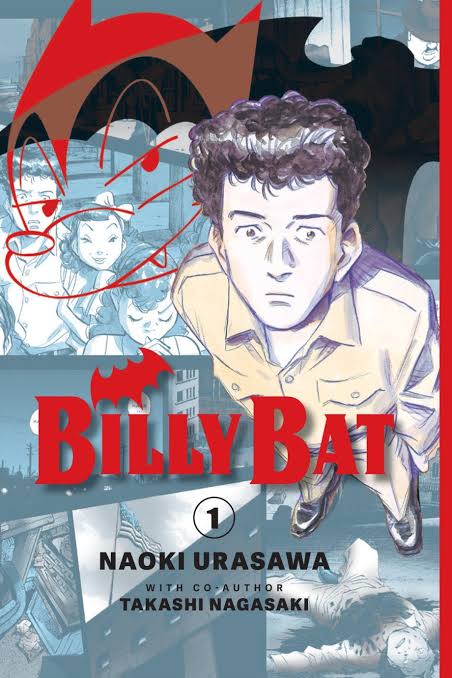
SERRANO: What other roles do you think comics can play in the library? What can reluctant readers find in them?
PATTON: I think the readers that would most benefit the most from comics are those who are dealing with the dilemma of not reading as much as they would like to. These people don’t want to be perceived as non-readers. So, instead of jumping into something that’s fun, they want to go straight to The Odyssey, to take on a “required-reading classic” to elevate their game. They don’t know that taking on something smaller and more modern can be way more effective.
Pictures help with literacy. I didn’t read very much in my 20s, and comics helped me read more. It’s that simple. I read around 100 books to help build this list just this year alone. The pictures helped a lot in the process.
We’re so bombarded with imagery all the time. We have short form media everywhere, and I think comics can help cut through the noise. It’s important people know that. And it’s okay to go from reading five books a year to seven to twelve, and then eventually get to a hundred. But it’s okay to admit you’re not reading as much as you’d like to be, and that you want to read fun books. That’s totally okay.
LACEY: Adaptations of literary works are one way comics can help people who want to get their reading habits back. I’ve been able to bring in new readers to check out this form because stories that we already know and feel comfortable with might make us feel a little bit more comfortable in giving comics a chance.
Memoirs really help, too. Being able to have that kind of relatable first-person narrative experience can be a good entry point for people. I think Maus and Persepolis were both huge because of that. It feels like people can recognize that these books are real work of literature, that something really interesting and special happens when you read them.
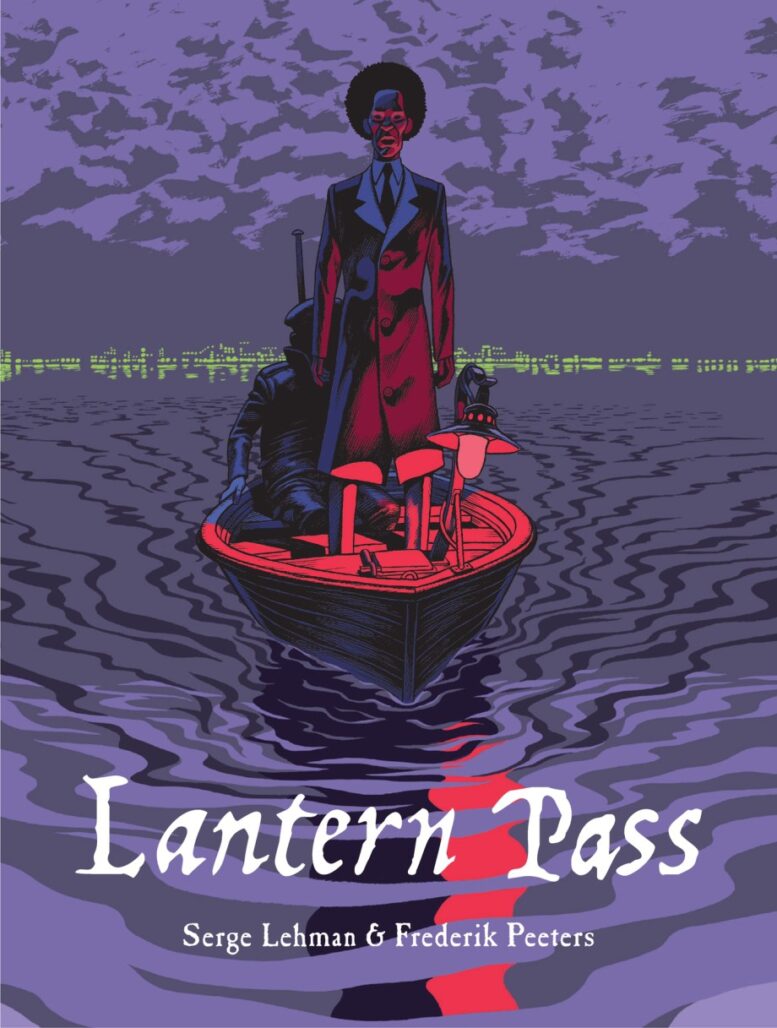
SERRANO: What does the future of comics in libraries look like for you?
PATTON: I think the comics reader needs to feel welcome at the library, and the library needs to meet them there. It has to feel the same as when you go to a comic book store and immediately feel at home. You know the people there are your people. Your eyes are going all over the walls and tables and you just feel like you belong.
LACEY: I totally agree with making the library a space for readers. Comics are the perfect medium for that because people can sit down and read a single volume in one sitting.
I think it’s important that readers know librarians can get books for them. I mean, I can’t have every volume of One Piece on my shelf. But making it so that people really understand we can track down a book we don’t have just for you is crucial. I will go to the ends of the Earth to make sure that you can read the comic that you want to read.