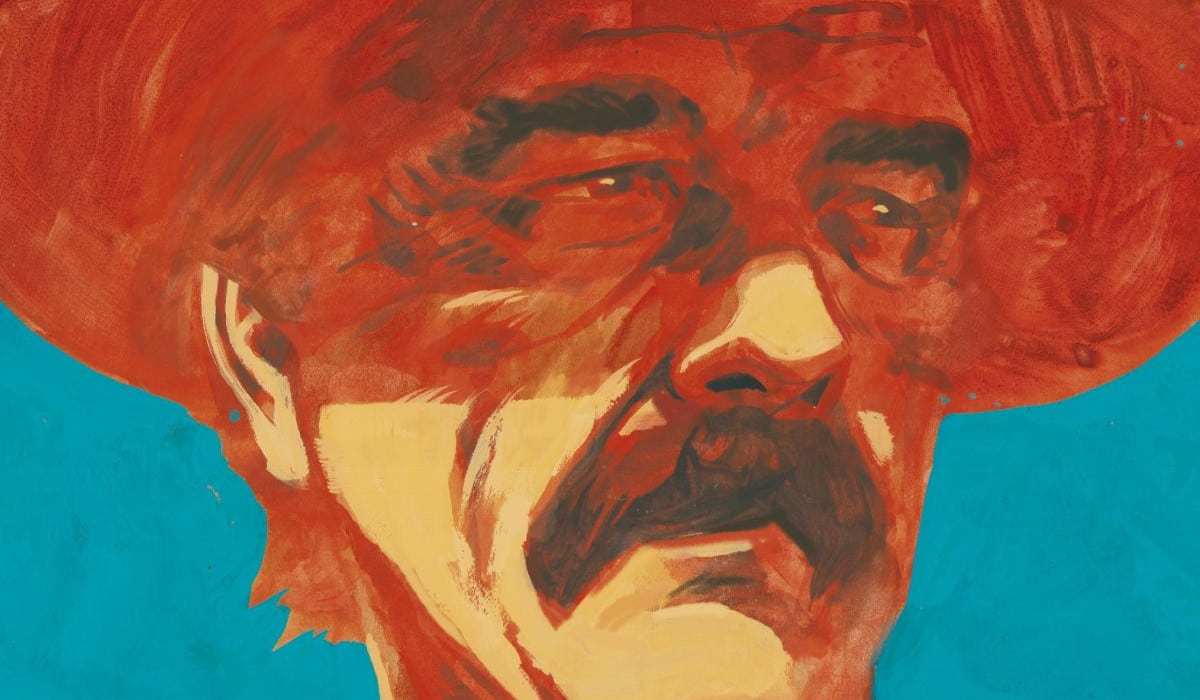

Jacob Phillips is quickly becoming a star, between his ongoing creative collaborations with Chris Condon, his work as colorist alongside Ed Brubaker and Sean Phillips, and an ever-growing library of brilliant comics featuring slick, powerful artwork that brings out the emotional centre of every narrative he works on. A truly brilliant creator, his work only seems to be getting stronger and stronger, with a variety of recent projects that show his strength as an artist. Between the recently concluded Everything Dead and Dying at Image Comics, to the ongoing Peril of the Brutal Dark: An Ezra Cain Mystery over at DC Comics’ newly-resurgent Vertigo imprint, to the much-anticipated release of That Texas Blood: Hell Comes To Allison Ranch at Image Comics, Jacob Phillips is rising to the top of the game. We at The Beat sat down with Phillips to discuss these projects and more, his artistic process, and his goals for the future.
This interview was edited for clarity and brevity.
JARED BIRD: Thank you so much for your time. Kicking things off with your most recently concluded project, how did Everything Dead and Dying come to be?
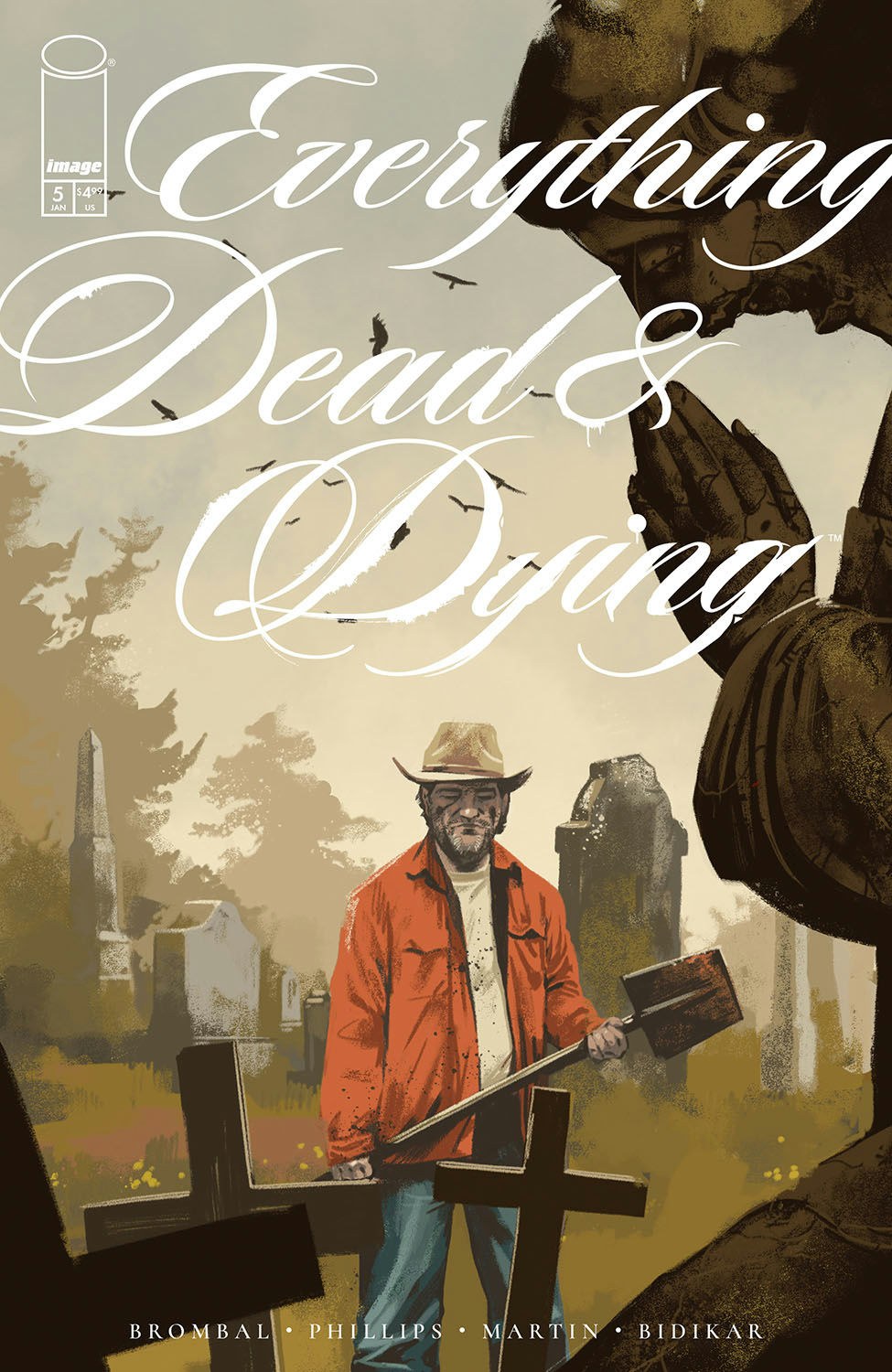
JACOB PHILLIPS: For me, it started when I met Tate Brombal in Toronto at TCAF a couple years ago. I knew him a little online, but we didn’t really know each other at all, and he basically looked after us for the weekend. He’s a Toronto native, so he showed us around, and we just hung out for the whole time we were there. We became quite friendly and kept in touch. Eventually, he got in touch with me and said ‘Oh, I’ve got this idea. Would you be open to working together? Do you have the time?’ I think he just sort of assumed that I was just busy with That Texas Blood and didn’t have time for another book, but he sent me the outline for Everything Dead and Dying, and I was interested. I definitely wanted to do it, which is my favorite way to work. It’s fine being paired up with people by editors but you don’t get that kind of one on one interaction the same way as if you work with someone that you already knew prior to that, or someone Chris Condon, where I didn’t know him before, really, but we’d worked together slightly before starting the comic. We’ve built up that relationship for a long time, and now, you know, we’re friends first and collaborators second. It’s always nice to do it that way around.
I think for Tate it was a much longer process of getting to it. I think he had the idea in lockdown, and it sort of came out of that, the idea of dealing with grief and the ideas that make up the story. I think it had been kicking around his head for a while, trying to think of an artist. I got recommended by a mutual friend of ours to do the artwork. Even then, he admitted he didn’t think of asking me in the first place. That was quite a long time before we actually started working on the book, which meant I had plenty of time to sort of prepare in a way that I hadn’t really done before. Making plans of how the house looks and is laid out, how the town was laid out. I made a map so I could have it all clear in my head when he was going through it, and I didn’t know how much of it would be useful, so I thought I might as well really plan it. I’ve never done that before, and I’ve always kind of regretted not doing it.
I’m working on That Texas Blood at the moment, and I’m sort of redesigning a lot of locations as I go along. Sometimes it’s just little tweaks, and sometimes it ends up looking entirely different, and I’m just hoping people don’t because it looks better now, and because I didn’t take the time to really think about it at the time. When you’re on a monthly book, it’s usually quite a tight deadline. You don’t really have time to design everything as much as maybe you’d like to do, and a lot of it is just what’s on the page. So now I’m trying to fix all those mistakes. I also think I’m better at it now than I was six years ago when I started drawing That Texas Blood.
BIRD: Oh gosh, six years already?.
PHILLIPS: Well, it’s been three years since we had an issue out, which is odd because in my head, The Enfield Gang Massacre is just part of That Texas Blood, and that feels like that was only a year or two ago. It feels like less time than it’s actually been, but it’s been quite a long time since we’ve had any mainline That Texas Blood.
BIRD: It’s interesting that you mentioned being drawn in by the material, because I think that most immediately striking things about Everything Dead and Dying is this very emotionally intimate, somber take on a zombie apocalypse, where it is more focused on the grief and the love lost, as opposed to the kind of bombastic, explosive, action sequences. How did that challenge your creativity?
PHILLIPS: Well, that’s definitely what drew me in. What draws me into most projects that I work on is the human aspect of it, the fact that there’s zombies there too is something else. I’m not too bothered about drawing zombies. I’d much rather do all the other stuff. There’s just zombies there as well. It’s the emotional core of it, which struck me when I first read it, and that’s what carried me through, and hopefully what carries people through the story when they read it as well. I was interested in the sort of dynamics of it all, and the sort of dressing around it could have been anything, you know. There’s certain sort of metaphors and stuff like that that are built into that zombie thing. It wouldn’t be the same without it. You couldn’t just swap it out and have it be like a Kaiju thing. It was such an interesting take on it and it didn’t feel like I’d ever really seen anything like that before. Tate has said before that he didn’t think he would ever write a zombie comic. Then this one came to him, and I think this was his way into it, and I think it’s also my way into that genre as well. I like telling sort of personal, close stories. It was a perfect match for what we both wanted to do.
BIRD: As someone who is a fan of the subgenre, it becomes hard, after a while, to find an inventive take on it. It often feels like everything’s been done, which is why it’s quite funny to me that in the last maybe year or so, we’ve had Everything Dead And Dying, and 28 Years Later, and Keith Rosson’s Fever House duology. There have all been really interesting, exciting new texts on the genre. It hibernates for a long time, and then it comes back swinging every 10 years or so.
PHILLIPS: I’d say rather than finding zombie stories to tell, it’s finding a way to tell new stories. Rather than trying to retrofit the sort of the innards of it, you use it as a perfect way of expressing how you feel through this. I think it going away is probably part of that as well. You’re not sort of overwhelmed with it. That could be the perfect way. No one’s really doing it that way. It’s about finding the genre that fits that idea, rather than trying to bolt on some emotions to a zombie story, you know? It doesn’t help that one of the biggest comics ever is a zombie story, and it went for so long, and they’ve done it all, so it’s hard to imagine a new take on it. If I hadn’t done this, I would have struggled to come up with one myself. You have to wait for that inspiration to strike and then if it fits, it fits.
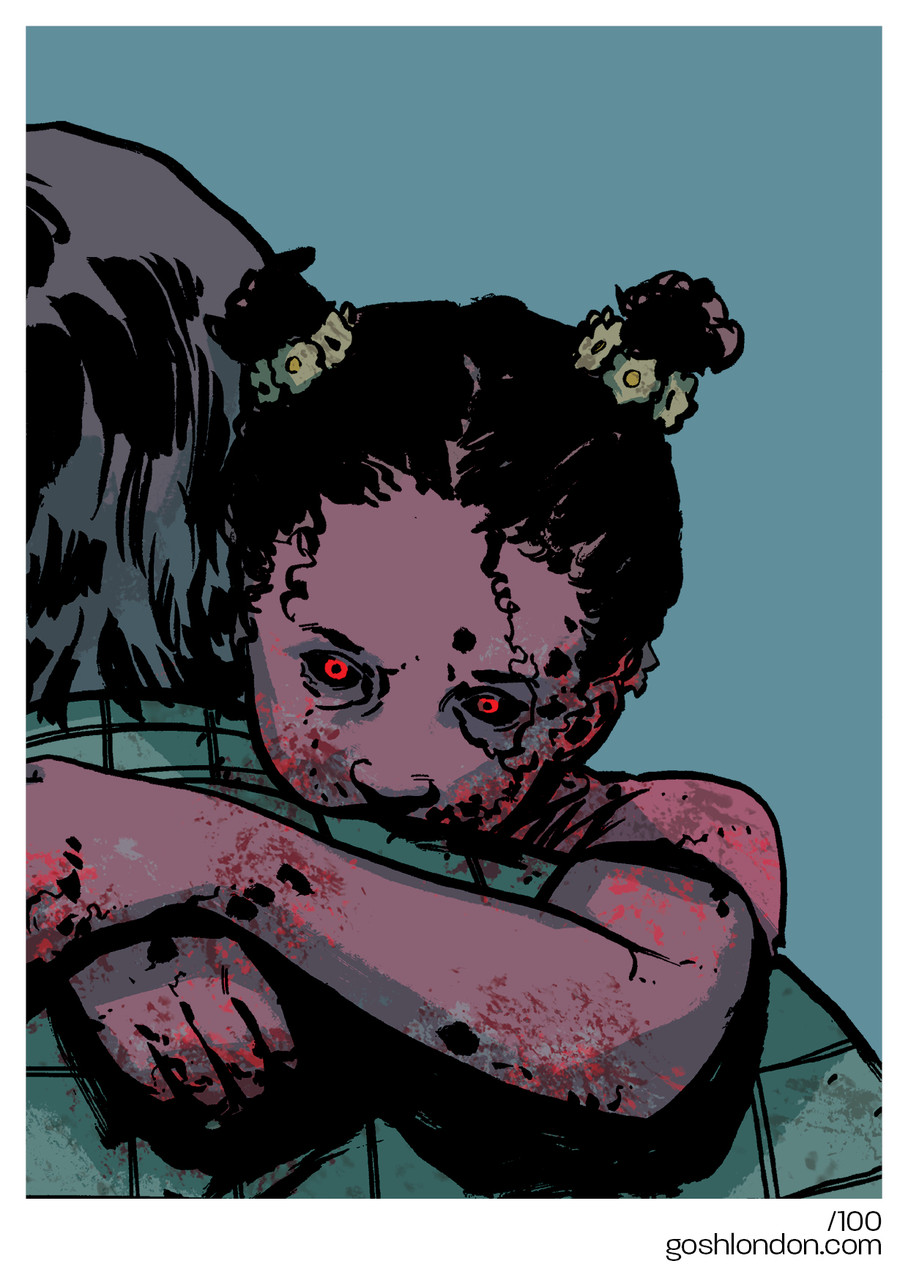
BIRD: You’ve had elements of the horror genre in previous works, but this is very much your first time, exploring it in vivid, gory detail. What was that like for you as an artist?
PHILLIPS: It was pretty fun. I always struggle with any kind of action stuff. I think I’m good at subtle facial cues and stuff like that. Then it comes to trying to compose a dynamic zombie chase or and it’s a whole different skill entirely. It was fun to stretch those muscles a bit more. In terms of gore, I think there’s been quite a bit of that in That Texas Blood already, which has a relatively high level of gory action stuff. It is fun to take it a step further and really play with that. It’s fun but I wouldn’t want to do a book full of it, and I think it’s more impactful because it’s limited to those few moments. Especially like when we get towards the end, and everything’s sort of kicking off a bit. The reason it works is because it’s kind of not unexpected, but it’s not just been, page after page of it, and you need the sort of emotional base to give you a reason to care about in the first place. I am interested to see what I do in the future in terms of whether I can find a way to keep pushing that, but it depends on what the story is asking of me.
BIRD: Everything Dead And Dying really relishes in the tension that it builds. An action sequence can be a couple pages, and it feels very explosive and climactic, because it’s been simmering throughout the whole issue.
PHILLIPS: Tate did a really good job at balancing those levels to it, and making you really care. It’s a weird story, because you kind of want Jack to succeed, even though you know he’s doing the worst thing. You don’t want the others to win, even though they’re probably right. Whether they go about it the right way, is a different issue, I suppose, but it’s a morally complex situation, so you constantly just hope he gets away with it, but he doesn’t.
BIRD: We are trained by our understanding of the genre to think that the zombies need to be killed. So you side with the people who are killing the zombies, not the one who’s keeping them in his house. However, because of the way that the emotional narrative is structured, you end up really rooting for Jack.
PHILLIPS: It’s like watching a David Attenborough documentary. It changes depending on what they’re filming. If you’re watching a hungry lion for days you’re like, I hope this lion gets to eat soon. If you’re following the antelope, it’s like, oh my god, I hope he gets away. The way they construct those narratives completely sway who you who you’re rooting for. Hopefully it resolves itself in a satisfying conclusion.

BIRD: It’s a beautiful ending. How did your kind of creative process with Tate maybe differ to some of your other repeat collaborators?
PHILLIPS: It’s pretty similar. Tate likes phone calls more. I’m so used to dealing with people that are on the other side of the ocean, so a lot of the time I’m sort of working away and they’re asleep, and then I finish and it’s like, midday for them, and I’m already done for the day. It’s not really a lot of time for an overlap where we can be on the phone, and I’m drawing, so I spend a lot of time talking about what I’m drawing. There was a little bit of that where people have different ways of talking things through and like and trying to figure things out. It’s always interesting, no matter who you’re working with, the different rhythm that you find with people. The only difference is that we had an editor this time, Eric Harburn, from Tiny Onion, and he was another eyelid on that book. We had a third person to bounce ideas off and to intermediate, which is quite interesting, because I’ve only had that once before with Newburn.
Mostly I’m in my room drawing, and he’s in his room writing, and we have to trust that the other person just gets on with what it is they’re good at. It was largely the same. I think the only difference, like I said before, is having that time to sort of plan things out a bit more. I read the first few pages, and I was drawing them as Tate wrote them, and he still hadn’t figured it out yet. So I penciled the first four pages, and I had to scrap them because they didn’t really work. There’s this sort of dreamy past, and then there’s the current, present day, and then there’s the nightmare coming in as well. It’s three different threads that we have to follow. Trying to make sure they all fit together properly, there was much more of a question about how we actually make this work. How do we make it make any sense? It was interesting and it required much more of a back and forth than what I’m used to.
BIRD: Shifting gears a bit to discuss Peril of the Brutal Dark, what’s it been like to be involved in the revival of Vertigo over at DC Comics?
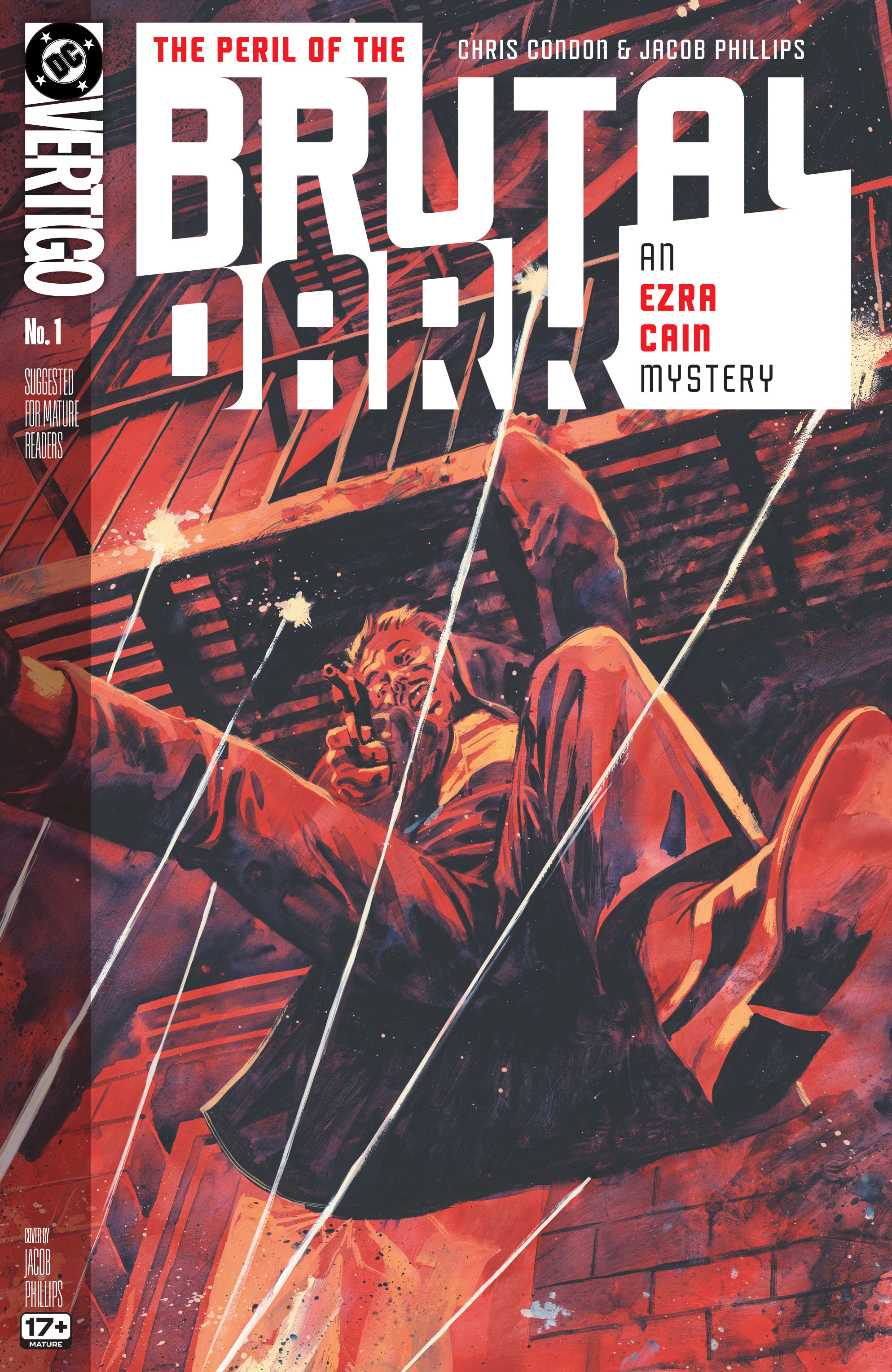
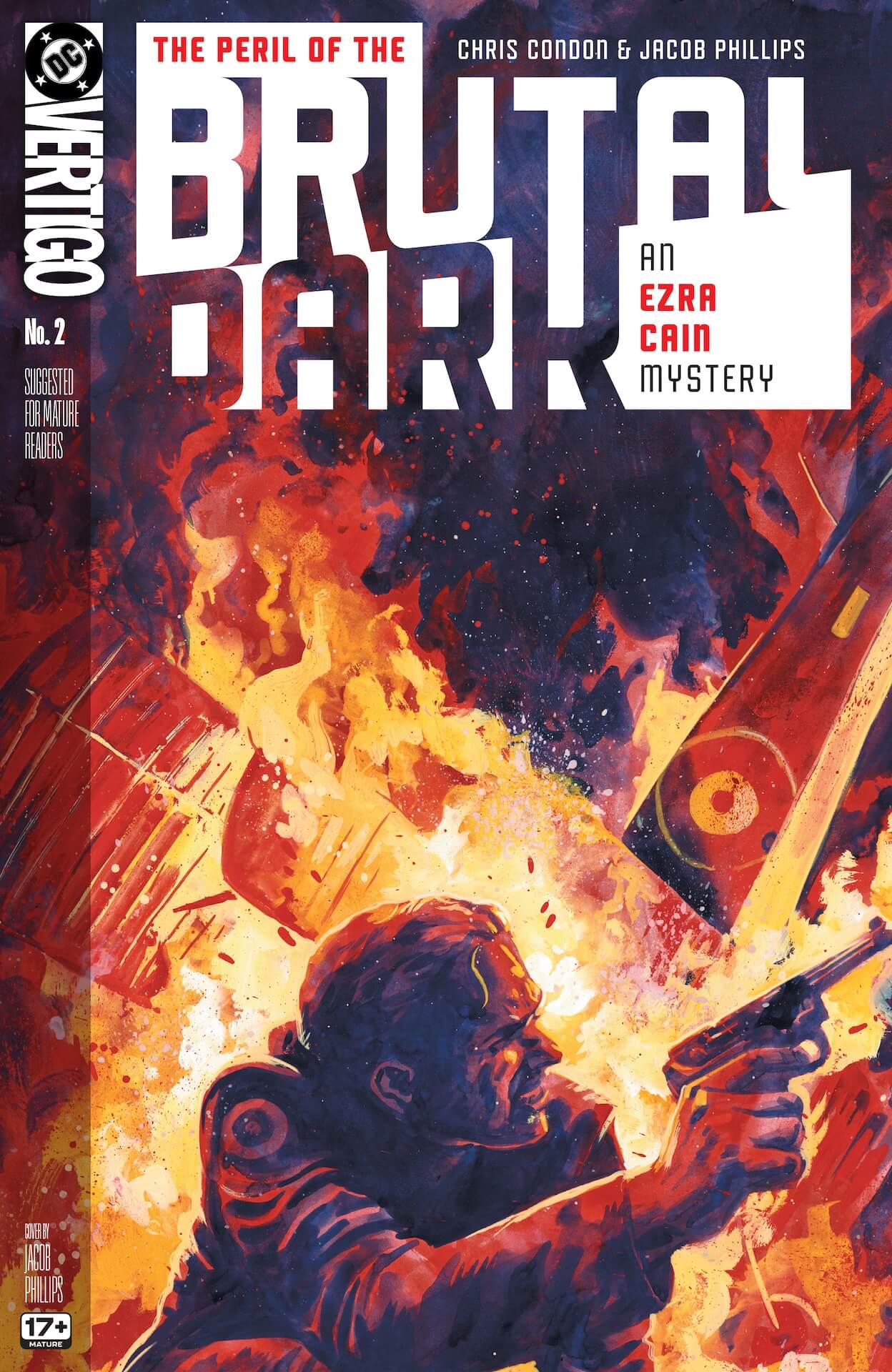
PHILLIPS: Exciting, but it also felt so natural, because it’s still just mainly me and Chris. Only this time, we have this big team behind us, and our editors, Matthew Levine and Chris Conroy. Matt’s been really great, and Chris has let us do whatever we want, which is great. It fully feels like an independent book, but we get to slap a Vertigo logo on it, and we get paid to do it, and we get to have artists make variant covers for us. We have someone else to bat ideas off of, and I think it’s made the book a better one for having them on board. Even just with the covers of the first three issues, I drew them all at first with just ink and then digital color. Then I got a phone call from Matt, who told me ‘I like it when you paint new covers’. So I redid them and painted them, andI think that the covers are much better than they were. It really adds to the sort of pulp fiction vibe of it all, and that wouldn’t have happened if I just had been left to do it, because even if I knew that maybe it would be better, I would have been too lazy to do it, or just not have the time. I would have just left it, and I don’t think it would have been as good.
It’s always nice having someone to push back and tell me or Chris if something isn’t working. He doesn’t want to step on my toes too much, we still have final say, even with this. I got to choose. Everyone else will also think about how it could be better. It’s been great having that team of people and another set of eyes on things. It’s also been great to be part of that line and I think it has got people excited about it as well. Hopefully it’s got people excited about the stories that me and Chris are telling. It’s nice to be part of that sort of legacy of things, but that’s also how it feels having an Image Comics book. It’s nice to have that because I feel like that logo guarantees a certain level of quality. To readers and to shops. I think it feels great to have that sort of, that, that sort of imprinted on the cover, Vertigo or Image.
BIRD: Are there any classic Vertigo books that you guys looked to when you guys knew that you’d be doing this?
PHILLIPS: Not really. I didn’t read that many of them as I grew up. My dad was drawing Hellblazer when I was a kid, so that’s a big one for me, that I always knew. Y: The Last Man was important when I was sort of getting into comics again, at 15 or 16, and then things like Preacher, but I’m not really a die-hard Vertigo guy. Mostly they’re on my shelf ready to read, with every stack of comics I have to read eventually. Chris was much more into it than I was, so he had that level of excitement there. Whereas to me, I knew it was really cool, but I didn’t feel like a fanboy, which also feels terrible to say, because there are so many people that are like that and would love to do this book. I’m always wary of admitting I’m not like that, and it also makes it seem like I don’t care. The ones I’ve read I love, but that’s not many.
BIRD: In my mind, that can be a benefit. For some, the temptation would be to do something that is really reminiscent of classic Vertigo, but because you’re not necessarily super familiar with everything you don’t have that same expectation. You’re not trying to emulate 100 Bullets or Y: The Last Man, you’re just doing your own thing that you’ve had the opportunity to get published at Vertigo, which is obviously how those original creators who started there worked.
PHILLIPS: Yeah, that’s true. I think it alleviates some of that pressure as well. There’s already the pressure of ‘I need to work, this has to be good’. Chris Conroy at Vertigo has put a lot of faith in us to do a job. So there’s already that, and then there’s having to live up to the heights of classic Vertigo, which would be a whole extra level of pressure that I’m not subjecting myself to.
BIRD: You kind of touched upon it earlier, but Peril of The Brutal Dark dives into this pulpy adventure tone, almost akin to something like Indiana Jones, or Stephen Sommers’ The Mummy movies. What were the main creative influences as an artist on the project?
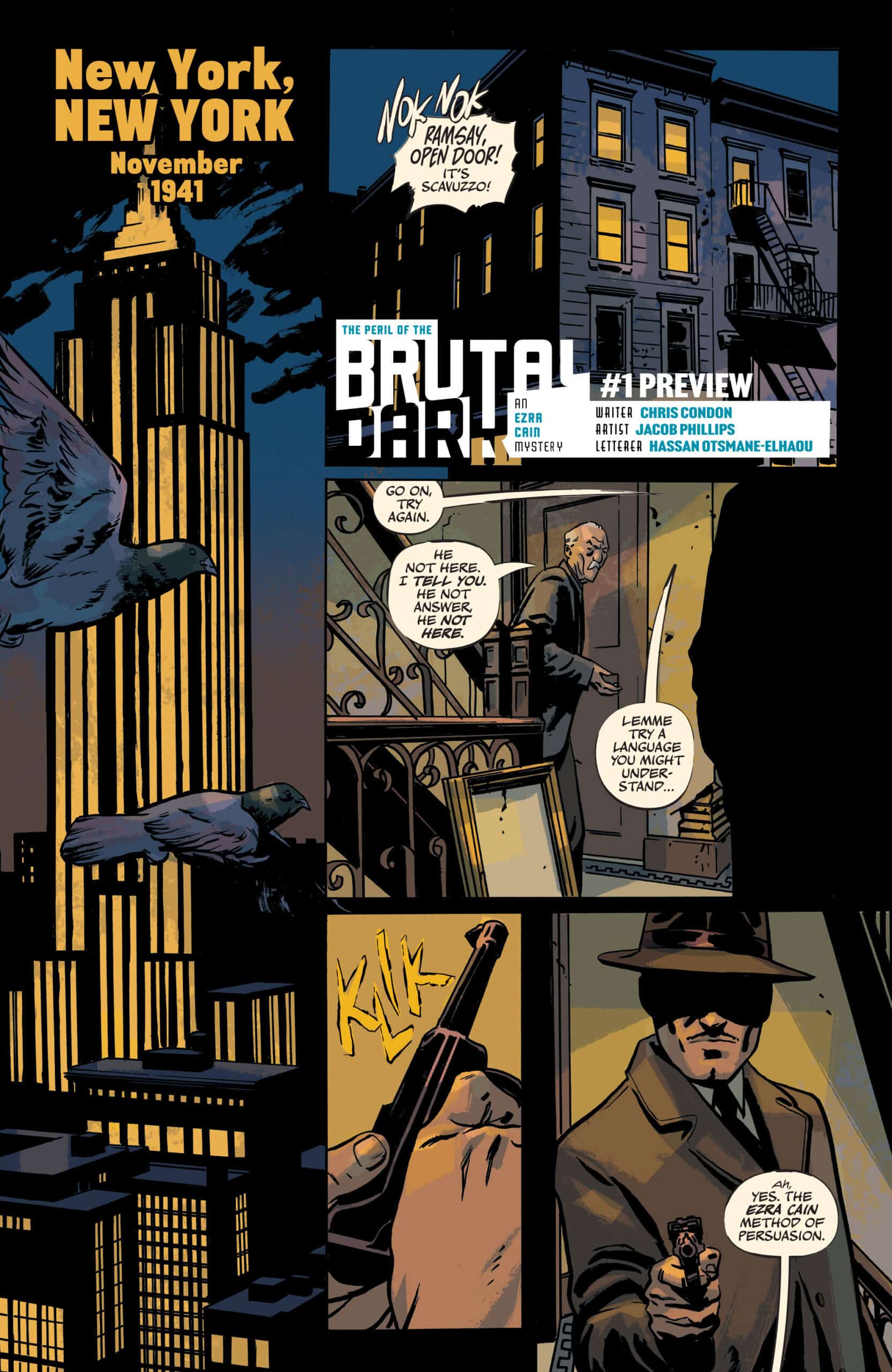
PHILLIPS: Indiana Jones is definitely a big one. In terms of comics, it’s a lot like Hellboy and Lobster Johnson, and then Bravo For Adventure. When I am drawing, especially a new book where I’m still trying to pin down what it is I want to do with it, I often have a stack of maybe five or six books that I’ve got out all the time. They’ll be on my drawing board for inspiration. For this, it was Lobster Johnson and Bravo For Adventure. Then it’s about trying to take things and sort of mash them together, because that was the tone in my head of what this should be. I think particularly Lobster Johnson is that perfect noir / pulp story, but with a sort of supernatural element to it as well. Bravo For Adventure, and Alex Toth’s work in general, has this great plain action, which comes into play later on in our series. In the story that we’ve told, it starts off on the ground level, a small detective thing, and we just get bigger and bigger as it goes on. We had to cover all of our bases and make sure it all works. We’re doing things that are bigger in terms of scale than we’ve ever done before, which I think was also a great thing about being at Vertigo, having this editorial team who could guide us through that, and taking those leaps in what we could do. Having that sort of push to go big and stretch those muscles a little bit.
In terms of films, there’s The Maltese Falcon and similar works to it. I’ve been reading some, like, some Donald Westlake stuff, more so since I started working on the series, because in terms of reading novels, it can put me in the vibe, but it’s not going to help me directly with my work. I love all that sort of stuff, and it was a great opportunity to draw people dressed in 1940s clothing and use my stack of 1940s New York photography books that I could spend days looking at.
BIRD: I remember John Harris Dunning and I saying to you that the 1940s clothes look really good with your style.
PHILLIPS: That’s exactly the stuff that I would love to just draw all the time, so having an excuse to actually draw it is really quite fun.
BIRD: For those who may not be familiar, Ezra Cain actually first popped up some time ago in a webcomic. Did you imagine when you were doing that webcomic project that you would return to it, over half a decade afterwards?
PHILLIPS: Not at all. It was a weird one, because we originally did that webcomic as a way to keep working when lockdown happened and everything shut down. Comics weren’t getting made and we had just gotten the first issue of That Texas Blood done. We had been working on that, and we didn’t even know if it was ever going to come out. We ended up only getting delayed one month, which meant that we had to stop doing Peril of the Brutal Dark. It was on our Patreon, and we did four chapters of six-to-eight pages each, and that basically takes us up to the end of Issue #2 in the current series. We added bits in but the core narrative has been the same. As time went on we realized we couldn’t do these monthly comics, so we ended up doing these illustrated prose chapters where Chris would write it as prose, and I would just do one illustration per chapter. It all petered out slowly, instead of just stopping. I never really thought that this would ever pick up again. We thought about doing it once we’ve wrapped up with That Texas Blood, but it was never like a serious idea. Me and Chris still really wanted to do it.
Chris asked on Twitter about who had the rights to Indiana Jones, saying that we would make a really good book, and he posted a little pitch for it. They never got back to us about it, but Chris Conroy at DC saw it, and was like ‘oh, I obviously can’t offer you Indiana Jones, but if you wanted to do your own take on that kind of story, we’re bringing Vertigo back’. That was a long, long while ago before we actually ended up doing anything with it. So when the opportunity presented itself, we figured, well obviously we’ll do Ezra Cain. Why would we not bring that back? A chance to do it and do it right. I think the character is so great and we’ve got ideas for what we’ll do next with him, another adventure, hopefully next year. So yeah, I didn’t think we’d do it, but it made so much sense as soon as the opportunity came. I think it would have been a shame if we hadn’t ever got to it, but it all worked out in the end.
BIRD: Can we expect to see more of Ezra Cain’s adventures in the future?
PHILLIPS: That’s the plan. Chris has got ideas that he’s working on at the moment, and of course DC would need to approve everything, but I think that’s the plan. With Vertigo, they always wanted to have ongoing series. They didn’t want to just build these miniseries and then another set of miniseries sometime later. They built the whole thing around these ongoing series, but we don’t really work like that. We’ve basically always worked in five or six issue chunks and then gone away and done the next one, coming back sometimes a year later, sometimes three years later. It was perfect for us to be like ‘okay, we’ll do this six issue adventure, then we’ll come back with a new adventure.’ That’s how we sort of built it, so I think we can go on indefinitely, as long as people want it, we can keep going. Hopefully there’ll be plenty more Ezra Cain to come.
BIRD: Ezra Cain visits the ancient city of Atlantis.
PHILLIPS: I would love to do that.
BIRD: Shifting on to the long-awaited return of That Texas Blood, what’s it been like returning to the very first comic you made after such a long time away?
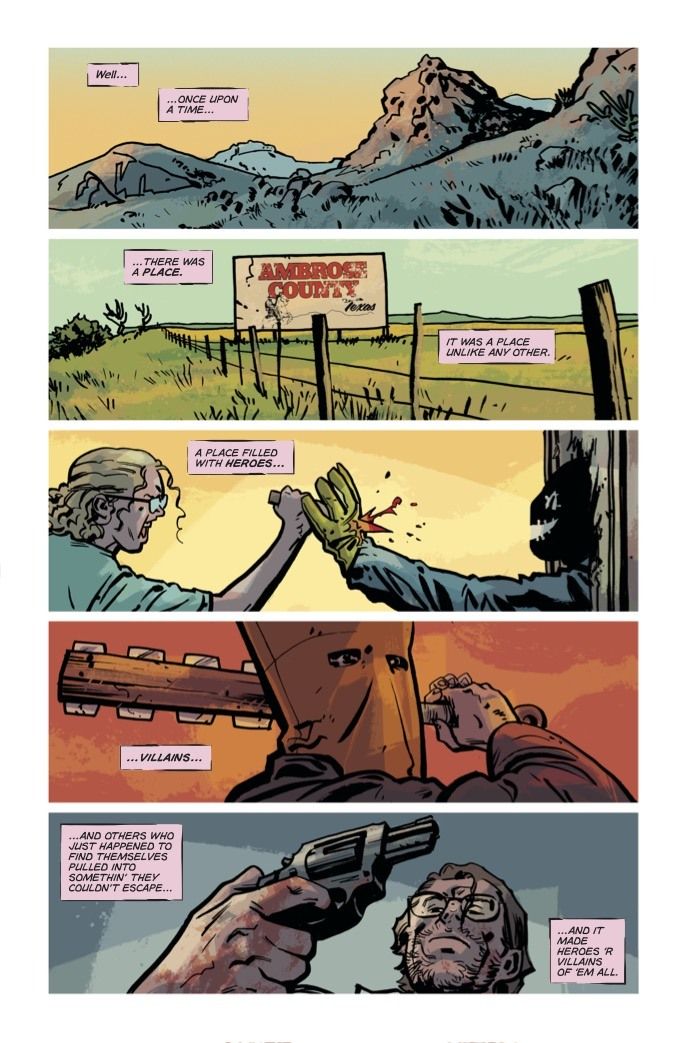
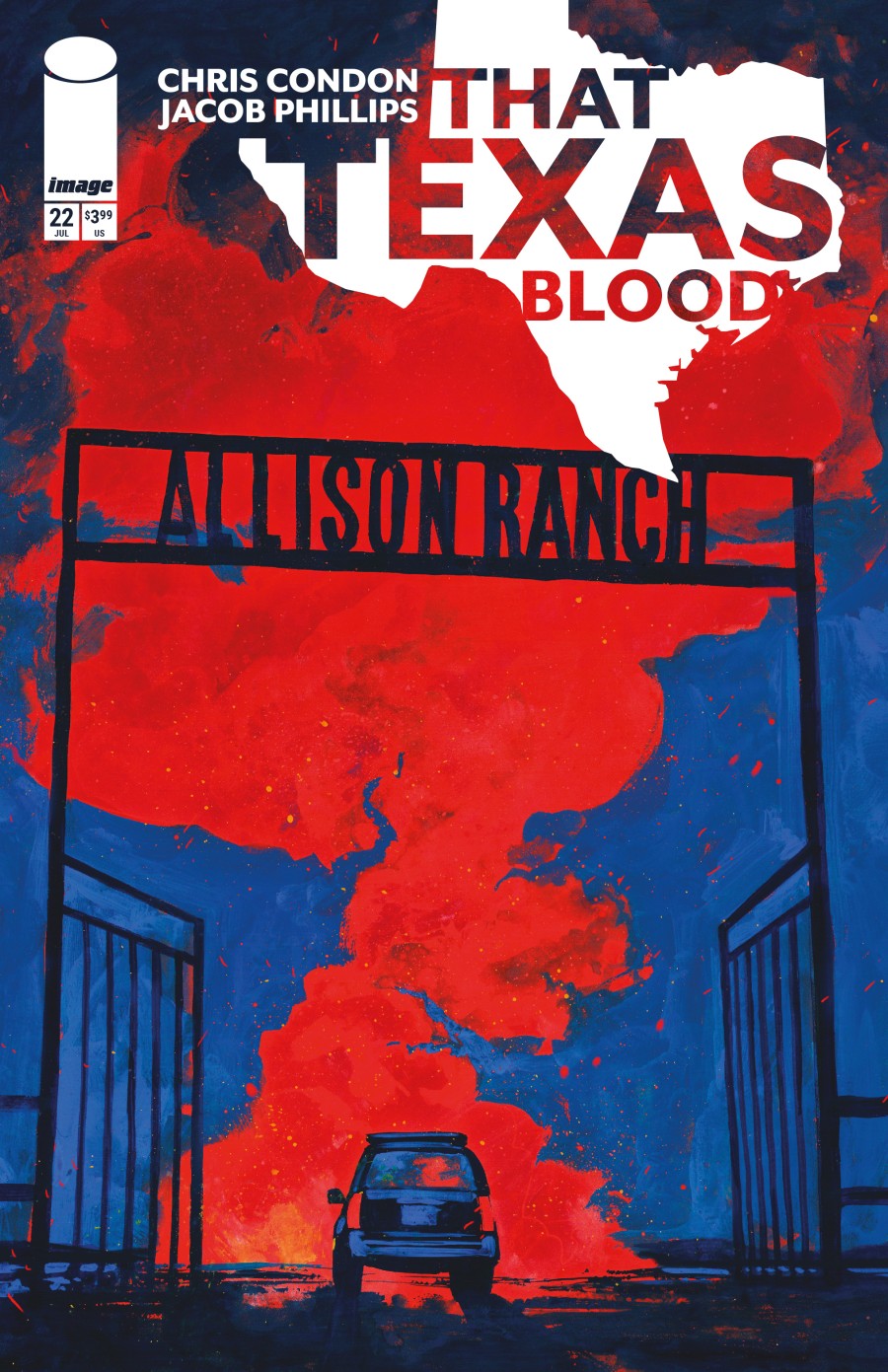
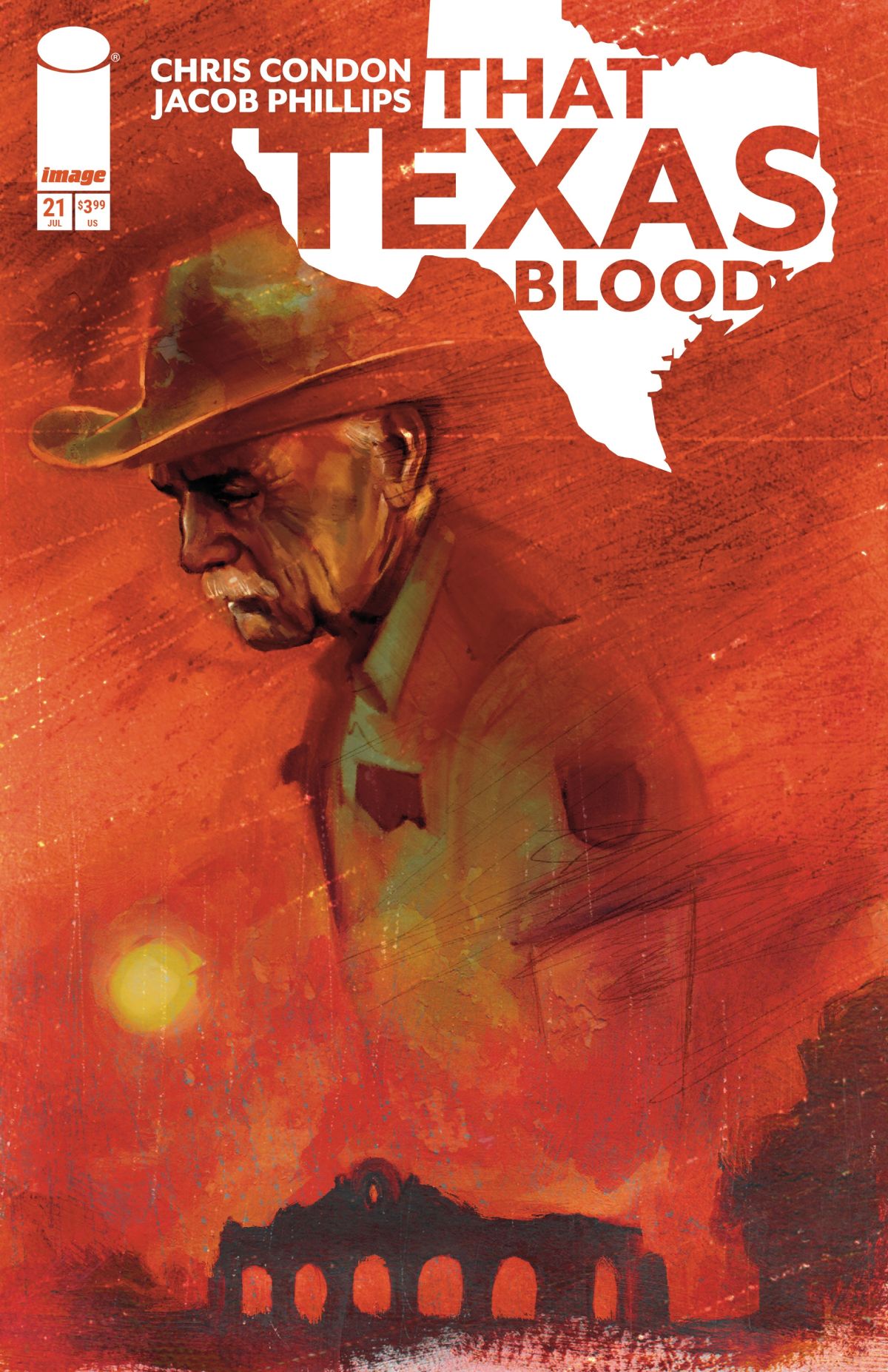
PHILLIPS: It’s been great. It doesn’t feel like any time has passed really, because me and Chris have always been working on something, so it doesn’t feel like we’re coming back to this series after a really long time. At the same time, it feels like coming home to these characters, it feels so familiar. This story is set about 10 years after the last one. It’s 2003 so Joe Bob is a little bit older, but he’s not as old as he was in our first arc, which is a strange way of doing things. The way it feels to me is like when you read Love and Rockets, and you’re watching these characters age. That’s how it feels to me coming back and we’re just picking up wherever we dropped in or left off. It’s like when you have friends you see once every year, or every two years. You drop in, you catch up, and you drop out again. This time around, we’ve got this whole new cast of characters. I think it’s the biggest cast of characters we’ve done in any book, even with, like, The Enfield Gang Massacre. I think we’ve got more going on in this one, so it’s a pretty action-packed arc. It’s been really exciting to work on it, and I’m about halfway through, and I’ve got no idea where it’s going but it’s great. Chris has just outdone himself, as he always does. It’s good to be back.
BIRD: How have you and Chris Condon ensured that your collaborations together don’t ever feel repetitive?
PHILLIPS: I think Chris is just brimming with ideas that he can revolve around this constant. In terms of That Texas Blood, the constant is Joe Bob, and it’s building those adventures in mysteries taking place around him. Chris is really good at picking a time and applying the context of that time to Joe Bob’s life. This one is set against the backdrop of the Iraq Invasion, and the night of the invasion is the night that everything is playing out in this story. It feels more timely than ever, somehow, with the state of things at the moment. He’s got a real knack for picking these times, and for things to happen at times where it makes sense. It does feel like we’re dropping into someone’s life, and everyone’s day-to-day has some degree of repetition to it. Joe Bob still says ‘Well’ every three panels, but we can keep applying that character to an endless stream of situations.
It’s like, how many ghosts can Scooby Doo catch. As long as you’ve got the character there to drive it, I think there’s no kind of limit to what you can do. Hopefully this one feels fresh. I think this one feels different to what we’ve done before. I also think each arc we’ve done has had a separate kind of tone to it. The first one has just a straight crime noir feel to it. The second one got that cult horror vibe within the and then the third ones about a serial killer in the snow. Each one feels quite distinctive, which I think really helps the book. I also like how it can be read that way, as in, where each thing is its own story, and you can just drop in and can read it and it does feel like you’re just dropping in, which is always nice.
BIRD: One of the great appeals of comics is that you don’t have to follow an A to B path. You can change perspectives on a different page, let alone in a different issue, let alone in a different story arc. There’s not really much limit to what you can do. The next arc could be Joe Bob as a young man in the Vietnam War. There’s no restriction there. When you have a character that is so well realized, any situation you place him in, it makes it feel more real, purely because we’re basing around this character who feels very known.
PHILLIPS: I think Chris has got such a knack for character and dialogue, and Joe Bob’s got this charm to him. I think that just takes you through the whole story. These horrific things are going on, but he’s laughing along with Joe Bob, and it feels like hanging out with this 70 year old friend.

BIRD: How does it feel to have your comic adapted into a television series?
PHILLIPS: It feels like an honour! I can’t wait to see what the team come up with. I’ve read a little bit of what they’re cooking up and they have really nailed the vibe of the book. I think all you can really ask for is a team that ‘get’ the book and it seems that Jim Mickle, E.L. Katz and the whole team over at FX seem to not only get it but be genuinely excited about the comic so we’re over the moon. Hopefully this will just help bring more eyes to the book too, which is always nice.
BIRD: Going into a fresh miniseries with a brand new first issue, what do you hope new readers take away That Texas Blood: Hell Comes To Allison Ranch?
Well hopefully we are able to keep going on with what we’ve been doing already, providing exciting and human stories. This is a fresh new miniseries but it’s really more of what we’ve already been doing with Joe Bob and the gang for the last six years. New readers will be able to jump right in with this new run and hopefully be hungry for more afterwards… and they’re in luck, because there’s plenty in our back catalogue to sink their teeth into.
BIRD: We’ve talked about all sorts of different books, genres and fields today, but for you as an artist going forward, is there any kind of style or field that you’d like to explore that you’ve not necessarily had the chance to yet?
PHILLIPS: I don’t know at the moment. I’m just happy with what I do. Like I said at the start, the characters and the emotional core is what really attracts me to a story. Everything else is sort of bolted on after the fact. It’s not in terms of actually crafting the story, but in terms of what I’m interested in. Would it be fun to do like a Sci-fi thing, maybe, but would I want to draw it? Probably not. I would love to do something set in the UK, which would mean either finding a different writer or writing it myself. I would love to do something a bit closer to home, because drawing another country is quite hard. It does feel a little bit like I’m faking it sometimes, because I can watch all the 1940’s films I want, but I’m not American, I’ve never lived in Texas, I’ve never lived in America. It does feel a little bit like you’re faking it and there’s so much stuff I know that I’m drawing wrong, so it would be nice to draw something that felt a little bit closer to me personally. If that will ever happen, I don’t know, maybe, but that’s the only thing. Other than that, I’d love to do something with Tate again, if he’s got another idea that he thinks I would do a good job. I’m just happy working on stuff with my friends.
BIRD: I think we should get you on a Kaiju book and see what happens.
PHILLIPS: I can’t do monsters. I’m not that good at buildings. That’s one thing I like about That Texas Blood, so much of it can just be desert.
BIRD: Have a lovely day.