
Any movie with the word ‘exorcist’ in its title is destined to give a charged first impression. It evokes William Friedkin’s 1973 classic The Exorcist, widely considered to be the scariest movie ever made. It’s certainly what came to mind when I got tickets (courtesy of the Brooklyn Horror Film Festival and the New York Asian Film Festival) to see the Thai horror film Tha Rae: The Exorcist.
A few minutes into the movie, though, made me change course in regards to these expectations. Taweewat Wantha’s possession film is not a distilled, greatest hits-like take on Friedkin’s masterpiece. It shares more with Evil Dead, The Conjuring, and the horror movies of Indonesian director Timo Tjahjanto (May The Devil Take You), in its attempt at a more aggressive and culturally-specific type of folk horror. Now only does it succeed at this, new ground is tread in the process.
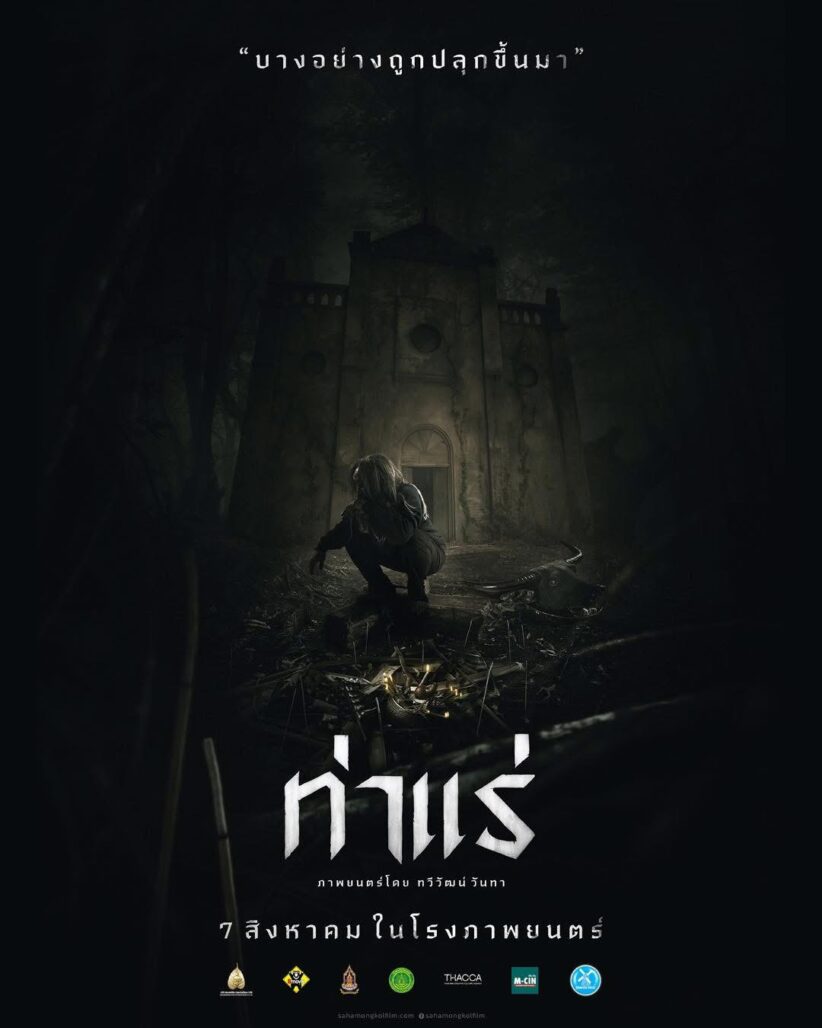
Tha Rae: The Exorcist centers on a catholic priest and an Isan witch doctor that are called to exorcise an old priest called Ming, who’s behavior is linked to demonic/phong possession. A phong is a ghost in northern Thai folklore that emerges from a black magic ritual or incantation gone awry. Ming lives in the titular Tha Rae, which houses Thailand’s biggest and oldest Catholic community. Things gets further complicated when his daughter visits the village once she learns of her father’s condition.
Religion takes center stage in more ways than one here. The catholic priest, Paolo (Jirayu Tangsrisuk), and the witch doctor, Sopha (Phiravich Attachitsataporn), must combine forces to rid the old Ming of the demon or phong that’s taken over his body by falling back on the religious practices each character represents to triumph over the supernatural. This is where the movie finds its identity.
Wantha takes extra care to make sure Tha Rae never turns into a movie about spiritual traditions competing against each other. There’s a bit of that in the earlier parts of the movie, but it’s quickly disposed of to champion the idea that evil requires religious collaboration to drive away rather than a single leading voice claiming to be the superior expression of good.
It’s a fresh approach that makes the demon/phong at the center of the story feel like an even bigger threat. The fact that two religious traditions need to combine to send it back to its realm means there’s a bigger story behind the possession. There’s something sinister peeking out from the corners, and the mysterious forms it takes require some deduction from the audience. Suffice it to say, Ming’s demon/phong gathers power from long-kept secrets and dark memories.
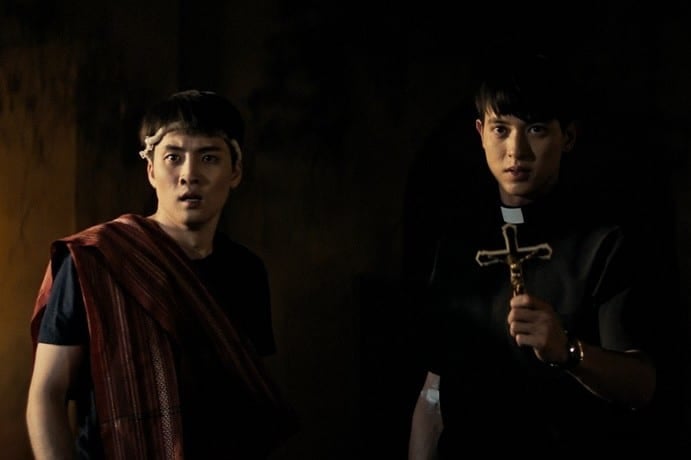
It’s an approach that David Gordon Green’s The Exorcist: Believer tried its hand at but ultimately fell flat on. That movie wanted to take Catholicism’s protagonism away from the exorcism ritual for a more collaborative showing of spirituality in matters regarding possession, but it didn’t take the time to explore the other traditions as well Tha Rae does. It ends up feeling forced and gimmicky. Wantha gives the concept time to grow and to coalesce.
The chemistry behind the performers that play Paolo and Sopha make this religious tag team ring true, heightening the tension that builds up towards the final confrontation. Tangsrisuk and Attachitsataporn dig into the character traits that make their worldviews compatible in a way that feels respectful and appropriate to each character. They offer great commentary on the idea that religion and local customs must never be treated as mutually exclusive. One should first establish a strong correspondence with the other if it ever hopes to earn the trust of a community and its ghosts.
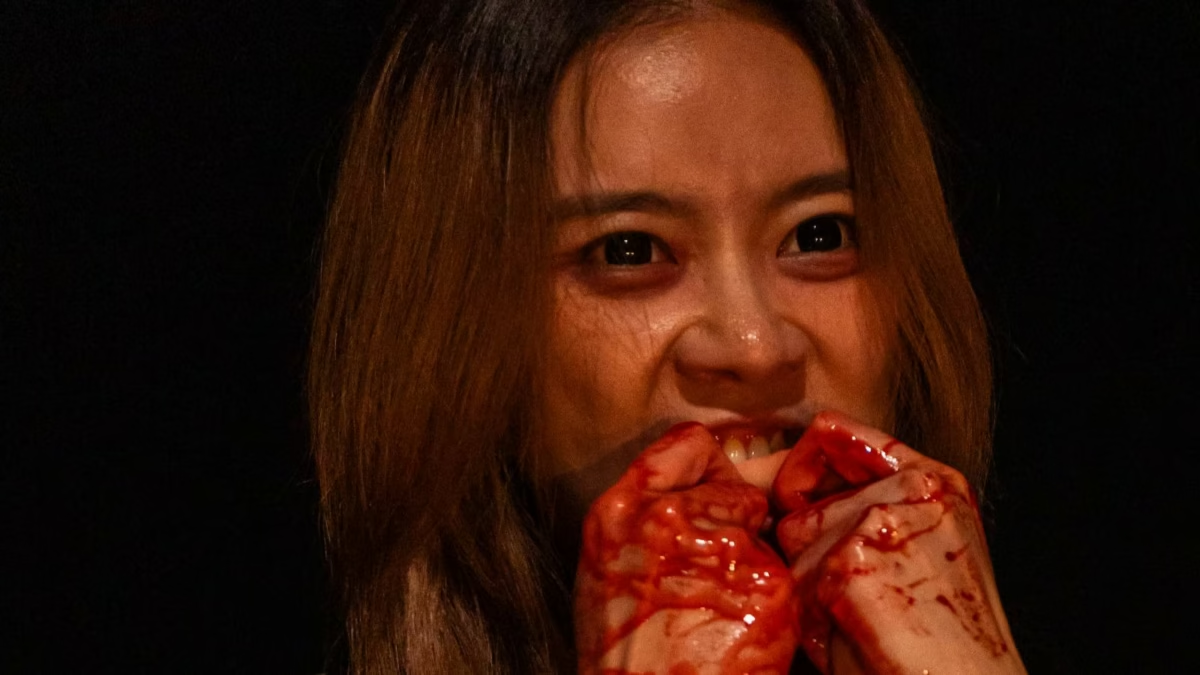
Bolstering this is a nasty set of angry phong and demons that delight in tormenting the people in the village Ming resides in. This is where the movie’s Evil Dead influences come into play. Terrifying visions of phantoms with ripped faces and open bellies with intestines spilling out are plentiful and they enjoy every scream they elicit. It’s all enveloped in a playful sense of the macabre that injects a lot of entertainment into the scarier sequences of the movie, which remind of The Conjuring and May The Devil Take You in its preference to keep things visible for the audience to see.
This extends to the setting. The village and its surroundings look like places where folk tales are simply fact. The people there respect the location’s mystique just about as much as they fear it. Everything speaks to a belief in forces that demand an adherence to ancient rules of conduct to keep the spirits at bay. Religious harmony is the goal to be able to exist in these parts. It is a means of survival that must be recognized by every religion that dares to exert some level of influence within it.
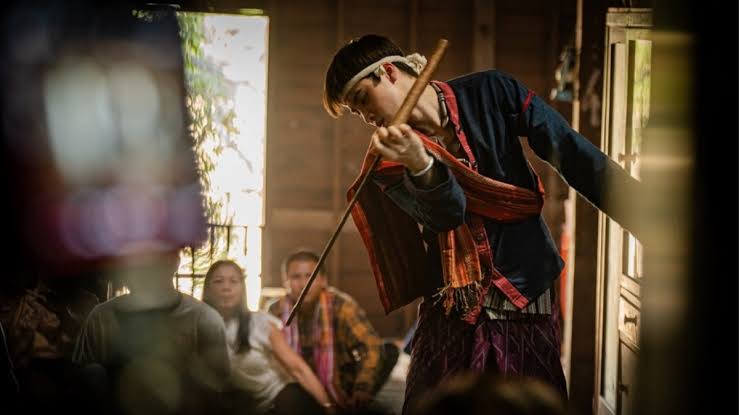
Tha Rae: The Exorcist isn’t just another possession movie. It’s a terrifying exploration of local beliefs and how naïve it is to think that a singular form of religious expression can tame them. It invites thought given the consideration. To think that demons and invading spirits require a much more diverse arsenal of spiritual weapons and rituals to engage with raises the stakes of the terror inflicted upon the characters in the story. It’s a concept well worth further exploration, and one that I hope inspires future sequels to do so.