
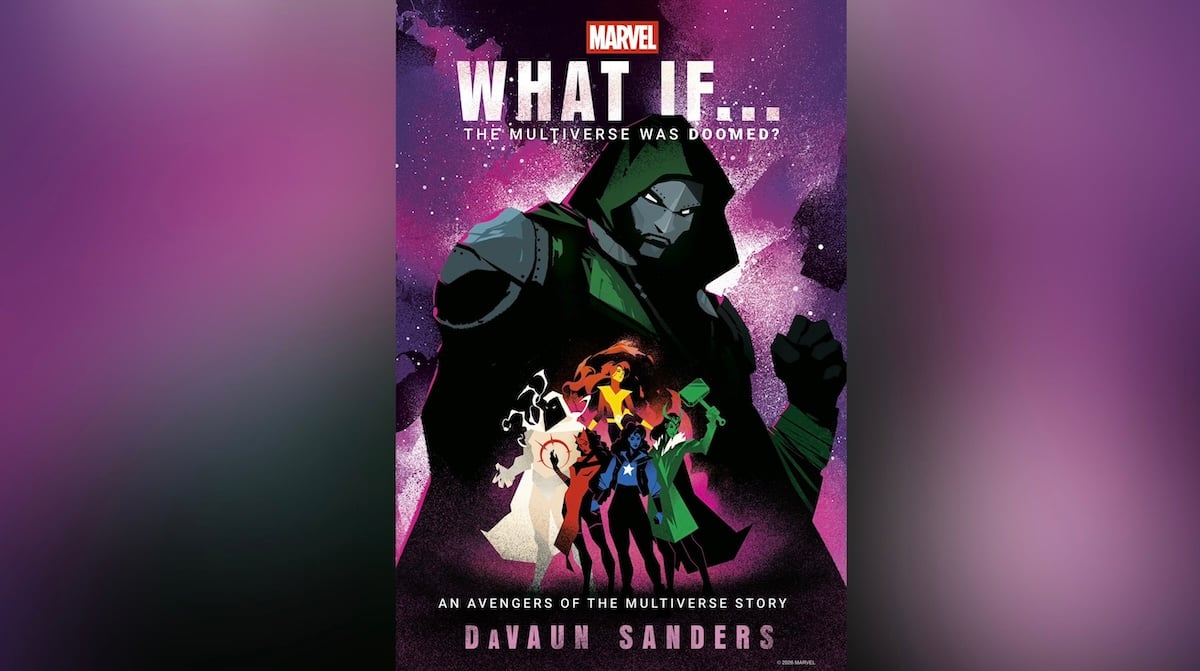

Marvel: What If… The Multiverse Was Doomed?
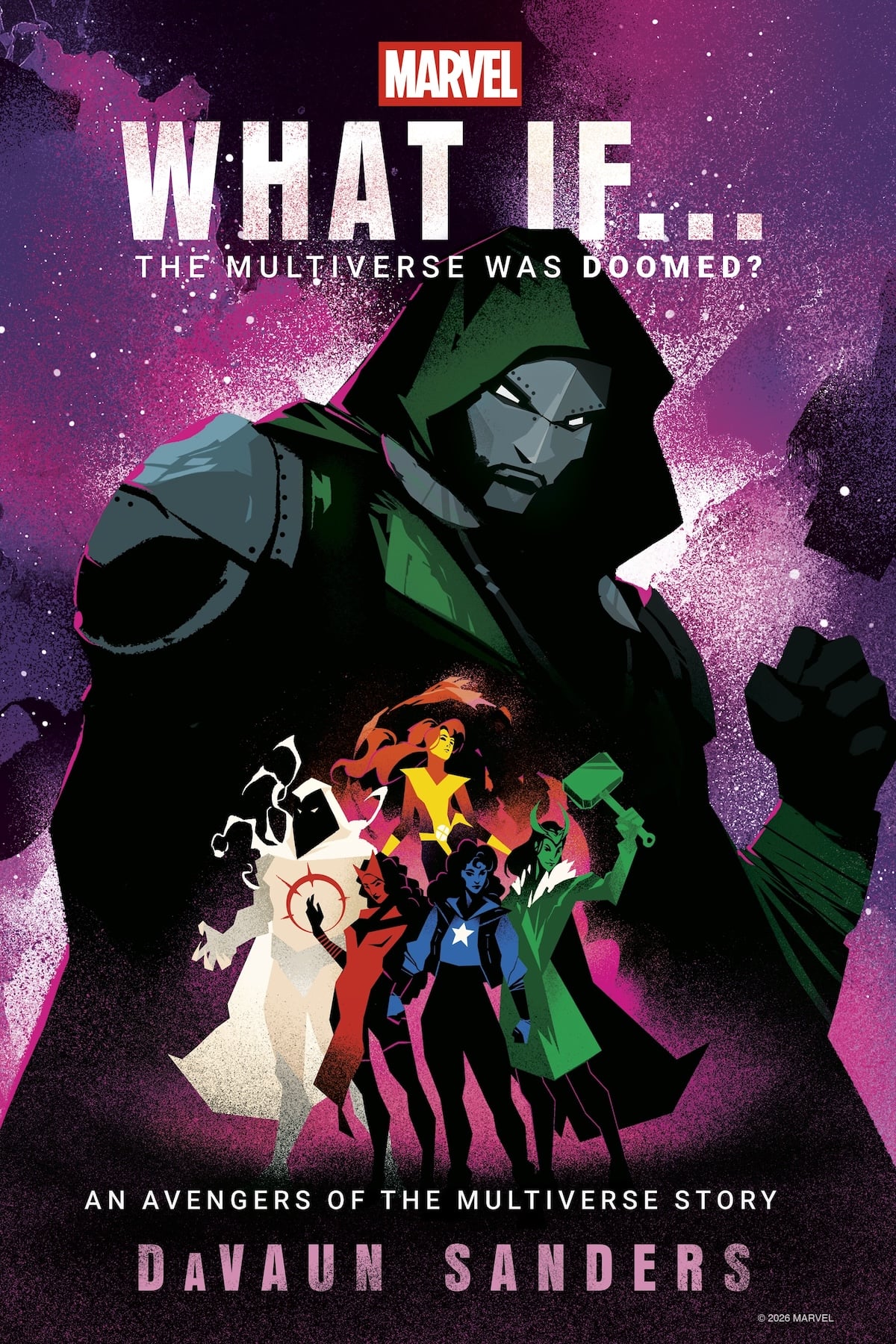 Written by: DaVaun Sanders
Title Page Art by: Ben Harvey
Book Design by: Edwin A. Vazquez
Published by: Random House Worlds
In the fifth and final novel in the prose series, Marvel: What If… The Multiverse Was Doomed? by DaVaun Sanders, the heroes (and villain) from the preceding four volumes come together for a climactic showdown.
The series has borrowed from Marvel Comics and the Marvel Cinematic Universe alike, but not too heavily – and as a result, it has been both thrilling as a fan without ever feeling repetitive. What If… The Multiverse Was Doomed? is no exception, providing a fulfilling, scintillating and (dare I say) worthy conclusion to the excellent superhero prose series.
The Marvel: What If…? Series Recap
Before we focus on What If… The Multiverse Was Doomed?, let’s consider the series as a whole. Previously, I reviewed the second and third books for the dearly defunct website Geek Girl Authority – you may (or may not) be still be able to find those on the Wayback Machine. And while I will not specifically review the first four books in the series for this review, I do think it’s worth looking back at the series as a whole.
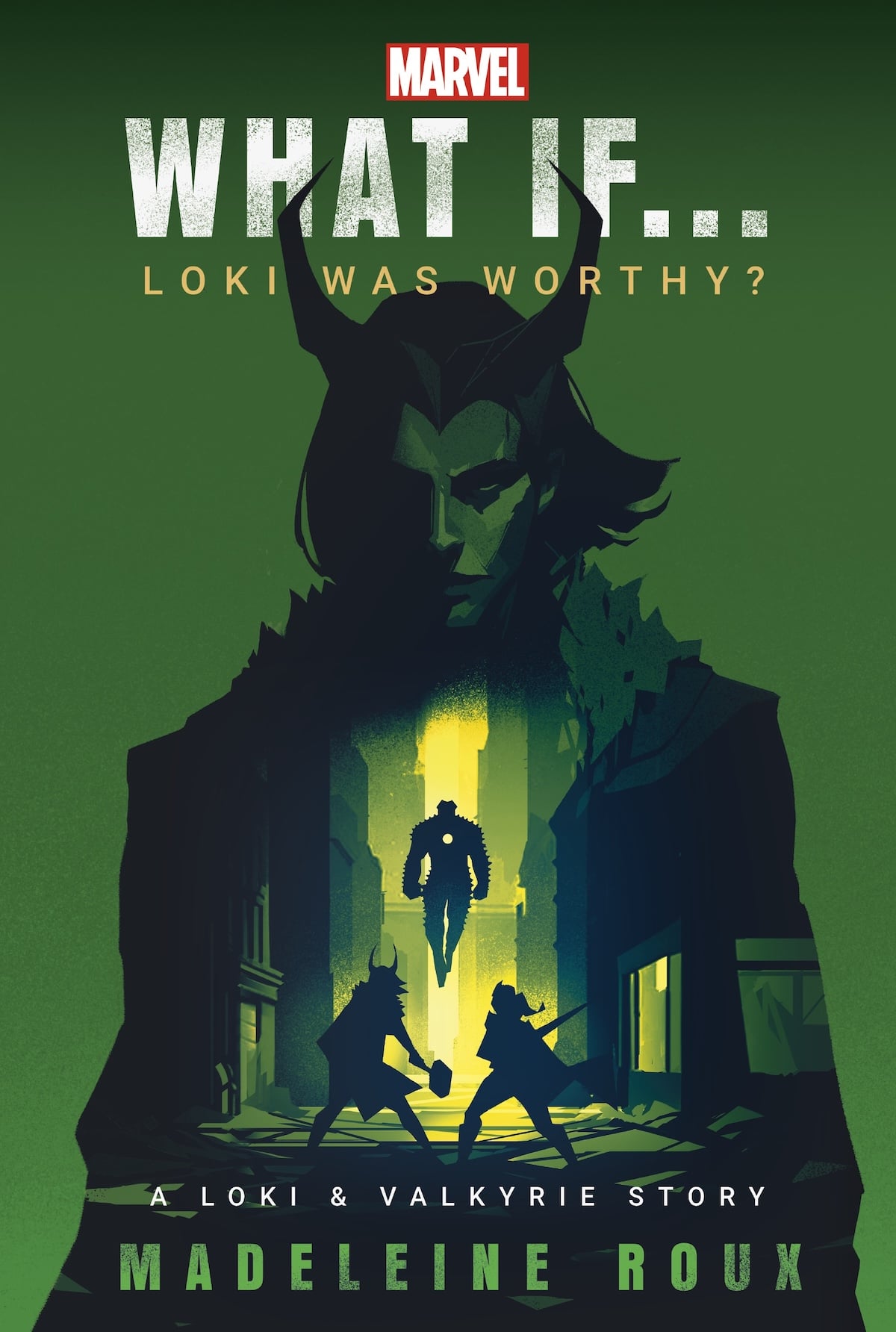
As suggested by the title, this What If…? series used Marvel’s What If…? alternate timeline framework as a launch point for original stories set across the multiverse. For example, in the first book, Marvel: What If… Loki Was Worthy? by Madeleine Roux, we gained access to a timeline in which Loki played a part in the untimely death of his brother Thor. Each of the five books in the series followed a different What If…? scenario, and each of the novels was written by a different author.
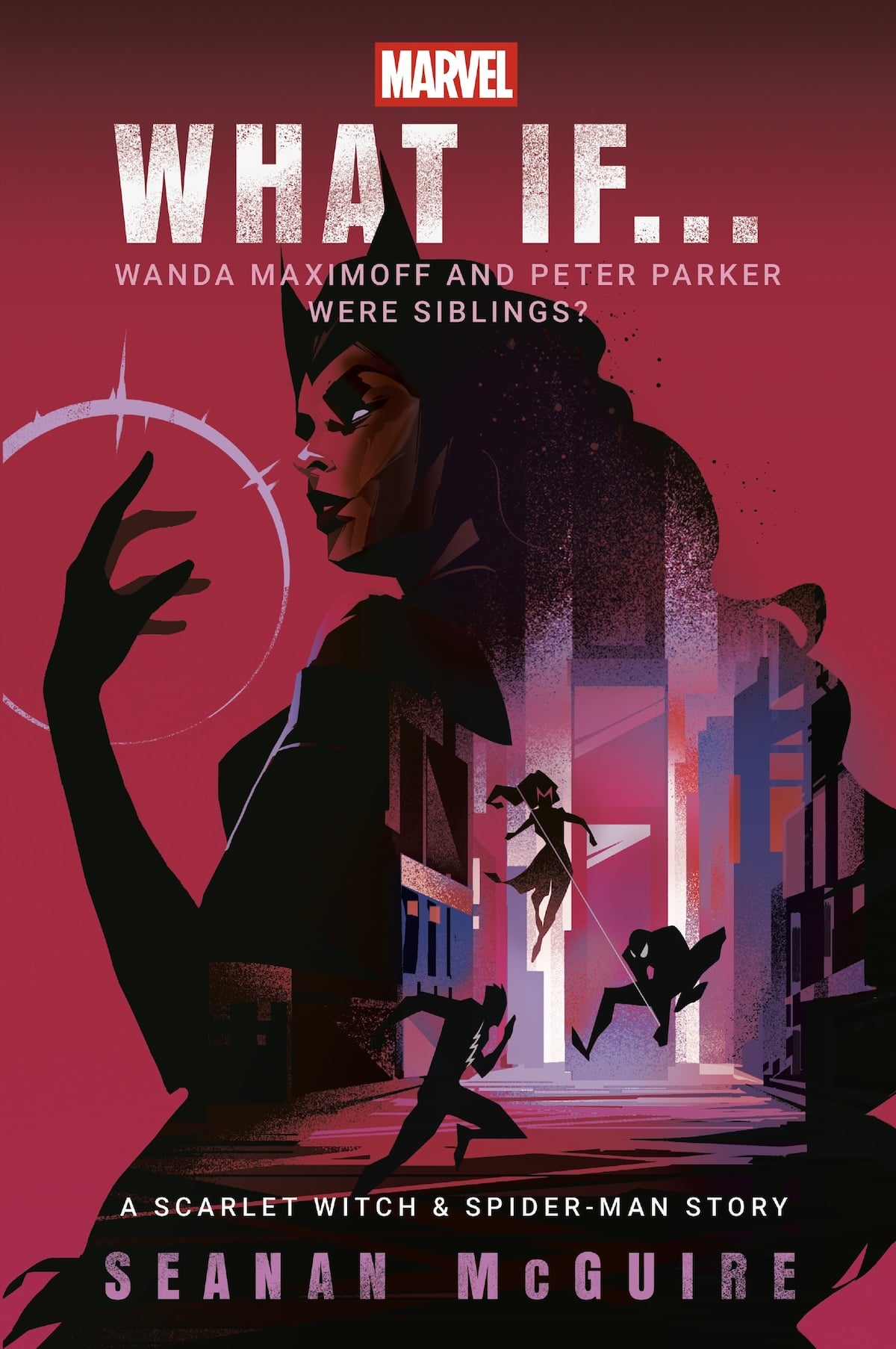
Utilizing the What If…? framework for a series of Marvel prose books was a stroke of genius, for a plethora of reasons. For one thing, it allowed established and familiar characters to be used without concern for how the events of the novels might affect said characters in either comics or onscreen continuity (or vice versa). And while the prose series echoed the Disney+ animated series What If…?, it told different stories that focused on a different selection of heroes, so the novels never felt like they were treading familiar ground.
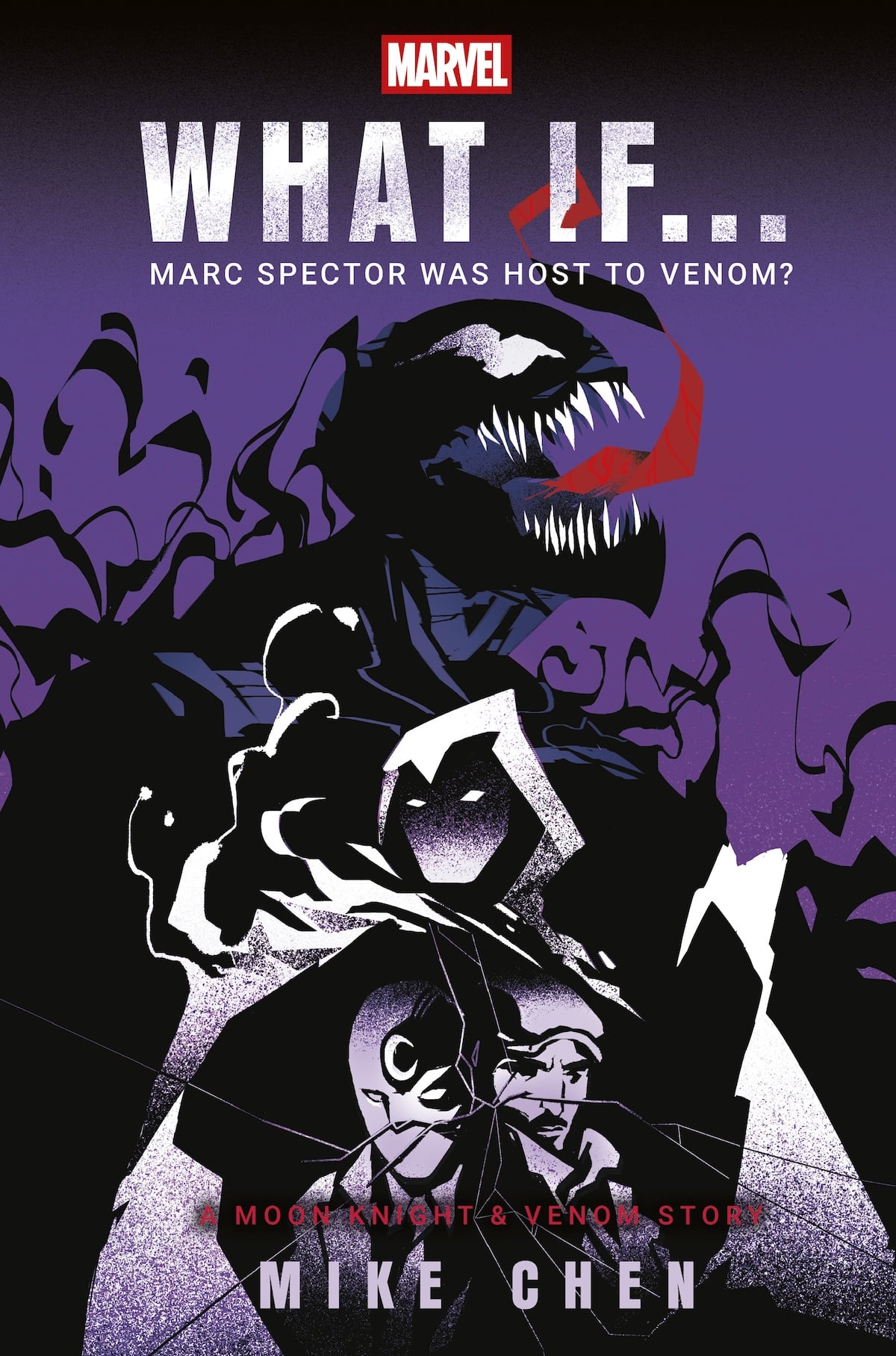
Relatedly, it allowed for many of the characters who were playing significant parts in the MCU to be featured, but in scenarios that would be novel to those who had already consumed all of the available MCU media featuring said characters. And finally, in an era where the MCU release schedule was increasingly uncertain, it freed the What If…? novels to come out before or after any associated MCU media, without feeling too late or too early.
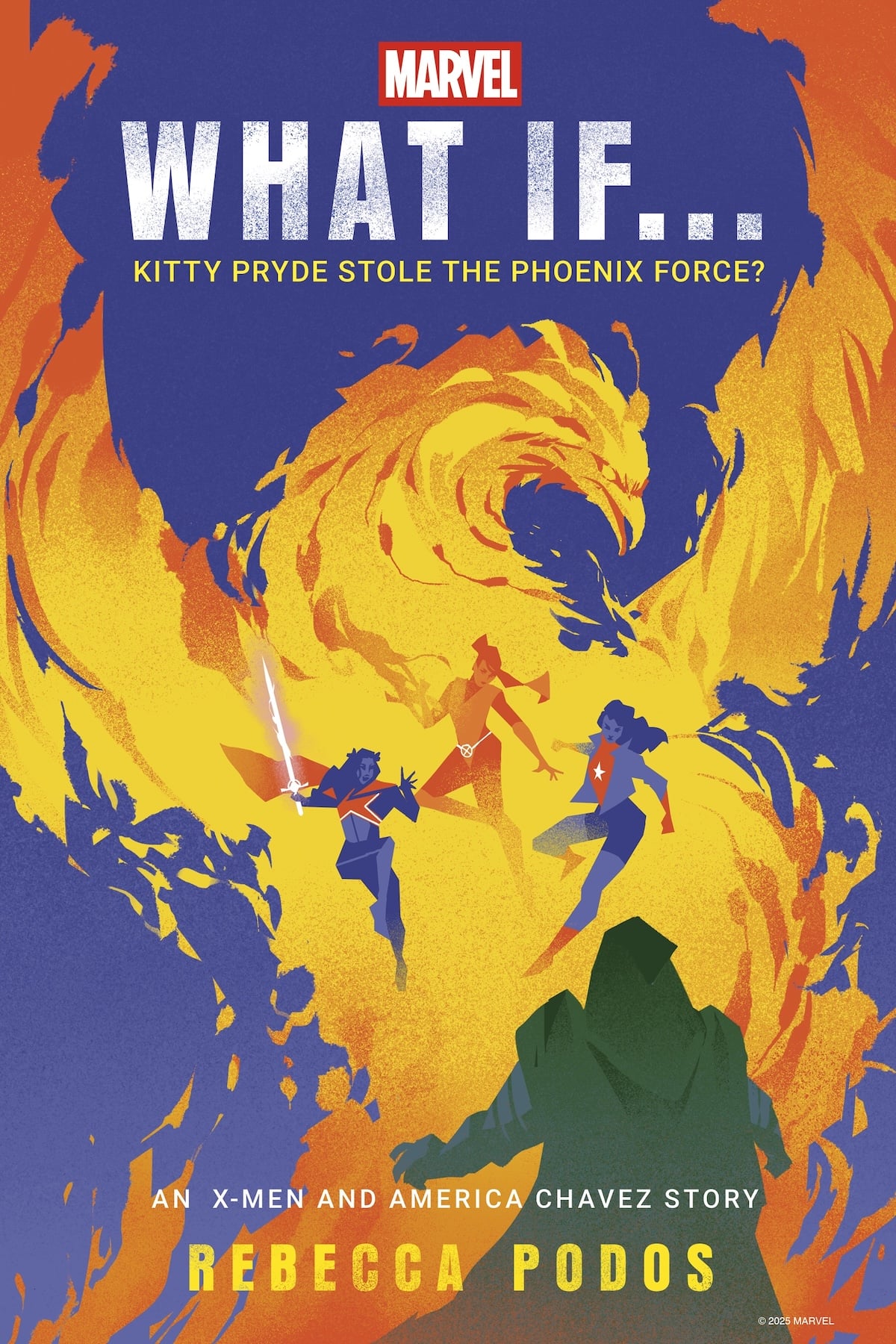
Finally, the conceit of using different writers for each of the novels was an excellent one. All five of the authors – Roux, Seanan McGuire, Mike Chen, Rebecca Podos and Sanders – did excellent work on the series.
While there are many ways this series could have gone horribly wrong, all five authors instead delivered excellent work. Each of these novels is unique, exciting, interesting and entertaining, with humor alongside real human emotion.
What If… The Multiverse Was Doomed?
The remainder of this review contains slight spoilers for the What If…? prose series.
But all good things must end. While the first four novels were mostly self-contained, as they went on an ongoing storyline centering America Chavez and an at-first unknown antagonist (who is eventually revealed to be Victor Von Doom) became increasingly pronounced. That storyline comes to a head in What If… The Multiverse Was Doomed? by Sanders.
In a clever move, the five What If…? novels in the series utilize a strategy similar to the first phase of the MCU. Each of the five novels is by a different writer, and the fifth brings back the characters who had previously been established in the preceding four volumes for an oversize crossover story that brings the tale to a close.
Like the original Avengers movie, What If… The Multiverse Was Doomed? does an excellent job of giving almost all of the previously established heroes their fair share of the narrative. Sanders has done an admiral job of returning to the work of the previous authors and picking up dangling narrative strings, affording us a culminating novel that both feels like a sequel to the four previous volumes while also standing alone as an engaging tale in and of itself.
Part of this is thanks to Sanders’ acuity at writing a multiversal story. Yes, we know – like William Boimler on Star Trek: Lower Decks, everyone’s sick of the multiverse. But this series and Sanders’ story in particular do an excellent job of reminding you why the multiverse trope has become so widely disseminated in the first place.
Sanders uses the multiverse in several smart ways.
He plays against your preexisting Marvel knowledge to bring out interesting facets of familiar characters. He leans into the idea that Marvel stories are meant to reflect the world outside your window, reminding us that we are in variant versions of the actual, real-life New York City. But he also just makes the whole thing a lot of fun, with nods to parallel universe reality shows and sneaker variants and enough food to furbish the best fictional feast this side of Redwall (if you can stomach the Franzia, anyway). And if you’re a music fan, there are enough song shout-outs to create a pretty good-sized playlist, which I personally recommend.
The Doctor is In
Finally, I want to commend Sanders’ novel specifically for its excellent depiction of some of my favorite Marvel characters. He handles these variants of America, Loki, Scarlet Witch, Moon Knight/Venom and Kitty Pryde very well indeed, and brings each of their storylines to a wholly satisfying conclusion.
In particular, America gets an emotional story, and from the afterword, it’s clear that Sanders was writing from a place of personal experience: “This book came together during a time of overwhelming grief,” he writes, as his “dad passed a few months before [he] started outlining in earnest.” That grief is evident in America’s storyline in particular. What if… you lose someone incredibly important to you, but still had to keep your shit (and everyone else’s shit) together long enough to save the universe? The stakes might be fantastic, but the feelings are real, and the novel never brushes them away or forgets they are there.
And in addition to the heroes, Sanders also delivers a compelling interpretation of Doctor Doom. The seminal and infamous supervillain is in fine form here, with a fascinating motivation and an incredible and well-rendered team of his own.
I won’t go so far as to say that you’ll ever root for Doom, who engages in some truly despicable behaviors over the course of the series and in this book in particular. But you will find him to be an interesting villain who holds down his part of the narrative and makes the chapters about the antagonist just as readable as the chapters about the heroes.
Pity those who forget “that Doctor Doom can ball.”
Available Now
If you’re a fan of Marvel Comics or the MCU, these books will hold their own among the best stories from both. Plus, the hardcover versions of all five books are very well designed, with gorgeous end pages that feature a collage of What If…? comic covers and excellent (but never distracting) flourishes on the pages themselves. Together, the five volumes form a very satisfying stack of books. I strongly recommend the entire series, and for the best experience, you’ll want to read all five of them in order.
All five books in the Marvel: What If…? prose series are available now at your local bookstore and/or public library, including Marvel: What If… The Multiverse Was Doomed?






Didn’t I write this book at the start of the century…? :) https://tvtropes.org/pmwiki/pmwiki.php/Literature/XMenChaosEngineTrilogy
(And no, Stan Timmons had nothing to do with them, I wrote them solo.)
Comments are closed.