
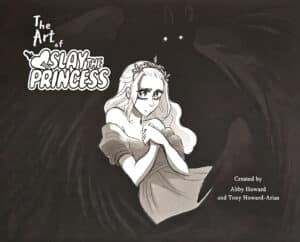
 The Art of Slay the Princess
Creators: Abby Howard and Tony Howard-Arias
Publisher: Serenity Forge
Publication Date: October 2025
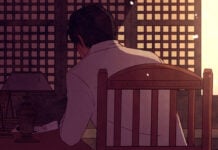
Slay the Princess chronicles the tragic journey of a Hero who has been tasked by the Narrator to slay a Princess whose existence threatens to destroy the world. The Hero enters an isolated cabin, picks up a knife, and opens the door to the basement where the imprisoned Princess lies in wait. There’s no way to survive this encounter, so the Hero must start over from the beginning. Depending on the Hero’s choices, the Princess shifts into different forms, each of which has its own storyline that unravels the fate of manufactured universe on the brink of collapse.
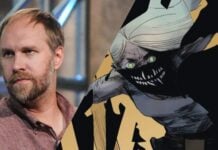
Slay the Princess is a visual novel developed by Black Tabby Games, a studio formed by the horror artist Abby Howard and her husband, Tony Howard-Arias. The game was released on the indie platform Itch.io in 2023 before being ported to consoles in 2024, and it quickly became a cult classic in the indie horror game community. (Check out our interview with the game’s creators here on The Beat.) The game’s console publisher, Serenity Forge, has now released The Art of Slay the Princess, which is less of a traditional art book and more of a graphic novel adaptation of the game.
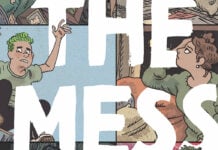
Abby Howard, who previously published a Halloween-themed graphic novel and an anthology of horror comics, has transformed the branching paths of Slay the Princess into a cohesive narrative that maintains the story’s protean transformations while cleverly drawing out its metatextual themes. For readers unfamiliar with the original game, The Art of Slay the Princess serves as a gateway into a grim and terrible story that refuses to be constrained by the limitations of genre.
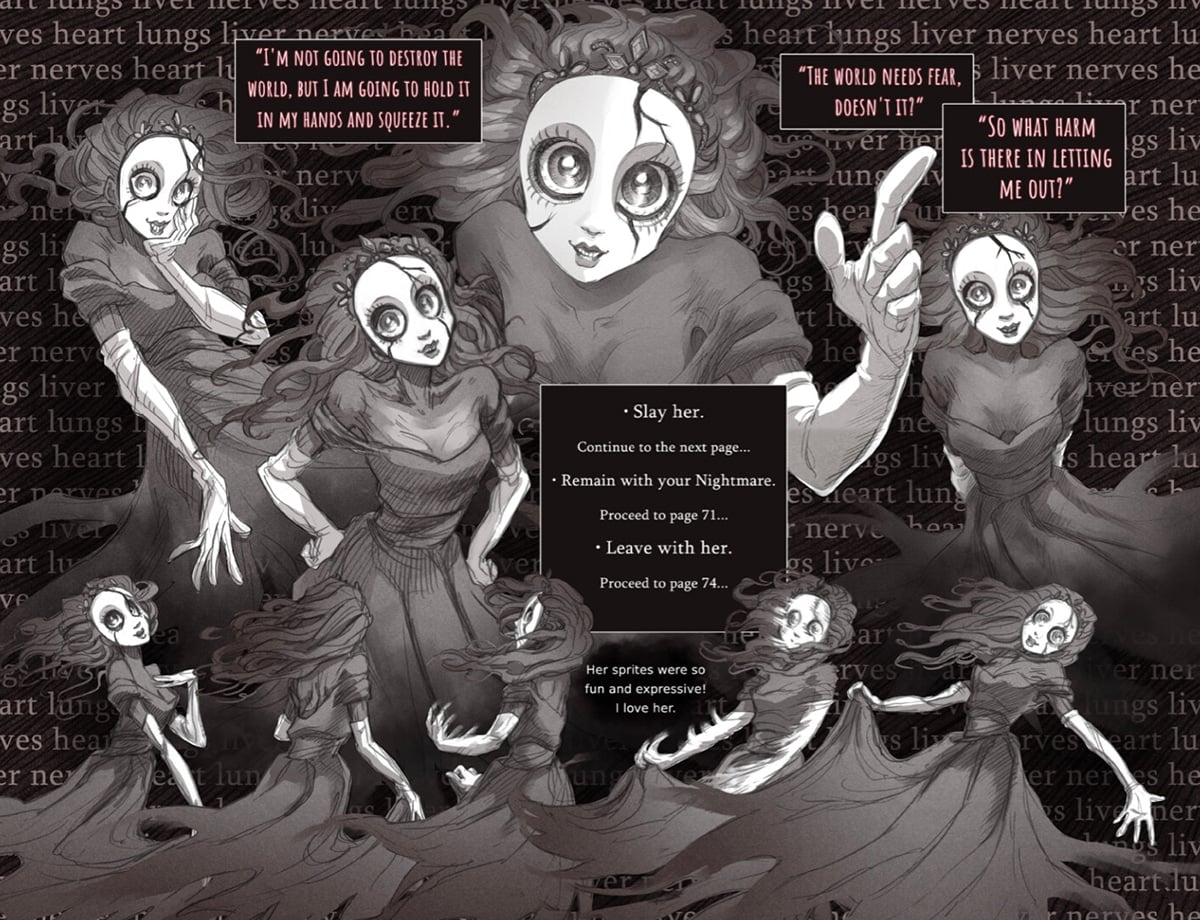
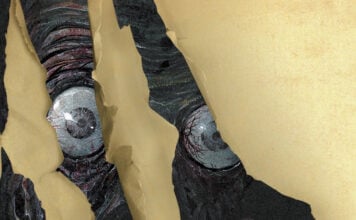
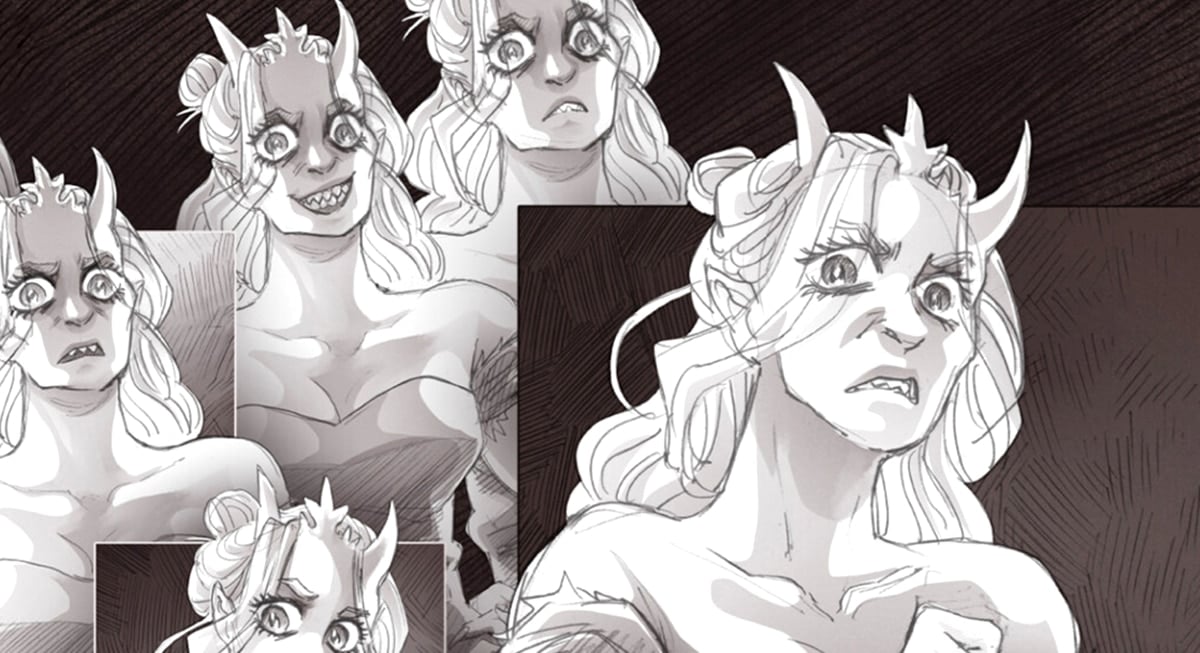
The Art of Slay the Princess is arranged into groupings of short chapters that reflect a player’s potential progression through the game. The trick is that there are multiple versions of each chapter, allowing the reader to witness the connections between different archetypal possibilities. The Princess can be a Beast who won’t hesitate to attack the moment she’s unchained. She can be a Damsel who will gladly mirror the Hero’s romantic desires. She can be a Prisoner, a victim who suffers through no fault of her own. She can be a Nightmare, an amorphous creature that wears the mask of a young woman. She can be a number of other things as well, and Howard has artfully edited the chapters to suggest parallels without any repetition in art, text, or page layout.
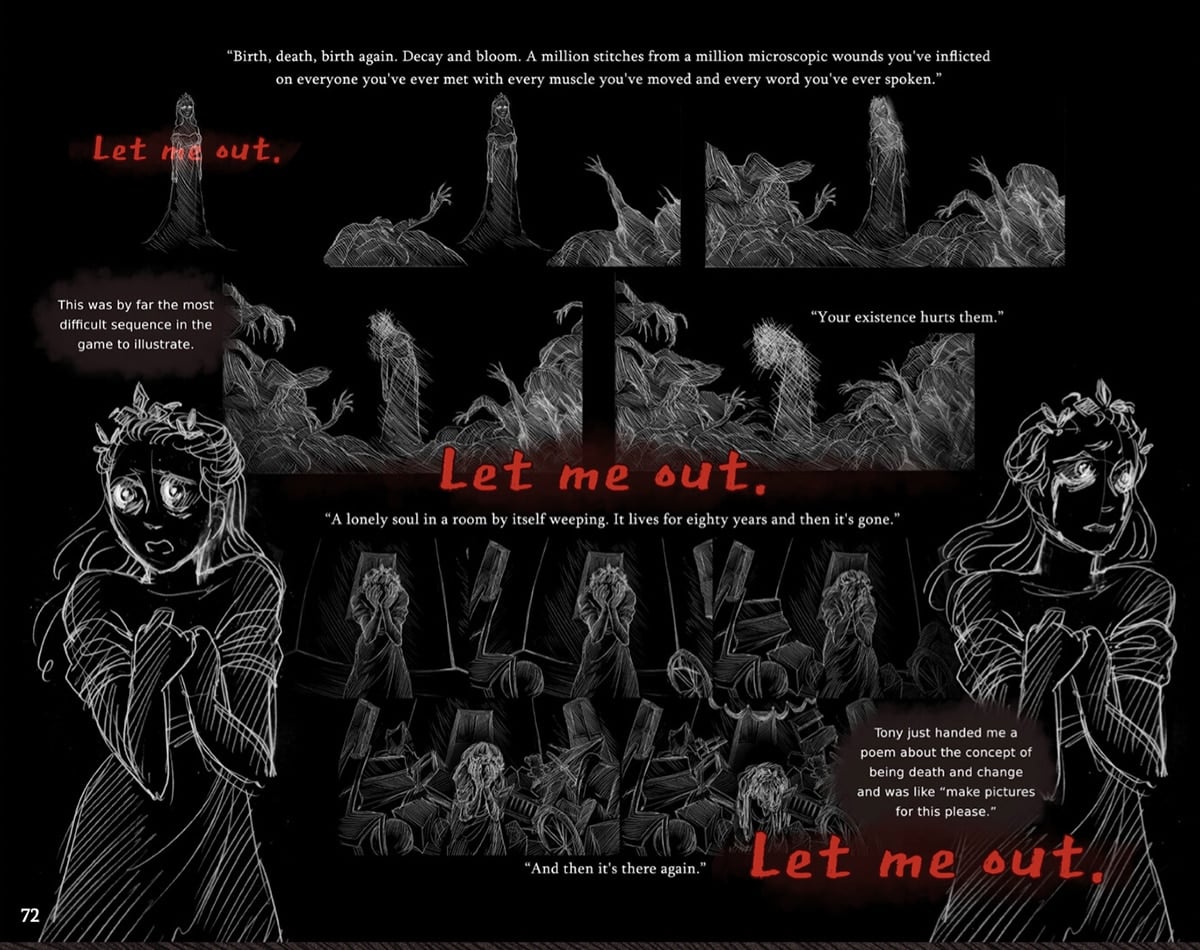
At its core, Slay the Princess is about the unstable relationship between narrative authority and the reader’s perception of the unfolding drama. Just as the role of the Princess isn’t fixed, the role of the Hero comes increasingly into question, with both violence and mercy leading to miserable ends. As the cycle repeats and repeats again, the Narrator gradually emerges as a character with a distinct viewpoint, and he begins to offer his insight into how the restrictive patterns of the recursive narrative might be broken. In The Art of Slay the Princess, the Narrator’s voice is occasionally augmented by Howard’s own comments, which add yet another layer of metanarrative.
In order to function as a book, The Art of Slay the Princess omits a substantial amount of text from the game’s script. By necessity, many of the game’s multimedia horror elements, including its viscerally upsetting soundscapes, are also missing. Regardless, Howard’s illustration work is sufficiently disturbing even in a montage of static frames, and the page layout is utilized to showcase the various forms of the Princess in their full uncanny glory. Though it’s not a traditionally linear reading experience, The Art of Slay the Princess is still more than capable of immersing the reader in its dark and labyrinthine world.
As a physical book, The Art of Slay the Princess reminds me of the print versions of the influential webcomic Homestuck, which was published by TopatoCo in 2011 and then by Viz Media in 2018. As the comic’s creator Andrew Hussie writes in the introduction to the first volume of the series, “Homestuck in its native habitat is an all-out media blitz” in which many (if not most) of the panels contain elements of animation. The original online version of the comic also features a soundtrack, as well as segments that the reader can play like a video game. Though Homestuck doesn’t seem as though it would translate well to paper, its print formatting is surprisingly effective, and the books are currently the only way to read the comic. In other words, the print version of the webcomic has value as a more broadly accessible format.
The Art of Slay the Princess is a similarly worthwhile publication. Though it would be impossible for a book to replicate the experience of playing an interactive game, the print version of Slay the Princess brings the story to a wider audience of horror fans who may not have a game console or the patience to spend upwards of a dozen hours playing through the diverging narrative paths of a visual novel. The book is a welcome point of access that’s an intriguing work of visual design in its own right. I’m happy it exists, and I’d love to see more indie developers create graphic novel versions of their games.
The Art of Slay the Princess is available from Fangamer.
Read more great reviews from The Beat!