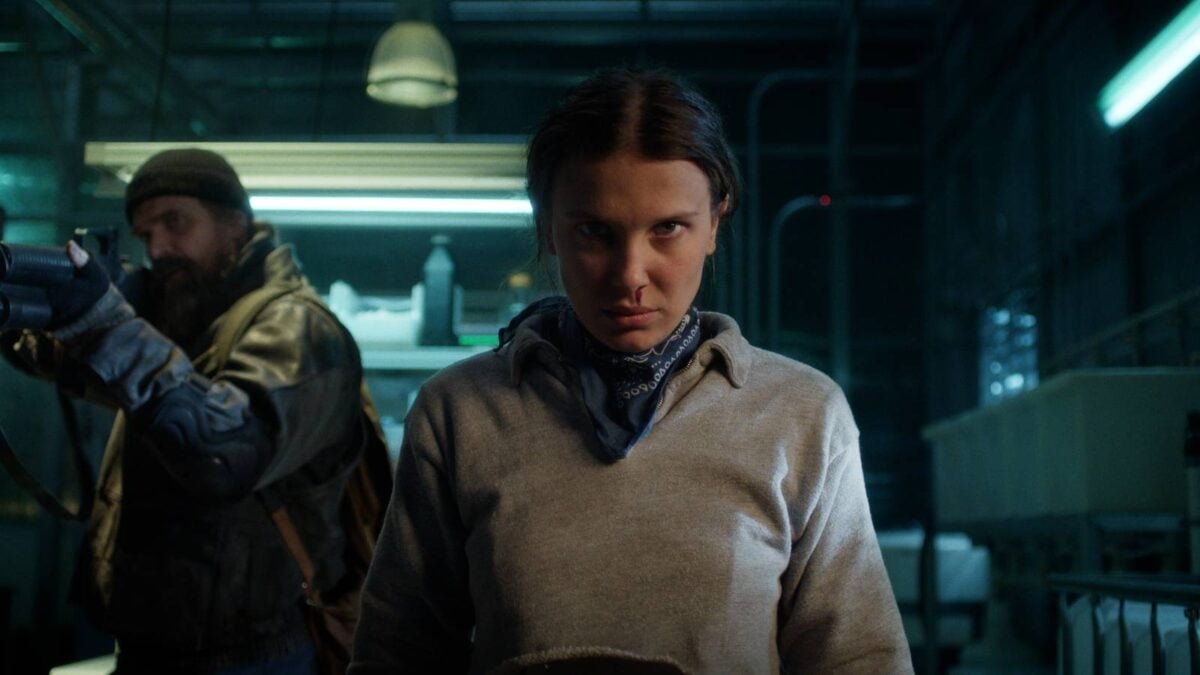

Season four of Stranger Things was legitimately good. While the basic ingredients that made the show successful were there, it was Vecna’s storyline that gave the series the much-needed chance to recalibrate and refresh. The Nightmare on Elm Street influence was felt throughout and helped differentiate it from what came before (which had John Carpenter and Aliens taking center stage as main influences). The final episode was an all-out banger with emotional highs and phenomenal set pieces that promised a series finale for the books. Things were looking up.
The first half of the final season of Stranger Things (which will see another set of episodes drop on Christmas day with the two-hour finale reserved for December 31st), unfortunately, was quick to squander a lot of the potential greatness season four pointed at. The reason behind this lies in repetition and questionable instances of character development (made worse by the fact that the kids all unintentionally evoke the Steve Buscemi “How do you do, fellow kids?” meme based on how much older they look).
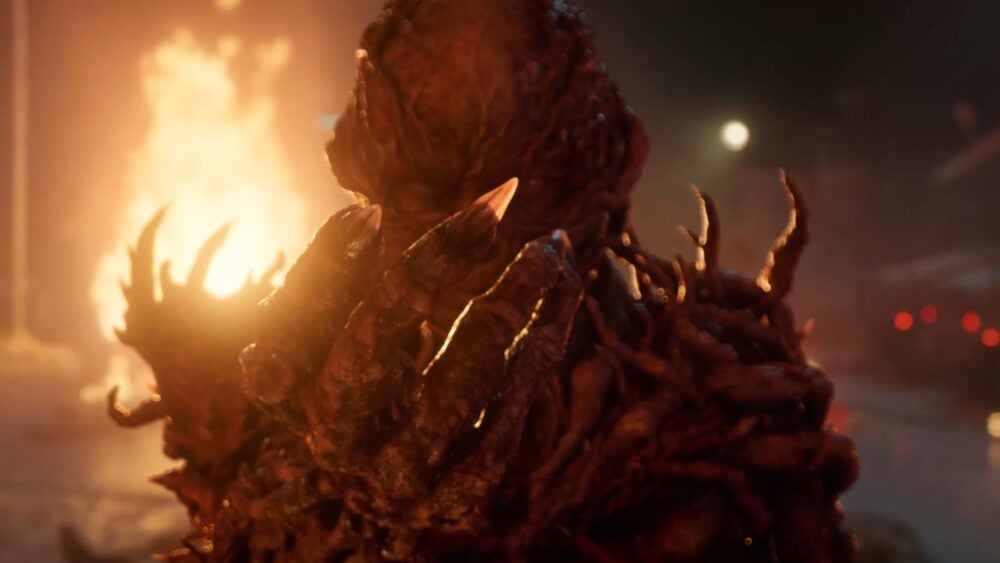
Season four closed on the promise of war. The town of Hawkins lay broken, with the Upside Down threatening to become the Downside Up. Eleven looked at the destruction that lay in Vecna’s wake as the first official shot of the final battle. Mike and friends looked older, but if you strained your eyes hard enough they could pass as highschoolers (back in 2022, when S4 premiered). Vecna was “defeated,” though it was made obvious he wasn’t done yet. What the big bad’s return would look like, though, remained a mystery. Whatever that turned out to be, it was easy to imagine a bigger, meaner, and even more sinister Vecna coming back for everything.
It’s apparent early on that the Duffer Brothers got way ahead of themselves hyping up the last chapter of their creation. The first four episodes of season five are ultimately more interested in retreading old ideas before calling it a day, and the ways they go about doing this are downright baffling.
Things start off with a bizarre return to the status quo: life as usual with a bit of weird on the side. The military is in Hawkins, experimenting with a new gate that appeared as the town suffered the threat of being turned Upside Down. Its presence, though, doesn’t feel crucial or urgent. Part of the reason why lies in the fact that Hawkins has essentially been cleaned up. Metal panels have been used to stitch together the ground that split up during the Upside Down earthquake. A military checkpoint and a designated containment area are the only hints the town’s under government control.
These conditions clear multiple paths for past clichés to make a return. A new kid gets kidnapped by evil forces and is trapped in the Upside Down? Check. Eleven and foster dad Hopper at odds with each other? Check. Quippy dialogue that reminds of MCU-humor at its worst? Double check. These approaches weren’t necessarily bad before, though they could be fairly criticized when taken too far. But they become more grating and frustrating when they continue to get brought back to pad out a story that maybe should’ve truly ended the previous season.
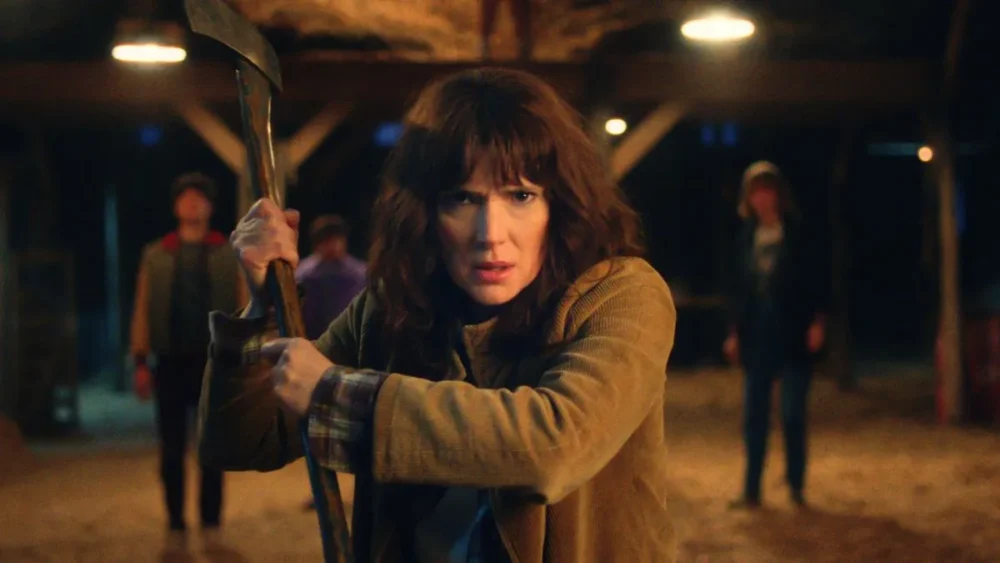
The search for Vecna does continue in the early stages of season five, but it’s now being conducted by characters that have become overgrown caricatures of themselves. Mike is still the awkward head of the group that will occasionally stare into the distance and magically come up with a complicated plan that saves the day against impossible odds (something that the Robin and Dustin characters are great at doing as well). Joyce Byers continues with her aloof ways, along with her fixation over her son Will’s safety. And Steve Harrington extends his streak as the most endearing ex-bully in all of Hawkins.
Only Dustin gets a bit of a push in a different direction as he’s given time to mourn the death of Eddie Munson, something he’s struggling hard with. Lucas is also navigating uncharted waters, somewhat, as he’s constantly in the hospital visiting Max in the hopes she wakes up from her coma (all to the sounds of her theme song, Kate Bush’s “Running Up That Hill”). Though this type of pain has been explored before when it was Will who was under the influence of the Mind Flayer.
Keeping characters from straying too far from the things that make them who they are is one thing. Stunting their growth to extend the runtime is another. It’s why they fall back so easily into doing the same things over and over. Will’s and Robin’s exploration of their sexualities gets a bit more room to breathe at least, but not much changes beyond that. It’s kept rather simple, but good that it’s there regardless.
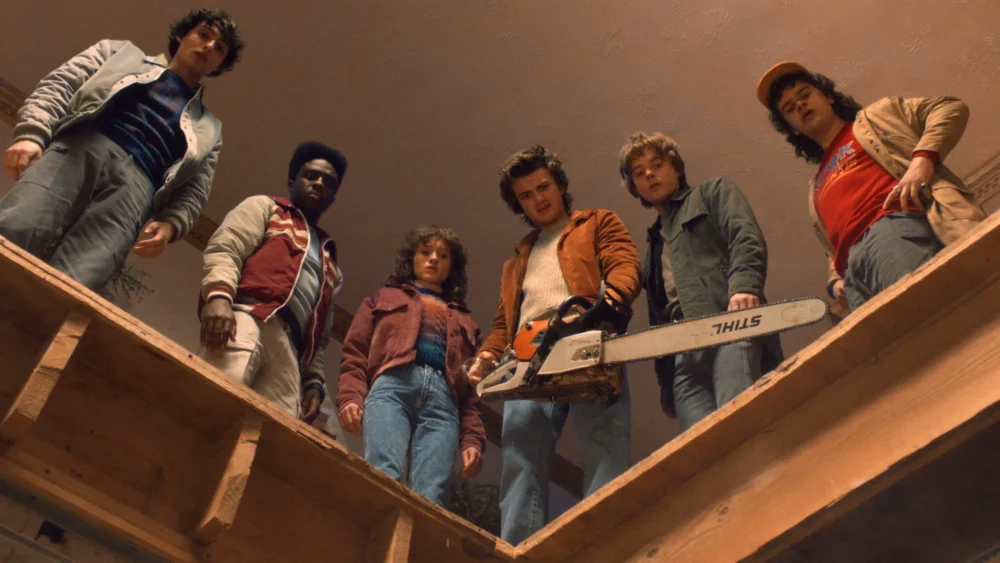
Some twists and surprises do hint at a more exciting and potentially different second half of the final season. Sadly, the first half feels like a rundown of Stranger Things’ greatest hits. The problem is that the show has been replaying those hits pretty consistently since season two. Season four laid the groundwork for something better and more explosive to draw the final curtain on. So far, season five is simply resting on its laurels, happily sitting under the same red lights they probably used back in season one.