
As polarizing a film as Evil Dead Burn is, the latest entry in the Evil Dead franchise proves to once again take wild chances with the series. We’re talking about a horror series with one entry set in medieval Europe, another that is pure slapstick comedy, and one a grueling experiment in brutality. Still the willingness of producers Sam Raimi, Robert Tappert, and Bruce Campbell to let new filmmakers run wild with their creation should be commended.
Evil Dead Burn again plays with what an Evil Dead film can be. Given the brutality of the violence and nasty sense of humor, it may not appear that way on the surface. It looks like yet another film where people are trapped in a location terrorized by the franchise monster, the Deadites. However, writer/director Sébastien Vaniček has no interest in completely retreading what we’ve seen in previous films.
Vaniček brings a European sensibility that is most obvious in his depiction of violence. It’s hard not to see the influence of New French Extremity in his treatment of gore and the Deadite attacks. This is a film so violent and brutal that it almost received an NC-17 rating. That is the surface of the film though. The core of the story lies in an older form of horror. What he most evokes in Evil Dead Burn is Gothic Horror.
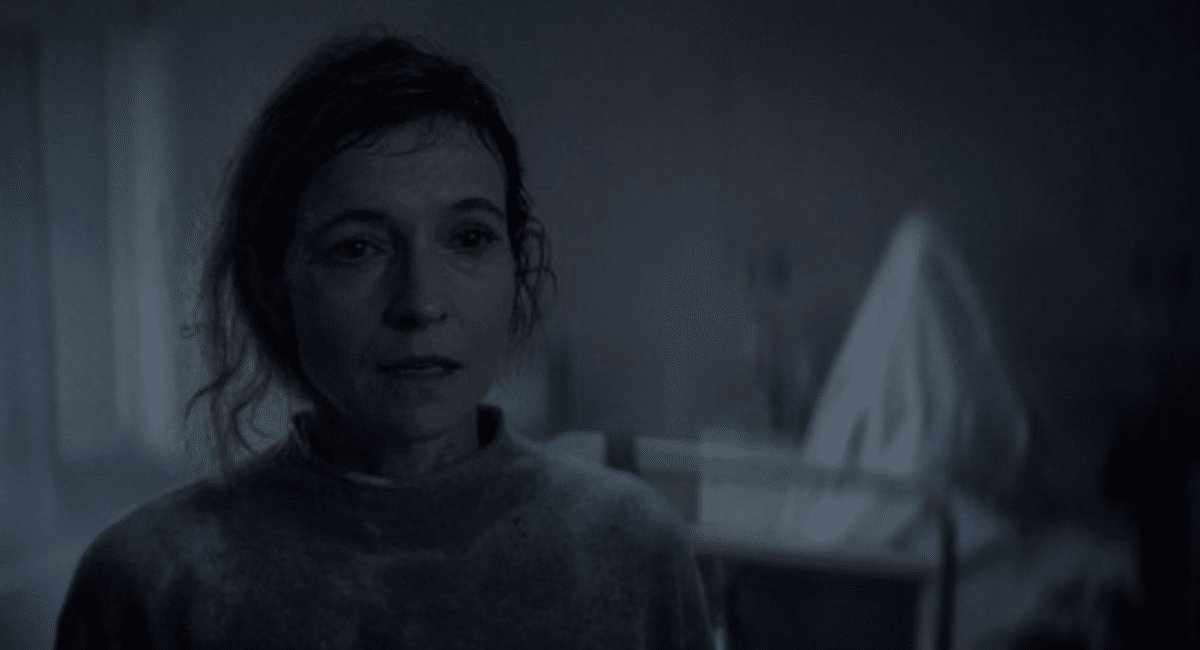
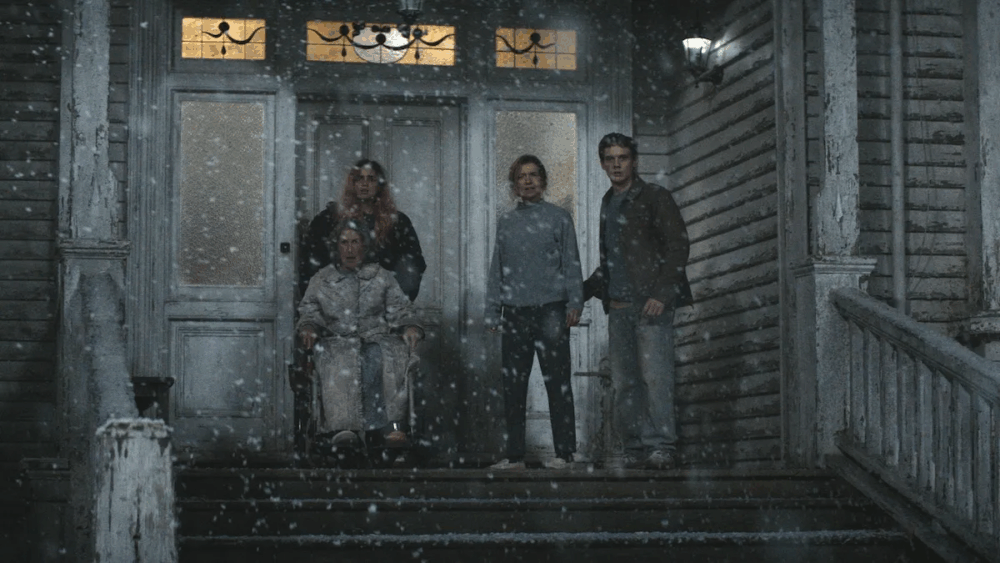 Gothic horror points to a subgenre most associated with crumbling castles and dark figures. One that feels more at home in Europe than it does in America. But consider the set up of Burn. The Price family, a family clearly in decline, mourns the loss of their oldest. An outsider, Alice, returns to their decaying vacation home as supernatural forces begin their assault.
The family in decline, the old dark house, and the outsider watching the fall are hallmarks of the genre. There’s even a mad scientist in the grandfather who researched the Necronomicon, the Book of the Dead that can open the door for the demons to wreak havoc on the living. This is a film about a family already rotting from the inside and the appearance of the Deadites only brings that out of them.
They are a family doomed from the first frame of the film. This might be the only film where the isolated location is a reflection of the character’s interior selves. As a result, it’s only inevitable what happens to them, as gnarly and vicious as Vaniček makes it out to be.
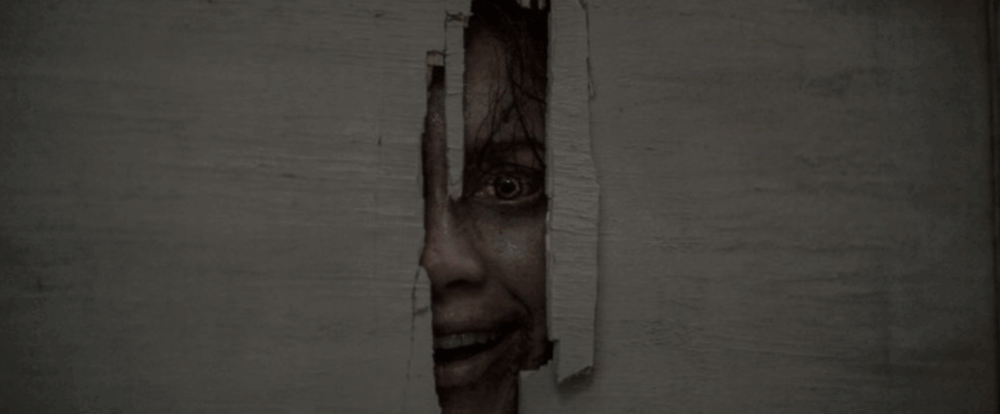
Aiding all of this is a deteriorated color palette. It’s a fair criticism that this is another grey-looking horror film in an age of grey-looking horror films. Yet that muted grey look feels right for this movie. The house wouldn’t look nearly as decayed. Constantly falling snow which appears in the back half of the film looks like falling ash. It’s hard to imagine this being as effective if it was a colorful Dario Argento film.
And Vaniček fully molds all of that to what we expect in an Evil Dead film. There are still plenty of demonic possessions, gnarly violence (dear lord, is there violence), and the occasionally bits of dark humor. It’s just that there’s a lot more Gothic horror simmering underneath the more familiar elements. This truly is Evil Dead by way of The Fall of the House of Usher.
The Evil Dead franchise has been at its best when the filmmakers embrace their passions. Sam Raimi infusing his previously nightmarish brand of horror with his love of the Three Stooges. Fede Álvarez pushing what you can do with practical effects and using the most blood on-screen at the time. Now Sébastien Vaniček adds to that legacy by fusing the Grand Guignol of New French Extremity to the early traditions of Gothic horror. It may not be to everyone’s taste, but it certainly gives something new to this storied franchise.