

During the chaos of New York Comic Con, I was invited to take part in a special preview event by SEGA to experience theupcoming RGG Studio-produced game Stranger Than Heaven. It was super early; getting there around 8:30 AM, the line of other streamers, journalists, and content creators was teeming with excitement. Taking place in SHIFT Midtown, the entire space was covered in projected video of the different time periods that occur in the game.
Seated in some of the cushiest chairs I’ve ever played a game in, I was surrounded by high-end gaming monitors connected to XBOX dev kits. We were greeted by the game’s director Mikinobu Abe and actor/singer Yu Shirota, who voices the main character Makoto Daito. Abe stated, “Stranger Than Heaven is an epic saga about men fighting through life across 50 years during a turbulent period in modern Japan. Starting in 1915 in Kokura, you will follow a man named Makoto Daito and his life’s journey to find a place to call home.”
After introducing Shirota to the stage and thanking everyone for being there, Shiroto took the stage to share, “Playing Makoto, I had a deep connection with the character because I’m half Spanish. I had kind of the same feelings and experiences when I was little, whether I was in Spain or Japan—feeling like an outsider and being treated like a foreigner. Those feelings helped me create this character because I know the pain and, you know, suffering.”
From there, we started playing the game. The preview consisted of five segments from the game: the Prologue, two set in 1915 Kokura – focusing on the narrative parts of the game, and two free roam sections. One was in the 1929 Kura part of the game, and the other was in 1943 Osaka. As I haven’t played a Yakuza/Like A Dragon universe game since the PlayStation 2 era, I’m pretty new to this style of game.
In terms of style and thematic tone, Stranger Than Heaven feels influenced by films such as Once Upon A Time in America. It also seems like an inverse of The Godfather Part II in that rather than coming to America, a character is a person escapes the racial tensions of the United States by returning to their homeland in order to find opportunity only to wind up in the world of crime. Once I noticed that theme of otherness tied to race, seeing Black American characters in the game made a lot more sense.
The game has a third-person open-world control style. The fighting is interesting as you use all of your shoulder buttons, with each corresponding side on the controller controlling that side of the character. The game teaches you early on how to fight and to pay attention to which side you’re blocking as well as striking your opponents. It’s something that’s pretty easy to pick up and will take time to master the stronger attacks and perfect blocking.
The use of weapons is quite easy and pretty overpowering when you have one, even a simple one vs. a single opponent. Even against a group, it’s a very easy evening option. Yet, when you face a single person with their own weapon, things can get very interesting and fun from a gameplay perspective. The camera stays in a good place so you won’t get lost or have it get stuck on some part of the background. It is a game that, in battles, you’ll be using a lot of your fingers at the same time, so take note of that.
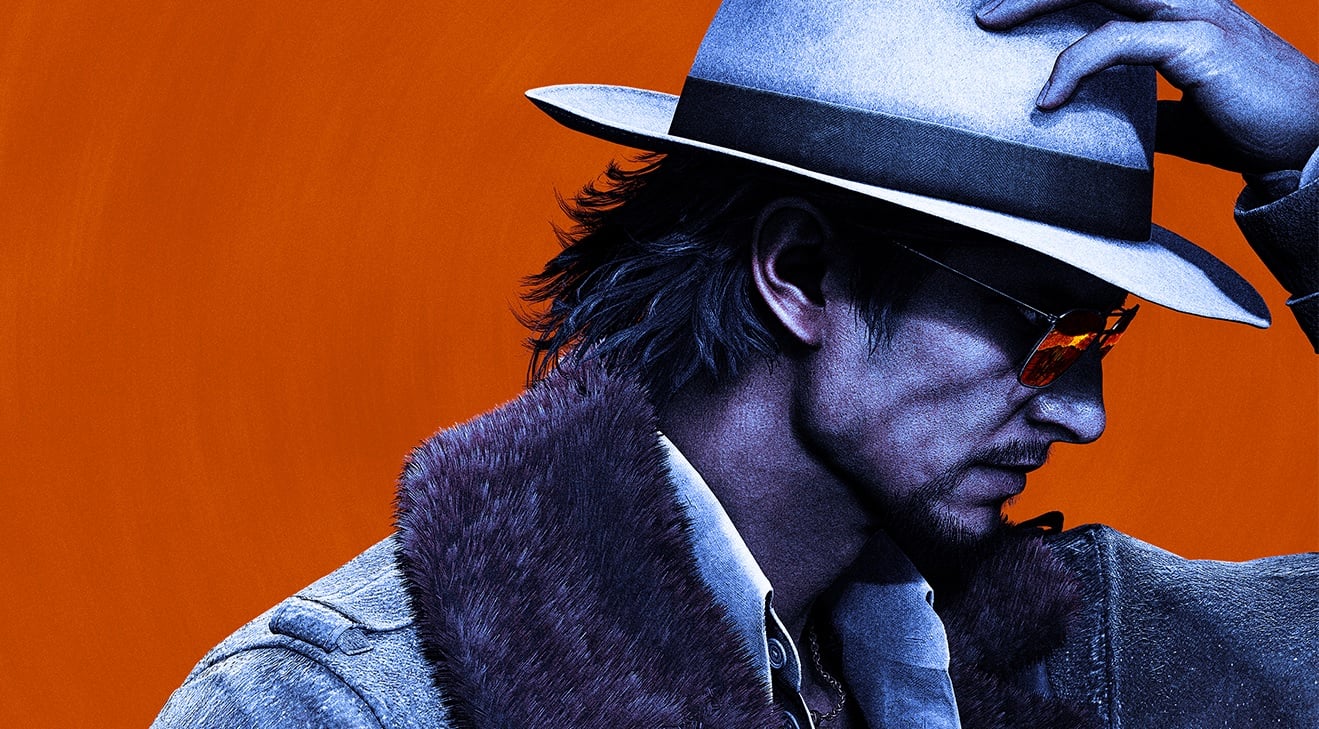
Even though this was still a production build with the game’s release still a few months away, the graphics were quite impressive. The characters, while realistic, still have the right amount of artistic exaggeration that adds to the art style. The costumes reminded me of the anime Samurai Champloo, a period piece that utilized styling and looks that are more modern in time than they were conceived. In the later sections, Makoto looks like a suave ’90s gangster with a bit of influence from the 70s. It also feels very familiar with the looks of characters from the previous games.
The color in the game always has a nice, almost warm glaze on everything that makes it feel like a memory more than a period piece. Again, it was very reminiscent of the Robert DeNiro scenes in The Godfather Part II, at times a golden haze, as here we play the rise of this man as he makes his way in Japan and overcomes prejudice. As was explained to us during the presentation, Makoto is in the music business and is able to make his way through the legitimate world connecting with people through performing and dancing.
The game has a unique dynamic of having Makoto listen and essentially gather music samples that he then goes back to the office to give to his songwriting team to help arrange new music based on the inspiration he’s picked up from walking around and even hearing things while fighting. I wasn’t able to play long enough to fully experience that aspect of the game so I am eager to check it out once the game is released.
Given the mix of music and crime the involvement of Snoop Dogg, as well as utilizing the likness of Tupac, in the game makes quite a lot sense thematically. The Snoop character was pretty important to the early part of the story as a character named Orpheus, which made me chuckle. He’s a clear mentor in Makoto’s early career in Japan and fits in as an outsider even in Japan as a mixed-race person. Snoop having a rolling-up cigarette minigame for stat boost also amused me.
There’s more of this game to explore, and the almost five hours I got a chance to play is clearly not enough. There’s a fight club in the game to test your fight skills. Secret bosses to find in the different cities over the years that can be frustratingly hard. Many different gambling minigames that can completely suck you in like whole games themselves. It’s basically all you’d expect from a modern Like A Dragon game, but it’s that setup, the core story, that I feel sets it apart and one that can help grow the audience even more than the recent turn-based RPGs.
Mikinobu Abe stated later during the preview event that this is his first game as director and that this game is being made by a young team getting their first shot on their own. So it feels like their ambitions are high and the team is shooting for the stars. The passions of the characters feels like the passion of the team itself.
When I had a few moments to speak to Abe about the film references, he mentioned that he studied film in college before entering gaming. This short chat made me more curious about the game, and I look forward to seeing the final version of game that’s set to ship in January 2027. I expect the story of Makoto to be an engaging one with a lot more surprises waiting for us.