
Last September’s Nintendo Direct included the reveal of Mario Tennis Fever, which promised more characters, more special abilities, and more modes than ever before. It has a lot to live up to following up the original Switch’s Mario Tennis Aces, the best-selling Mario sports game ever and well-respected for its highly tactical gameplay. Mario Tennis Fever makes an admirable effort to live up to high expectations, delivering an experience that may not please everyone but gets more right than it does wrong.
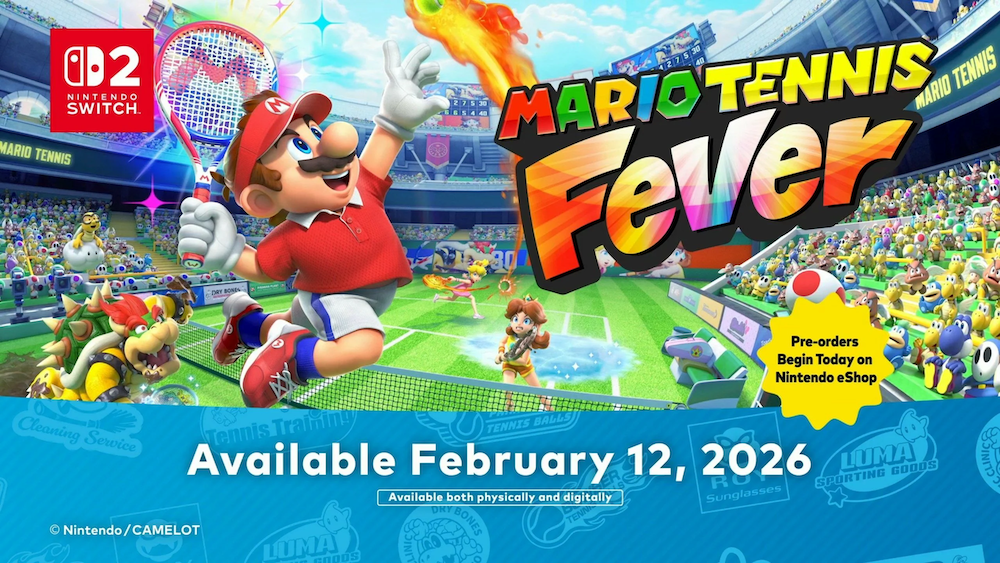
Mario Tennis Fever faces several changes Aces did not. Aces was the follow-up to Mario Tennis: Ultra Smash on the Wii U, was derided for its lack of content. Fever has to follow up a much more impressive game, with a passionate playerbase including fans still competing in online matches 7 years after Aces first released. Secondly, Aces was the only way you could play a Mario Tennis game on the Switch, a selling point Fever lacks due to the Nintendo Switch 2‘s backwards compatibility. Finally, you have the psychological and monetary barrier of Fever’s $70 price point, which raises players’ expectations that a title deliver on all fronts with enough features and content to be worth the cost.
To sum it up, the game’s developer, Camelot Software Planning, needed to prove Mario Tennis Fever had a reason to exist beyond filling out the Switch 2’s launch year calendar. Camelot makes their case by with the new options and experiences the game introduces. The result won’t satisfy everyone, but the new features go a long way to increase the game’s variability, replayability, and ability to surprise and delight.
Something you never have to question about a Mario sports game is the quality of the core gameplay. Like all previous Mario Tennis games, the tennis in Fever is smooth, fluid, and mechanically sound. Camelot has the movement, animation, and physics of Mario Tennis down to a science. The big question was always how Fever would differentiate itself from its predecessor. The mechanics in Mario Tennis Aces require a surprising amount of skill and strategic thinking. The player can win tennis in the normal manner, by scoring more points and winning more games than their opponent. But Aces also includes the ability to break your opponent’s racket by scoring points where they fail to block and using the ultra-powerful Special Shots., which forces them to forfeit.
Mario Tennis Fever doesn’t reverse the ability to cause damage, but it lowers the stakes. In Fever, players (not the rackets) take damage, and if their health hits zero they’re slowed down, needing 10 seconds to recover and return to full speed, which gives their opponents the opportunity to hit balls their rivals can’t reach. In exchange for eliminating the high pressure of racket-breaking gameplay, Fever introduces a new ability that livens things up and increases the novelty of every match.
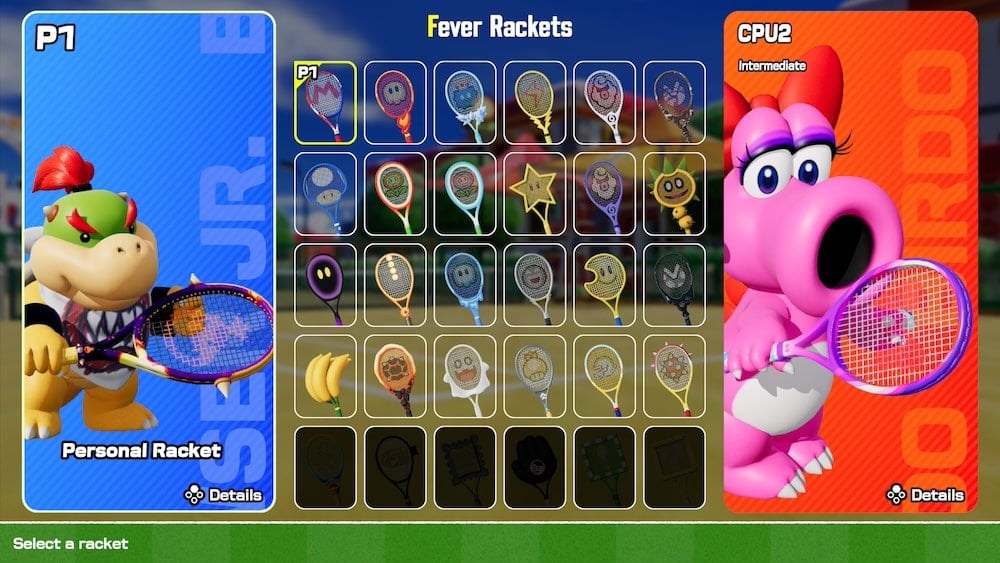
The signature (and titular) addition to Mario Tennis Fever is its collection of Fever Rackets, each with its own unique ability that you activate by building up your Fever Gauge and unleashing your Fever Shot. The Flame Shot scatters damaging flames to your opponent’s side of the net. The Mini Mushroom Racket flings over mushrooms that cause your opponent to shrink. The Shadow Racket creates a temporary doubles partner for you. That’s only 3 of the 32 Fever Rackets featured in the game. Once players unlock everything, they can pair rackets with any of the 38 different characters, mixing and matching until they find the combination that works best for them.
Fever also introduces courts that affect the speed, bounce, and movement of the ball, transforming the different locations from window dressing into their own arenas with unique advantages and disadvantages that players can utilize to optimize their chance of success.
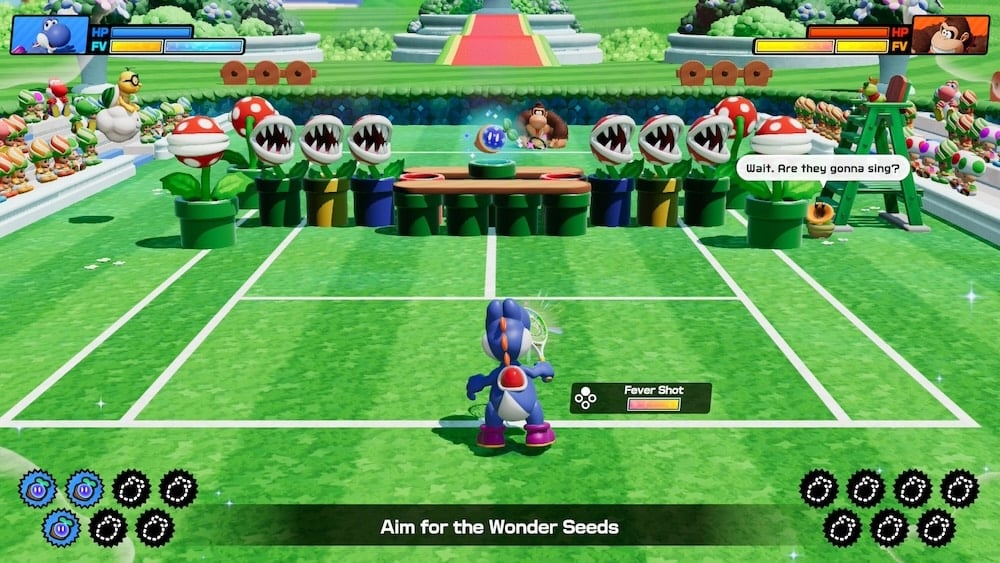
Maybe the best part of Mario Tennis Fever is Mix it Up Mode, which contains special matches that vary up the gameplay. Each creates new goals and incentives for the player that require them to play and strategize in different ways. Ring Matches rewards the player who hits the ball through rings that sit between each player’s side of the court. Forest Court Matches puts players on tiny courts that expand every time you hit a ball into the mouth of a Piranha Plants that pops out of the ground. By expanding the size of your opponent’s court more quickly than they expand yours, you create opportunities to hit the ball where your opponent can’t reach. Rocket Factory Matches spit out a new Fever Rackets whenever time you hit a targeted area on your opponent’s side of the court, resulting in fast-moving gameplay that makes nearly every hit feel like a do-or-die moment. Wonder Court Matches challenge players to collect Wonder Seeds more quickly than your opponent by scoring points and gathering seeds by hitting the ones that hover over the net. Like in Super Mario Bro. Wonder, the seeds transform the environment in surprising and whimsical ways. The only match type I didn’t click with was the Pinball Match, but all 5 options serve the purpose of keeping you playing longer and coming back more often.
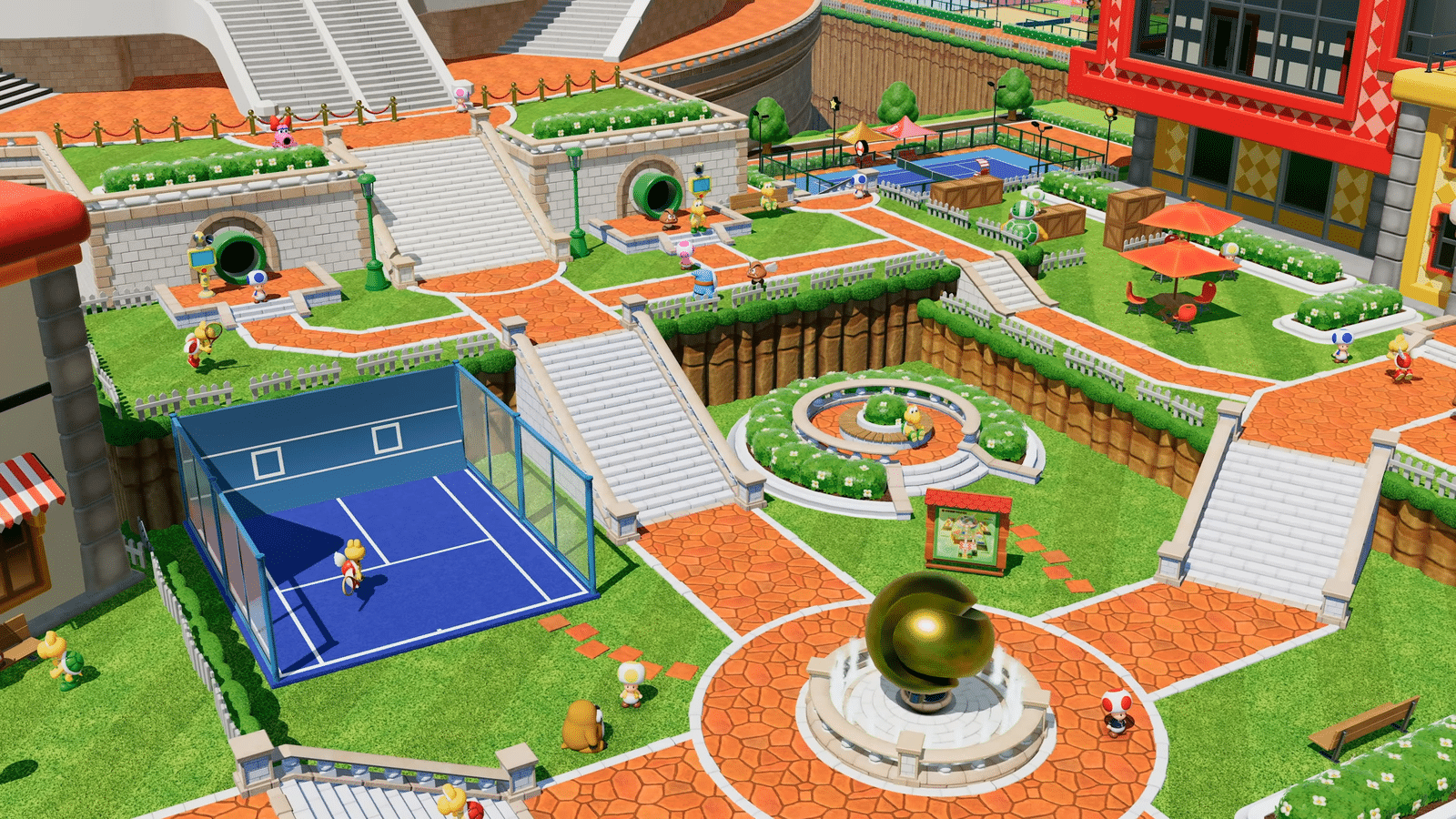
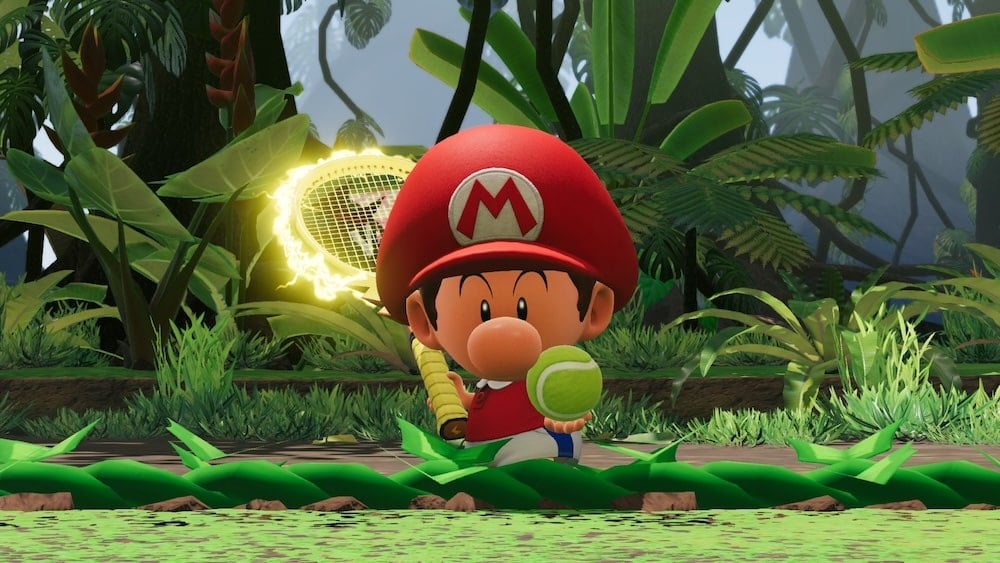
The biggest source of disappointment in Mario Tennis Fever is the Adventure Mode. Despite featuring heavily in the trailers, it feels like an afterthought, re-using preexisting assets to piece together a story mode. The majority of your time is spent playing a glorified demo, training at the Mushroom Tennis Academy. If you’ve ever played a previous Mario Tennis, or in some cases are simply familiar with the concept of tennis, the early lessons (which you can’t skip over) are pure busywork. Even after you “graduate” from the Academy, the Adventure Mode continues to underwhelm. Most of the challenges are merely introductions to some of the many different fever rackets and special game modes. Levels introducing wholly original ideas range are somewhat entertaining at their best and dull at their worst. The story mode in Aces was criticized for lacking content, but it provided a far richer experience than you find in Fever. And the details of the story left my head as soon as I made my way through the end credits. The delightful animated sequences featuring Baby Mario and friends were the highlights of the campaign, but they can’t make up for the activities that take place in-between. Not even the introductions of Baby Wario and Baby Waluigi are enough to save such a bland adventure.
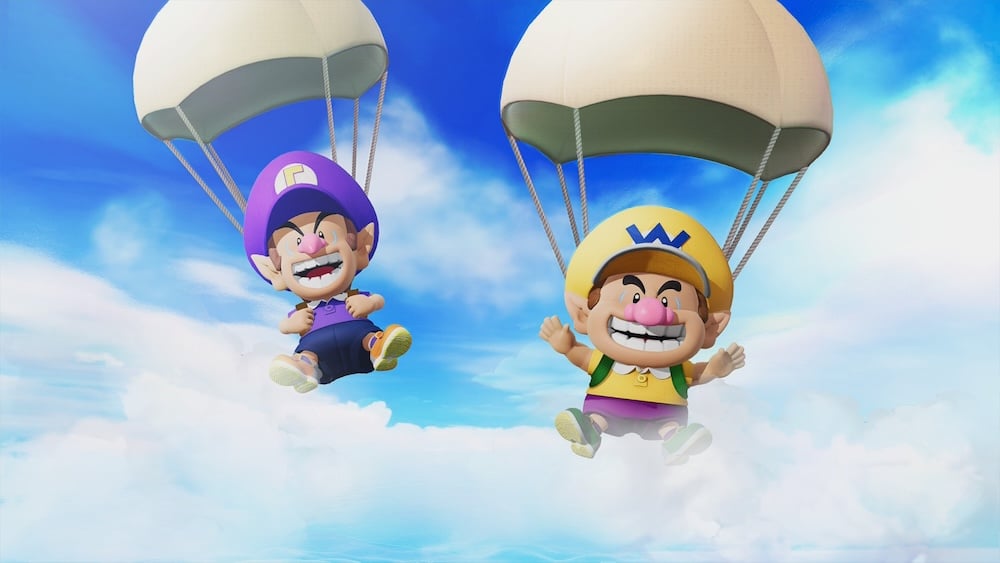
Adventure Mode dragged down my view of the entire game until I gave myself time to reassess and look at everything else the game has to offer, which is considerable. Overall, Mario Tennis Fever does an admirable job going back to basics without feeling like a regression. If you’re obsessed with the tactical gameplay of Mario Tennis Aces, this game will probably disappoint you. If you want a great story mode, tough luck. However, if you want more excuses to play Mario Tennis with friends, a game that adds variability and fun new features, this is exactly what you’re looking for.