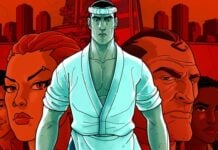
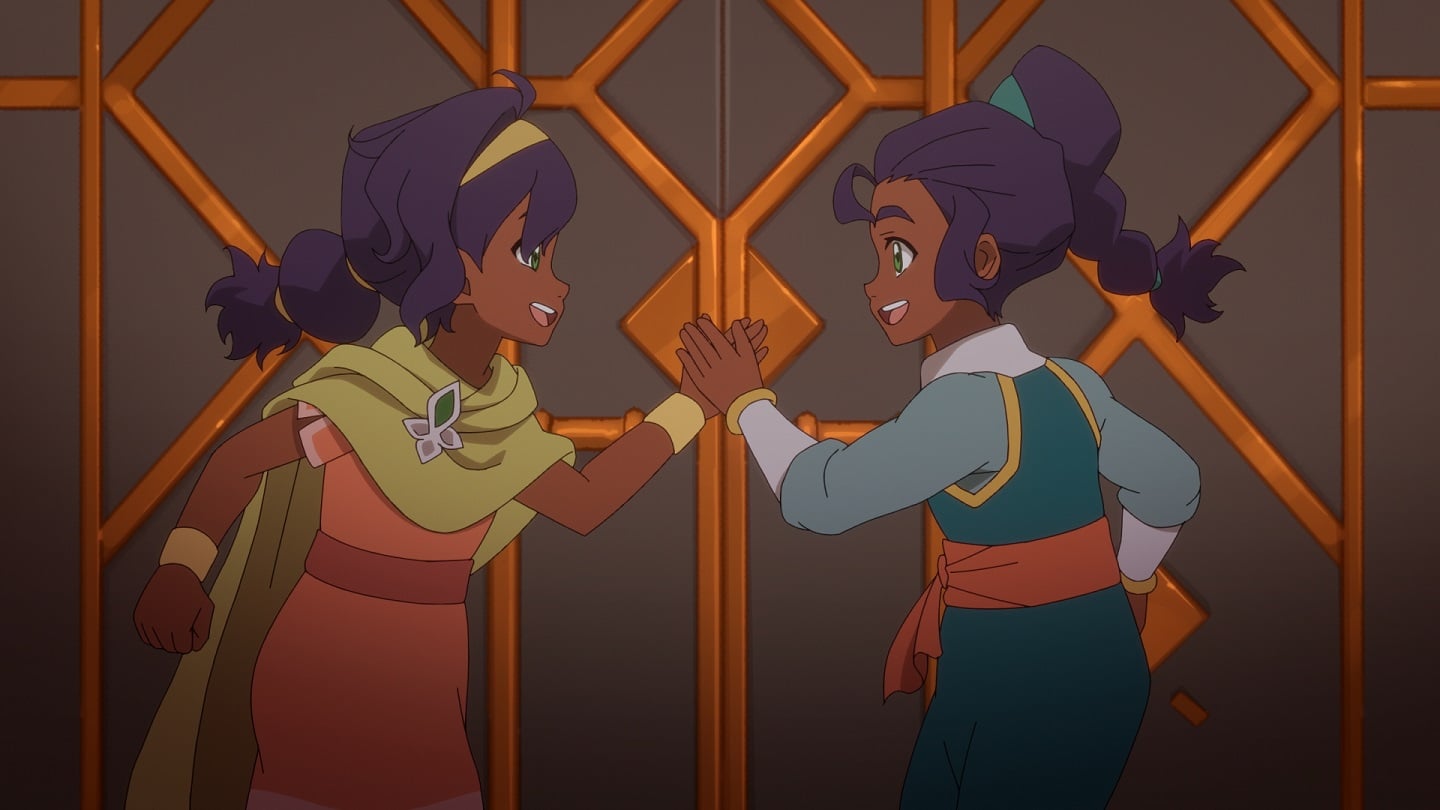

Avatar: Seven Havens, the much-anticipated new series in the beloved Avatar franchise, premiered earlier this month. Set 225 years after the previous series The Legend of Korra, Seven Havens marks a decidedly different direction for the property, with the world completely reshaped by a devastating cataclysm. Of course, the biggest change without a doubt is the Avatar role filled by not one single person but a pair of twin sisters, Pavi and Nisha. Despite the changes, their destiny remains the same—to bring balance to the world.
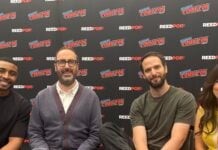
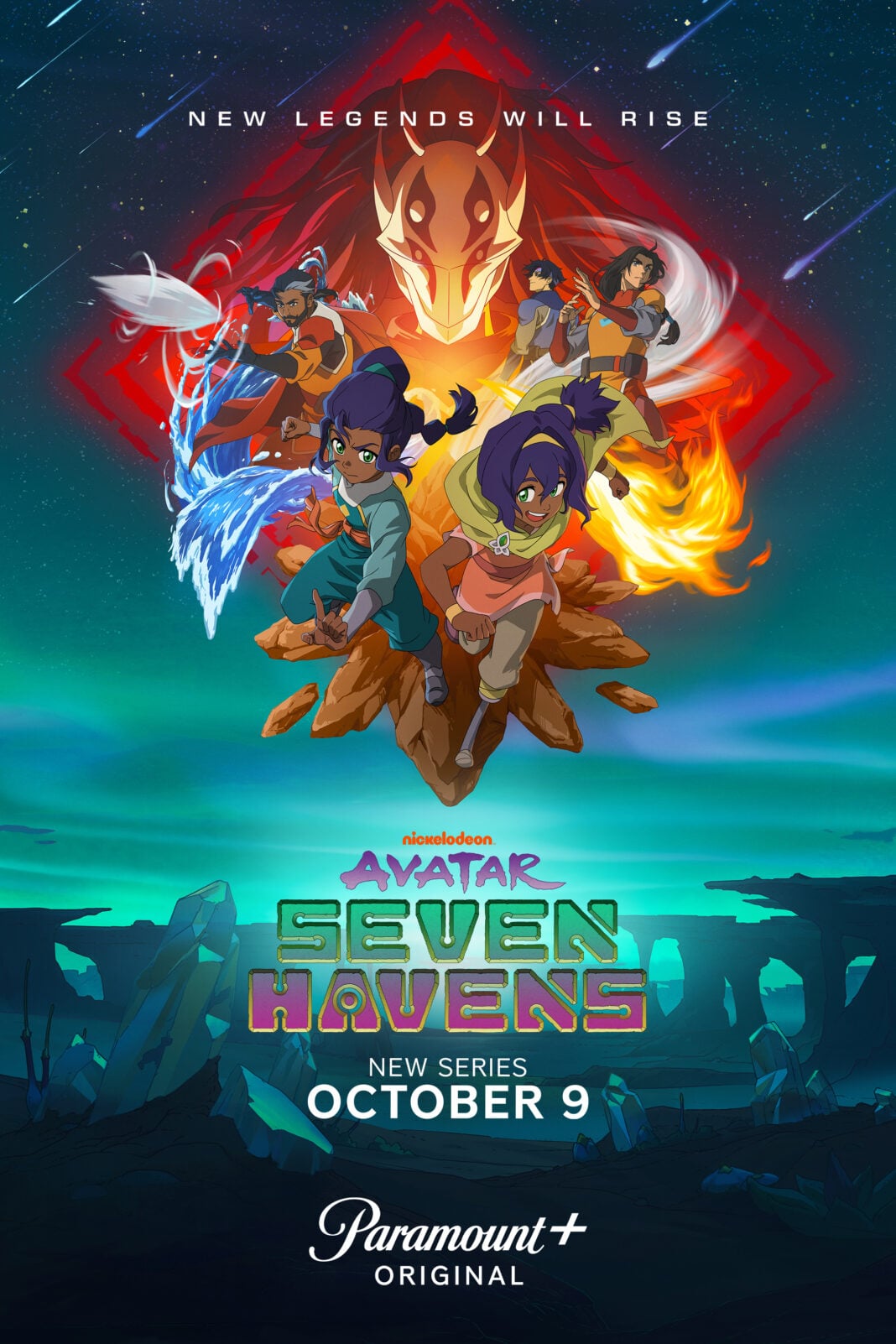 During New York Comic Con, we had the opportunity to participate in press roundtables with other outlets to chat with the cast and crew of Avatar: Seven Havens including voice actors Saheli Khan (Pavi), Aishu Devan (Nisha), Major Curda (Jae) as well as co-executive producer Sehaj Sethi and co-creators and executive producers Michael Dante DiMartino and Bryan Konietzko.
The interview has been edited for length and clarity.
Q: What was the casting experience like and how does it feel to be part of such a major franchise?
Saheli Khan: It’s incredible. I feel so honored and grateful to be part of this new chapter and new journey that this universe is taking.
Aishu Devan: Major said something about how it was under a codename and we didn’t know much about it. I got something that said “a young avenger superhero type thing.” I thought it sounded really cool and then I found out it was Avatar. Me and my cousins were obsessed with it growing up. My parents watched it when they were younger.
Major Curda: It was a dream come true. I grew up on the original series. I watched Korra as it was coming out. I digested a lot of the Legends material. When I found out what this show actually was, because I booked it under a codename, I was so completely over the moon. I can die happy. That’s the level of it. This could be the last line of my epitaph and I’m completely satisfied with that.
Taimur Dar: Voice director Kristi Reed is without a doubt one of the best in the business and I’m ecstatic she’s involved in Avatar: Seven Havens. What was experience having her as your voice director?
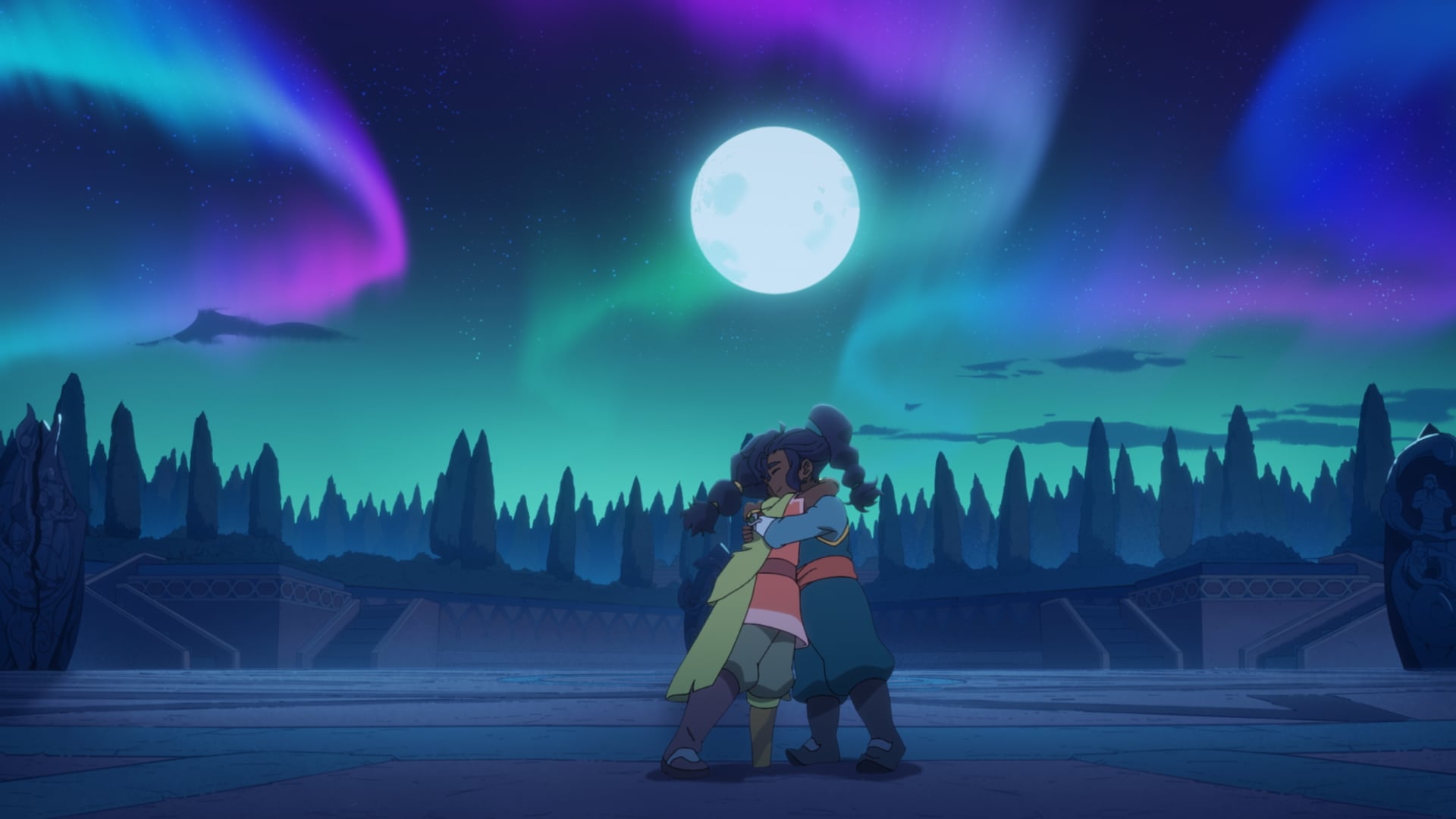
Aishu Devan: This is my first real experience. Kristi is the best director ever. She pushes me [and] created this connection in me to Nisha that I didn’t think I could have with a character. I knew you would have to express yourself with a character but, especially because I was so young and didn’t understand a lot of this, the way Kristi guided me through her emotions and the complexities of her character shaped who I am. Also, Kristi is just such an amazing, kind, and sweet person. I think she’s awesome.
Saheli Khan: She’s very talented at what she does and very surgical about things. She would break things down for you and is really good at what she does. We love you, Kristi. You’re amazing!
Major Curda: Kristi is really extraordinary. I have rarely worked with somebody who is so specific with direction while never venturing into the territory of being restrictive in any way, shape, or form. Her notes were always about what’s happening in the story or happening between two characters or in the environment. We never really got to record any of the stuff together. So who we are responding to when we are reading our lines is oftentimes Kristi feeding us the line. In that way, Kristi is our universal scene partner.
Aishu Devan: Exactly, she is all the characters and yet one character on her own. Also she has this way of [having us] say [a line] three times in three different ways. That definitely helps us get into the character.
Q: What part of yourself did you bring into your character?
Saheli Khan: I’d say me and Pavi are probably the exact same person. So I brought everything about myself into Pavi. I love her so much.
Aishu Devan: I think probably the same thing. Nisha has a heart underneath and I think she brings her vulnerability to people that she trusts. I think I brought my vulnerability. Pavi does that very openly and Nisha kind of hides that because she thinks it might show weakness. Bringing my heart into that vulnerability was very powerful.
Major Curda: So much. He’s a bit of a goody two-shoes which I sometimes have a tendency to be. Or maybe a do-gooder. I grew up on Avatar so I feel like my sense of humor is connected to people like Sokka or Toph or Bolin.
Saheli Khan: Everyone’s calling you the new Sokka!
Major Curda: That’s me and how I make jokes!
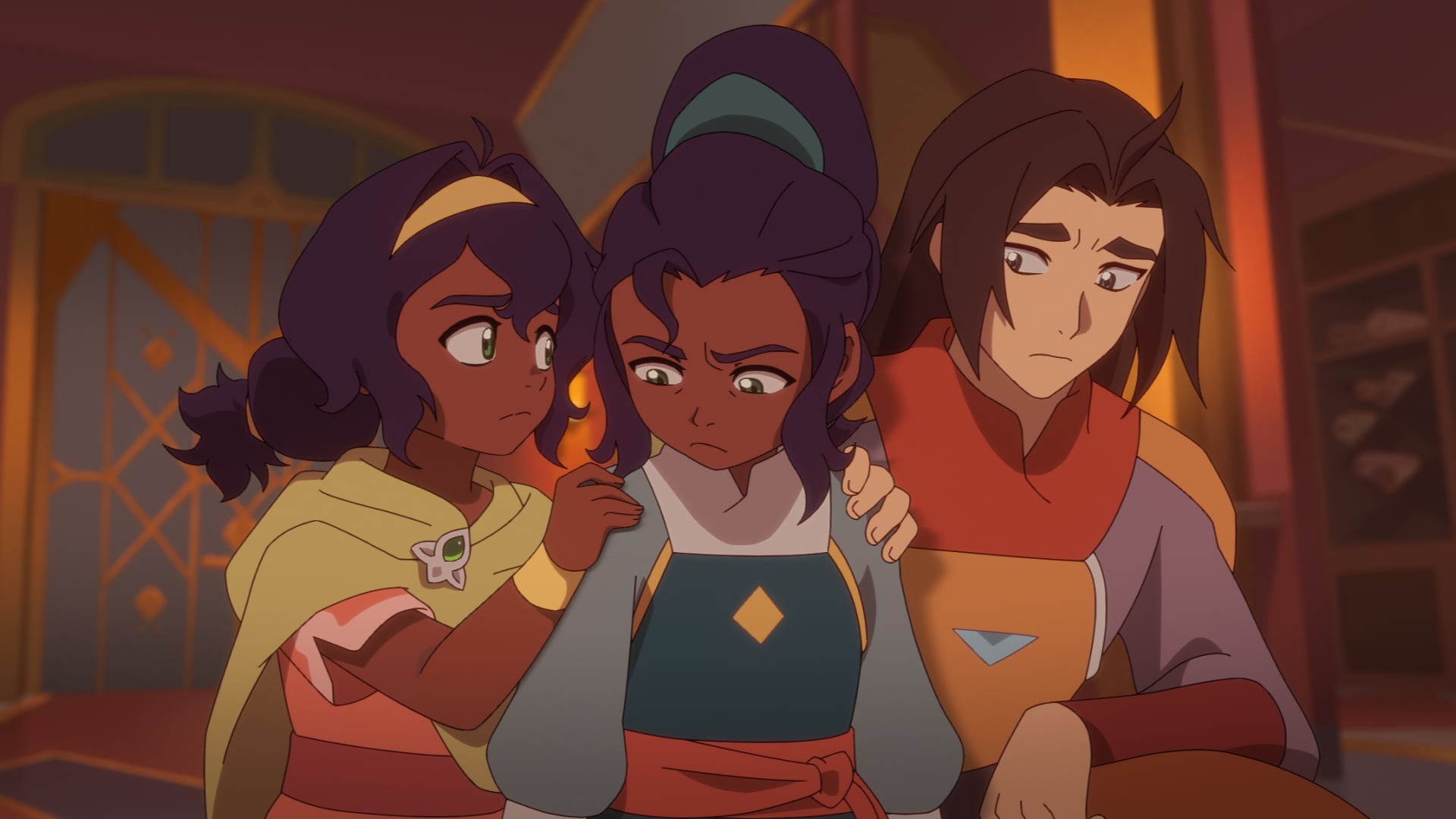
Q: How does it feel to play a character like Jae where there is no ambiguity regarding his queer identity?
Major Curda: The fact that Jae is a queer character in a completely frictionless way is wonderful. We’ve talked about how Avatar is known for its representation but it’s not [just] about representation. In the early episodes you get to know this new guy, Jae, and this other character Datu and they’re boyfriend and boyfriend. That’s it. Nobody is batting an eye.
Q: After working with Studio Miro for the previous Avatar shows, why did you go with a different animation studio?
Bryan Konietzko: We love Studio Mir. They’re our friends and family. We helped that studio get started. They are so busy. This is what happens with people that work with us on the shows too. Dave Filoni runs Star Wars now! [Laughs]. You don’t always choose these things. It’s opportunities. We love Mir. We were lucky we got to work with them with part of the movie. But we couldn’t work with them. They’re too busy and successful and popular and in demand.
Finding studios that can do 2D animation in a Japanese anime influence vibe with action and effects animation with fire, water, and smoke is not easy. If we said, “We’re just going to do CG,” there’d be all these studios for us to choose from. But that wouldn’t be what makes Avatar, Avatar. Not everything lines up the way you might expect. So we have to find new studios and partnerships. We ended up with La Chouette which is an incredible studio in France. We’ve gotten to know some of the key people there over the years and they’re amazing. No matter who we ended up with we were going to change up the art style.
Q: What inspired the decision to platform Southeast Asian cultures in Avatar: Seven Havens?
Michael Dante DiMartino: The Avatar world is very multicultural. There was some representation of South Asian cultures in Last Airbender. But this was a chance to dig deeper into that and highlight it more. It doesn’t mean we’re not doing the other cultures. It’s not an either/or thing. It’s a way to expand the world and be more inclusive.
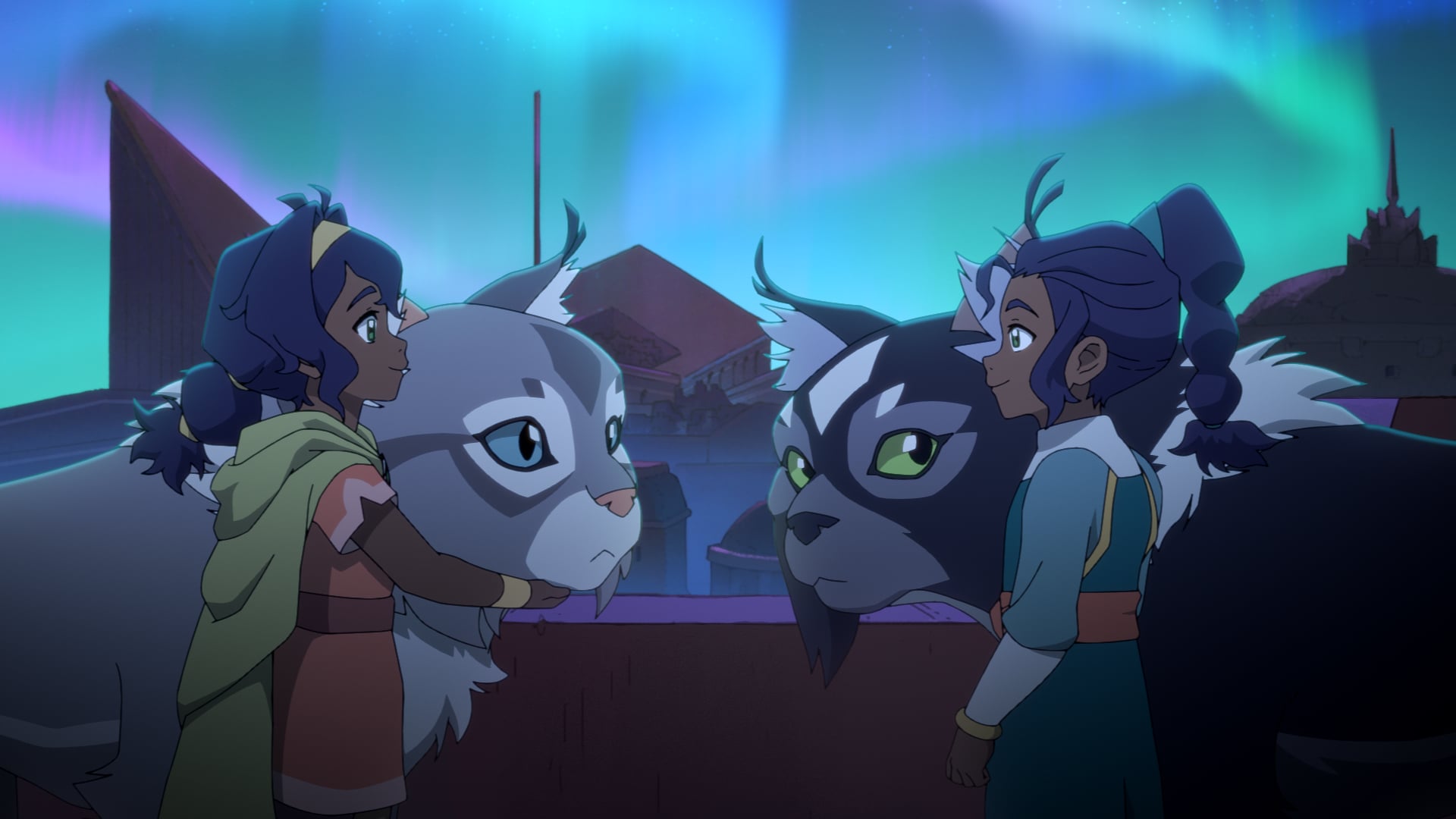
Bryan Konietzko: The Earth Kingdom was always hugely diverse. Some of the East Asian cultural influences were featured more prominently in our older work. I was like, “We haven’t done enough South Asia.” I think the earlier impetus for this series was, “The new Avatar is going to be a 9-year old girl and be South Asian coded and have limb difference.” That was one of our ideas for the post-Cataclysm world and everything else grew out of that.
Sehaj Sethi: I’ve been on shows before where being Indian was the thing about their character. So it was refreshing to get into a world where I can’t do that because India doesn’t exist, but I can use cultural specificity. That’s something that really mattered to me. We’re using different costumes, foods, ways of thinking, and skin tones which is a very big deal. There’s a character I love that signifies North Indian culture and Sikhism which my family practiced growing up. So I wanted to include elements of Sikh culture that you don’t get to see in representations of South Asian culture because it’s usually a generic feeling. It’s like fifty cultures in one and hopefully you’ll see it as we go along.
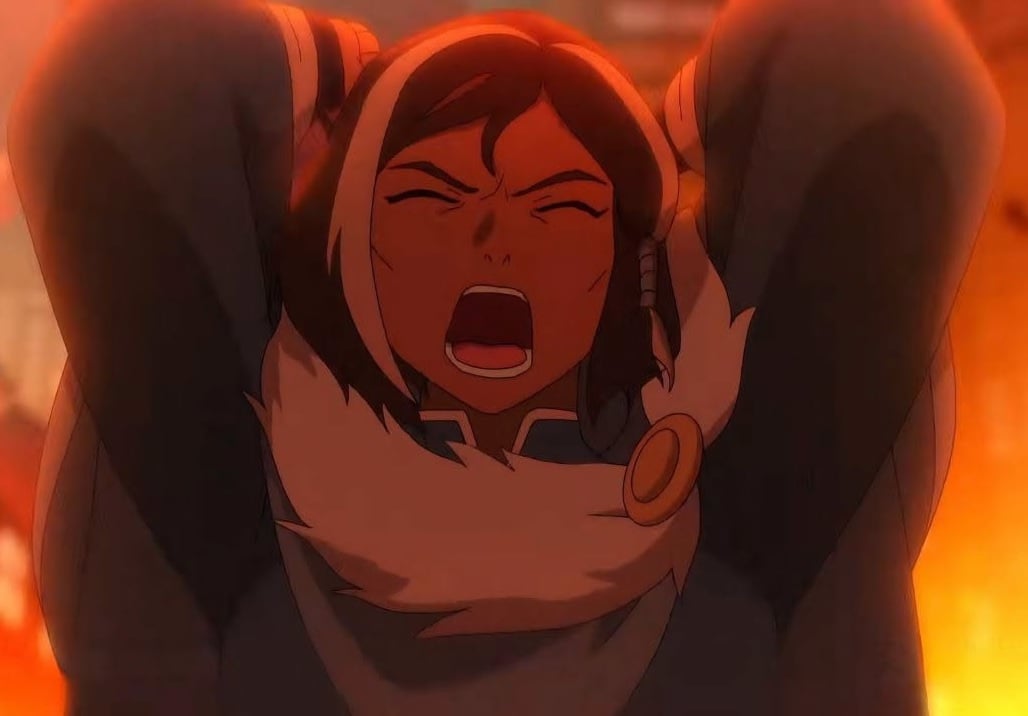 Q: How do you respond to fans upset that Korra caused the great Cataclysm?
Bryan Konietzko: First of all, it’s a mystery show so stick with it. Second of all, there’s an undue amount of, “Korra messed up.” What about Roku? Or Aang? It’s as if everything was fine until Korra did something. Every single Avatar was put in a very difficult situation and had very strong adversaries. Did they all succeed in preventing those things? No. We’re not telling a superhero story. We have this supernatural deity-like character but they’re human. We’re not interested in a magical deity that can make everything perfect. That’s not interesting to me. In the Avatar world there are consequences. Things change and they can’t always go back. I love Korra and stand by her. All of our Avatars have been faced with challenges and they’ve been
Sehaj Sethi: I think people see this as a binary, hero or villain. That’s never been the case in any Avatar show. It’s really not the case in our show. What we liked about bringing in Korra was complexity. She’s a complex character just like Pavi and Nisha. All of our characters have sides where they can succeed or fail. That’s what we wanted to bring to this.
Q: Now that it’s been officially renewed what can you say about the upcoming seasons?
Michael Dante DiMartino: Books 3 and 4 have been written. We’re deep into production. We’re excited for people to experience more of the journey with the girls.
Taimur Dar: There’s a tendency for modern franchises to repeat themselves. Look no further than the new Star Wars trilogy. How did you avoid falling into that trap?
Bryan Konietzko: You’re going to get criticized either way. If you repeat it, you’re going to get criticized for watering it down. If you do something different, people are gong to say, “We wanted the old thing. Why did you serve us this new thing?” So you may as well choose the one that’s going to be more creatively satisfying for you because you’re the one who has to go to work everyday and live with it for years. Someone is watching it in 22-minutes and it takes us a year to make. I’m always going to choose the lane of what story I want to tell and what feels true to us and this world. With bands that I love, there might be an album that’s part of my soul. And maybe there’s an album that’s not for me but good on them for doing something they wanted to do. Even if I don’t love it, I respect it. I would rather that than them writing the same song over and over again. As a creator, I’m always going to choose what is a fresh take while still staying true to the core themes and values.
Sehaj Sethi: I also want to give Mike and Bryan credit being happy to bring new people to the table and hear new ideas. I’ve been in 5,000 meetings with them now. What’s really nice is it’s the best idea that wins. It’s the collective idea that we all think is the best. That can come from one of us or a script coordinator or an intern. It doesn’t matter. It’s the idea that’s best for the story.
Stay tuned to The Beat for more news from NYCC ’26.