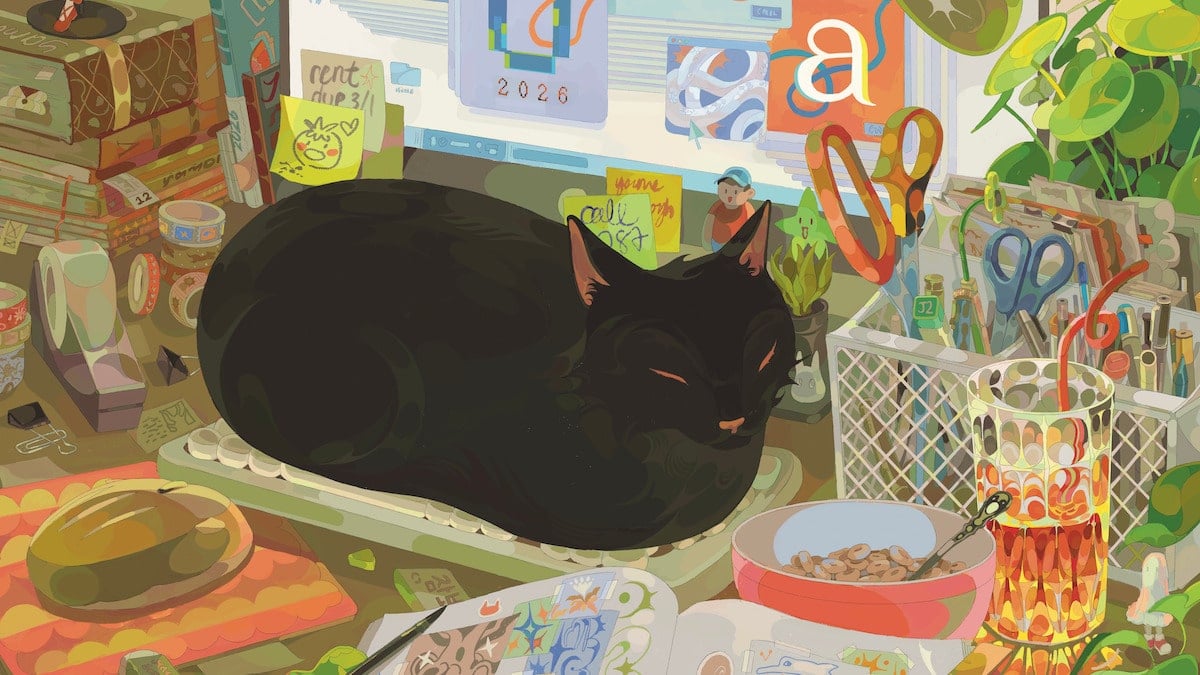

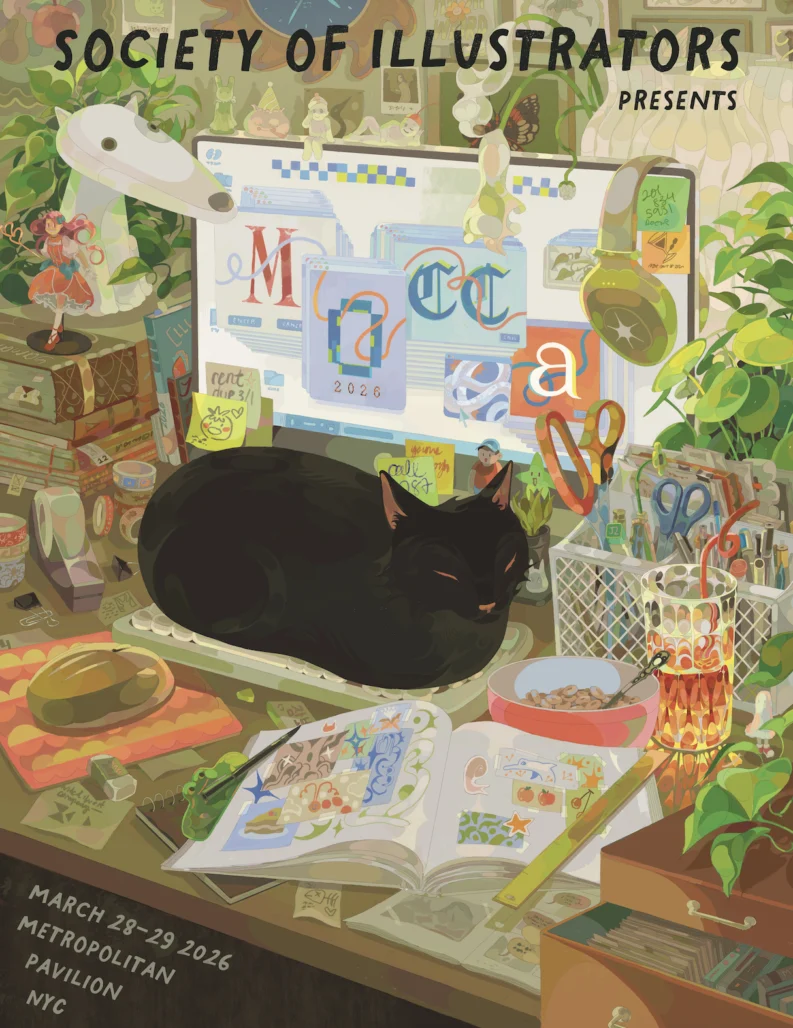
One of the first things that MoCCA fest visitors lay their eyes on just before venturing into the show floor at the Metropolitan Pavilion in Manhattan is a big banner of the year’s featured illustration. It’s become one of the defining features of the festival.
This year’s illustration belongs to Deb JJ Lee, and it shows a black cat loafed up on a keyboard that rests on a desk that clearly belongs to a comic book creator. Scissors, rulers, sketchbooks, and all manner of pens populate the desk. It speaks to the small universes creative people build for themselves to produce work. It set the tone for the festival.
The latest edition of the MoCCA Arts Festival (which ran from March 28-29 of this year) certainly showcased, as it always does, the work of indie comics creators, cartoonists, animators, and artists in a confident way that could be felt throughout. This isn’t an event in search of an identity. It knows what it is and who its audience is.
Walking the floor meant having the chance to visit mainstays like Abrams Books and Fantagraphics, both with their latest books on display. That said, the majority of the artist tables there belonged to creators that self-published their way there. Booths dedicated to new digital art apps and programs were also on display and ready to be tested by interested parties.
This has been a defining feature for MoCCA. There’s always been a concerted effort to bring the latest in digital tech to artists. As such, artists don’t just get the chance to present their work to the public. They’re also invited to look at the future of the tools they use. Xencelabs in particular had a strong presence, making it a necessary stop for those who prefer to draw on tablets.
MoCCA’s yearly programming has been a treasure trove for indie comics enthusiasts, especially those who’ve been immersed in the scene for a long time. This year saw panels on Michel Fiffe’s COPRA, the legacy of Jack Kirby, and on the 50th anniversary of The Comics Journal. Deb JJ Lee was also spotlighted in a panel, which unfolded as a conversation with artist and writer Morgan Boecher (Chicken Heart).
It’s still not ideal having to exit the Metropolitan Pavilion to then walk three streets up to the Flatiron Gallery to enjoy the festival’s panel programming. The conversations, though, are worth it as they’re not the kind of talks one usually gets at the bigger conventions. Those are mostly reserved for big announcements and more popular topics (though not exclusively). MoCCA’s tend to revolve around the complexities of indie comics and the experiences that shaped (and continue to shape) the community.
A few of the highlights from the show floor include the Living the Line table, which had their latest Smudge horror manga available for purchase: Kawashima Norikazu’s The Girl Who Raised the Dead. The book follows a girl that gets strange powers after being struck by lightning only to then be asked to perform healing miracles. It’s a commentary on power and the limits those who wield should abide by, or risk losing it altogether. In that regard, it shares a lot with Norikazu’s true masterpiece Her Frankenstein, which was also published by Smudge. Power is a common theme in both stories.
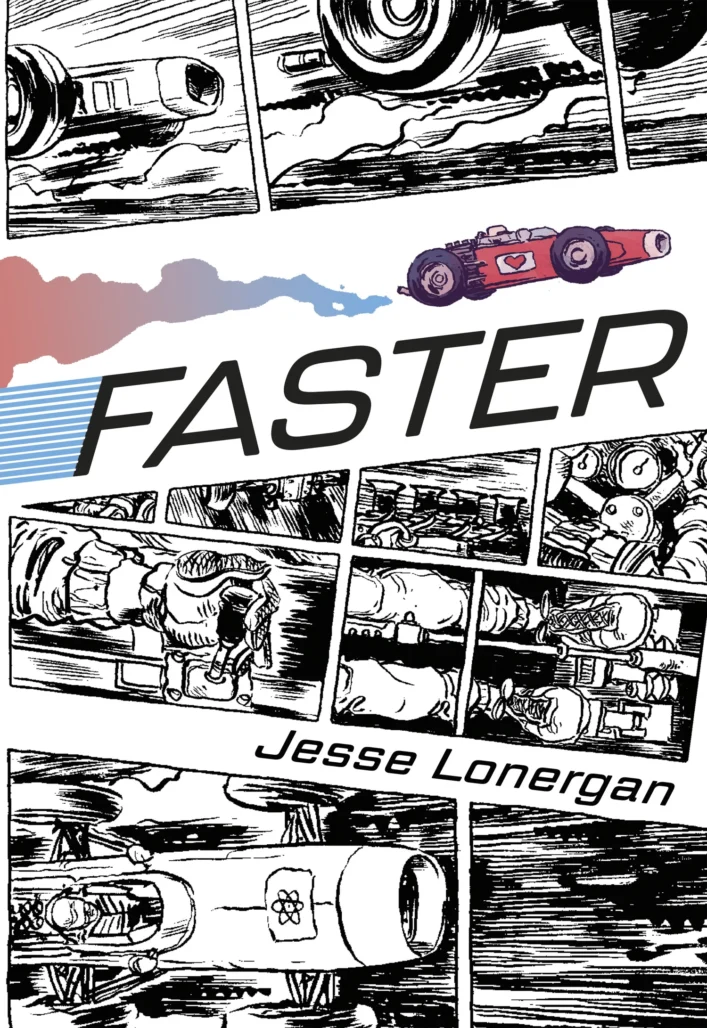
Bulgilhan Press was also a necessary stop, especially for fans of Jesse Lonergan. The complete edition of his comic Faster was available at their table, and it’s a must for fans of Speed Racer and the Burnout video game series. It’s a kinetic celebration of speed, color, and cars (both inside and out). Shout out to Bulgilhan for having one of the most elegant paper bags for customers at the show.
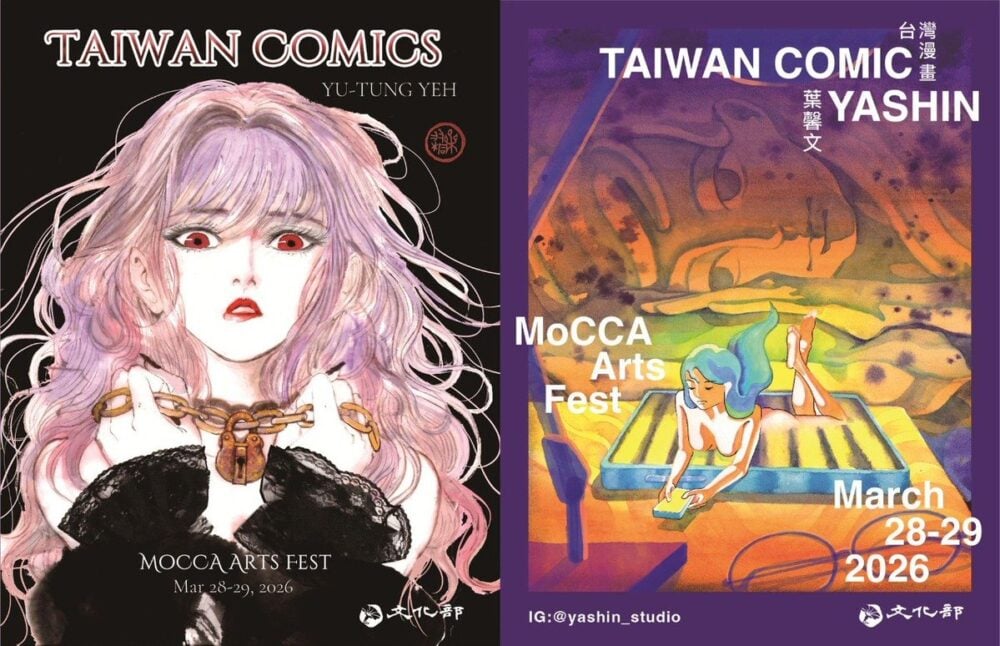
Of note was the participation of Taiwan Comics, with artists Yashin and Yu-Tung Yeh in attendance at their booth. They were presenting A.I. Meets Ghost, the story of an AI-powered cat that comes into contact with a ghost that contemplates death and paying off her condo. There’s really no better way to explain this story without spoiling the surprises each chapter brings. Just know it’s unlike anything you’ll ever read.
MoCCA 2026 gave indie comics yet another year of visibility and support. The next one will mark the 25th anniversary of the festival, which means it’s fair to expect big things to celebrate reaching that milestone. Moving forward, it’s fair to ask what’s in store for the future of the event. The separate location for the panels still needs rethinking to make the experience more seamless and readily accessible. It might require changing venues. Some parts of the show floor could get worryingly crowded, too. It’s a good sign for ticket sales, but not so much for mobility. Whatever comes next, fans should know it will serve to make a great comics gathering even better.