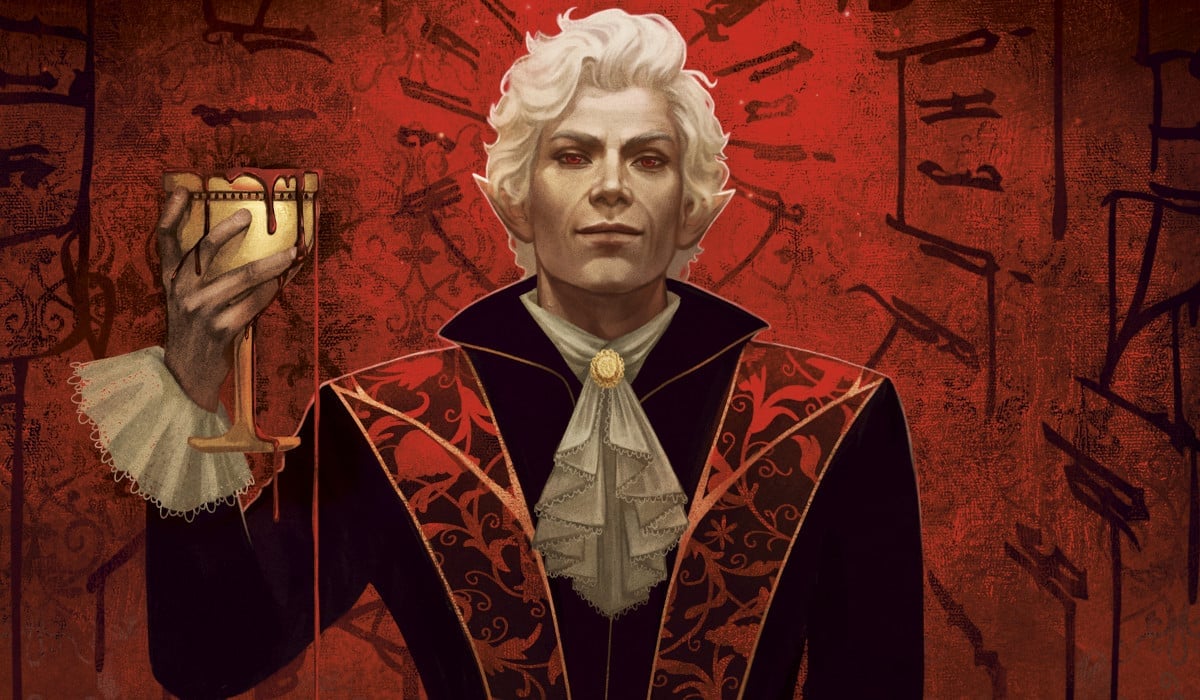

I have a confession: I have never played as a male character who romances another man in a video game. This shouldn’t be surprising, given I’m straight, but as someone who’s played (and replayed) many story-driven, choice-based games, MLM (man loving man) relationships are conspicuously absent from the love stories I’ve role-played. Probably the closest I’ve come was on my third playthrough of Dragon Age: The Veilguard, pairing a non-binary Rook with the non-binary Taash. In contrast, I’ve played as women in queer and straight relationships in numerous other games, including the Mass Effect, Assassin’s Creed, and Life is Strange series.
That’s not to say I haven’t played as a queer man: Assassin’s Creed Syndicate’s Jacob Frye is bisexual, and had feelings for the secondary villain Maxwell Roth. It can be argued the presence of same-sex options makes a player character bisexual, no matter what, but this isn’t always true: Alexios (from Assassin’s Creed Odyssey), and the male version of Eivor (from the sequel Valhalla), aren’t even the canonical protagonists at all.
Fact of the matter is, there are still very few canonically queer male protagonists in video games. Trevor Philips (Grand Theft Auto V) is indeed bisexual, while Baldur’s Gate 3’s Astarion, Gale, and Wyll are all pansexual. (Is it any wonder that game has such a devoted following?) Master Chief (Halo) is asexual, and Yasuke (Assassin’s Creed Shadows) can be considered biromantic, though (as revealed by playing in canon mode) he doesn’t pursue any romances at all. However, they stand in contrast to the vast majority of playable men in games, from 007 and Batman to The Witcher and Yakuza, who are straight or “playersexual,” if they even have a love interest at all.
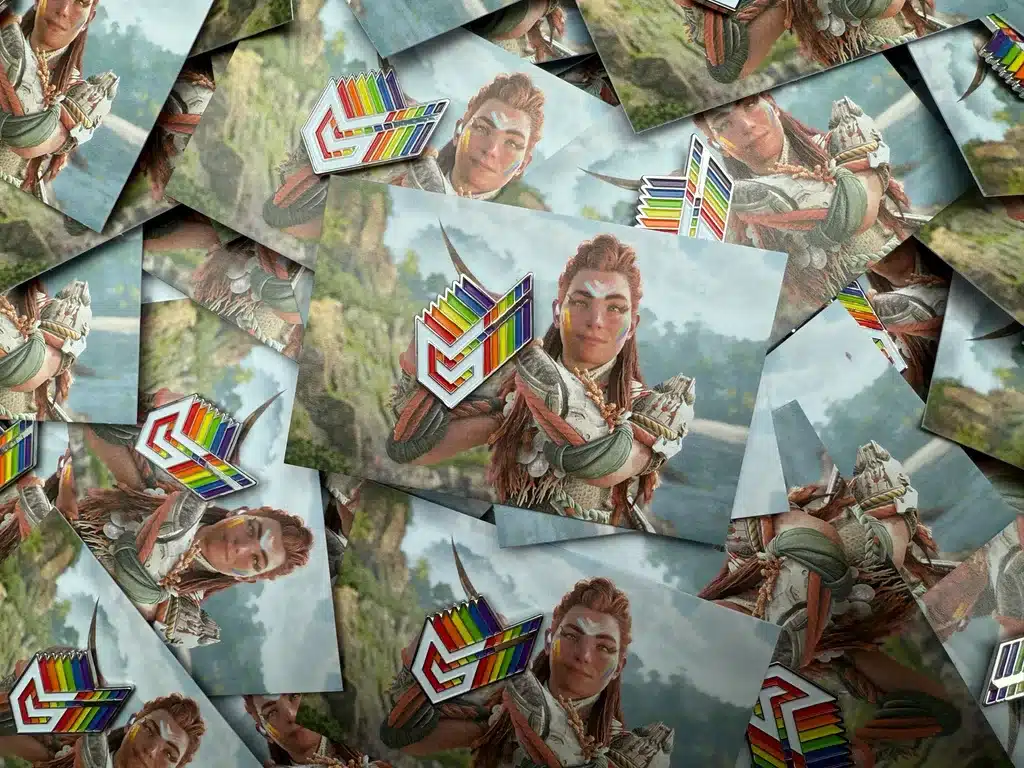
This might be the case with playable female characters too, but Ellie Williams (The Last of Us) and Aloy (Horizon Zero Dawn & Forbidden West) are both lesbians, and major faces for Sony’s PlayStation. Life is Strange’s Max Caulfield, Chloe Price, Alex Chen, and Steph Gingrich, are all canonically queer, while The Witcher’s Ciri (who is set to take center stage in the fourth game after being made playable in the third) is bisexual, and can even state she prefers the company of women. It’s a very different landscape, likely because the dark side of gaming fandom is relatively more “tolerant” of women loving women than MLM.
The point is, if representation is mostly optional, is it representation at all? Does it really help someone who’s afraid of coming out if his alter-ego can stay closeted? Queer supporting characters like Dragon Age’s Dorian Pavus are wonderful, but gay men have to play as straight heroes all the time, and they’re well overdue for a leading man in a game who, no caveats, no apologies, has a male love interest. Let there be a sad dad game where the dad had a husband, or an adventure title where the male playable character’s only romance options are men. Heck, make another Deadpool or Guardians of the Galaxy game that acknowledges Wade Wilson and Star-Lord’s sexualities.

LGBTQ+ representation is sadly always going to be subject to bigotry, pushback, and even censorship. It is unfortunate any hate campaign is more likely to be influential than it would have been 10-15 years ago, when the negative response to the addition of queer male love interests in Mass Effect 3 amounted to a wet fart, but that’s all the more reason for a game where an MLM romance is as essential as the love story in any other major release. Thankfully, the vast majority of gamers should be indifferent or baffled about any furore, especially with the strides in inclusivity that have been made: if Grand Theft Auto VI’s male lead was bi (in an earnest way, unlike Trevor), then yes, there’d be a lot of ugly reactions, but it wouldn’t affect the sheer number of players expected at launch.
As far as I can tell, the most prominent game where a male same-sex relationship is essential to the plot is Dream Daddy, a romance simulator about a widower who has the option to settle down again with several other different fathers. It was released in 2017, almost a decade ago now. Games with optional LGBTQ stories are great and all, but so are more specific stories, and it’s unfortunate Dream Daddy remains the outlier in the near decade that’s given us the first MLM romance for Doctor Who’s title character, Benoit Blanc, Star Trek: Discovery, HBO’s Watchmen and The Last of Us, Peacemaker, Doom Patrol, Legends of Tomorrow, Netflix’s Umbrella Academy and Nimona, AMC’s Interview with the Vampire, Our Flag Means Death, Heated Rivalry, Heartstopper, Stranger Things, Agatha All Along, Love, Simon & Victor, Everybody’s Talking About Jamie, Bros, Red, White & Royal Blue, Dead End: Paranormal Park, and so many more.
God, listing all that media with queer male representation you can’t opt out of really puts it in perspective, doesn’t it? But I believe in video games, as an art form and medium, and I believe there can be one that can be considered the equivalent of Moonlight, Flee, or Lawrence of freaking Arabia. So here’s hoping we get a curveball soon, and it turns out Control Resonant, Silent Hill: Townfall, Clutch, or any other major, recently announced game is hiding a queer hero in plain sight. Admittedly, I probably won’t play most of those, but that’s all the more reason for more queer male game heroes, and besides, this isn’t about me, it’s about openly queer male/masc gamers, and those who may be susceptible to the influence of bigots.
Happy Pride Month.