Julia Flang has found herself at an odd position in her life. She’s in-between jobs, depressed and aimless, attempting to figure out her next steps as a young adult whose main skillset involves playing video games online whilst livestreaming to teenagers. When a fascinating, unethical job offer lands on her doorstep, Julia finds herself in a position she could never imagine herself in; stuck in the forefront of a technological revolution, that will change the world around her forever and permanently damage her view of the world around her. The newest novel by acclaimed horror novelist Paul Tremblay explores the creation of artificial intelligence in a flawed but fascinating entry into the authors’ catalogue.
Tremblay first broke out into the scene with his third novel, and first horror novel, the brilliant A Head Full Of Ghosts in 2015. Since then, he’s regularly contributed to the world of horror literature, never writing the same book twice. For thus unfamiliar with Tremblay’s style, I would describe him as a horror post-modernist, consistently experimenting with form and style in every novel he does. The Pallbearer’s Club, for example, cuts between manuscript novel pages and critical editorial notes, whilst Horror Moviehas sections written as cinematic script. Dead But Dreaming Of Electric Sheep is no different, explicitly written with Tremblay’s ideological frustration with artificial intelligence in mind as a guiding principle, and with vivid, House of Leaves-style pages of formalist experimentation.
This book, in particular, was driven by anger and frustration, for sure. Not every book is going to be driven that way.
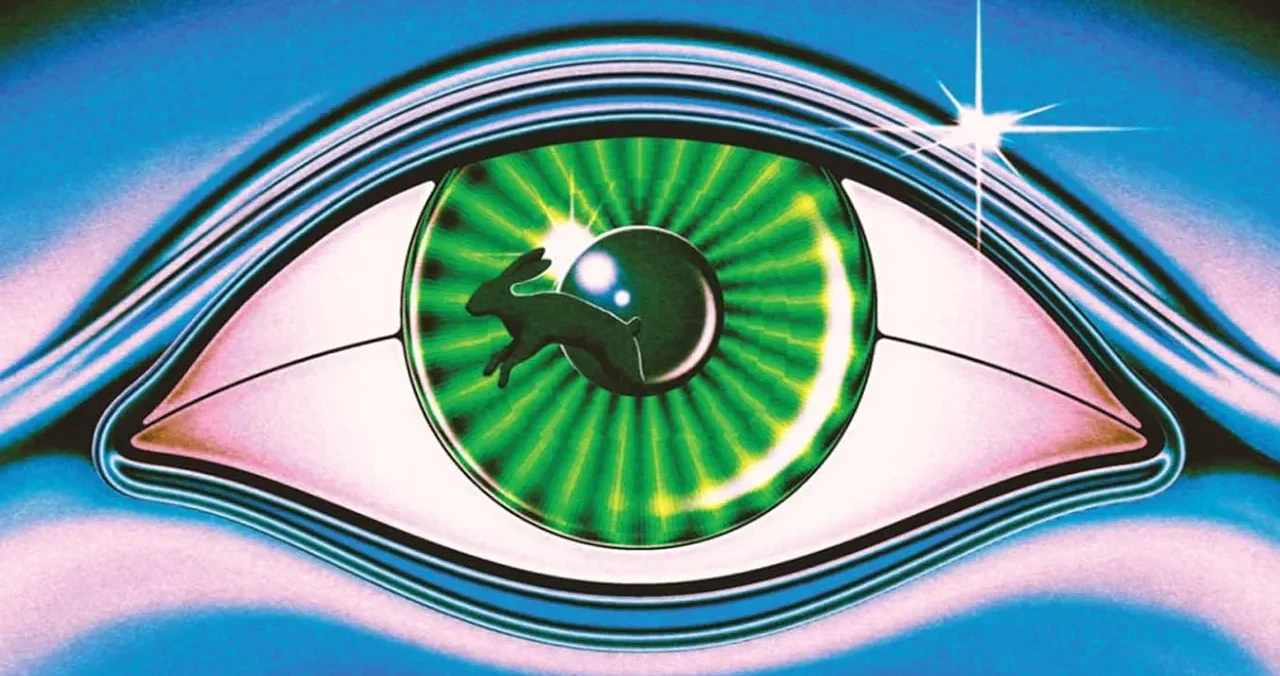
Courtesy of Scholastic
As mentioned previously, Dead But Dreaming Of Electric Sheep follows the young Julia Flang, a former live-streamer currently struggling to make ends meet. When her mother, who she has a contentious relationship with, offers her a one-of-a-kind job at a tech company, Julia reluctantly takes on the prospect, finding herself in a situation that’s hard to fully comprehend; she has to pilot a dead body like it’s a video game character, until the in-built artificial intelligence buried within the body learns how to function independently. Over the course of the novel, we follow Julia as she gradually learns how the process all works, consistently debating whether she will take on the job or not, and if she does, how to make herself feel ethically comfortable with what she’s doing. There’s not actually a lot of plot here, strictly speaking, as we follow Julia over the course of a few days of crucial decision making and traveling. Julia’s sections are intercut with chapters written in the second person, that experiment with formalism and stylization, titled ‘You’ chapters, and the mystery of what’s really going on here gradually unfolds as you read.
This leads me into one of the major issues of this narrative, which is the pacing. It initially begins as a slow burn, as we carefully follow Julia’s exact thought process and choice-making, getting inside her head in an intimate way. Tremblay works hard to make her line-of-thought understandable and memorable, and we learn a lot about Julia quickly. She’s relatively privileged, sarcastic, obsessive (particularly about The Big Lebowski) and socially inept. She’s easy to understand, especially if you relate to any of those characteristics, but then the story accelerates in pace around 200 pages in, as it approaches the final third of the novel. Suddenly, things start happening significantly faster, and part of me suspects this is an intentional decision, mimicking the sudden feeling of the rise of generative A.I and the ‘snowballing’ impact of it on society at large. However, it ends up becoming quite frustrating, as just when the plot is beginning to find it’s feet and become a compelling techno-horror thriller, things begin to wrap up after spiraling out of control. The final hundred or so pages are pretty brilliant however, a bewildering and chaotic explosion of existential, technological fear, with a shocking ending that I didn’t see coming even if I really should’ve picked up on some of the hints about it. It’s rare that I think a book could’ve used maybe 50 more pages, but it definitely would’ve worked well here.
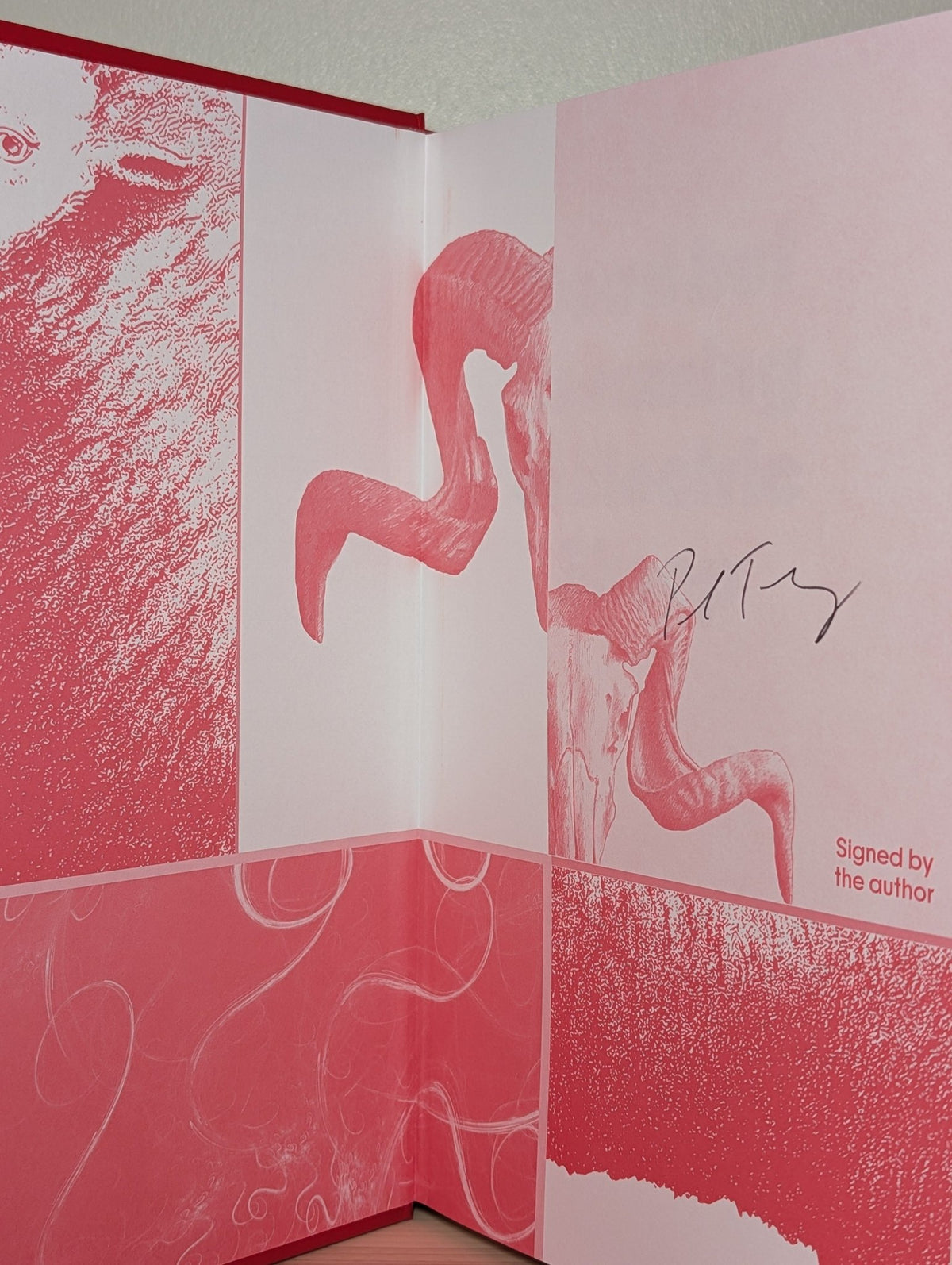
Courtesy of Fialta Books
Julia is an interesting narrative lead in this novel. As a member of Gen Z myself, I can comfortably say she is an honest and true representation of what many of my generation are like, albeit perhaps a bit exaggerated for the purposes of adding some humour and levity to the novel, complete with her niche hyperfixations that she awkwardly attempts to throw into conversation whenever she can. It’s nice to have a regularly ‘normal’ person as the protagonist for this type of story, emphasizing how it impacts everyone and is baffling to all, especially as Julia desperately searches for the same answers we are naturally searching for as readers. She’s quite different to previous Tremblay protagonists, admittedly more grating but there’s definitely a point to that here; Julia is made to feel more like a person, complete with flaws and frustrating tendencies, than the people around her, who feel more fake and corporate. There are however, maybe a couple too many pop culture references here compared to my liking, but perhaps that is just to evoke genuine human art in contrast to the cynical, run-by-numbers work of the company Julia finds herself working for.
The ‘You’ chapters are staggeringly good here, with Tremblay’s greatest strengths on show throughout. Written in a confrontational second-person manner, they interrogate the narrative itself, how it’s been told, and how we perceive it, as we learn about ‘You’, also known as ‘Bernie’, the body that Julia is piloting across the country. These floating, dreamlike sequences are full of formalist experimentation, such as pages entirely occupied by single repeating sentences, or overlapping text, or paragraphs bouncing between two narrative voices whilst being on the same page. It could feel gimmicky, but instead it feels like the heart of the book itself, tying together Dead But Dreaming Of Electric Sheep as a novel exploring the existential nature of artificial intelligence and just how threatening it is as a factor in our lives. There’s some jaw-dropping moments in these chapters that really allow the book to shine, and it almost makes me wish they took up more of the book, but I understand that would lessen their impact when they do appear. There’s easter eggs and references to some of Tremblay’s other works here as well, which makes it fun for long-time fans and consistent readers, if unintentionally causing some major questions as well.
Courtesy of The Broken Binding
Thematically, Dead But Dreaming Of Electric Sheep is a truly fascinating book. This feels like one of the first major author releases tackling the subject of generative artificial intelligence in any meaningful way, but unfortunately I can’t help but think it could’ve focused more on it. I understand the urge to be subtle, and not repetitive, but it ultimately feels like it could’ve been a more apparent, passionate and visceral takedown of A.I, particularly when taking the book’s context into account. The existential parts are handled beautifully, as ‘You’ consider what it means to exist, and to be alive, and whether you actually are truly living if you are under the thumb of a malevolent artificial intelligence. Julia stops herself at every major plot development to consider the ethics of what she’s doing, and her moral struggle forms the spine of the book’s plot itself, allowing it to examine how benign intentions like making money and progressing humanity end up backfiring into something sinister and overwhelmingly unethical. The two narrative viewpoints allow the reader to see multiple perspectives on the same issue as well, which is a great decision and helps greatly to enrich the novel itself, but unfortunately it just feels like it could be far more open in it’s criticism of artificial intelligence. If you’re tackling a huge topic, one actively changing all of our lives at the moment, might as well swing for the fences. After all, it’s harder to get a home-run if you don’t. As Tremblay himself says:
My favorite works of horror inform and make me fear (or even more afraid) of the present. When I’m writing a horror story, even if it’s not set in present day, I’m aiming to engage with and disturb the readers of our current data-glutted-disinformation age.
In conclusion, Dead But Dreaming Of Electric Sheep is a commendable effort from Tremblay to tackle artificial intelligence, with some genuinely fascinating creative decisions all made in service to the larger thematic point, but it lacks the teeth to really make a mark on the subject matter it’s discussing. Despite being home to some of Tremblay’s finest, most brilliantly written chapters, and a truly fantastic final third that explodes into a huge, climatic finish, it’s a very uneven read, and perhaps needed more pages in order to truly thrive. This is a big topic, a hard thing to tackle in a small book, and unfortunately the pieces don’t quite all fit together here. In spite of this however, it is still ultimately a thrilling and engaging book from one of the best novelists in the genre, and I would always encourage reading it for yourself to make up your own mind about it. Tremblay’s recent work can be divisive, but that’s because he takes big risks. No two readers of his have the same favourite of his work, and this will no doubt become someone’s favorite of his as well, even if I had some issues with it as a whole – but it’s better to have a novelist take risks and be bold and innovative than just play the hits. After all, that’s one of the reasons we all adore human creativity so much – we can innovate and try something new, and even if it doesn’t always work out, it’s always worth trying.