
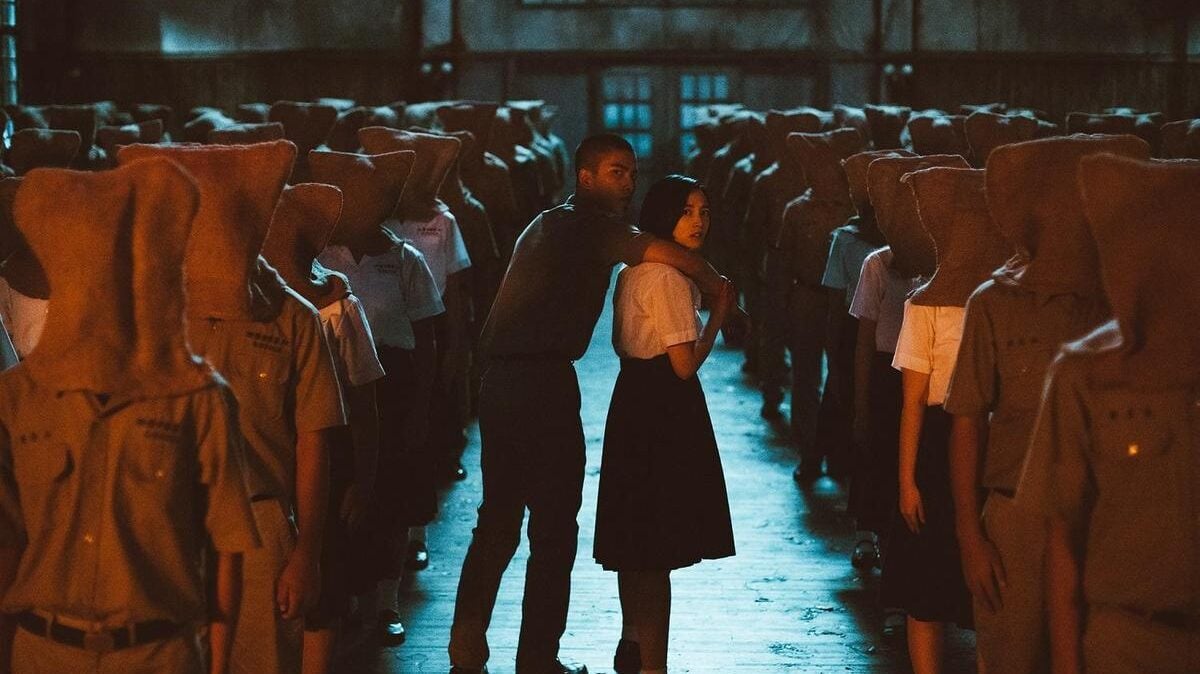

History is a factory of angry ghosts. The darker and more violent the memories in it, the harsher the spirits it conjures. It’s a sentiment the 2019 Taiwanese film Detention takes to heart, a story that looks at Taiwan’s White Terror period to explore the consequences of repressing freedom of expression in schools and how reliving the trauma of it can be its own act of resistance.
The White Terror refers to a period of extreme political persecution and suppression in Taiwan that ran from the late 1940s to the late 1980s. Its aim was to stamp out communist sentiment among the populace by silencing dissenting voices against the Kuomintang government, which had been pushed to Taiwan after losing the Chinese Civil War to the communists in 1949.
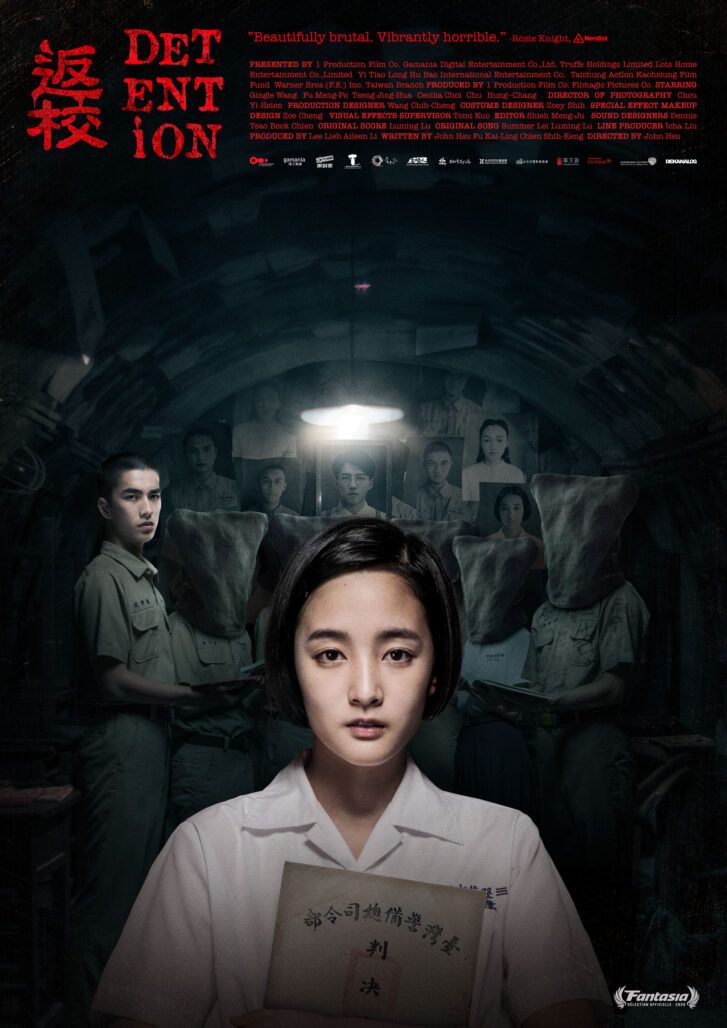
Detention, directed by John Hsu, sets its story in 1962, well into the White Terror. It follows high schoolers Wei Chung-tin (Tseng Ching-hua) and Fang Ray Shin (Gingle Wang) as they engage with the realities of state-sponsored violence for different yet fatally intersecting reasons.
Wei Chung-tin belongs to a secret book club ran by two teachers, Mr. Chang and Ms. Ying. They not only read banned books but also make copies of them by hand so they can lend them to each other. Fang Ray Shin is a troubled girl that comes from an abusive household. She finds in Mr. Chang someone to confide in, someone to feel good with. One day, Wei accidentally bumps into Fang. Things get complicated from there on, especially after Wei gets arrested and submitted to torture.
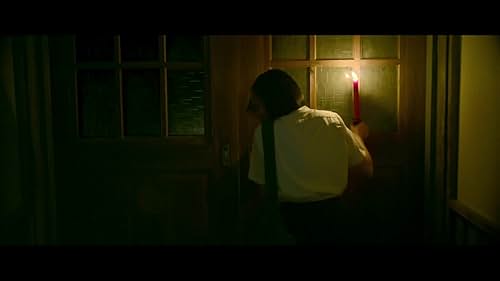
Wei and Fang meet in a nightmare world in which mirror-faced military phantoms patrol the dark schoolgrounds. They’re trying to figure out how the book club was found out. As they navigate this dark realm, the ghosts of dead students haunt the halls of the school ready to dispense with secrets of their own, all of which pull the veil back on the torture and death that follows military detention. The Kuomintang is always around the corner, keeping a watchful eye for potential communists in the spirit world.
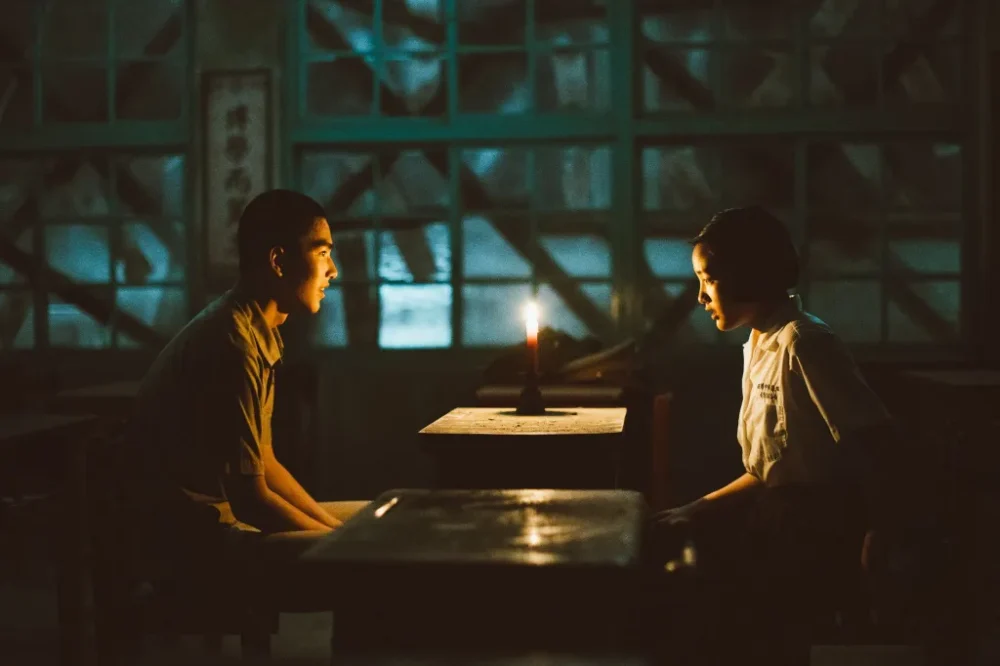
Detention lets the history of the White Terror carry the weight of its haunts and its characters arcs. It’s an oppressive force that doesn’t need a ghost to be onscreen at all times to remind us of it. On the contrary, the movie chooses the time and place for its supernatural elements to become known quite carefully. The point isn’t to elicit meaningless jump scares. It’s to confront a system that turned everyone into either an enemy of the state or a weapon of the state.
In this context, capture can go one of two ways: death or forced complicity. It all hinges on whether or not to give information that leads to the arrest of other “dissenters.” The cost of cooperation is steep, though. New traumas sprout from the decision to inform on others. The act creates monsters out of innocent people. This is the oppressive regime at its most destructive, and it’s what lies at the center of the horror in Detention.
Tseng Ching-hua and Gingle Wang give committed performances that make the messaging come through as clearly as possible, and with the amount of pain needed to drive it. Living under a repressive regime where reading the wrong thing can lead to a public hanging requires a seriousness that accounts for the severity of the experience. The two leads prove more than capable, which allows Detention to lean into the bleakness of the story to give the White Terror an even stronger punch.
Gingle Wang in particular does an exceptional job of portraying Fang as the very personification of stolen innocence. Her approach to the character accentuates the dangers of wearing one’s vulnerabilities on their sleeves in times of martial law. It opens the door to manipulation and to involuntary collaboration. Director John Hsu takes advantage of this to create some of the film’s most striking horror visuals without losing sight of character development.
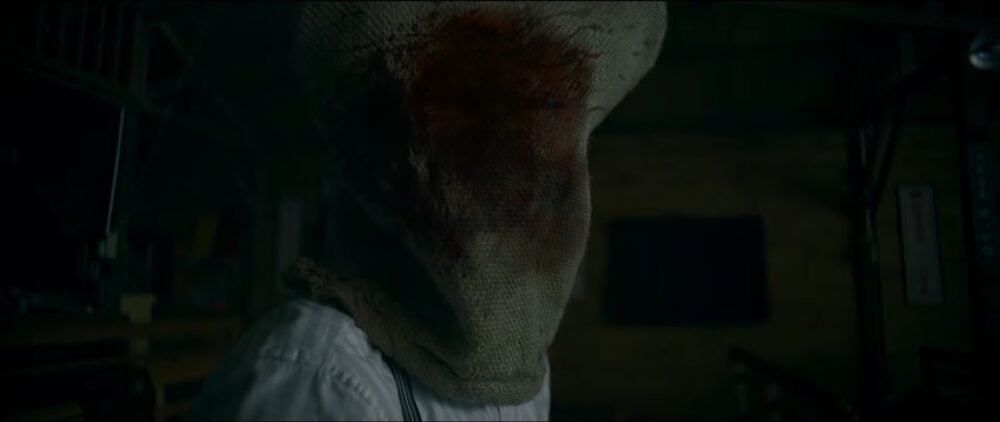
The haunted school carries special weight here. Hsu portrays it as a place that no longer guarantees safety or education. Instead, it becomes a contested battleground. For instance, in addition to the military phantoms with the mirror faces, the halls of the school are also haunted by students with their heads covered in burlap sacks.
This was a common visual during the White Terror period. To be taken away with a sack over your head meant that the chances you would ever see daylight again with your own eyes were slim. Often, those detainees were taken to isolated areas and executed. When these ghosts make themselves known, the audience is made aware of how effective death can be in reshaping the identity of a place.
The movie also constantly reminds us of the consequences defiance can yield. When death is always an accusatory whisper away and school-aged kids aren’t exempt from it, it’s important we’re aware of the lengths governments will go to keep control over their citizens. Wei and Fang confront this as they peel away the layers of the story that landed them in the spirit world. It’s why getting the story right is so important to them.
Consequently, remembering the violence and its victims becomes a responsibility survivors are also forced to carry, even for those who might’ve informed on others for the sake of staying alive. Everyone must be given the chance to share in those memories to grieve and to heal. Detention makes a strong case for this. The memory of political violence is meant to act as a deterrent to safeguard future generations. Hsu’s film is simply doing its part.
Detention is one of the best examples of the work horror can do in keeping important memories alive. It essentially creates a scary but accessible gateway to a history that should never be forgotten. Whereas movies like Night of the Living Dead, They Live, and Videodrome are more reactionary and immediate, Detention is more confrontational at an intimate level. It brings the ugliness of a specific point in time to the forefront and demands audiences reckon with it. And yet, it makes sure its ghosts are never scarier than the forces that created them. History is terrifying enough.