
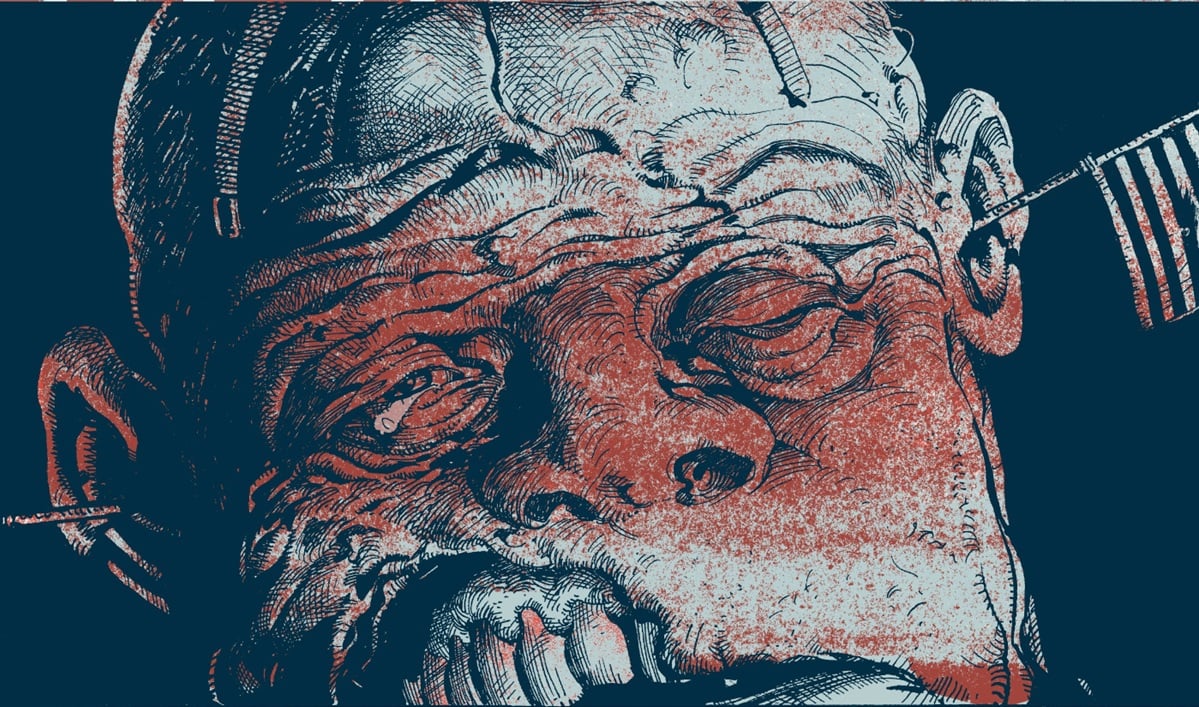

Some pieces of fiction tend to use ugliness, disability, being monstrous as a shortcut to show villainy. That somehow the inner evil nature of a character is reflected in advanced age or unattractive characteristics. Like the wicked stepmother from Cinderella or The Shadow King from X-Men.
Ultimately, it’s a cheap visual out that we should really get away from. An example of systemic ableism that we’ve built in to our society. Especially since evil comes in many forms. And that the smiling, conventionally beautiful person might be a snake waiting in the grass. Sometimes they’re the friendly face that is supposed to love you.
Monsters don’t always look monstrous.
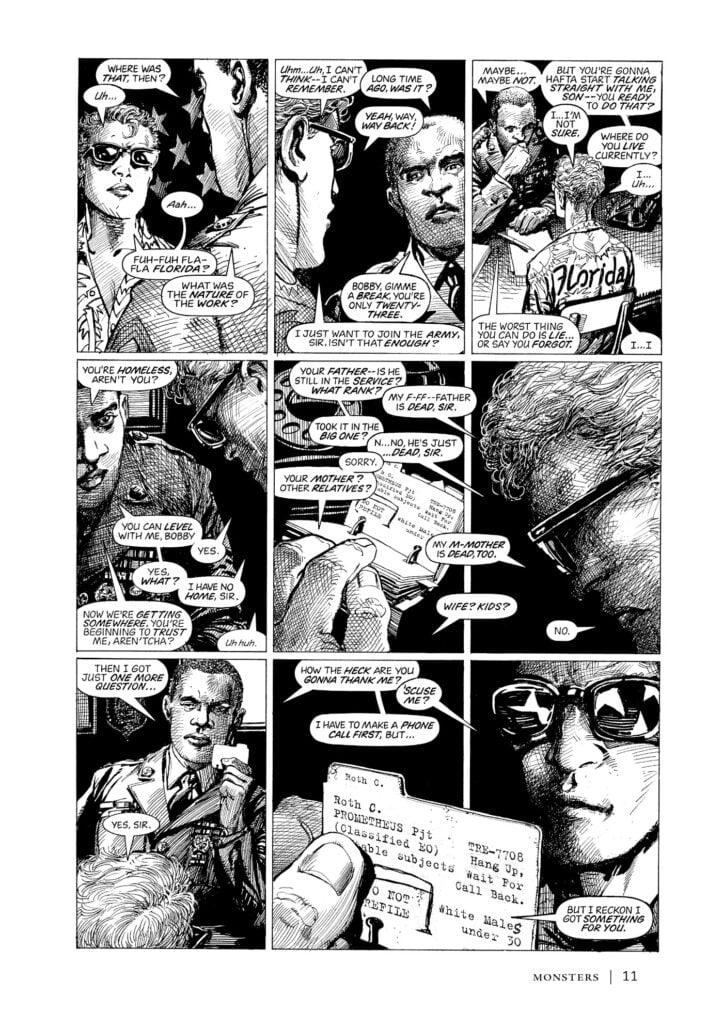
“Your father used t’be crazy ’bout his comics. Now he’s just crazy.”
Monsters by Barry Windsor-Smith is ostensibly the tale of Bobby Bailey, an abused, orphaned boy taken in early by the American military and transformed into something monstrous by the remnants of Nazi science. In a way, it’s both the story of Frankenstein and The Incredible Hulk, but it doesn’t stay within the confines of gothic horror or superhero fiction. The monster here shifts beyond the physical of Bobby’s shift into a much more profound story of domestic abuse and the adoption of a legacy of systemic evil.
There’s a kind of non-linear approach to how Windsor-Smith tells this tale. Starting at a catalyst for Bobby’s disfigurement, and taking us through his transformation into a hulking monster. You’d think, what even with a psychic protagonist guiding us through much of the opening sections, that this would be a straightforward story, but it’s not. It stops being about the military hunting down a monster in the second act, and becomes a commentary on what makes monsters. Or in some ways, the monsters that are hiding in plain sight in our own homes. Spotlighting the devastating impact of domestic abuse on the Bailey household.
As the story shifts back further, to see the genesis of Bailey’s father’s spiral into madness, it incorporates both the real horror of war and the almost absurdist Nazi science that began the younger Bailey’s transformation. It’s a weird, literal depiction of what you might call the circle of violence. Made even more absurd at the true nature of the “scientist” leading the experiment. And the military-industrial complex that supports him.
Windsor-Smith’s artwork throughout the book is dense, highly-detailed, and almost claustrophobic. There is a lot going on in his panels, with rich, deep textures and shadows in his hatching and cross-hatching. It’s interesting that of all of the characters, Bobby Bailey’s mother Janet is the only one that truly looks beautiful. Even angelic at times in the two different perspectives. Like an idealization from the two people remembering her.
His style perfectly suits the heavy, complex tale that he’s telling here, reminding you that maybe you should slow down while reading this to take everything in. That impulse is also mirrored in how Windsor-Smith places his word balloons. They tend not to follow an ordinary top to bottom flow panel to panel, but take more circuitous paths. It’s never confusing, but it still makes you pay attention. There’s also a number of wonderful breaks into Janet Bailey’s diary writing, adding some internal depth to the character about what’s going on (just try not to think too hard about how it could work within a nested narrative).
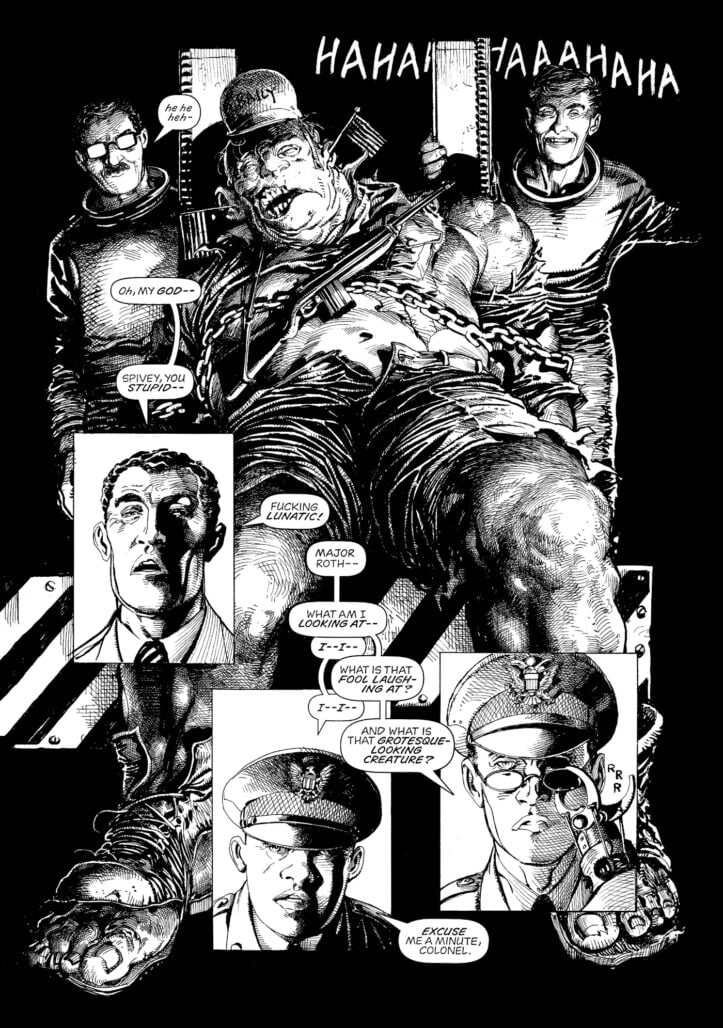
“A monster on the loose may be tabloid fodder, but almost nobody’s asking where the heck it came from.”
I think it’s somewhat fitting that Barry Windsor-Smith’s Monsters was originally in the form of a pitch for the Incredible Hulk. How aspects of it ultimately wound up in Marvel’s history kind of underlines the idea that monsters take many forms, but I’m not going to adjudicate that here. Instead, I think it’s fitting that BWS took that original idea, trimmed off the proprietary bits, and delivered something new and different. Something that transformed the original plan just as Bobby Bailey is transformed himself.
Because within the pages of this tome is a fascinating tale of abuse, villainy, and a take on the incompetence of evil that can at times be very profound. And deeply satirical.
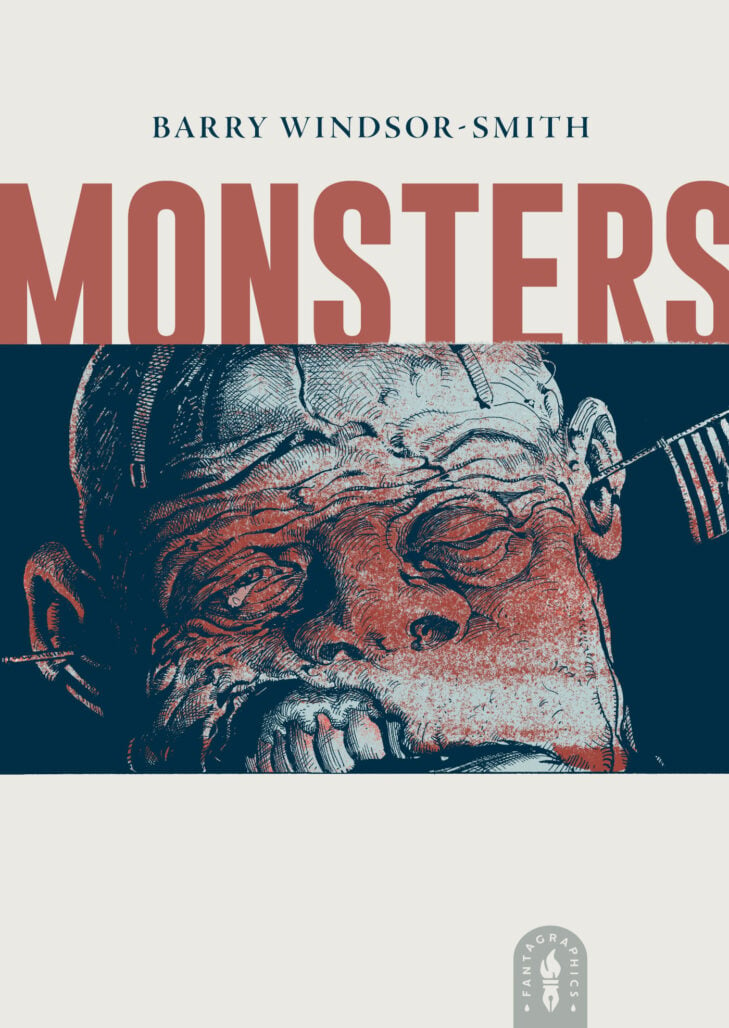
Monsters
Writer & Artist: Barry Windsor-Smith
Publisher: Fantagraphics
Release Date: April 28 2021
Read past entries in the Classic Comic Compendium!
Check out other recent review pieces from The Beat!