
Leo Rising: Queer Spaces, Sexuality, and Fame

Writer/Artist: Archie Bongiovanni
Publisher: Surely (Abrams ComicArts)
Publication Date: January 20, 2026
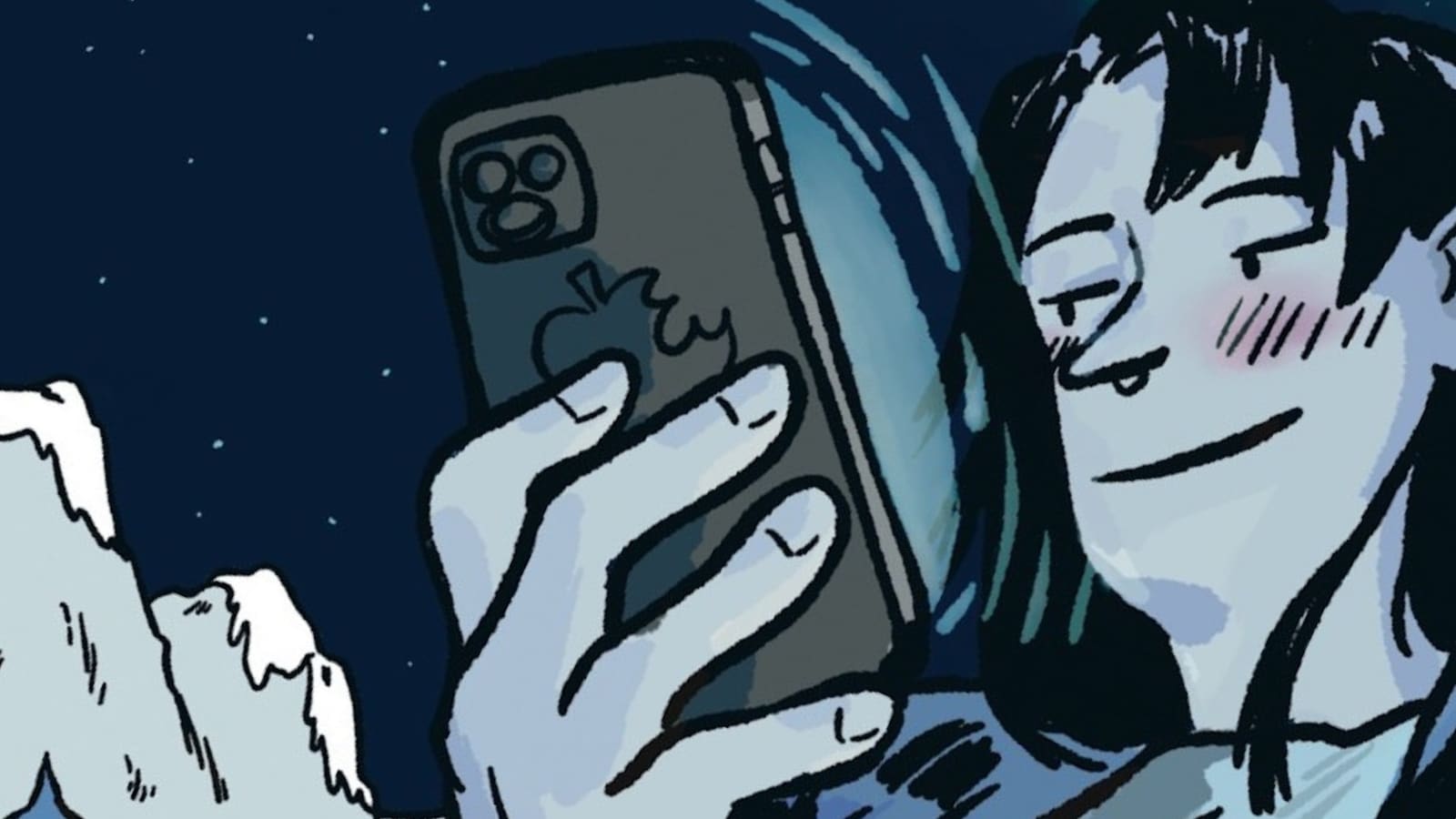
Laura the #LesbianWarrior has hundreds of thousands of followers on Clickster, which makes her feel like she has a queer community beyond the one other lesbian she knows in her tiny town of Squarebanks, Alaska. Offline, Laura and Rachel hit up the same straight bar every night, without fail; online, Laura posts videos every day and low-key obsesses about metrics even while at her day job.
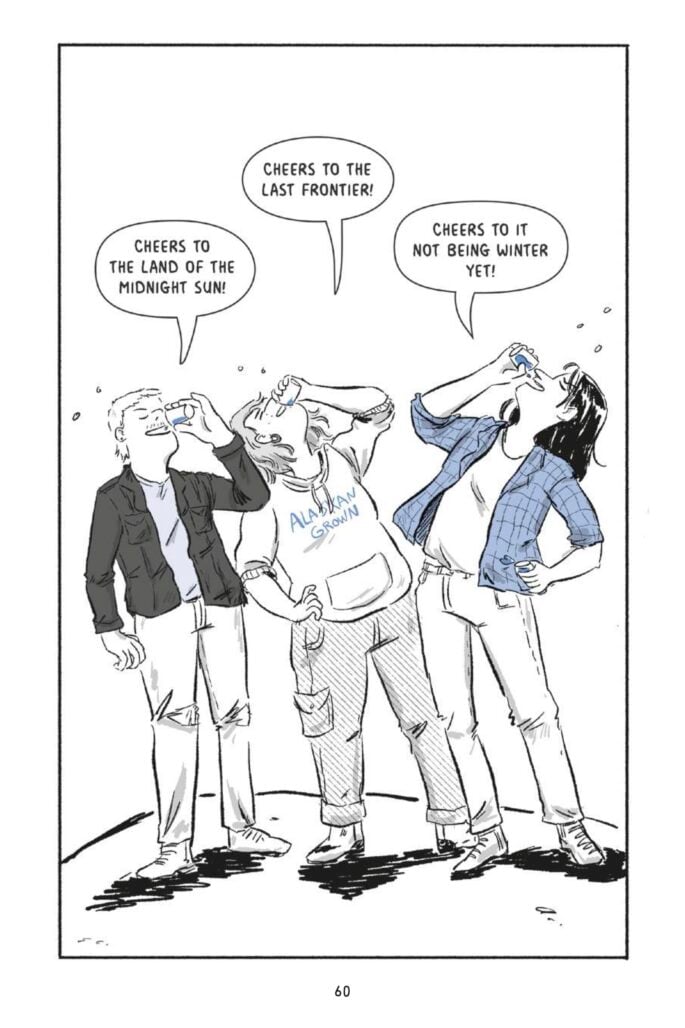
When Laura and Rachel’s old friend, Court, comes back to town for the first time since his transition, he challenges them on not just the comfortability of their routine, but the lack of connections they’ve made to their local queer community. Court also—unintentionally—encourages Laura’s questioning of her gender and sexuality, introducing her to a cruising app that gives her the chance to try sexting as Leo, a trans guy, and dip her toes into new identity markers that might fit better than “long-haired butch” or “lesbian influencer.”
Meanwhile, Rachel and Court develop a mutual crush and Rachel realizes her friendship with Laura is often super one-sided. As their dynamics shift, all three characters are forced to face complex interpersonal dynamics and evolution they may not be fully ready to embrace.
Archie Bongiovanni has established themself as a leading voice in queer comics, and Leo Rising is one of their best titles to date. Not only is it visually arresting, but it deftly navigates a situation that’s become increasingly common as more people gain micro-celebrity status via social media.
Never one to shy away from the ugly side of messy situations, herein Bongiovanni closely examines the impact of social media on how people may put off necessary growth in order to maintain a particular public image—especially if that public image provides income, opportunities, or a feeling of belonging. When someone makes a career of chronicling their personal life online, however catered to a specific image, it becomes difficult to change anything without fearing major backlash and the consequences that could follow.
For Laura, being a lesbian informs every aspect of her life and, by extension, her content. People connect with Laura’s videos and praise them because of how impactful they are. Laura’s followers have figured out their sexuality through her content, met their life partners in her comments, and found purpose through the #LesbianWarriors community.
However parasocial, these relationships mean something. If Laura no longer identifies as a lesbian, does all of that meaning fall to ruin?
Realistically, no. But as events in Leo Rising demonstrate, carving a path to true self-understanding and allowing labels, identity markers, and descriptors to change is difficult work made harder when thousands of strangers have hung their expectations on someone forever fulfilling the same “representation” checkboxes.
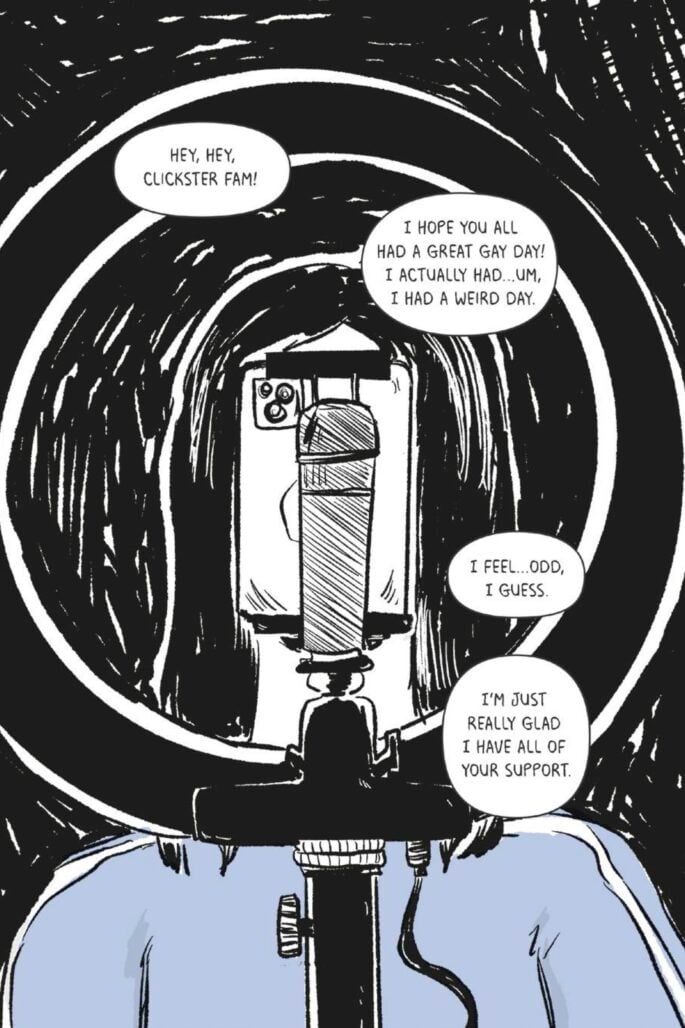
In this way, social media can quickly become toxic—especially if someone’s offline exploration makes its way online without them controlling the narrative. Bongiovanni walks a narrow line in exploring this side of the Internet without outright condemning virtual community, which they uphold as helpful and even life-saving within Leo Rising‘s narrative.
Simultaneously, they point out the importance of connecting in-person whenever possible, an act which completely transforms how Laura and Rachel perceive not just Squarebanks as a town, but also their friendship. Their queerness has long been informed by a lack of local community, and when Court flips their false assertion that there are no other queer people nearby on its head, everything shifts—for better or for worse.
Although Leo Rising focuses largely on Laura’s journey, Bongiovanni also writes from Rachel and Court’s POV, fleshing out the characters and giving insight to their dreams. This further demonstrates how insular Laura’s world has become, especially as Rachel begins to take chances regardless of what her bestie might think.
Like all of Bongiovanni’s characters, Laura, Rachel, and Court feel real, like they could show up at a local author signing or queer comedy night. Bongiovanni has a knack for creating stories that not only feel deeply grounded, but are populated by people whose voices are so distinctive that they stick with you long after encountering them for the first time in the pages of a graphic novel.
It isn’t just Bongiovanni’s quick-witted dialogue that makes this possible. Their art does a majority of the heavy lifting, with characters’ facial expressions and body language communicating as much as—if not more than—their words ever could. Each page is excellently rendered and exactly as evocative as it needs to be.
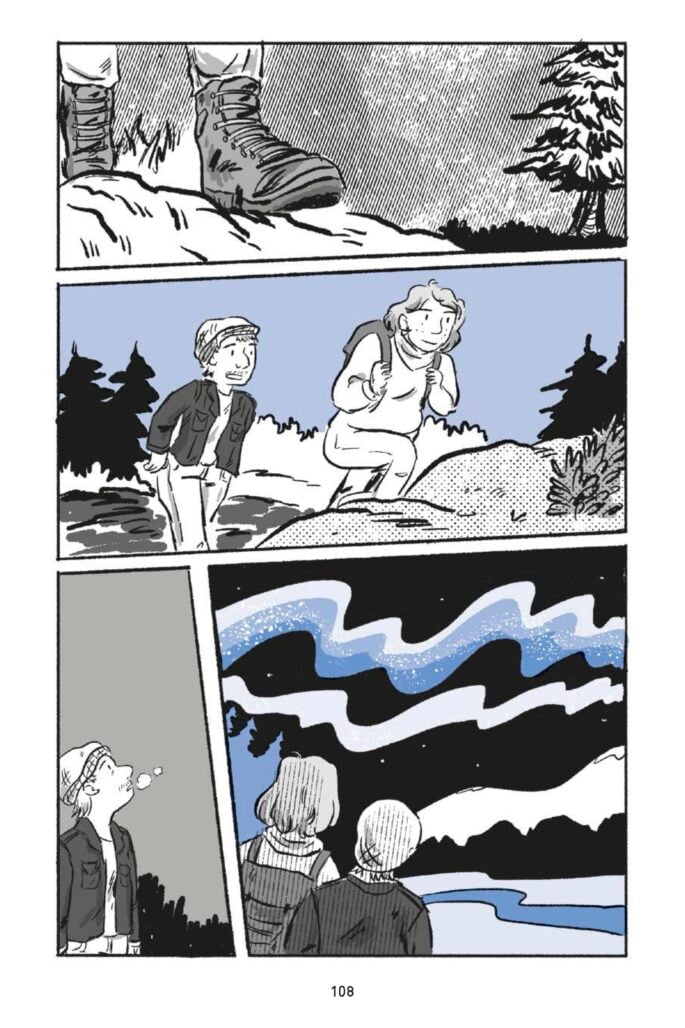
Leo Rising has a more serious tone than some of Bongiovanni’s past works, but it isn’t without humor. The characters fail, and sometimes that’s funny. Sometimes it’s cringey. As the story progresses, the tone shifts accordingly, maintaining a steady pace that makes the ending feel just right both in terms of timing and vibe.
Final Verdict: Buy
Leo Rising is available now via publisher Abrams ComicArts.
Read more great reviews from The Beat!