

Best of Horror lists can get a bit repetitive. For some, the appearance of the same movies in multiple lists can be taken as confirmation of greatness. If everyone agrees on how good a few of them are, then certainly that means they’re objectively the best. Whether this is true or not is a conversation for another day. If anything, every single list is subjective and anchored on the author’s taste and appreciation of the genre.
What’s also true is that repeat entries across multiple lists tend to leave little space for other films that are equally deserving to share in the spotlight. I’m interested in those movies, the ones that don’t get the mentions due to lack of exposure or accessibility. As such, this list embraces subjectivity to focus on entries that should get more eyes on them. They each find success either in experimentation or in looking at old ideas with an eye to reshape formulas into something different.
Enjoy.

- What Happened to Dorothy Bell?, dir. Danny Villanueva Jr.
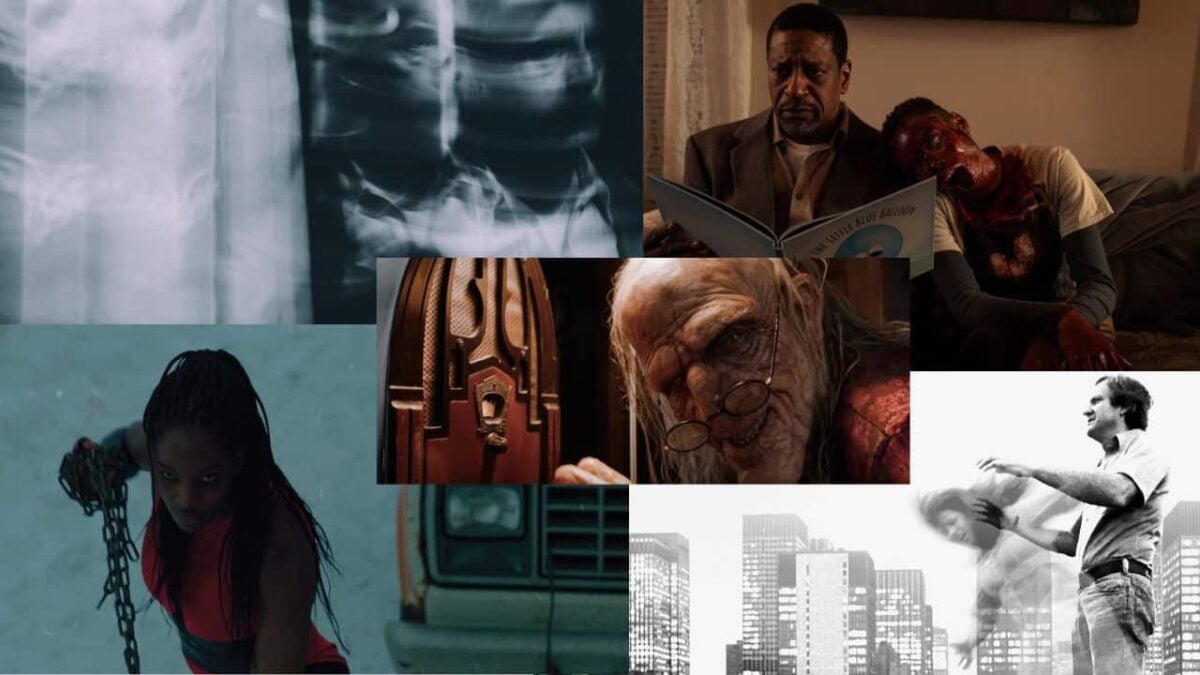
There’s at least one horror movie each year that proves well-trodden subgenres still have something to give. What Happened to Dorothy Bell was that movie for 2025, a hidden gem that took to found footage for its exploration of mental anguish, violence, and the questions death leaves unanswered. The story follows a woman called Ozzie Gray (masterfully played by Asya Meadows) as she sets out to document her attempts at communicating with her dead grandmother at the library she worked at. A violent event from her past lies unresolved between the two of them, fueling Ozzie’s venture into the paranormal for answers.
Director Danny Villanueva, Jr. gives the found footage formula a more intricate and emotional twist to character development, turning the camera into an extension of its wielder’s soul. While it’s yet another movie that deals in trauma, it sticks closer to the darker aspects of it to craft a harsher but more meaningful experience. It doesn’t let the metaphor take over the narrative. It all informs the paranormal elements to make them scarier and more sinister. The library setting is another highlight. It’s not often this space gets to be the site of a haunting, and Villanueva Jr. takes full advantage of it. Dorothy Bell’s secrets leave scars, all of which point to a painfully intimate portrait of a woman carrying the pain of things unexplained.
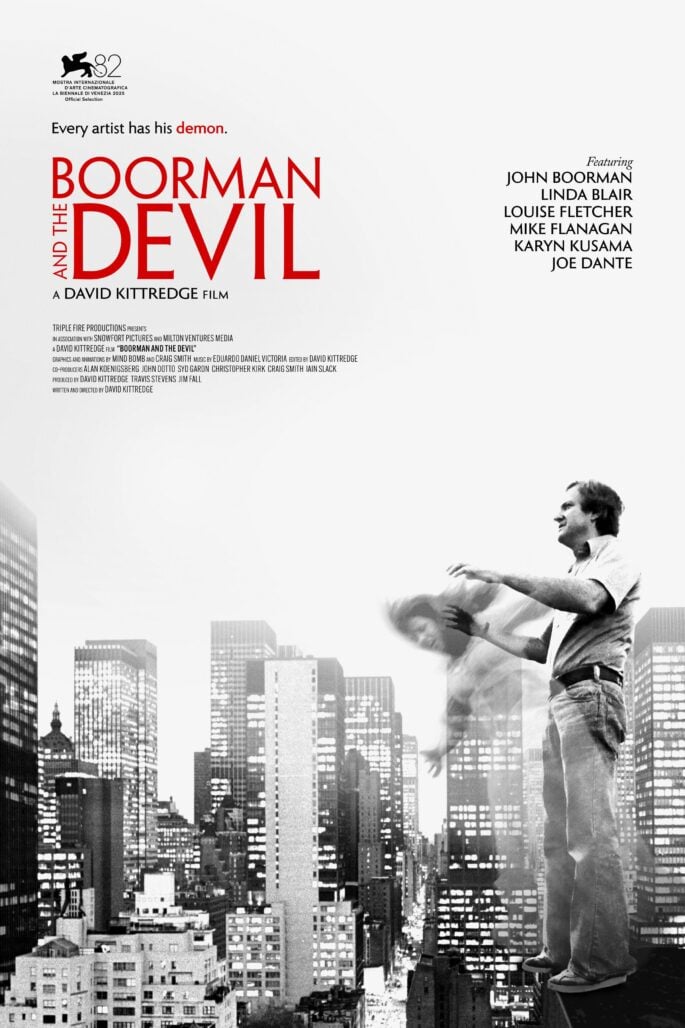
- Boorman and The Devil, dir. David Kittredge
Much has been said about John Boorman’s The Exorcist II: The Heretic. Many agree that it’s the most baffling horror sequel in the history of the genre. Others, though in lesser numbers, call it a misunderstood masterpiece. What we can all agree on is that the process of making the film, if only to understand the vision behind it, would make for a great documentary. Director David Kittredge proved this to be the case with his documentary Boorman and The Devil, an exploration of creative decisions and the love that resides in a project regardless of how good or how bad people think it is.
Kittredge managed to get Boorman himself on camera, talking about his grand design and how it clashed with what audiences might’ve expected from a sequel to the greatest horror movie of all time. There are no attempts to resolve any debates as to the film’s critical appreciation other than to acknowledge the strange place it holds in the history of cinema. Rather, the focus lies on the amount of work and dedication that went into making the impressive visuals and camera movements that do find more acceptance among viewers. That, in itself, is an achievement. Kittredge promotes a warm embracing of filmmaking even when the end result is controversial. Boorman and The Devil will make you feel for the whole crew behind a movie rather than just its director or its main cast, filmic reputation be damned.
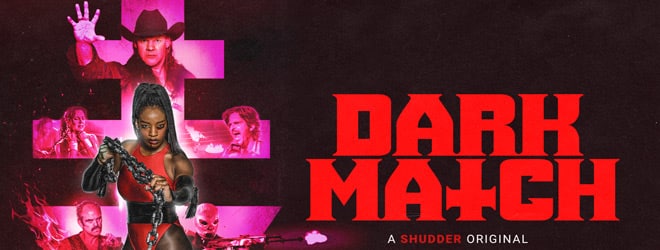
- Dark Match, dir. Lowell Dean
Genre mashups can be either vehicles for glory or glorious car crashes. Lowell Dean’s Dark Match falls on the side of pure glory, a collision of horror and wrestling that finds beautiful synergy in the violence it can tap into by virtue of its narrative mix. The movie follows a small wrestling promotion that takes up an offer to organize a private show for a mysterious figure called The Prophet (played to perfection by real-life wrestler Chris Jericho). Headliners Miss Behave (Ayisha Issa) and Joe Lean (Steven Ogg) come along for the ride, but they quickly find that The Prophet’s definition of deathmatch is meant to be taken literally.
Dark Match excels at speaking the language of wrestling with a level of authenticity that enhances the horror elements at play. It’s given the respect it deserves so it can be taken seriously, making the very violent matches that play out hit harder. The movie shows a lot of heart, too. The small promotion’s wrestlers come into the show unaware that The Prophet likes his wrestling real. Each loss is felt throughout, with key scenes playing up a particular death or dismemberment so it can carry the emotional heft it deserves. Cult vibes and dark magic round out an experience that proves genre mashups can produce special things when each part of the equation is given the attention they deserve.
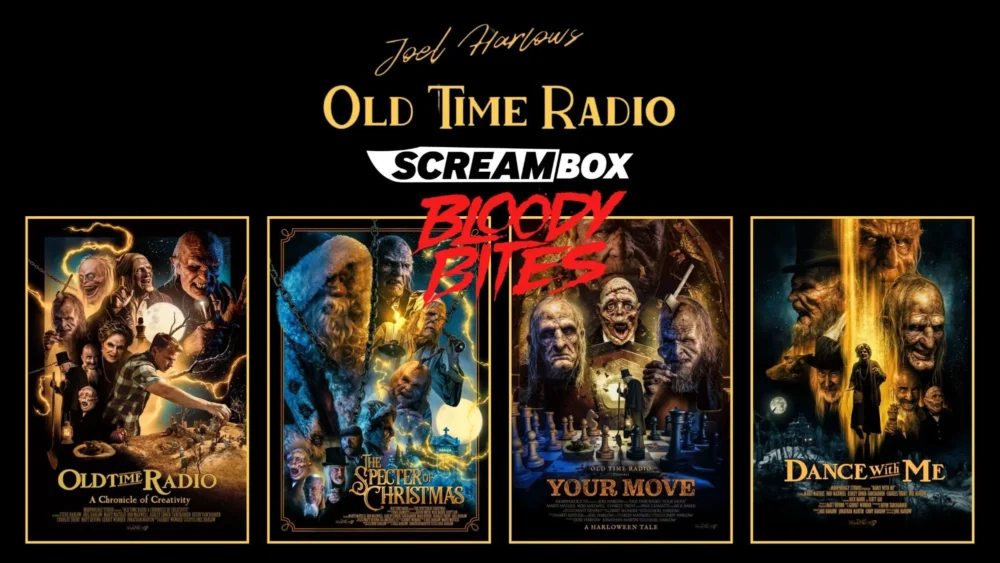
- Old Time Radio, dir. Joel Harlow
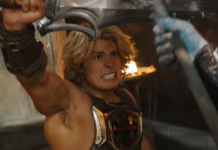
Fans of practical effects (and really, you all should be) rejoice! This year, award-winning make-up artist Joel Harlow released an anthology of EC Horror-inspired shorts that feature some of the best ghoul and zombie designs in recent years. Old Time Radio, which was released in two instalments as part of Screambox’s Bloody Bites programming, follows a trio of undead seniors going about their ghastly ways across four short stories that range from a slow chess game to an encounter with a demonic Santa Claus.
Harlow puts on a show of creepy practical effects that bring out decay and rot in playful ways. Each character is designed with a physical expression-first mentality that defies what we often think is possible with prosthetics work. As such, dialogue is kept to a minimum so that the storytelling is allowed to stay in the realm body language. It’s an impressive showing of skill that will make viewers want to see even more genre practical effects work. While the stories are EC-inspired, they feel more like EC Horror specials. They’re running on the common theme of companionship in the later stages of life (or unlife, take your pick). Paul Giamatti lends his voice for a few instances of narration at the end of each short, homing in on the tone the stories go for to accentuate the proceedings. This one is a rare and special treat.
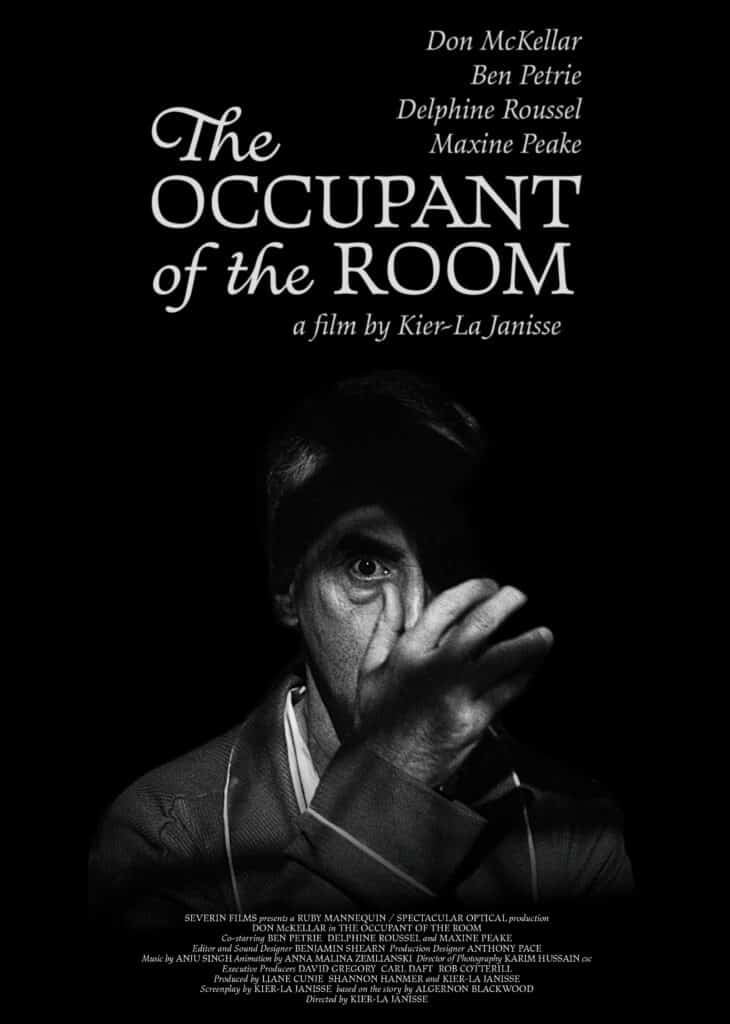
- The Occupant of the Room, dir. Kier-La Janisse
Short-form horror about ghosts requires a special touch. They have to set up a good enough paranormal scenario that establishes atmosphere and tone along with a pervading sense of dread that helps things get off the ground quick without making them feel rushed. Director Kier-La Janisse proves to have that touch, and her phantasmagorical short film The Occupant of the Room (part of a Christmas horror anthology series released by Shudder called The Haunted Season) is a great example of the terror that can be extracted from hyper-focused ghost stories.
Based on a story by Algernon Blackwood, the story follows a man (played by Don McKellar) that arrives at a lonely hotel in the Alps without a reservation. After being told there are no vacancies available, he’s offered a room that belongs to a woman that went out a few days before and hasn’t come back. But is she really gone, or is there some part of her still there? Janisse captures loneliness in a painfully intimate way that does a lot of character work without needing extensive exposition. It also boasts a great sense of pacing that builds towards a finale that shines in its experimental approach to quick editing and image manipulation. Most importantly, it’s a story that lingers. This is very hard to achieve in short filmmaking, making it a standout in this year’s horror output.