
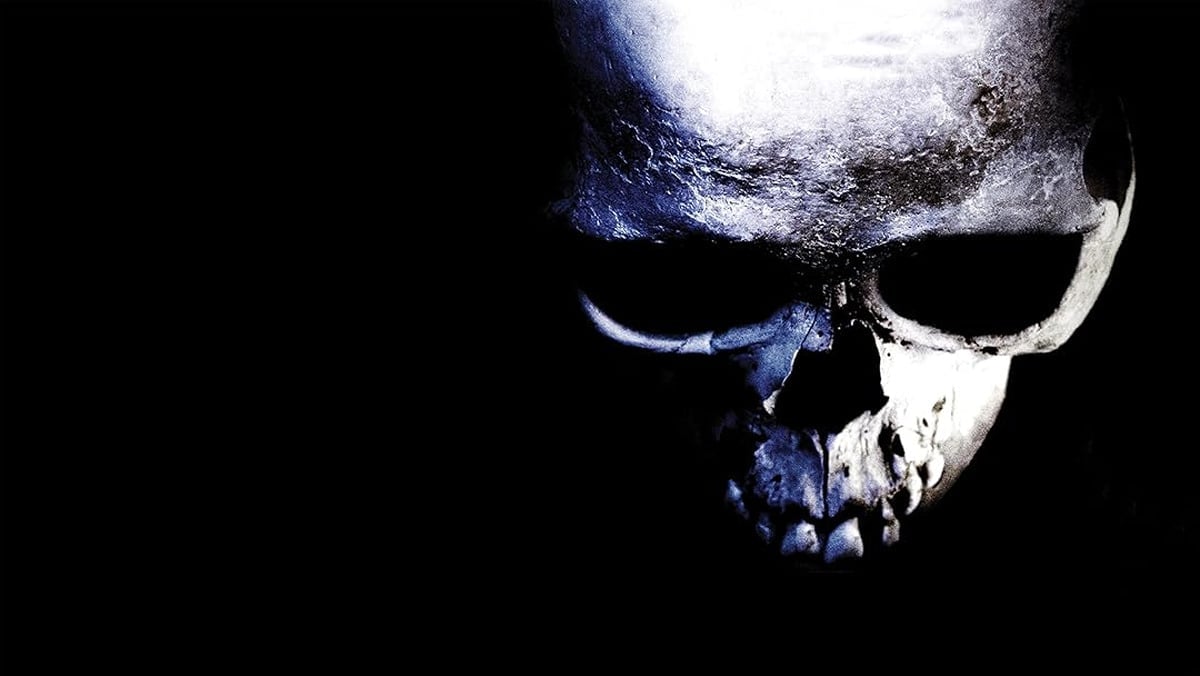

Talk of the infamous Faces of Death, a 1978 pseudo-documentary about death that mixes real footage with staged recreations of it, shouldn’t elicit much of a reaction in today’s world. Spend a few minutes online, on social media specifically, and you’re bound to stumble upon a grainy reel of an actual shooting or of a pool of fresh blood post-murder. The days of Rotten.com are well in the past now, replaced by simple Google searches. The algorithm will eventually provide, whether you want it to or not.
In this context, the John Alan Schwartz film (he both wrote and directed the movie under the pseudonyms of Conan Le Cilaire and Alan Black respectively) shouldn’t have that much in it that can turn anyone’s stomach or inspire the aversion of eyes. And yet, there’s something raw about its unflinching look at death and dying that can still get viewers to rethink mortality and the methods that humanity has devised to cut life short.
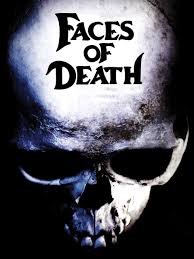
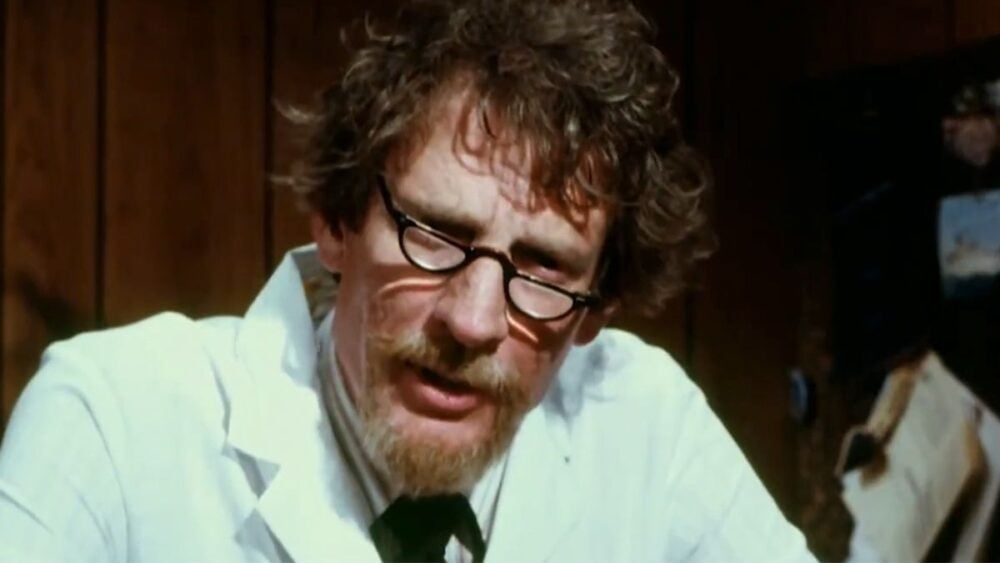
Faces of Death is a mondo mockumentary (the name given to exploitative documentaries that focused on extreme violence and nudity with an ethnocentrist point of view) that’s narrated by a “pathologist” called Dr. Francis B. Gröss (played by Michael Carr). Gröss comments on the topic through a series of barely delineated sections that go from the slaughtering of animals to the death penalty.
A few interviews are strewn about with supposed experts in the field of death, but the guiding force is always Gröss. His Leonard Nemoy-like voice gives the narration an academic tone, as if the quality of the material in the movie could justifiably rub shoulders with the stuff National Geographic or the BBC was producing at the time.
The movie’s short segments explore death contextually, but in a manner that frames certain cultures as barbaric. It doesn’t say it outright, but a visit to a tribe in the Amazon forest says a lot about the film’s tone. The tribe is presented as cannibalistic and eager to hunt for animals such as small monkeys to pad out their dietary traditions. The grainy, handheld quality of the camera makes it all look like a home movie no one was supposed to see in the first place, something bad.
And yet, the rawness of the stuff that’s captured can still shock. It’s unflinching and explicit in a way that basically tells its audience: “this is how things really are in other parts of the world you don’t know about. Deal with it.” Quick note, the narrator refers to Africa as a country when it reaches its segment.
In fairness, the Amazon scenes are quickly followed by a trip to an American slaughterhouse. Cows, sheep, and a chicken are all put through the multiple killing mechanisms available to everyone in meat industry. It’s graphic and sad. It’s meant to point out our own barbarism, that we’re not so different from the natives in the Amazon. The narrator says as much when he ends the segment by stating that the footage he’s just shown is enough to make him become a vegetarian.
For all the gore and blood on screen, Faces of Fear does have a clear message at its core. John Alan Schwartz’s script is concerned with the rapid rise of tech and how humans are taking to it to shape mortality in all corners of society. It’s just that the message’s delivery system is constantly competing with images of wealthy people eating monkey brains and human skin getting pulled back during autopsies to fully come through.
The message can also get lost in the movie’s claim to reality. Alan Schwartz uses as much real footage as possible (mostly taken from news reports and stock footage), but a fair amount of sequences are achieved with practical effects. Murders, decapitations, and electric chair executions are staged. Problem is they’re not categorized as such. They simply blend in with the rest.
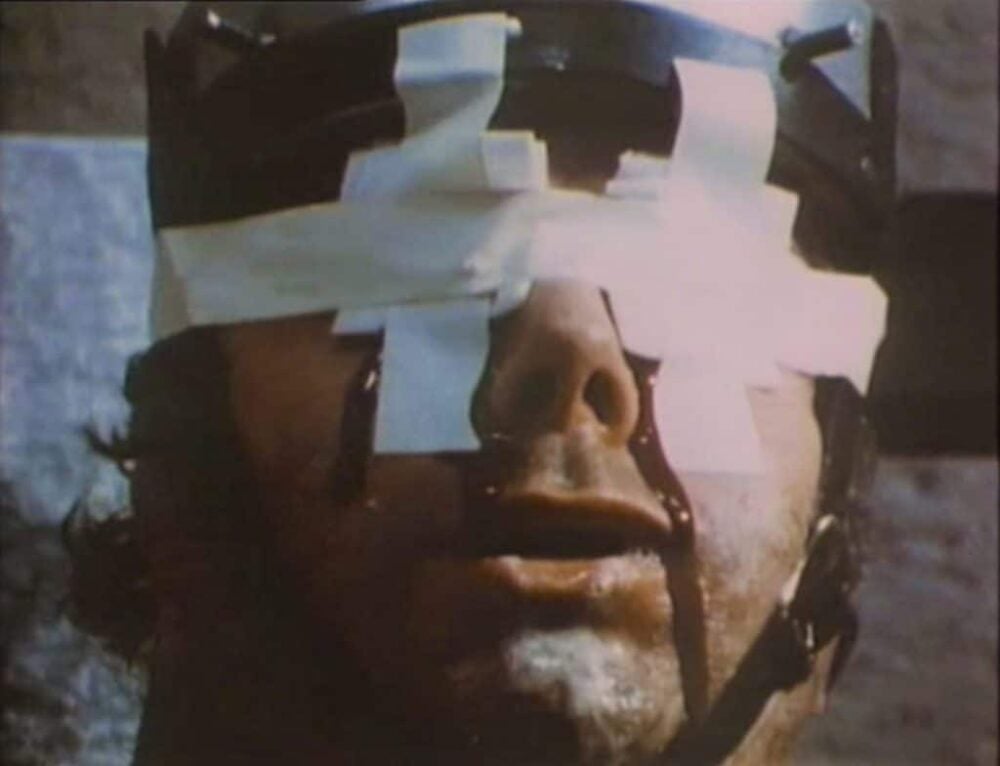
Back in 1978, when Google wasn’t around, people relied on specialized Horror magazines and director interviews to figure out the ins and outs of the making of a movie. Many who saw Faces of Death back then thought every single death in it was real, which is why it became both one of the most successful mondo movies of its time and one of the most banned films in history.
This is where the film feels prophetic. The videos we consume in today’s social media landscape are also devoid of clear markers of reality/imagination, a problem that’s been made considerably worse with the rise of AI. When a terrorist organization put a beheading video online a decade ago, we didn’t question its authenticity. Today, uncertainty is the status quo. As a result, we get desensitized much quicker and in different ways.
Faces of Death suffers from this kind of desensitization as well. Clocking in at 105 mins, you can only see so much death before it starts losing its effect. By the last few segments of it, when some of the story’s most impactful and worrying forms of killing are discussed (such as war, the Holocaust, and nuclear bombs), a feeling of numbness sets in. By then, we already know humanity is simply doomed, ugly, and beyond redemption. Spend enough time on social media and the same set of ideas will snake in.

Despite this, Faces of Death manages to retain some of its ability to push viewers to their limit on matters of mortality and what it looks like. New audiences are certainly more versed in the things shown here, so the movie isn’t the rite of passage it once was for kids that wanted to watch something they weren’t supposed to. That said, it is still a reminder that our morbid curiosity is rarely ever satisfied. People will watch a heavily pixelated video of a soldier stepping on a landmine if it means getting a glimpse of the bloody aftermath. We’re just obsessed with death. As uncomfortable as Faces of Death is, it does reveal something worryingly true about humanity: it likes watching things die, and it’s always on the lookout for new content.