
V for Vendetta, the celebrated comic book by Alan Moore and David Lloyd, is heading back to the screen. No, not just next year’s 20th anniversary revival screenings of the cult-favorite film; HBO has tapped Pete Jackson for a TV adaptation.
For clarity, that’s Pete Jackson of Somewhere Boy and The Death of Bunny Munro, not Peter Jackson of The Lord of the Rings. Neither Jackson nor Warner Bros. had anything to say about the report when Variety (who broke the news) reached out to them about it.
There is no word yet as to whether the series will be a straightforward adaptation of the comics, or if they will expand on the world of the story. Moore and David Gibbons’s Watchmen, which was adapted to film in 2009, got a follow-up on HBO in 2019 which picked up the story in real time, more than 30 years after the original comic book series.
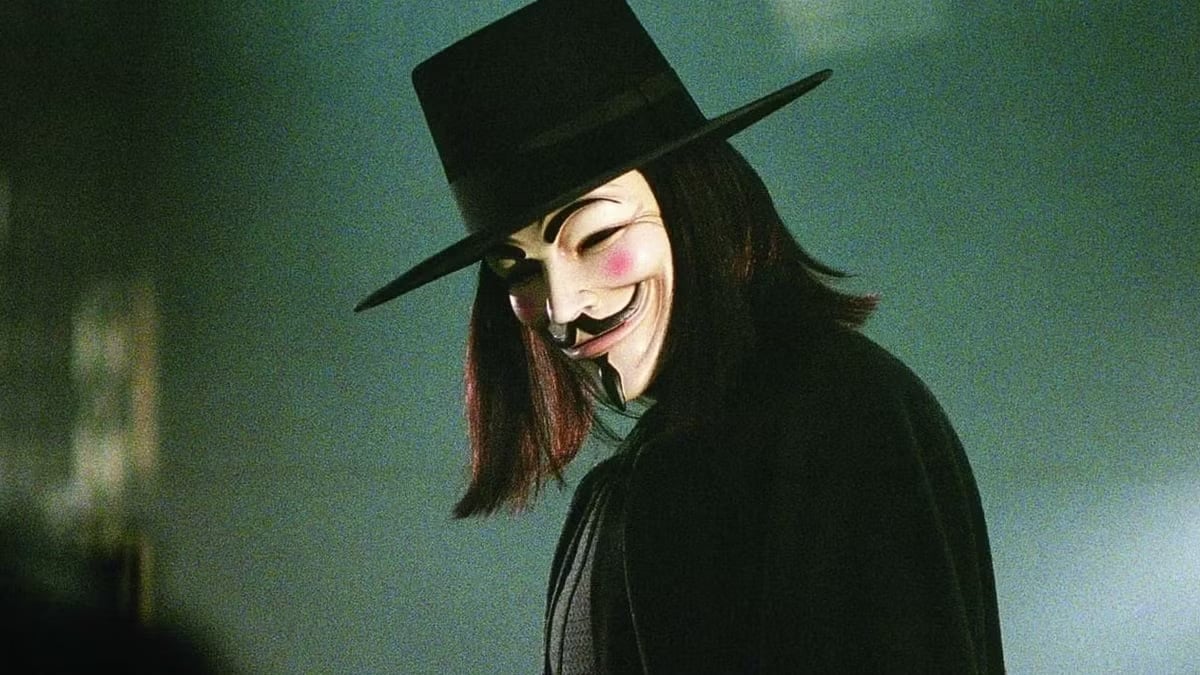
V for Vendetta centers on V, an anarchist terrorist who is hell-bent on taking down the fascist government in a near-future dystopian Britain. He’s recognizable by his robes, hat, and stylized Guy Fawkes mask — and aided in his quest by his partner-slash-hostage Evey Hammond.
James Gunn and Peter Safran will produce the film for DC Studios, along with Poison Pen’s Ben Stephenson and Leanne Klein of Warner Bros.’ Wall to Wall Media.
The original comic started in 1982, and ran as a feature in the British anthology comic Warrior. DC took up the publishing baton later in the process, and V for Vendetta has remained in print continuously since it was first collected, becoming one of DC’s best-selling “evergreen” titles.
The 2006 film adaptation, directed by James McTeigue and produced by The Wachowskis, is one of the best-loved comics adaptations of all time, and the rare R-rated comic book movie that got solid reviews and a strong box office. The comic and movie have drawn comparison to other cautionary tales like 1984 and The Handmaid’s Tale, and its success helped to mainstream the popularity of the Guy Fawkes mask as a symbol of political dissent.
Moore, as his is custom, is not named in official credits or press materials for screen adaptations of his work, having expressed frustration and disgust with Hollywood, DC, and basically every aspect of having his movies adapted. Typically, his share of royalties goes to his comics collaborators.