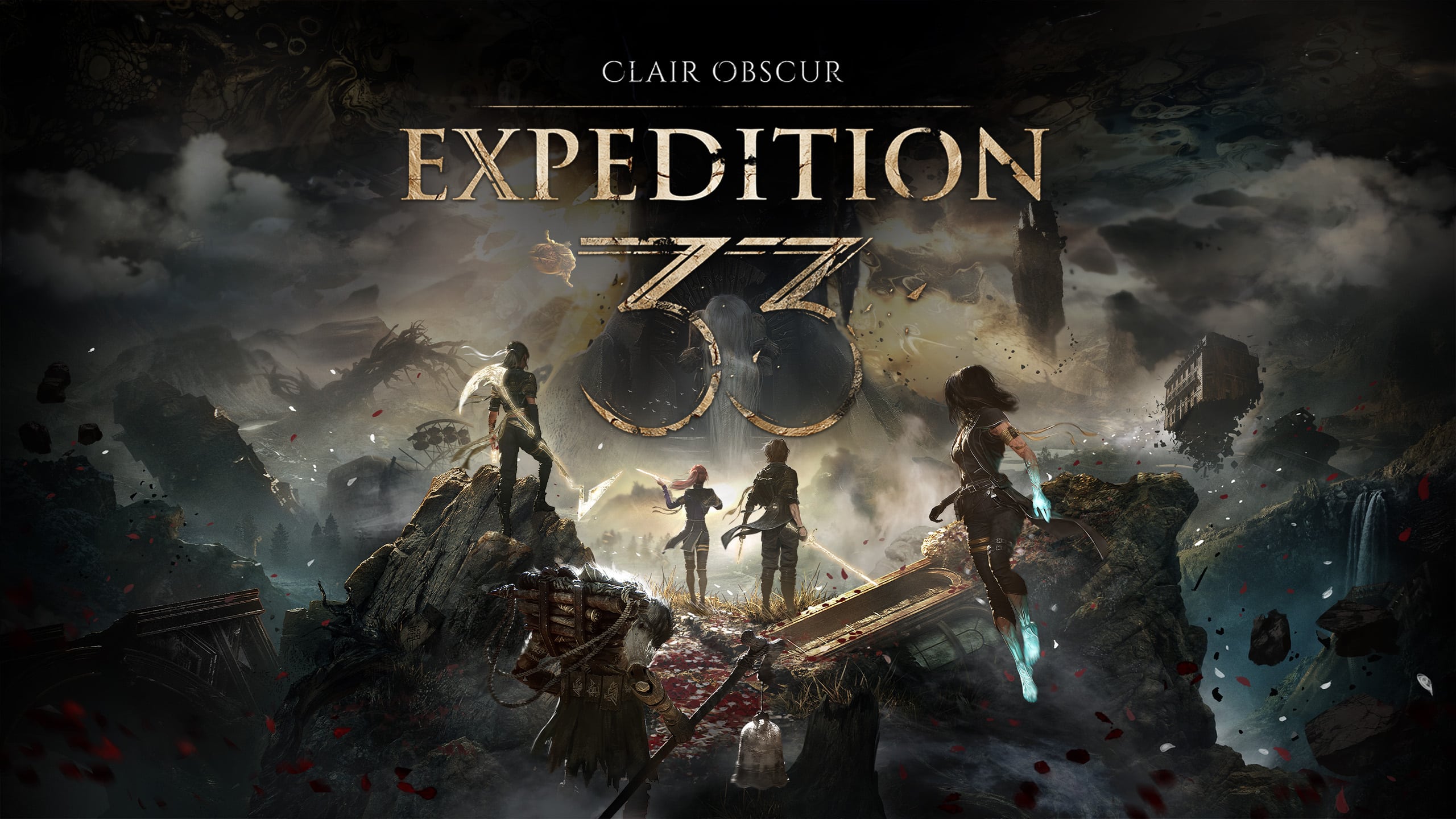

Clair Obscur: Expedition 33 is a phenomenal game. As a lifelong fan of RPGs, E33 is cross-cultural pollination at its finest, and an example of how incredible art can be made when we appreciate different cultures that inspire us instead of appropriating them four soulless products.
E33‘s origin story is also great. Former AAA devs wanted to make a game their studio wouldn’t greenlight and they followed their vision—making a turn-based RPG with older protagonists. They were life ong RPGs fans, and when I saw that one of the inspirations for them is all-time great Paper Mario: The Thousand Year Door—an ideal RPG for people who have never entered the genre (wink, wink)—I was sold. Vouz etudiez les jeux—they know ball.
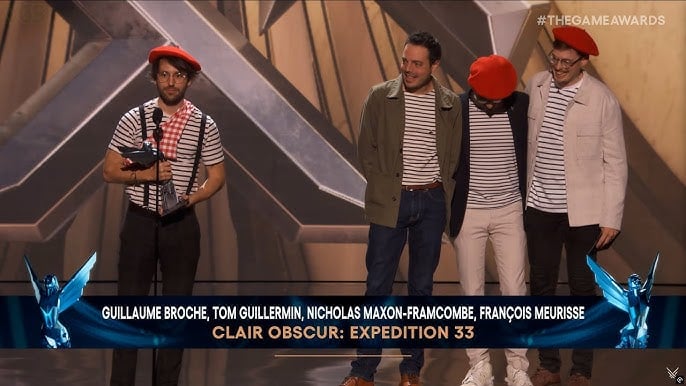
So, it was no surprise for me when E33 swept the 2025 Game Awards. The music is stellar, the battle system is fun as hell, Jennifer English’s voice acting is great. The developers were so cute on stage with their stereotypical French outfits (also worn by the Mimes in-game) and speeches on paper. It was beautiful to see from an artist’s perspective.
Then I remembered that these awards are primary chosen by a committee beholden to shareholders. While I saw an indie game get the accolades it deserved, there was a pit in my stomach for where the industry might head after the E33 sweep.
I wasn’t the only one. Last year, Balatro—a roguelike poker passion project of a game the developer LocalThunk thought would be played by fewer than 10 people—became a smash hit. It was given the Best Indie Game and Best Indie Debut at the 2024 Game Awards. What was the industry’s answer to this?
They wanted to hunt down “the next Balatro“—a game similar to Balatro but just different enough to make lightning strike twice. Or, put more simply by video game writer Bruno Dias,
Publisher bizdev people at events like GDC and Dice trying to sign “the next Balatro” should realize that, statistically, the developer of “the next Balatro” you need to be talking to isn’t at GDC or Dice talking to bizdev guys seeking 2m+ in funding
That’s the typical song and dance for executives. They want products that sell well. They want to do with games what food companies did to Dubai chocolate until it’s oversaturated and they can move on to the next thing. The model of use-use-use until you’re squeezing blood from a stone is the modus operandi of big corporations, much to their own detriment. Hell, there’s an entire industry whose “business model” is just using other companies: private equity.
This model of extraction doesn’t take into account that something has to be cultivated before it can be picked and that regenerative practices are needed for industries to flourish. It also doesn’t take into account that success is random. No one has any idea what will sell better and even household names were unknowns until people took a chance on them.
This need for control over profit is how we end up with a deluge of sequels, prequels, reimaginings, retellings, and remakes that have little imagination to them. It also leads to crunch, poor worker conditions, and unnecessary layoffs because companies need to make all the money and not just some. They cannot sustain, they always have to grow. They cannot cultivate, they have to synthesize. They can’t create grant funds or pay their workers properly or hire more people because it will lead to angry shareholders—the real customers.
Video games are hardly the only industry that does this. I’ve noticed it in comics, music, movies, and animation. The amount of media sold gets smaller and is made by smaller teams and is held by a smaller number of companies owned by an even smaller number of rich, white men. We all suffer for it.
Usually, this genre of article discusses what executives need to know and how we tell them with our dollars what we want. I don’t want to do that. I want to invite everyone to find media outside of big titles to enjoy. Follow curators on Steam, follow developers on social media. Hell, make your own games.
Look, people don’t have $100 million to spend to make a game, sure. But we can choose how to spend our $70-80. We have imaginations of our own and have the tools. It may take years and many attempts, but we have to learn to make and enjoy art outside of the mainstream, big publisher model.
To put it simply, we have to pave the way for those who come after.