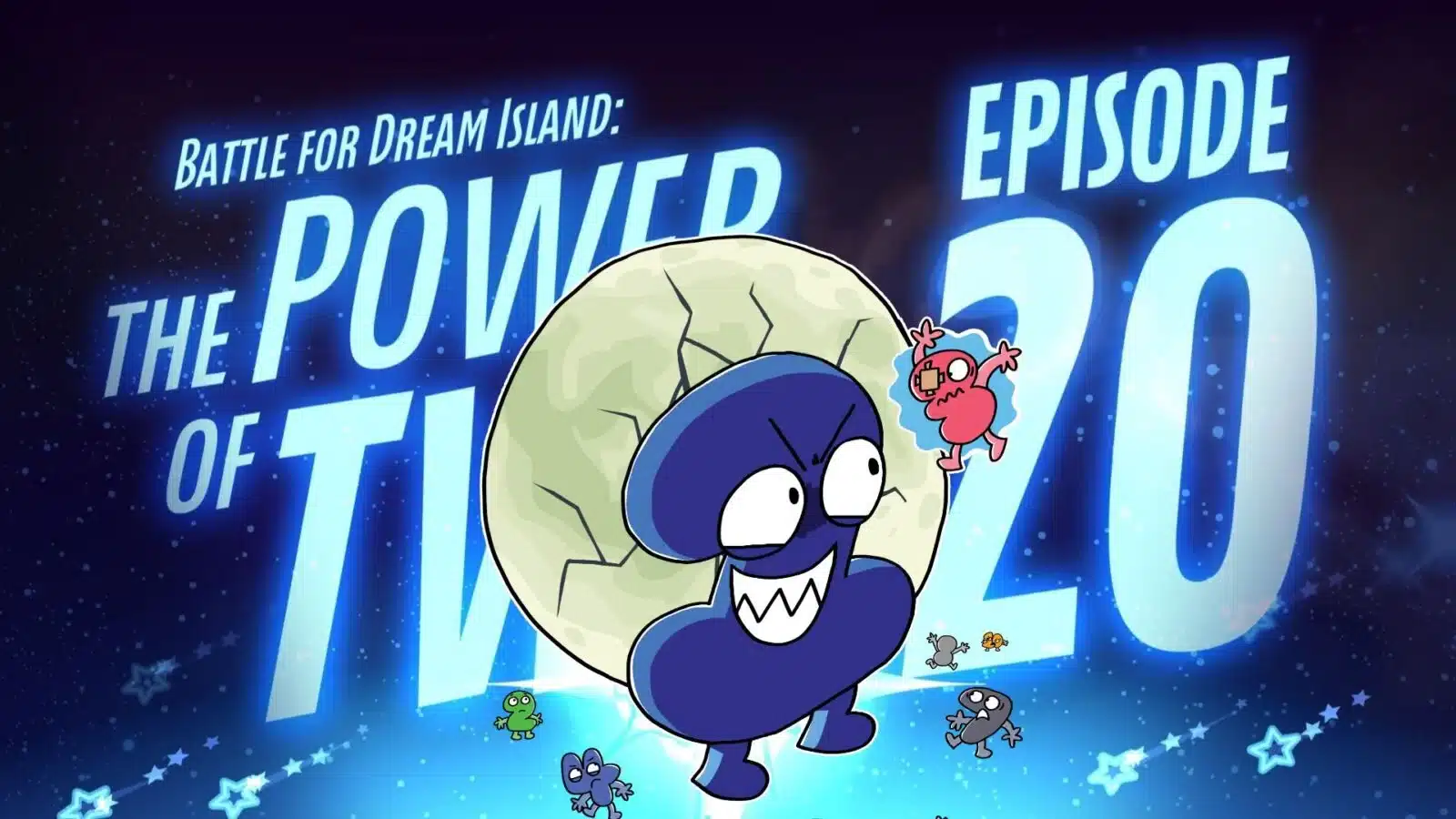

It’s been more than a decade since Cary and Michael Huang launched Battle for Dream Island, an independently-produced animated series that helped launch a YouTube mini-genre of “object shows.” With apparent influence from Aqua Teen Hunger Force and Homestar Runner, the show serves is a quasi-reality competition show in which various characters (who are…objects…named after their appearance) compete for control of a luxurious island.
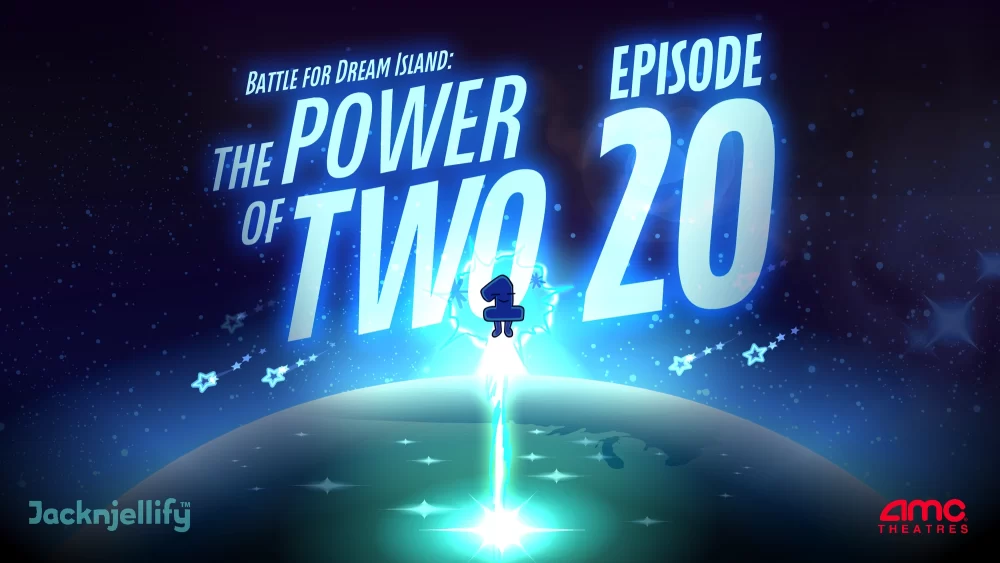
Battle for Dream Island features new titles for each of its seasons, creating a series that feels like a franchise unto itself, and its most recent episode, “TPoT 20″ — that’s Battle for Dream Island: The Power of Two, episode 20 — was screened in AMC and Marcus Theatres last week. The episode is a turning point in the story, providing key backstory for the villainous character One.
After selling out dozens of screenings all over the country, the series’ hardcore fans still turned out for it online, with the episode getting more than 1 million views in its first 9 hours online.
“There’s so much to the whole [object show community]. We’re like 15 years into it existing, and it’s kind of unrecognizable from what it was like five years ago or ten years ago,” Michael Huang told The Beat. “When it first started emerging in 2012 or so, it was really tiny, because the show was really tiny. But as more and more object shows started, more and more viewers started creating these object shows. It really started to fragment and grow. It’s a whole umbrella of umbrellas. It really is, at this point, sort of this archipelago of friend groups and Discord servers that all seem to be the heart [of the community].”
That’s maybe not surprising — the genre has exploded in popularity, with not just Battle for Dream Island but its unofficial sister show Inanimate Insanity raking in hundreds of thousands of views per episode. During our conversation with Huang, Inanimate Insanity creator Adam Katz was literally in the next room. Two Inanimate Insanity writers — Sam Thornbury and Joseph Pak — have taken on a showrunner-like role for BFDI.
Indie animation based on characters with names like Taco and Book might sound like the kind of low-effort slop that gets YouTube parents angry, but Battle for Dream Island uses the minimalist character designs like XKCD uses stick figures. Not only do they not fall back on lazy jokes about what the object does in the real world, but they actively develop away from the predictable traits.

“That’s something that we have a very strong opinion on, which is that the design of a character, or what object they are, doesn’t play any role in their personality,” Huang explained, adding that another rule is that they will never wear human clothes. “We don’t have a set list of like writer’s rules — which I think would be good to put in place if we hand off the show someday — but yeah, those two would be two of them.”
On that note, Huang and his brother don’t expect to end the series anytime soon, and the plan is for Battle for Dream Island to outlive their direct oversight. While they have no plans to step away anytime soon, Huang — now a film student — says they have ceded more and more control to their creative partners, many of whom are former fans of the series who know the characters better than they do.
“For the first five to seven years, it was Cary writing for himself,” Huang told us. “But as the lore like keeps getting more and more complex, both of us look to our directors, Sam Thornbury and Joseph Pak. I think at this point it’s really written for the OSC, which is something that has become a little bit more distant for Cary and me.”
With years of history and concurrent stories — both BFDIA (that’s Battle for Dream Island Again, the show’s second season/series) and TPoT (its fifth) are still running right now — Huang says part of his job is making the series as accessible as possible. He says some of the familiar complications of the U.S. comics industry — long-term serialization and fans who have been around so long they expect elaborate lore — have started to set in.
“One thing that I want to help do next, as the next step for the show, is to try to make it more understandable,” Huang admitted. “For example, to have a website that explains why two seasons are going on at the same time….Because some of our crew have other jobs that take some of their time. Our sound editor, Ben, is also in musical theater, and so he’ll perform in musicals, so at times he has to explain the show to an outside audience, and hearing his perspective — the things he has to explain and the things that are familiar — is [illuminating]. I feel like that’s like the thing that I’m personally interested in right now, is bringing it to a wider audience.”
You can see Battle for Dream Island and subscribe to Huang’s channel here.