

 Hinatsugimura
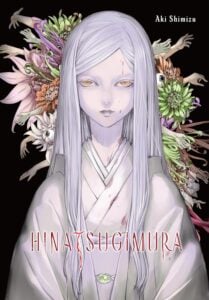 Hinatsugimura
Writer & Artist: Aki Shimizu
Publisher: Yen Press (print & digital)
Translation: Eleanor Summers
Lettering: Madeleine Jose
Publication Date: Feb 17, 2026
Rating: Mature
Genre: Manga (JPN), Horror
Hinatsugimura is Aki Shimizu‘s single-volume horror manga that originally came out in 2018. The licensing announcement was made in July 2025 and now it’s finally available both digitally and in hardcover from Yen Press! Here’s a spoiler-free review to help you decide whether you should give it a chance.
A group of university students is visiting a lost prewar village to film it. The terrain is tough to navigate and they’re moving with limited information about its location. Soon, the phones start losing reception and the weather takes a turn for the worse. Right when the group is trying to decide whether to turn back or find shelter somewhere, a kid appears, inviting them to the nearby village. The much-needed help is too timely and too good to be true, and what awaits them at the village is something that goes beyond their scariest dreams.
Aki Shimizu is an established horror/mystery manga artist. One of her series, The Mononoke Lecture Logs of Chuzenji-sensei: He Just Solves All the Mysteries, received an anime adaptation last year. Some of her earlier works, like Blood Sucker or Qwan, were apparently licensed by TOKYOPOP, but they are no longer available in English. So it’s safe to say that Hinatsugimura is her only series you can read for now.
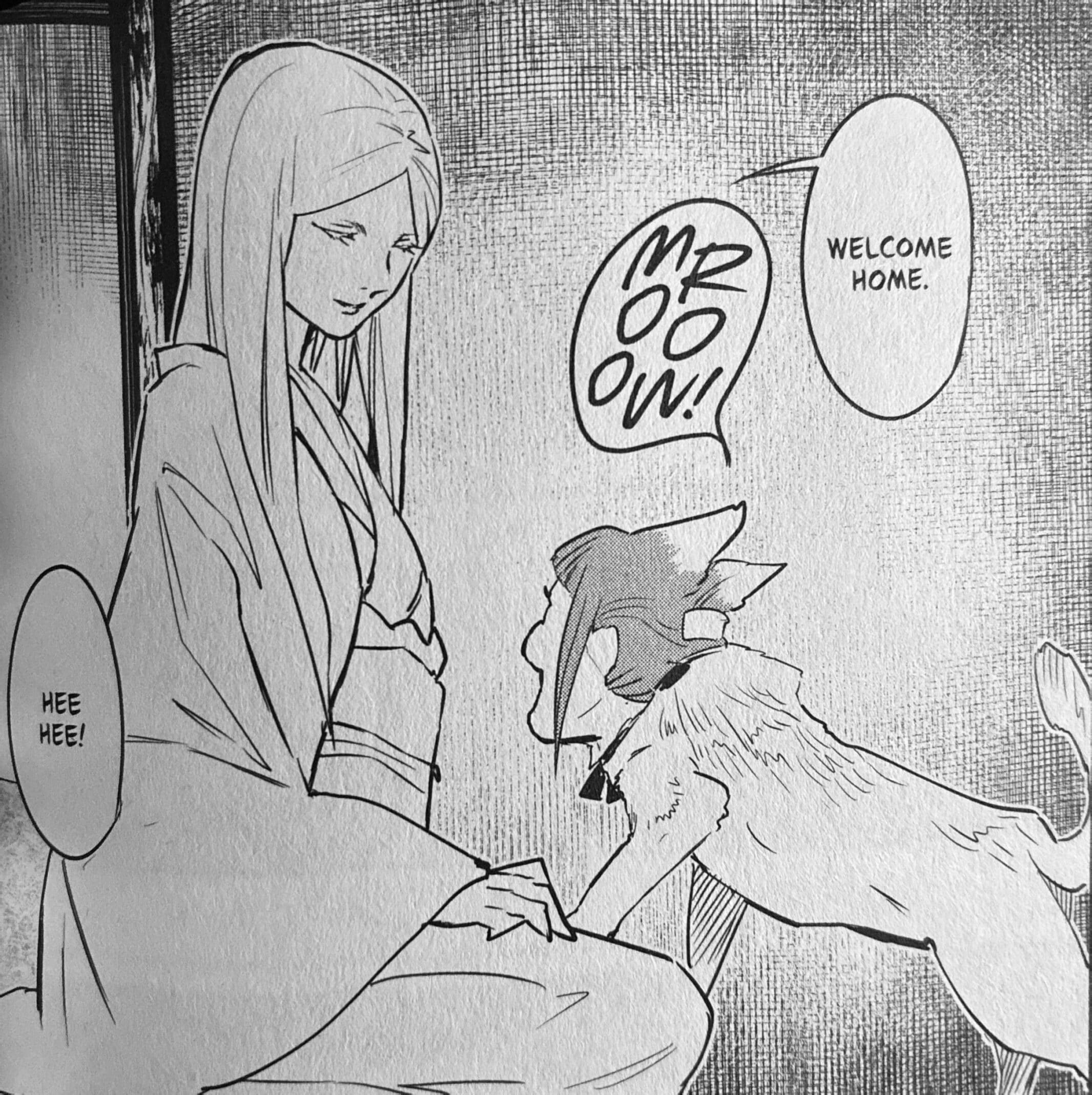
The main theme of Hinatsugimura, which refers to the village at Mount Hinatsugi, is parental love and caretaking. Upon arriving at the mansion, the students first meet Touko, the lady of the house and the caregiver for her daughter Kiriko, rumored to be a beautiful but sickly young woman. The series questions how far a mother can, or should, go for her kid. Where does the boundary lie between parents and kids? How do you show gratitude to your parents, and where does being their kid end and being your own person start? Does it make you complicit in your own confinement?
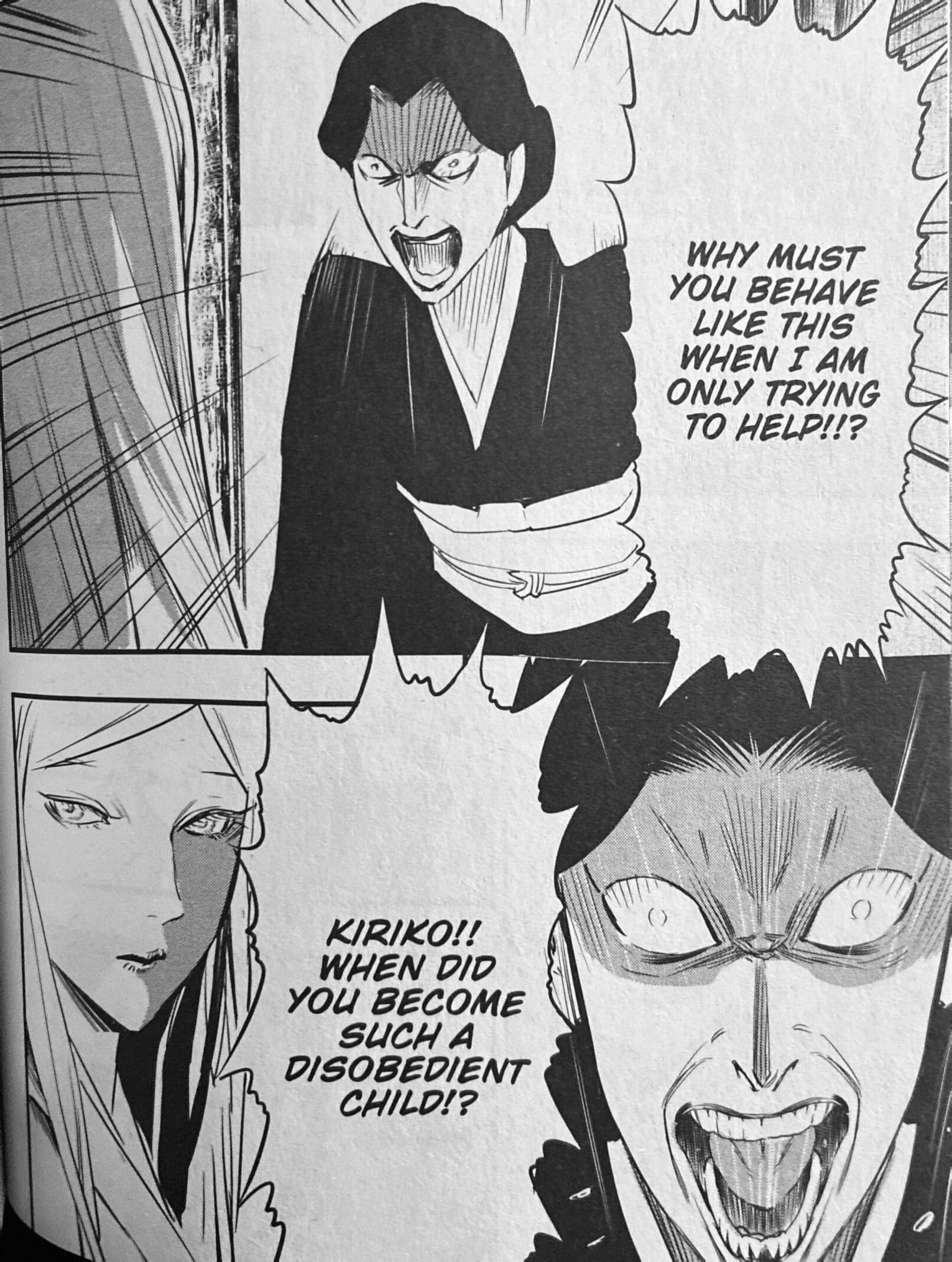
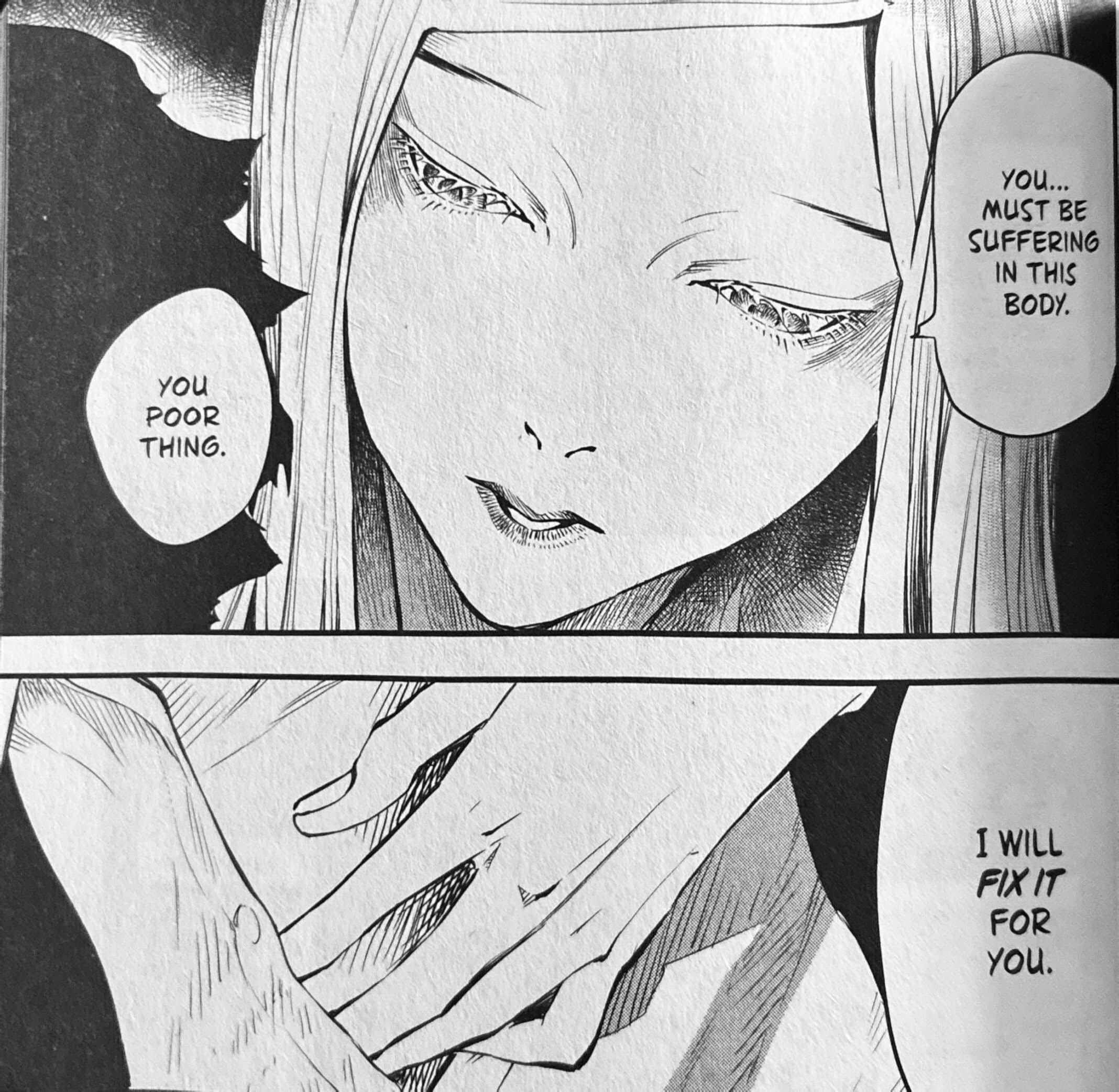
There are all kinds of tensions and tangled threads that are nearly impossible to detangle in familial relationships. Kiriko’s circumstances are paralleled with those of one of the college students, Minato, who later becomes an important figure in Kiriko’s situation in a way that doesn’t take the spotlight away from her. Hinatsugimura centers the horror elements around this core.
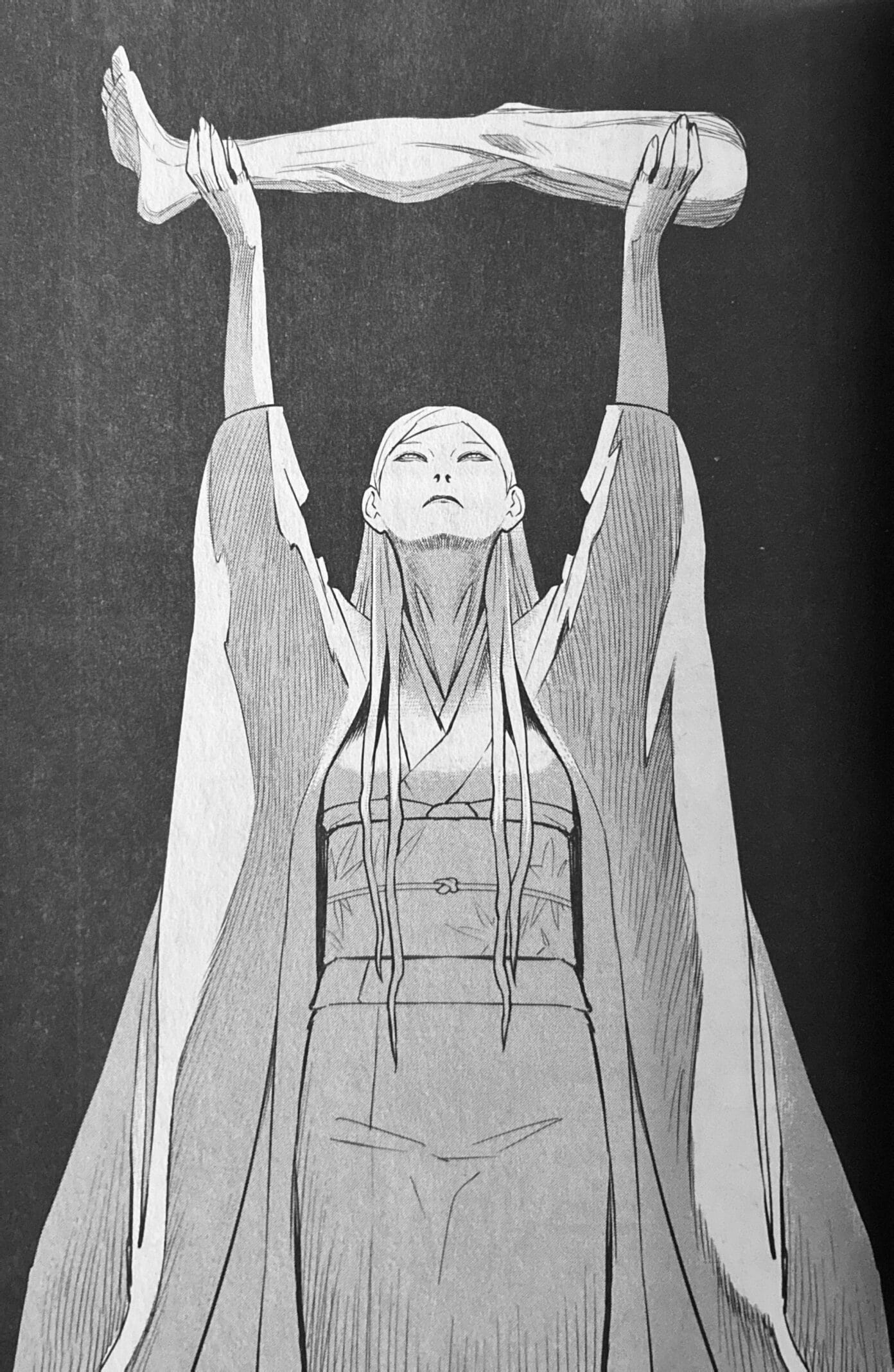
It’s a beautifully drawn volume with many full-page panels and occasional but haunting double spreads. On these pages, some of the artistic choices are reminiscent of early shojo works, which are extremely pleasant to look at, despite the horror that occurs on the page. There isn’t anything interesting to note on its paneling style and compared to what happens in the manga, the paneling itself looks quite static, which left me wanting to see a bit more movement or transgression. However, it reads and flows comfortably.
Yen Press honors Hinatsugimura with a beautiful black hardcover release with a dust jacket, similar to Neighborhood Craftsmen. It’s light and easy to read and opens comfortably. The spine is beautiful as well and I loved the deep maroon endpapers.
As mentioned on the inner flap of the dust jacket, people who venture into the village disappear without a trace. The opening chapter sets the scene for what awaits the curious: their bodies are dismembered partially to serve a purpose, which is foreshadowed by the pieced-together Hina dolls displayed by the mother in the mansion that the college students take refuge. It’s not easy to talk about Hinatsugimura without spoiling, but Aki Shimizu perfectly conveys the double-edged sword that is “caring” for another; it is healing, as much as it is crippling. Protective as much as it’s confining.
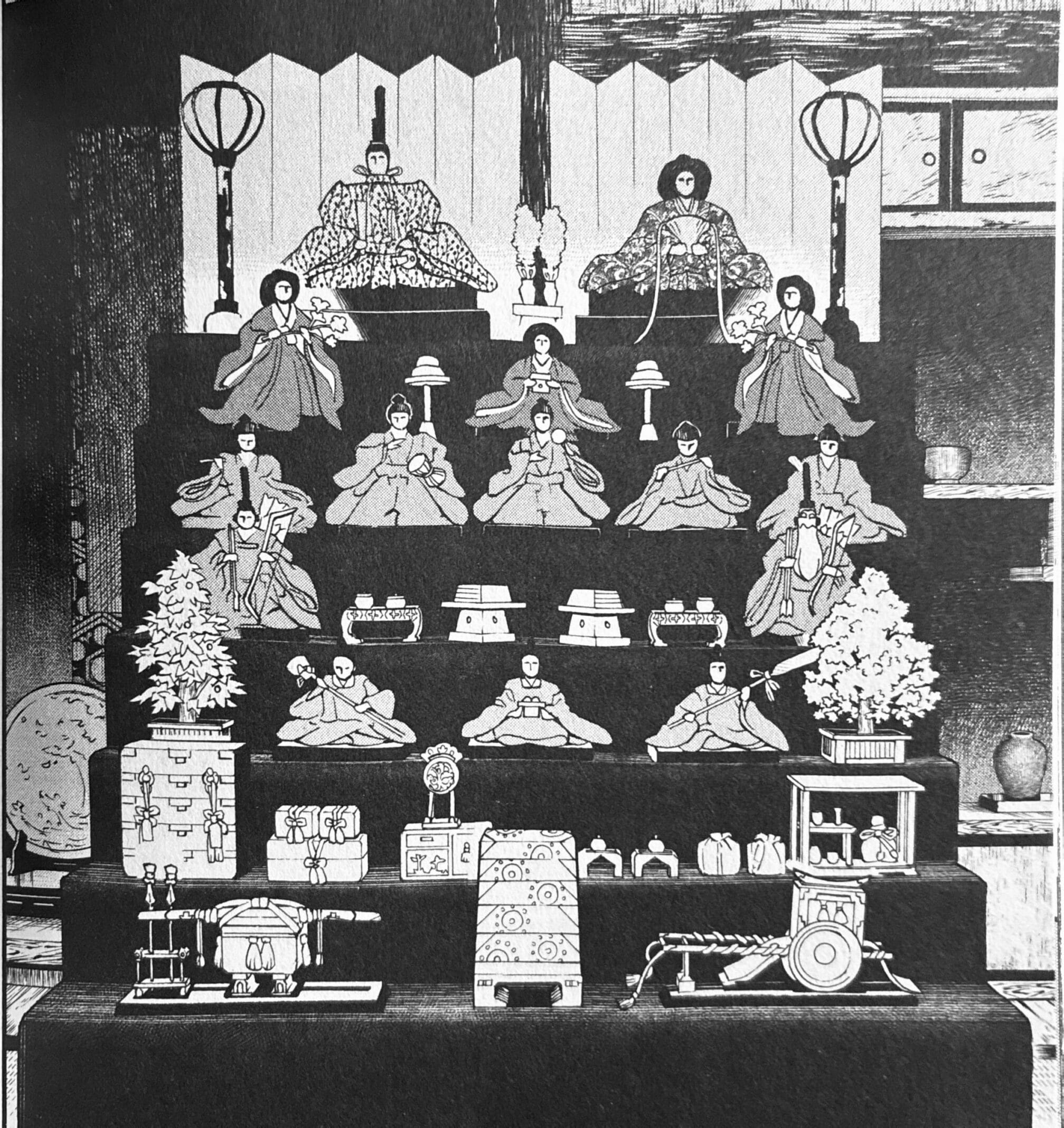
Wherever a mother-daughter relationship and caregiving are present as themes, it is impossible for the work not to have a gender-related angle and something to say about motherhood, physical beauty, and reproduction. Body horror is an integral component both in terms of what transpired when Touko was giving birth to Kiriko, the care she provides for her, and what happens to the people who wander into the village, willingly or unknowingly.
All of this is neatly contained in a single volume that you can finish in one sitting. I recommend Hinatsugimura not only to horror enthusiasts but also to anyone interested in the themes I mentioned above. Hopefully, her other works will slowly make it into the English-language market in the near future, and many thanks to Yen Press for sending me an advance reading copy in exchange for an honest review.
Hinatsugimura by Aki Shimizu is available digitally and in print on Yen Press’ website and other retailers.