

 Common-Sense Monster Volume 1
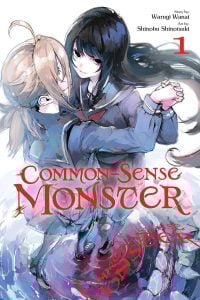 Common-Sense Monster Volume 1
Writer: Warugi Wanai
Artist: Shinobu Shinotsuki
Publisher: Yen Press (print & digital)
Translation: John Neal
Lettering: Alexis Eckerman
Publication Date: Aug 26, 2025
Rating: Older Teen
Genre: Manga (JPN), Horror, Drama, LGBTQ+, Yuri
Common-Sense Monster by Warugi Wanai and Shinobu Shinotsuki is a three-volume horror Girls’ Love manga, available now from Yen Press. While none of the other series Warugi Wanai has written have made it to the English market yet, Shinobu Shinotsuki is known as the illustrator for the light novel The Saga of Tanya the Evil, and the original character designer for the manga and anime adaptation, available respectively at Yen Press and Crunchyroll. The two join forces for a queer horror story centered around a socially anxious young woman in high school, befriending a classmate who easily blends into the crowd—after discovering she’s a human-eating monster!

“I’m not a bad girl. Just a little monstrous, apparently.”
The harder Itou tries to befriend her classmates, the more it backfires. She’s a socially awkward, lonely high school girl who wants to fit in, but the machinations of socialization elude her. She doesn’t aspire to excel at sports or academics, doesn’t expect to be the favorite— somewhere along the lines of the kind, quiet, and well-liked Takahashi is enough.
Itou thinks Takahashi hits a “sweet spot’ where she moderately gets along with everyone. That’s why when Itou happens upon a hideous and towering monster emerging out of Takahashi’s body, crushing their teacher Niehara’s skull, and eating him whole, Itou’s shocked, but also intrigued. Because if a literal monster who’s taken over the body of a classmate has managed to blend into the fabric of normalcy seamlessly, that means there’s still hope for her! Lots to learn from her new monster friend about the ins and outs of socializing.
‘Tis the summer of queer horror! Horror, specifically body horror, has always been an important genre for exploring queerness. In the anime/manga sphere, The Summer Hikaru Died had already garnered attention and amassed popularity after Yen Press’ release. And now with the anime adaptation taking over the internet by storm, discussions around queer identity, conservatism, repressed desire, and longing have also surfaced. While The Summer Hikaru Died has reached far and wide, it’s certainly not the only work to center itself around the theme “queer as monster”. Kazuki Minamoto’s The Gay Who Turned Kaiju, Syundei’s Total Eclipse of the Eternal Heart, and Sai Naekawa’s This Monster Wants to Eat Me are some examples that immediately comes to mind.
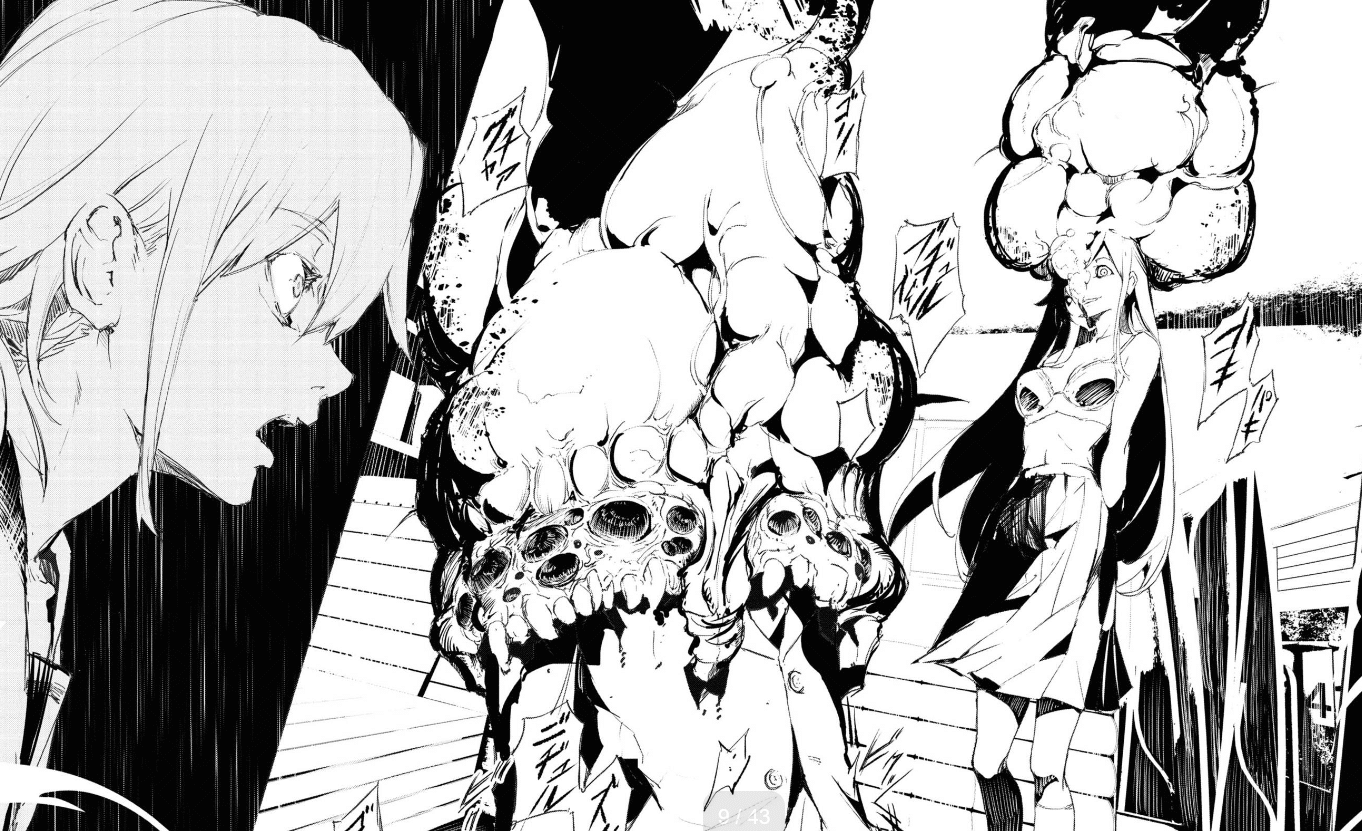
Following the thread, Common-Sense Monster brings two young women together: one, a human who can’t fit in, and the other, a monster who excels at mimicking. And from early on in the first volume, it’s apparent that the friendship borne out of such circumstances will, whether it aims to or not, defy common sense.
Takahashi, by nature, isn’t “like the rest”. The first moment we get a glimpse into her character is when she’s devouring the teacher who was sexually harassing her, and as Itou adds, he has been doing it to other girls too. Ever since the monster has taken over Takahashi’s body, she’s been watching others, paying attention, reading between the lines, and going through the motions despite having zero clue as to why these young girls do the things they do. She doesn’t need to, anyway. All she has to do is play the part that the others expect her to.
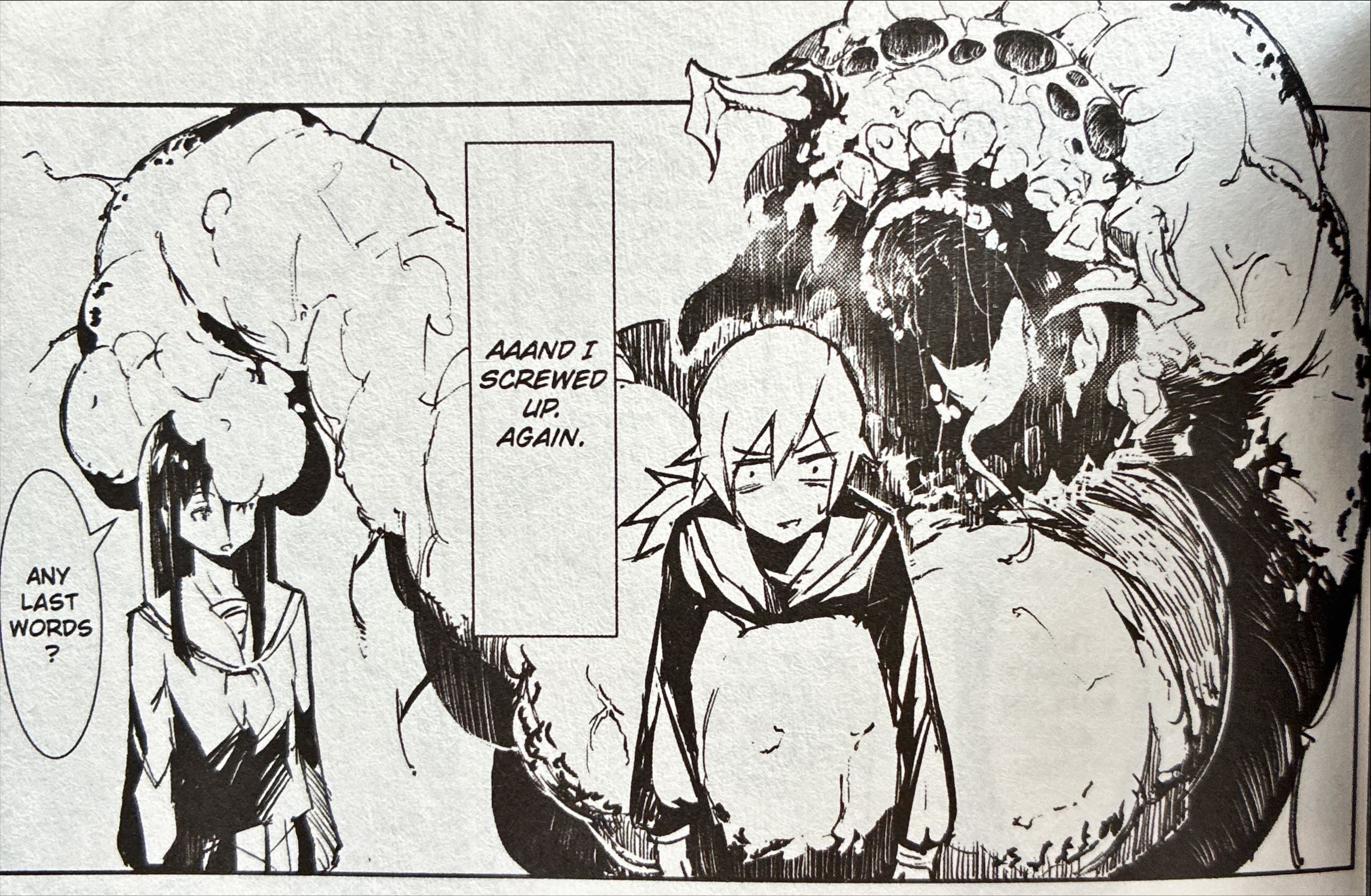
Itou, on the other hand, may seem a tad too ecstatic and welcoming of a monster who crunched bones like hard candy in front of her, but she’s a true fan of horror. As she recalls from her earlier years of being glued to the TV, in horror movies, every single one of us is equal in the face of an otherworldly predator. No matter how pretty, rich, or wicked you are, the same sound reverberates when your body is ground into mush between the beast’s teeth. That fragility mesmerizes Itou, and in her loneliness, she finds consolation in the monster’s “other” ness.
It’s inevitable that she adores the monster Takahashi, and in her, she finds a friend she can both confide in and learn from— something she’s wanted for a long time. It’s safe to say the monster Takahashi has her own agenda. So the two start eating lunch together, go to Itou’s grandmother’s house to incinerate a leftover bone from the abusive teacher, and exchange tips on how to be one of the girls. You know, the usual stuff young women get up to.

As they go about their lives, spend time together, and connect as two young women, or two monsters, depending on your perspective, it becomes clear that the real monster in the room is the so-called common sense we all, more or less, abide by. Itou is right in pointing out that this monster, indeed, continues to pulverize us to dust without discriminating. There’s one striking moment in Common-Sense Monster where the two girls are enjoying a hot bath together and Takahashi talks about the lengths other girls go to maintain their physical appearance and the importance of keeping the body odor in check. She deems bathing “vital” to her survival and adds:
Only a monster who’d be exposed and killed for the slightest mistake would think that way. It wouldn’t occur to anyone else.
For queer people, their identity is a part of them worth celebrating out loud. But that same pride could cost them their lives, literally or figuratively. Simply by being, you can be ostracised from your family and/or community, you can be denied the healthcare you need, denied your right to get protection or education, or be subjected to violence. One little slip-up or any indication that you might be “secretly refusing the role you’re supposed to play” might have serious repercussions depending on the sociopolitical climate and community you live in. Common-Sense Monster subtly weaves these threads into this intriguing and fun story about two girls figuring out life!
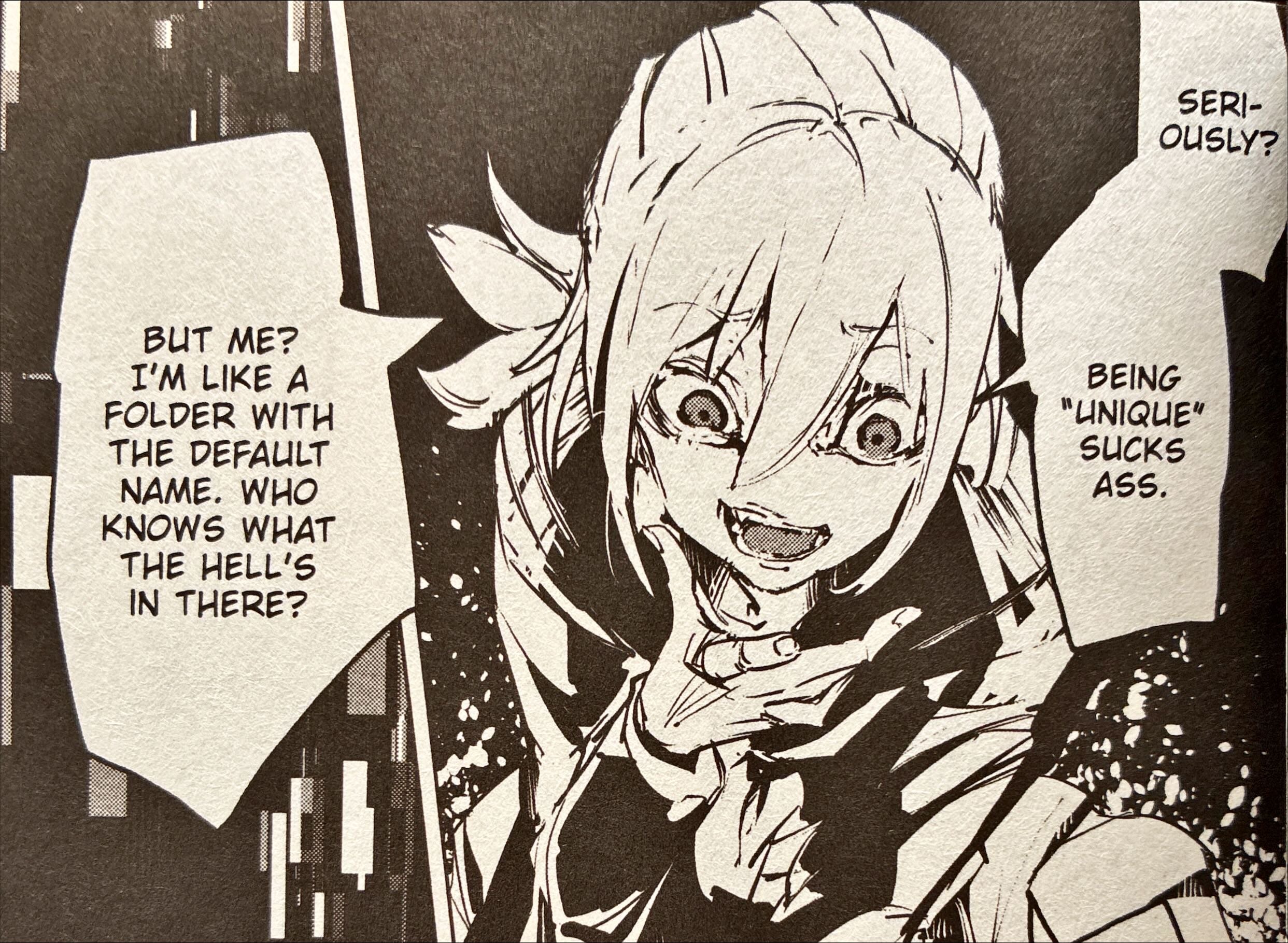
The quirkiness and the edge this story has are brought forth visually by the art style of Shinobu Shinotsuki. Hatching and grainy screentones give a subtle, gritty feel, and the monster designs we see in this volume are interesting enough to make me look forward to discovering others. Yuri, or Girls’ Love manga, usually depict their characters cutely. In Common-Sense Monster, however, Shinotsuki’s lines are harsher and forms are sharper while maintaining a lovable appearance overall. If you’re looking for a diversion from the bubbly, cute high school girls in the genre, I believe Common-Sense Monster will appeal to you.
Continuing the queer horror “vibes” of the summer, Common-Sense Monster is the perfect contender to be the next in your TBR line! This first volume is quirky, funny, and uncanny, making it a great read that left me wanting the next volume ASAP! Moreover, the series is completed in Japan with three volumes in total, it’ll be a relatively short ride. My reading experience was smooth sailing thanks to the translator, John Neal, and the uncredited editor. Alexis Eckerman’s lettering matched Itou’s energy. Highly recommended!
Common-Sense Monster Volume 1 by Warugi Wanai and Shinobu Shinotsuki is available digitally and in print on Yen Press’ website and other retailers.