As someone who found Danny Boyle’s 28 Years Later to be poorly structured, emotionally banal, and generally nonsensical when it came to character development, 28 Years Later: The Bone Temple seemed like an extension of all that left me disappointed in 2025. The main reason being that screenwriter Alex Garland also penned the sequel, where we’d be exploring characters who left little impact in the previous installment.
However, this time around, Candyman sequel/reboot director Nia DaCosta was stepping in for Boyle, an enticing prospect despite all the other ingredients staying mostly the same. And while Garland still doesn’t seem to find anything interesting to say about the world he’s created, at least he allowed some grisly menace and even some fun to seep in, while DaCosta runs with what she’s given and blows Boyle out of the water in the director’s chair.
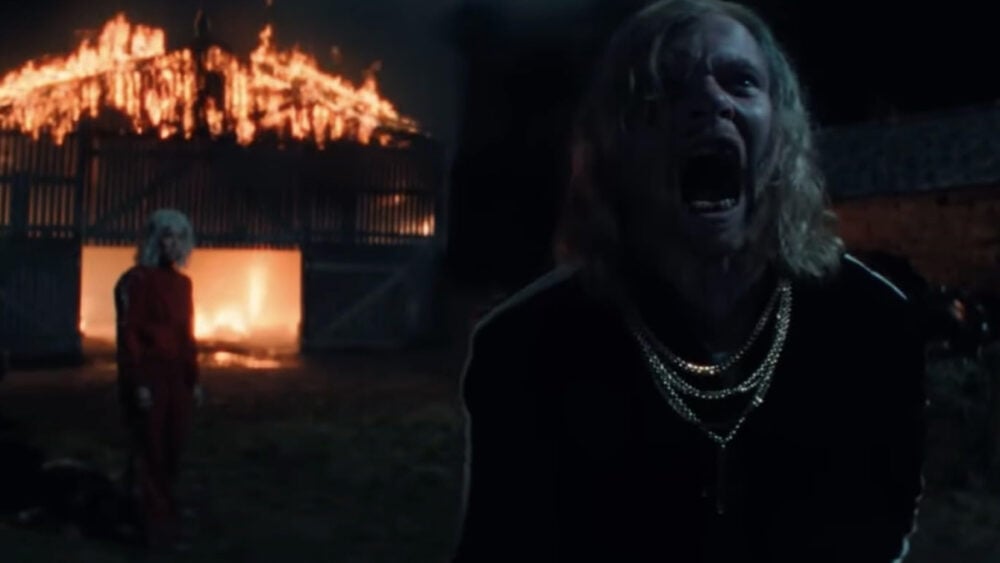
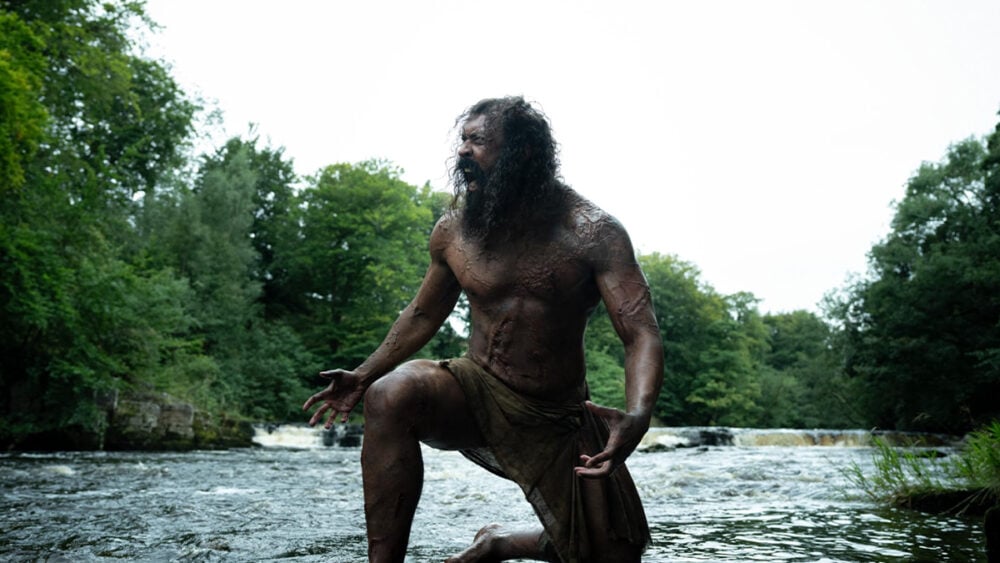
DaCosta pumps the brakes hard in The Bone Temple, doing away with Boyle’s kinetic everything-but-the-kitchen-sink approach. The script this time around allows for a calmer approach as Garland weaves several story strands that eventually come to a head. Each of these strands are slower burns by nature: Ralph Fiennes’ Dr. Ian Kelson returns, taking a more hands-on approach in treating and understanding the Alpha infected he calls Samson (Chi Lewis-Parry); Spike (Alfie Williams) has fallen into the hands of Sir Lord Jimmy Crystal (Jack O’Connell) and his merry band of sadists also called Jimmy; and lastly, we also get naturalistic snapshots of Samson himself seemingly gaining some sort of recognition after his encounters with Kelson. Of note is also one of the Jimmy’s, Jimmy Ink (Erin Kellyman), who begins to doubt her leader’s spiritual powers.
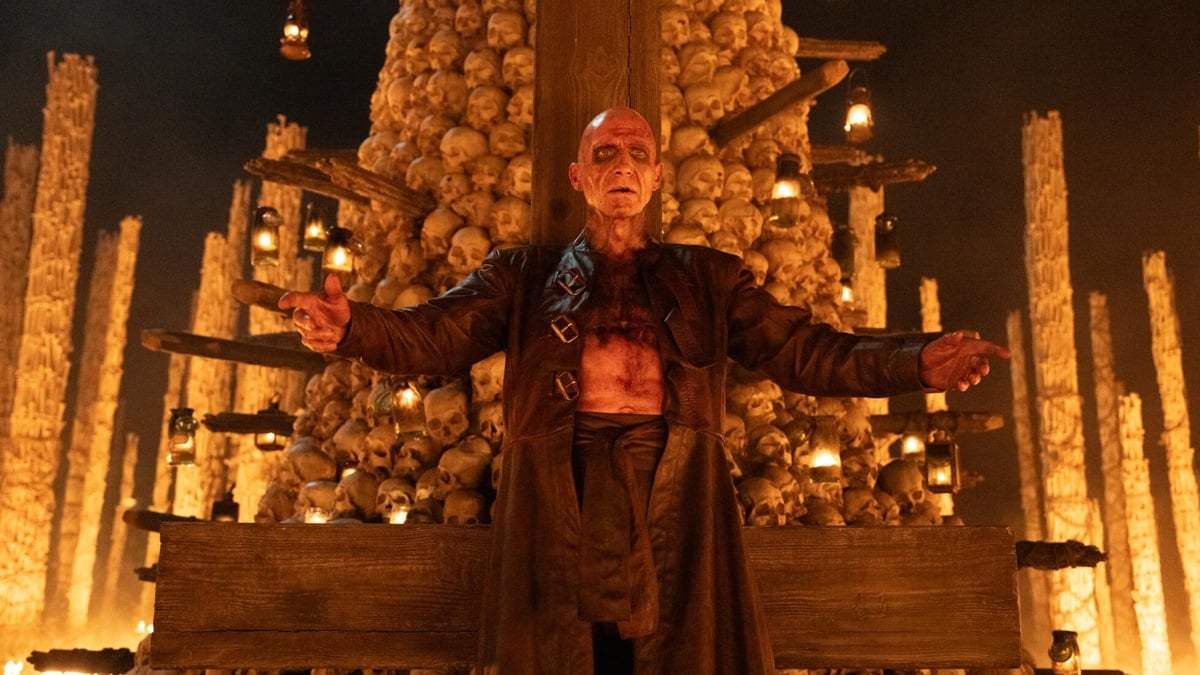
From the start, this is a much more interesting and engaging script from Garland. Dr. Kelson is a wonderfully absurd and charming character, and his interactions with Samson are both tense and poignant. As portrayed by Fiennes, he becomes a blatantly histrionic character, full of life and verve in an attempt to not let the weight of the horrible world destroy him.
Lewis-Parry as Samson is as terrifying as he was in the previous film, but now has the opportunity to convey through small ticks and facial details how the fog of rage slowly lifts. Their moments together are true highlights, so much so one would want an entire film solely focusing on their relationship.
But then we get a glimpse of Sir Lord Jimmy Crystal, and one wishes he would always remain on screen. In O’Connell’s hands Jimmy is as ridiculously funny as he is disturbingly twisted. A self-made messiah whose “charity” includes murder and mayhem, Jimmy is a wonderfully unhinged addition to the pantheon of Horror’s cult killers. O’Connell plays Jimmy with an odd, heavy accent and mannerisms reminiscent of English rock stars like Liam Gallagher and Robert Plant, along with the obvious references to disgraced British media personality and pedophile Jimmy Savile. O’Connell plays Jimmy in such charismatic and hilarious fashion that it’s all the more jarring and disturbing when his true colors manifest in his gospel of horrendous violence and torture.
Here is where DaCosta truly shines, juggling the disturbing humor, gonzo story beats, and extreme violence in Garland’s script with aplomb. This is a much more elegantly shot film than 28 Years Later (beautifully photographed by Sean Bobbitt), and DaCosta smartly goes for the jugular when she needs to and takes a step back to let tension boil when the story calls for it. Nevertheless, The Bone Temple, while much better structured than the first part of this new trilogy, still suffers from a general lack of direction and meaningful plot development.
The issue here is not DaCosta but Garland’s screenplay, which for all its virtues and brilliant character creations is not able to lead them towards a satisfying resolution. Of course, this is meant to be a trilogy and it’s difficult to properly appreciate Garland’s endgame with these characters, but the two films so-far released feel like chapters in search of a novel. Spike’s story (the weakest narrative thread since the first film) is mostly relegated to the background, a spectator to Jimmy’s horrible violence, while Dr. Kelson and Jimmy’s threads battle for supremacy. It’s a film that continuously neuters itself by jumping from one character to another when it manages to gather enough narrative drive in one thread.
As such, the film ends up being a montage of glimpses into the disparate journeys of characters that feel incomplete. Thematically, there are attempts at addressing how a society can go mad when it loses all sense of moral foundations, while it also tries to explore the very madness that can lead to hope and transcendence in a lost world, but both these ideas are ultimately as surface-level as what we’ve seen in other zombie media like The Walking Dead and never reaches the heights of George A. Romero’s explorations of similar themes, especially in Day of the Dead (1985). What Garland and DaCosta do deliver is a ridiculous world filled with some interesting characters who never get the opportunity to truly shine. Nevertheless, some of its biggest swings do work, and at its most gonzo (get ready for quite a spectacle from Fiennes at a critical moment of the film, trust me) it manages to be a gory and macabrely funny ride.