
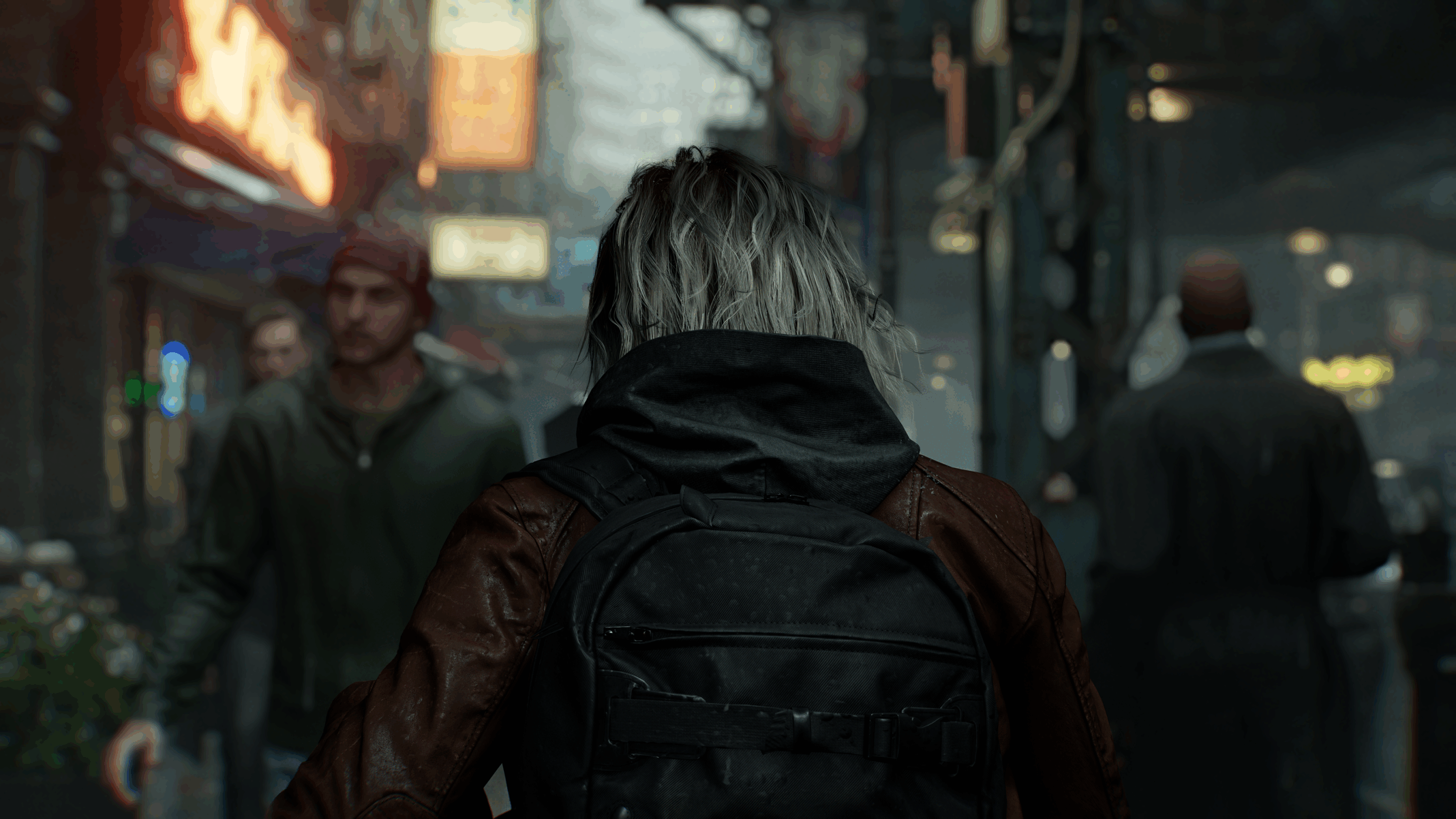

It’s been nearly three decades since Racoon City, home to the pharmaceutical company Umbrella, was wiped off the face of the earth, following a zombie outbreak in the city. In the meantime, former R.C.P.D officer and Racoon City survivor Leon S. Kennedy has become an international man of action, an agent, spy and all-around borderline superhero. When a mysterious string of murders targeting survivors of the incident comes to the attention of FBI Agent Grace Ashcroft, Leon and Grace will have to work together to uncover Umbrella’s final secret and put a close to the story of Racoon City once and for all. Resident Evil: Requiem, the 11th mainline entry in the landmark survival horror video game series, has been unleashed unto the world as of February 27th 2026, and it’s an encapsulation of all that’s to love about Capcom’s flagship horror title, and a fantastic love-letter to the franchise as a whole.
Resident Evil: Requiem began development shortly after the previous mainline entry, Resident Evil: Village, released in 2021. Initially beginning life as a online multiplayer open-world game set in the ruins of Racoon City titled Resident Evil: Apocalypse, the game was re-configured after director Koshi Nakanishi felt it ‘wasn’t what fans would’ve wanted’. They then began developing it into a single-player horror game with Leon Kennedy as the lead, before realizing that Leon would not make for a believable horror protagonist after his evolution into an action hero over the course of the series. This led Requiem to its eventual final form, a dual narrative with half of the story functioning as a first-person survival horror experience, and the other half a third-person action-horror blockbuster.
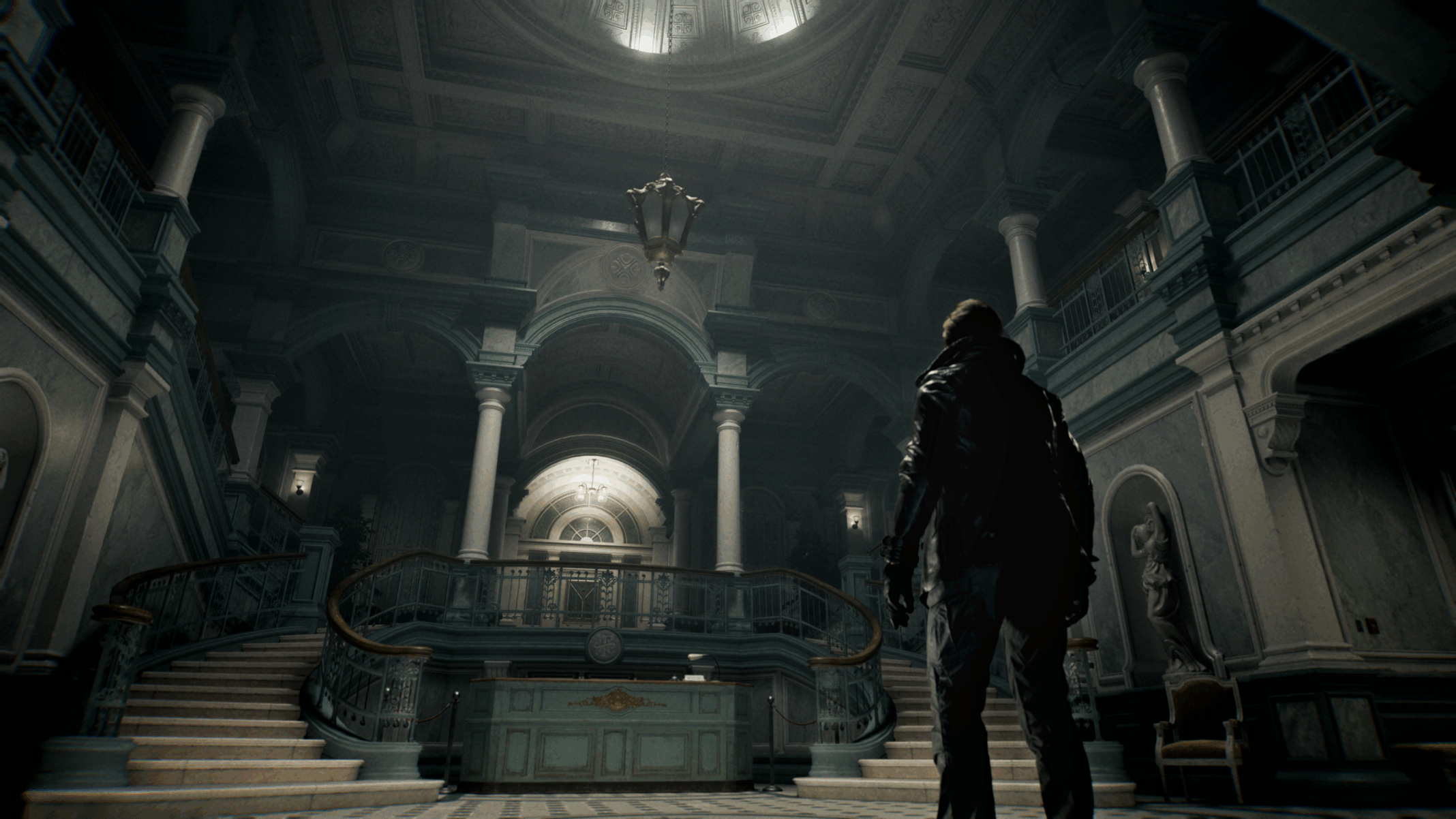
The games’ main plot follows Grace Ashcroft, a rookie FBI analyst and the daughter of Alyssa Ashcroft, one of the primary playable characters of the multiplayer spin-off game Resident Evil: Outbreak. When Grace is tasked with investigating the murder of nearly half a dozen Racoon City survivors, she has no idea what she’s getting into, and has to face the horrors left behind by the Umbrella Corporation, the hidden secrets of her past and her mother’s life, and work alongside supercop and DSO Agent Leon S. Kennedy in order to survive the night and find out what’s really going on.
Grace’s journey will take her through the abandoned Wrenwood Hotel, the labyrinthian Rhodes Hill Care Center, and the ruins of Racoon City itself, as she tries to solve her case and defeat the vile and detestable Dr Victor Gideon, a former researcher for Umbrella with some secrets up his sleeve. It should be stated explicitly however, this is as much Leon’s game as it is Grace’s, and while she’s the center of the main narrative, around about half of the entire game is spent playing as Kennedy, who aims to protect and aid Grace alongside fellow DSO Agent and Racoon City survivor Sherry Birkin. Sounds like a lot? Yup. The game takes influence from serial killer horror-thrillers such as The Silence of the Lambs, combining it with both the horror and action elements of the series to craft a narrative that’s doing a lot, but almost entirely succeeds in everything it’s attempting.

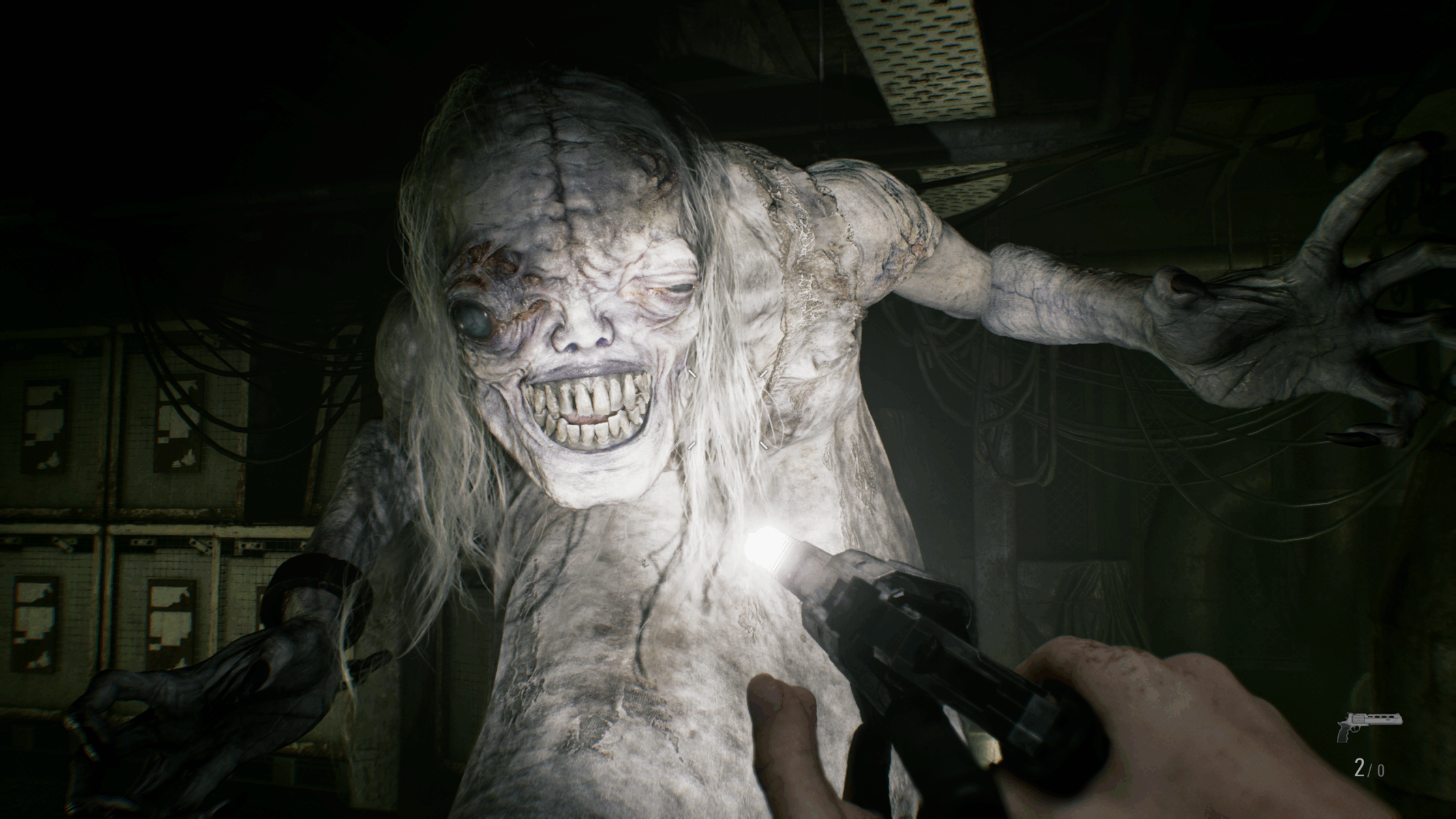
Grace’s gameplay sections are full on survival horror-focused, with highly limited inventory space and supplies. She can barely handle a firearm, with a small collection of around three handguns available to her disposal, as well as various gadgets such as injectors and molotov cocktails. You’re incredibly de-powered here, and it ups the fear factor tremendously, with every Grace section feeling like a desperate struggle to survive insurmountable odds. Played in first person akin to the previous two mainline entries, it’s even scarier than 2017’s now-legendary Resident Evil: Biohazard, with entire sequences having me so scared I’d forget to breathe or get so caught up in the fear I’d forget what I needed to do for a certain puzzle.
As you explore the Rhodes Hill Care Centre, the game really shines, and it’s probably the best stretch of the entire thing, as you gradually equip Grace with more and more equipment to take on the variety of horrific and challenging zombies she has to face. These include The Girl, a giant malformation of a young woman, The Singer, Chunk, and The Chef. These areas are survival horror at their finest, particularly the basement of the Care Centre, an absolutely horrific stretch where you’re being chased around in the dark with barely any protection.
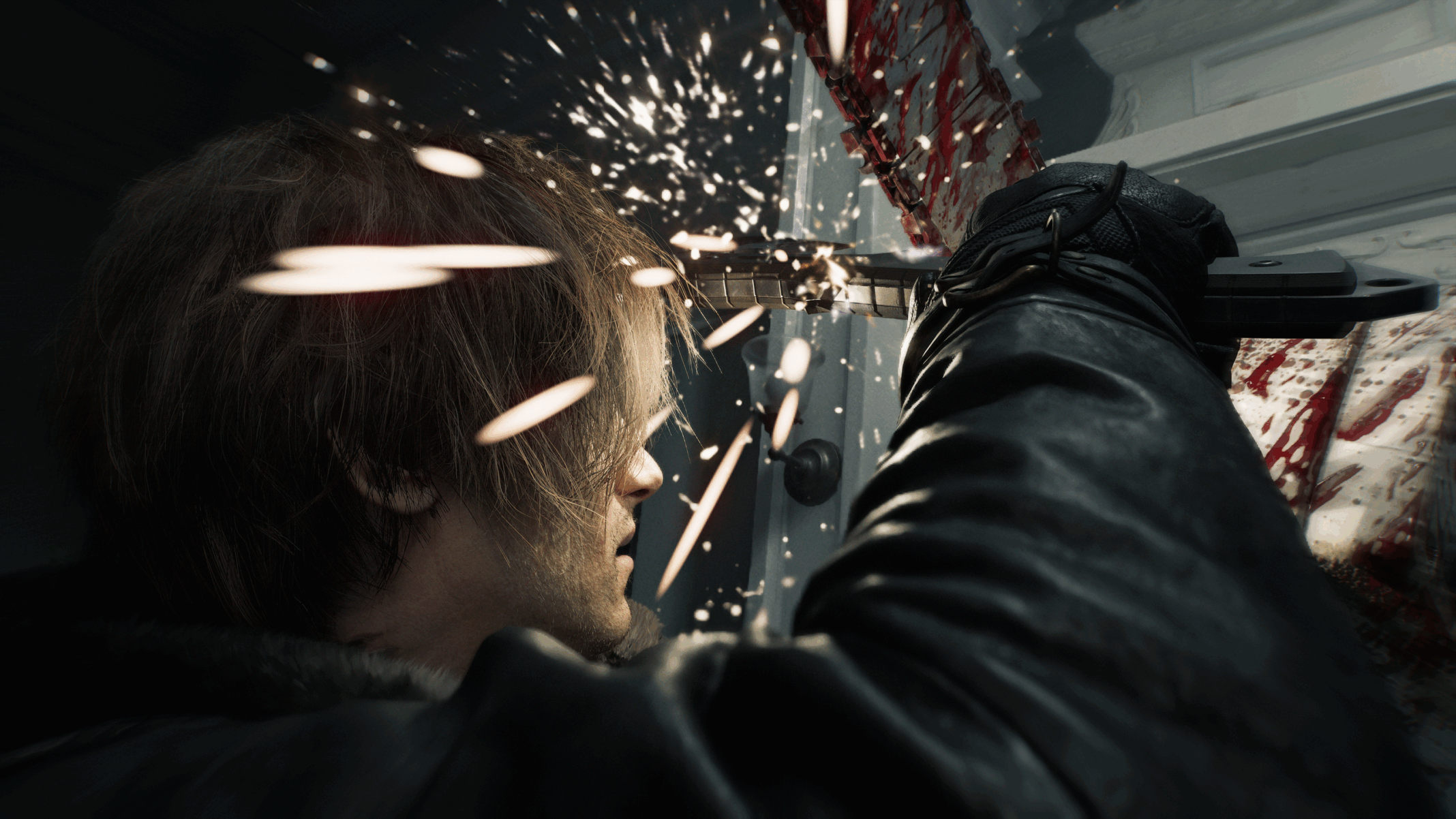
In contrast, Leon’s sections are action-horror focused, taking the core combat and gameplay mechanics of Resident Evil 4 Remake and pushing them further. Leon, approaching 50 and grizzled here, is an absolute tank, pushing zombies around left and right and punishing them to the extreme. His sections serve as incredible moments of release from all the tension of Grace’s gameplay, and in general the game is incredibly well paced, cutting between the two at the exact moment one of them starts to feel repetitive or mundane. The combat with Leon is crunchy and powerful, almost addictive a lot of the time, and it allows the action-focused sections to feel just as pulse-pounding as the Grace ones, even if they are considerably less scary. The boss battles here are generally superb, with the series pushing it’s combat further than ever before. It often feels like a perfected version of the highly controversial Resident Evil 6, Leon’s last canonical appearance prior to this game, but with more interesting and compelling combat and a much more effective story.
On a technical level, the game is absolutely staggering. The RE Engine has never looked better, pushing graphic fidelity to a new high for the series without sacrificing style or artistic integrity. The shadows and lighting here is genuinely unreal, and it looks beautiful on modern consoles. Nakanishi’s direction is superb throughout, perfectly understanding how to balance both disparate tones whilst still making one complete package. The cutscenes here in particular are striking in their quality, and it made me deeply appreciate the team even more so. The gameplay elements are all fantastically well done, and whilst they don’t reinvent the series core gameplay style at all, it’s a push further for both the action and survival elements. Grace’s blood-based crafting system is intuitive and brilliant, and Leon’s weaponry and gunplay is, like mentioned prior, absolutely addictive and compelling in every way. The score, by Nao Sato, Masahiro Ohki, Joseph Holiday and Shigeyuki Kameda is also fantastically, effortlessly weaving the entire game together into one complete experience.

Grace is voiced by Shihori Kanjiya in Japanese and Angela Sant’Albano in English. My initial playthrough of the game was in English, so I can’t really comment on Kanjiya’s performance, but Sant’Albano absolutely knocks it out of the park in what might just be the best vocal performance in the entire franchise. She infuses Grace with so much palpable fear and apprehension that you connect with her on a very deep level almost immediately, and for many players her reactions of horror, confusion and disgust will come across as very relatable to how we would react to these situations if placed in her shoes. Even as she gains more agency and capability, she never stops being scared, and it’s quite brilliant to watch, in what’s a totally commanding and fantastic performance.
Gideon, our mysterious antagonist, is the other highlight in terms of vocal performance, voiced by Yutaka Aoyama and Antony Byrne in English. Byrne gives Gideon a horrendous charisma, with a weirdly forceful and often times immensely watchable delivery style that makes it hard to ignore Gideon whenever he’s on screen, even when he’s being disgusting and despicable in that oh-so-classic RE villain way. He plays off of Sant’Albano well, with their tense encounters serving as a consistent highlight of the games earliest portions, really allowing you to connect to the story and its characters. This has always been a franchise with strong, compelling villains and this entry is no exception.
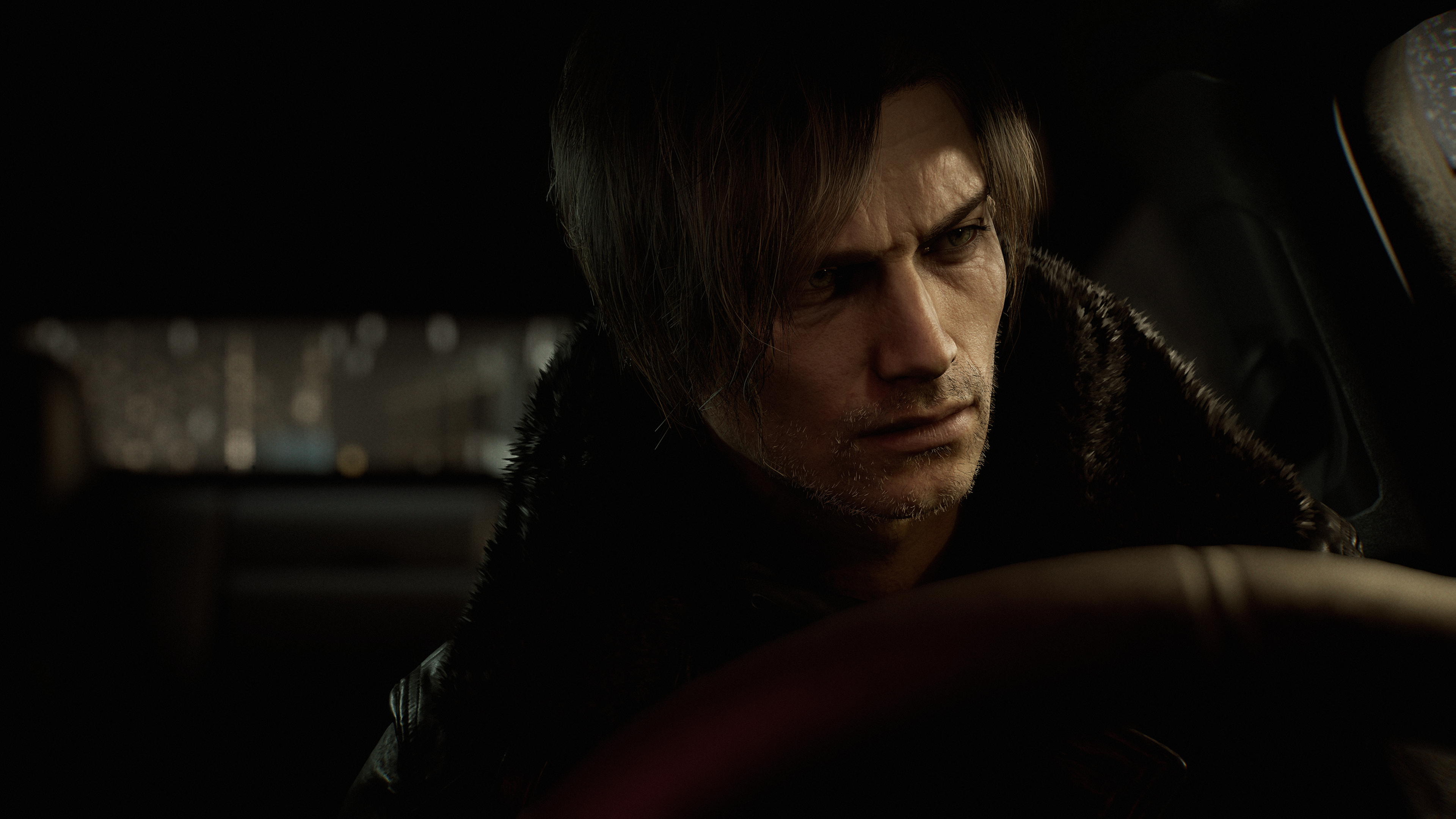
Both Toshiyuki Morikawa and Nick Apostolides return to voice Leon Kennedy in Japanese and English respectively, from the remakes of Resident Evil 2 and 4. Apostolides does a very good job as the older, more tired and less sassy Leon, with a gruffer tone that does wonders when it comes to believing Leon’s age. There are times when his voice does feel a bit forced or stretched, but it’s few and far between, and the vast majority of the time it’s not an issue. A lot of care has clearly been put into the design of Leon’s older self, and it shows. It’s nice to see him noticeably aged, and if he is to appear in the future I hope they continue that trend and don’t succumb to the temptation of giving him and eternally youthful exterior. As the game gets more-action focused as it goes on, much like other games in the series, he has much more to do in the back half, but he rises to the challenge, even if he doesn’t hit the same heights as Sant’Albano’s exceptional performance.
There are a bevy of other fantastic vocal performances, including Emma Rose Creaner as Emily, a blind orphan taken in by Grace over the course of the narrative, who makes Emily sympathetic and adorable in equal measure. Eden Riegal returns as Sherry Birkin from Resident Evil 6, and she absolutely knocks it out of the park as Leon’s moral support from afar. It almost makes me wish the game gave her more to do, but hopefully a full-fledged Sherry lead role isn’t too far away in the future. Craig Burnatowski voices another major villain, and he does a good job, however, he’s not given as much time in the narrative as he really should’ve, which does hinder the moments he shines.
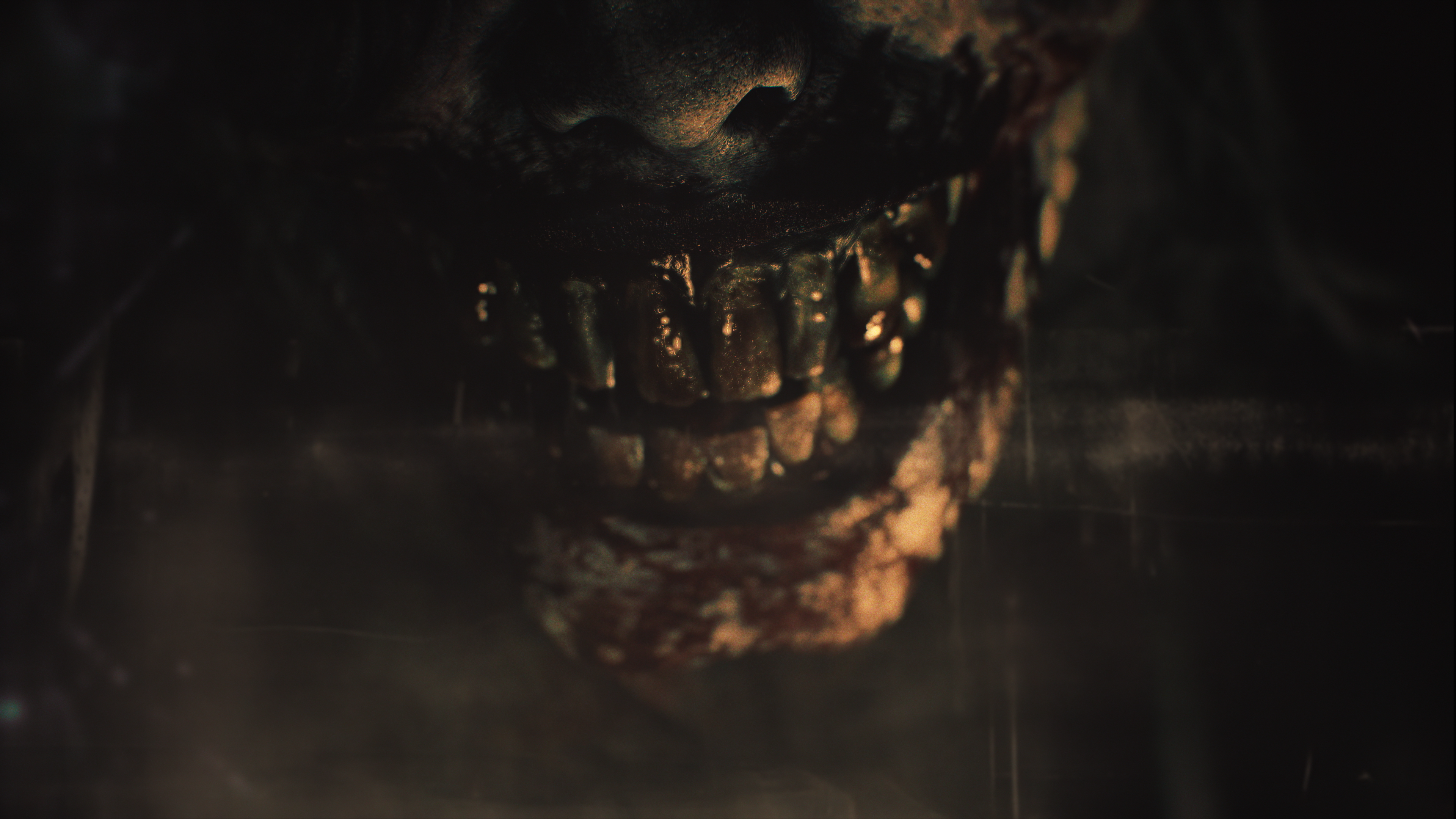
A huge element of this game, particularly its second half, is fan service to previous entries in the series. It very much feels like a love letter to the franchise, blending the action-horror of games like 4-6 and Village with the survival horror of 1-3 and Biohazard. There’s Easter eggs a plenty, nodding to characters like Albert Wesker, Barry Burton, Jill Valentine, Chris Redfield, and even Ethan Winters. There’s villains and boss-fights that visually or mechanically nod to other entries, and the games narrative very much ties into core narrative of the games, unlike Ethan Winter’s relatively standalone story in the previous two games. It’s not a cameo-fest like some might expect, with the only major characters from previous entries appearing being Sherry and Leon, and I can very much appreciate the restraint. A noticeable absence is Claire Redfield, which feels strange given that Resident Evil 2 is just as much her game as it is Leon’s, but it’s also hard to pin down exactly where you’d place her in this narrative, so I can kind of understand the decision.
Thematically, the game explores the impacts of trauma, how to live with the constant feeling of impending doom, facing your fear and uncovering the secrets of the past. It’s very much in line with the rest of the series, complete with shadowy organizations of unclear moral integrity and their machinations doing immeasurable harm to the people who trusted them. Arguably the main difference here is contrasting the old and the new, with Leon’s experience of facing his traumas operating differently to Grace’s. Does it count as radical acceptance if you’re destroying the countless zombies that ruined your first day on the job thirty years ago? I’m not sure. Like most other games in the franchise, it’s not necessarily focused on the thematic material here, but there’s a lot hidden in here that really does work well. A consistent theme is the wellbeing of children and young people, which makes the absence of Sherry Birkin’s adopted mother, Claire, even more questionable than it already is, because that’s the central theme of her narrative in that game. It’s handled well here though even without her presence, particularly Grace’s endearing bond with Emily as she tries her best to help her survive the night.
Where the series goes from here next is unclear. As of the writing of this article, nothing’s been explicitly confirmed, but almost every single mainline Resident Evil game since the fourth one has had downloadable content released afterwards, so I doubt Requiem will be any different. It would be great to see more of Sherry and her role in the narrative, and even better to re-introduce Claire Redfield to the series, especially given this games’ substantial links to Resident Evil 2 and it’s story. For that same reason, an appearance from Leon Kennedy’s recurring on-off love interest Ada Wong can comfortably be predicted as well. Regardless of what DLC does or doesn’t come to pass, the game stands perfectly fine on it’s own, with minor omissions at best. As for what titles we can expect, it’s safe to say they’ll probably continue with their massively successful remakes; Resident Evil: Code Veronica and Resident Evil 0 are probably the games most in need of a remake, and are the most underrated entries in the main saga, so I’d vouch for those two over another remake of the first game, whose 2002 remake is the perfect horror game. Either way, Capcom has been firing on all cylinders when it comes to Resident Evil for nearly nine years straight, and I doubt they’re going to stop anytime soon, especially given that this games’ conclusion sets up so many different fascinating premises for a 12th mainline entry.
Overall, Resident Evil: Requiem is brilliant, a love-letter to the landmark of the series that encapsulates so much of what makes it great, seamlessly and excellently blending the series’ two different identities into one complete package that’s hard not to adore. Thanks to brilliant direction and even better voice acting, it’s one of the strongest stories in the entire franchise, and Grace Ashcroft stands out as a wonderful addition to the series, with her exceptional survival horror portions becoming a total standout of both this individual game and the larger saga. It never lets up over the course of its runtime, functioning as one of the most compelling and complete packages the series has ever delivered. What’s next for Resident Evil remains to be seen, but for now, Capcom can bathe in the well-earned success of this truly exceptional game, and allow themselves to get a bit nostalgic for everything that brought them here along the way.