
Cannon
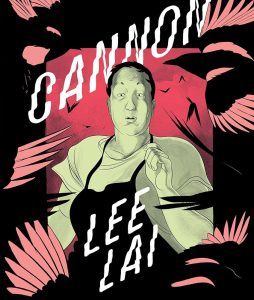 Writer/Artist: Lee Lai
Publisher: Drawn & Quarterly
Publication Date: September 9, 2025
In the follow-up to her multi-award-winning graphic novel debut, Stone Fruit, cartoonist Lee Lai follows listless adult Lucy, better known as Cannon, whose composure is challenged in every single area of her life.
Rather than a coming-of-age story in which the main character discovers something about themself and overcomes an obstacle, Cannon depicts an unravelling. It’s quintessentially Lai, both in the strength of its complexity and in its imagery. It also demonstrates continuing maturation of her work.
Cannon’s closest friendship with her high school bestie Trish is rapidly deteriorating. Trish is so hyper-focused on her writing career and her new situationship that she hasn’t noticed how often she steps on Cannon’s sentences, how she takes up so much space that Cannon is forced to squeeze into whatever’s left and simply make do.
Meanwhile, Cannon’s job—where she’s fetishized by her boss but deeply respected by her coworkers—has hired a new bartender whose interest in her she immediately returns. But they’re not dating. It’s simply not that serious.
All of these things feel like staples of the post-college, early adulthood experience, but Cannon is also single-handedly trying to take care of her grandfather, whose health is declining at an increasingly fast clip. Attempts to communicate with her mom about his care go largely unanswered, leaving Cannon to both balance her own life and shoulder the brunt of familial responsibilities that aren’t hers alone.
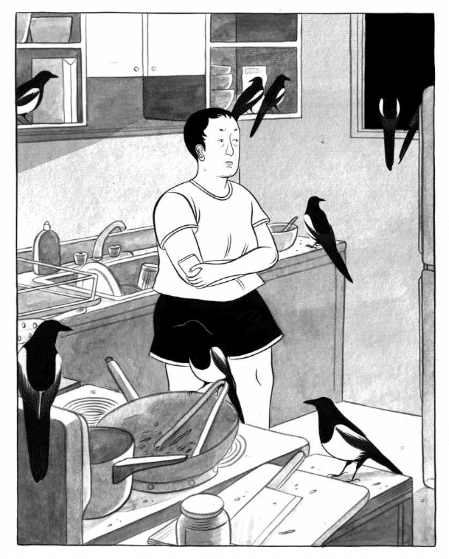
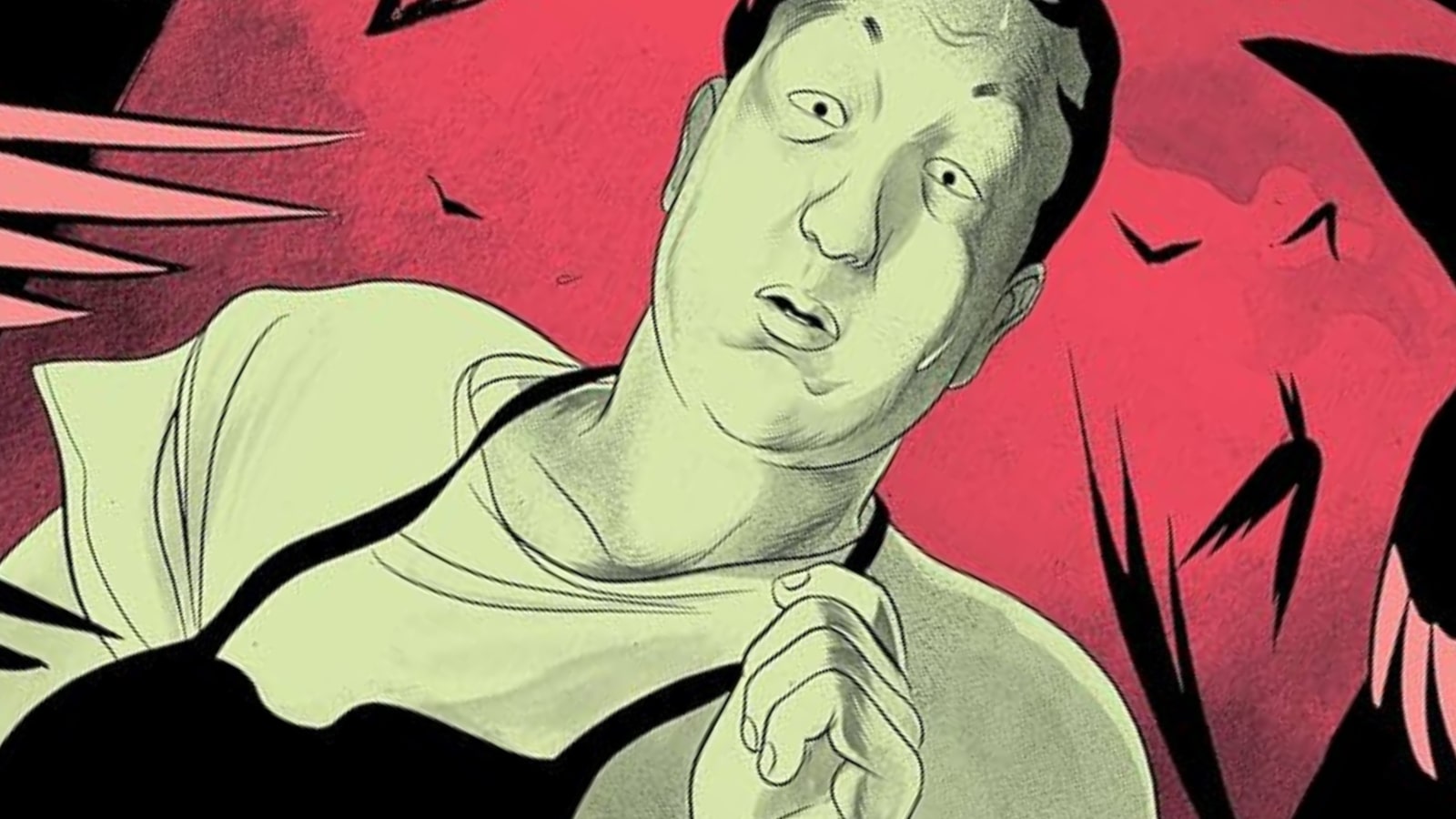
Illustrated in black-and-white, one-to-four-panel layouts, Cannon is an even-paced, character-focused work that showcases heavy, hard emotions with perfect nuance. The titular character doesn’t like confrontation and seemingly prefers to stay out of the spotlight. But when she begins to experience emotional, mental, and even physical distress from being walked all over, she has no choice but to stand up for herself. The consequences of that for both herself and others are multi-faceted, intense, and often unpredictable.
The stakes here are rooted in how easy it is for people to hurt each other, and how easy it is for that hurt to dig deep and rip relationships apart, eliminating the possibility for forgiveness or healing.
Lai’s rendering of character expressions, body language, and flashbulb moments to indicate the passage of time do a ton of heavy lifting, especially since characters keep missing each other (intentionally or not) with texts and phone calls. Lai’s masterful dialogue, often depicted with overlapping text bubbles, taps the reader into how much things have deteriorated, especially between Cannon and Trish.
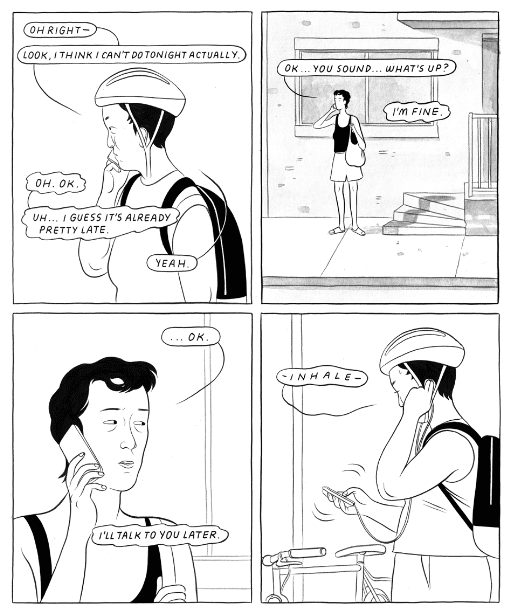
At the heart of everything is Cannon and Trish’s queer platonic partnership. The first panels in the book depict a scene of total destruction around them, followed by a jump back in time by three months. This explains how they got to that point, with occasional flashbacks to their high school days to reveal how their friendship used to be.
This framing immediately establishes Cannon’s unravelling, as well as Trish’s (which we see to a slightly lesser degree, and which follows in the wake of Cannon’s). The tension is there from the jump, and while it shifts throughout the story, it never fades.
Like its predecessor, Cannon is a genuine masterpiece from the inimitable Lee Lai.
Final Verdict: Buy
Cannon is now available via publisher Drawn & Quarterly
Read more great reviews from The Beat!