

With more people reading manga and Webtoons (aka vertical scroll comics) than ever before, Beat’s Bizarre Adventure gives three writers an opportunity each week to recommend some of their favorite books and series from Japan, Korea, and elsewhere. This week we have giant monsters, carpenters, and, of course, families.
Giganto Maxia
Writer/Artist: Kentaro Miura
Translation: Matthew Johnson
Lettering: Studio Cutie
Publisher: Dark Horse
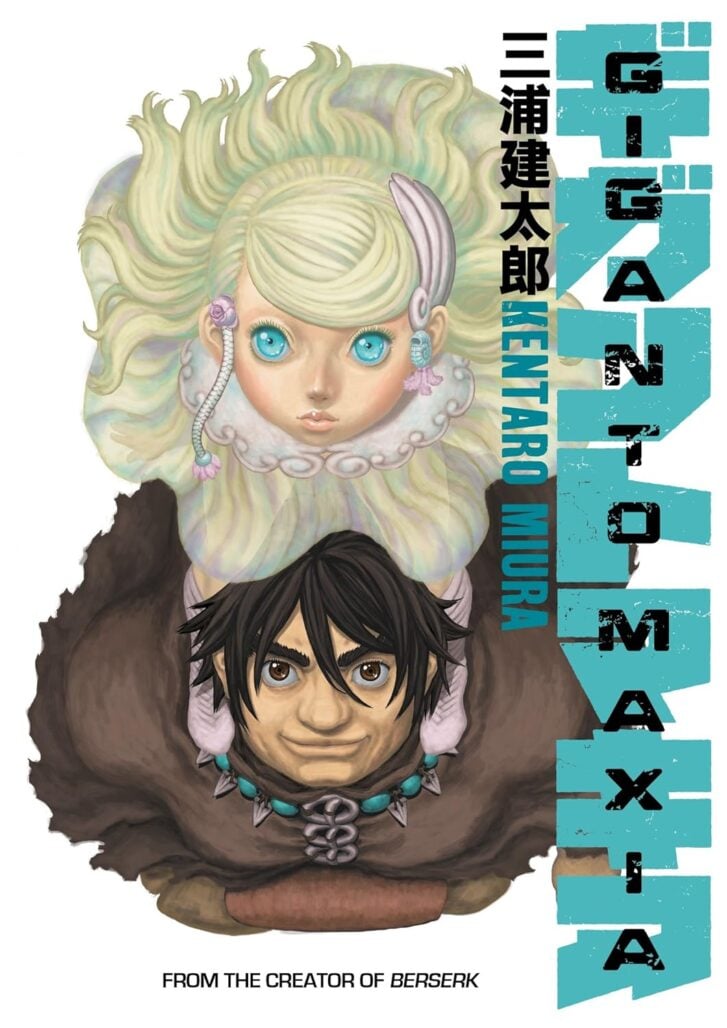
Giganto Maxia is a short-lived side-project drawn by Kentaro Miura while he was still working on Berserk. It follows the duo of Delos and Prome as they help a desert people ward off a powerful enemy. The Empire hopes to eliminate them and annex their god: a Giganto, giant creatures with incredible power that can be used for destruction or creation.
It’s unfortunate that Giganto Maxia is just one volume. Miura invokes his gift for world-building and mystery, his gorgeous art and his clear love for wrestling, to create an intriguing setting I would love to see more of. The final chapter alone, where the clock bounces back and we see the beauty and brutality of Prome and Delos’ journey, demonstrates the potential this series had. Unfortunately, Miura passed away in 2021, and unlike Berserk I don’t see this one being continued.
I love Miura’s anti-imperialist stance in Giganto Maxia as Prome and Delos take on this unnamed Empire. He puts in the legwork to humanize the desert peoples and make us root against their roaming aggressors. You can see the Gigantos as weapons of mass destruction rained down on those who don’t have the means to fight back. That said, as someone who sees atrocities happen on my phone every day, the ending message of not seeking revenge on an imperial force that wronged your people doesn’t resonate with me as much as it might’ve in the past. I do understand and sympathize with Miura’s stance; the loss of life is always wrong. But historical context matters.
Miura interjects sexual humor into the story through Prome and Delos that feels out of place with the rest of the story being told. One could defend it by saying it is related to the mystery of whatever Prome is supposed to be—a bio-droid perhaps? It just feels out of place regardless. There are better moments of levity throughout.
Miura’s art is as detailed as ever. There are so many good spreads and even one-pagers. Miura’s battle of the giants is what I would call the better version of Attack on Titan. There are a few pages that also made me think of the anime The Big O, though that may be a false association on my part.
It’s a shame we’ll never see a continuation of Giganto Maxia. At least what we got is incredible and well worth your time to read, dissect and share. — Derrick Crow
Under My Skin
Writer/Artist: Usui Iroha
Platform: Manga Planet
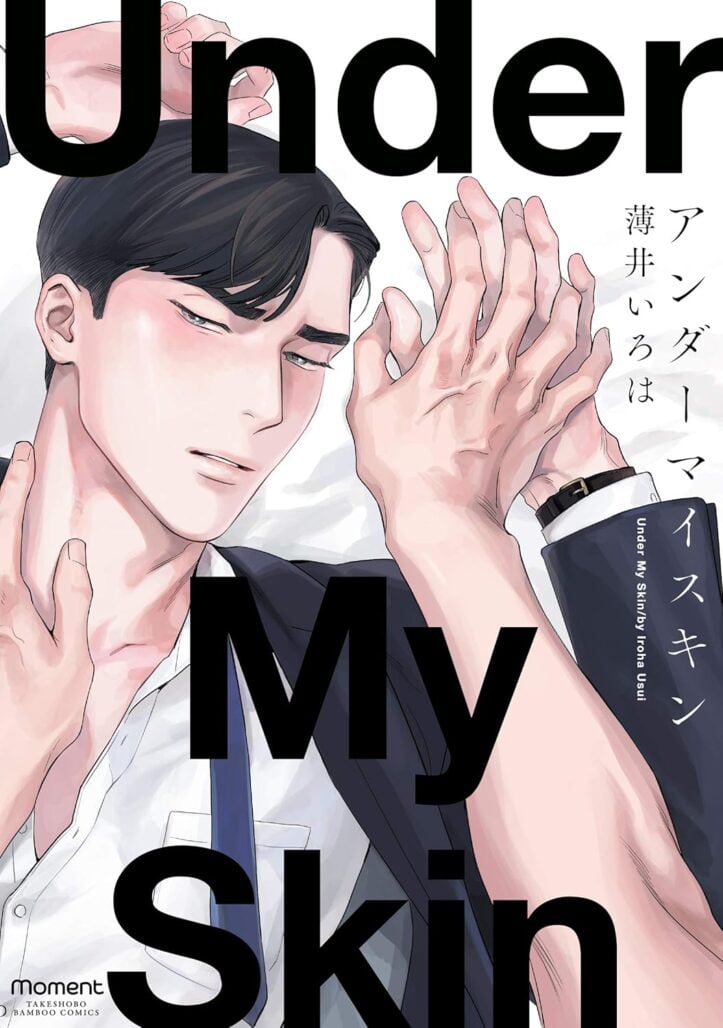
Kudo hasn’t had much interest in love or relationships after witnessing the break up of his parents’ marriage when he was younger. He views love as a game with a set of rules that he needs to follow: meet a girl, get married to that girl, and that’s life. When he is invited to a mixer, Kudo meets a young carpenter named Sato who immediately takes him apart—figuratively and literally. Although Kudo tries to pass off their night as a one-time thing, Sato is upfront about his feelings and his intention to date him. Kudo is hesitant, unsure if he wants to reveal so much of himself to someone else.
I quite liked the artwork here and how Usui Iroha didn’t try to go for the stereotypical BL body type, with the top being larger and more muscular and the bottom being slender. The lines were also very clean and the characters were pleasing to the eye.
I wish Usui expanded more on Sato’s story. It’s undeniable that he loves Kudo and he doesn’t make it a secret with his words of affirmation, but I find myself wanting more, especially since we learn so much about Kudo’s backstory and perspective. Who is Sato? Why exactly did he fall for Kudo? Why carpentry?
On that note, I also was befuddled why the manga artist settled on the characters having particular professions when they didn’t make an impact on the story as a whole. Kudo being an office worker made sense since he likes routine. But what was the point of Sato being a carpenter? It didn’t add anything to the story other than to have a different job dynamic for the sake of it.
We don’t see many first love stories when both characters are adults, but I’m glad that that trend is shifting. Under My Skin is a straightforward story about two men dating, and while I have my complaints, sometimes an uncomplicated story is a good thing! — Hillary Leung
The Hero’s Bereaved Family
Writer/Artist: Maki Kanemaki
Platform: MANGA Plus
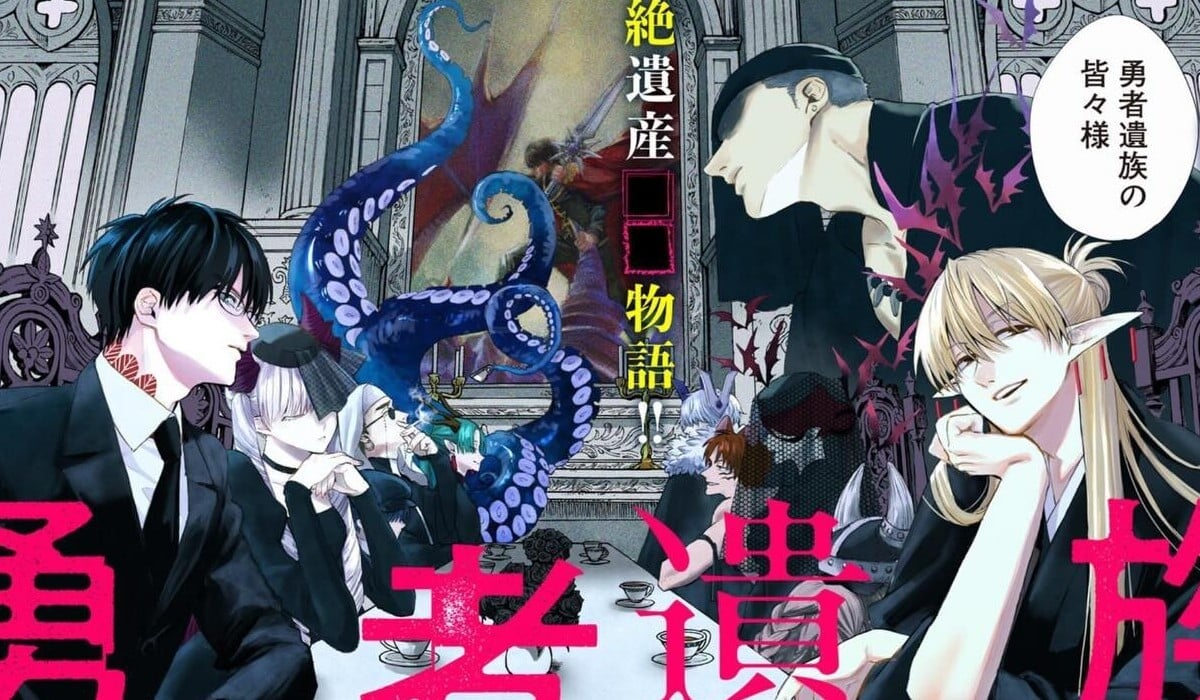
The Hero’s Bereaved Family by Maki Kanemaki flips a familiar trope on its head and asks: what happens after the legendary hero’s journey ends? Instead of glory, we get chaos—wrapped in inheritance drama, dark humor, and a surprisingly engaging ensemble cast. Welcome to “a period drama battle for a throne” kind of shenanigans, only this time it is a fantasy manga.
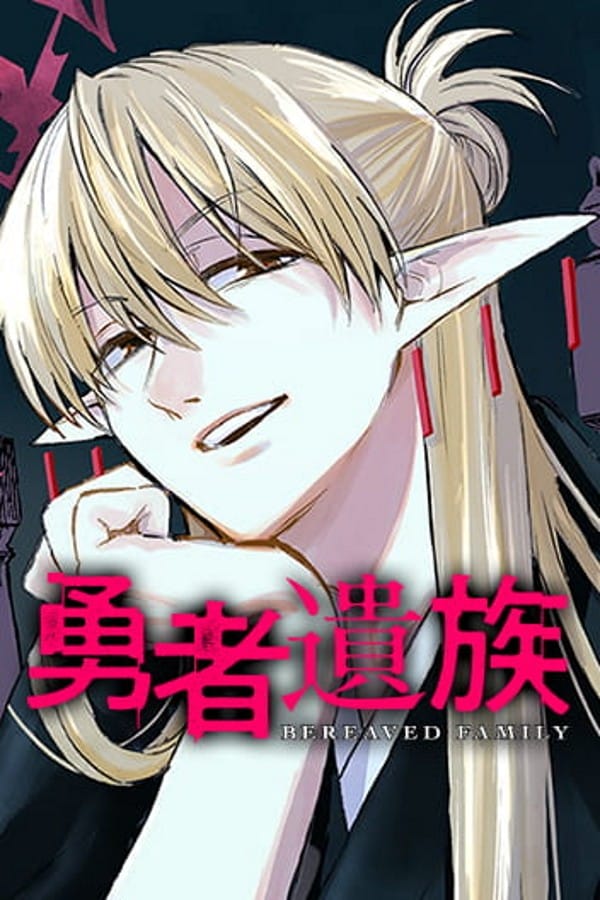
The story begins with the death of a world-saving hero, the man who defeated the Demon King. Our hedonist protagonist, Gil (or Jill Kiss), a half-elf who has never met his father, is lured to the funeral by the promise of inheritance. He quickly learns he’s not alone. The hero left behind thirteen children including a dwarf, a vampire, a dragon and even a sea monster. Each receives a letter outlining a single rule: to claim their inheritance, they must hold onto the letter for 49 days.
Simple right? Not even close.
The moment a half-giant sibling attempts theft and ends up decapitated, the tone shifts. What initially feels like a waiting game becomes a tense survival scenario. Suspicion grows—this “inheritance” feels more like a test. The setup echoes death-game narratives, where rules are clear but human greed and fear distort everything. Cooperation might be the key, but trust is in short supply.
Rather than glorifying a hero’s harem, The Hero’s Bereaved Family explores its aftermath through the children he left behind. Each sibling brings distinct traits, strengths, and vulnerabilities, making their interactions dynamic and unpredictable. The growing bond between half-elf Gil, the human sibling Hajime, and their half-dragon sister Mishra adds emotional warmth to an otherwise dangerous setup.
Visually, the manga strikes a satisfying balance. The interiors and backgrounds are richly detailed, while action scenes are bold and fluid. Despite the threat of violence, the tone never becomes overwhelmingly grim. Instead, Kanemaki skillfully blends fantasy, action, humor, and even slice-of-life elements. Already by chapter two, the story opens up into something more adventurous and unexpectedly funny.
If there’s one lingering question, it’s the hero himself. He feels too morally questionable for this to be just an inheritance game. There’s likely a twist waiting—perhaps the “reward” is less about wealth and more about responsibility.
Overall, it’s a fresh, chaotic, and cleverly layered take on post-hero storytelling that keeps you curious at every turn. — Ilgın Side Soysal
Follow Beat’s Bizarre Adventure to get weekly manga and webtoon recommendations!