
With more people reading manga and Webtoons (aka vertical scroll comics) than ever before, Beat’s Bizarre Adventure gives three writers an opportunity each week to recommend some of their favorite books and series from Japan, Korea, and elsewhere. This week we have zombies, monster princesses, and, of course, alienated teens.
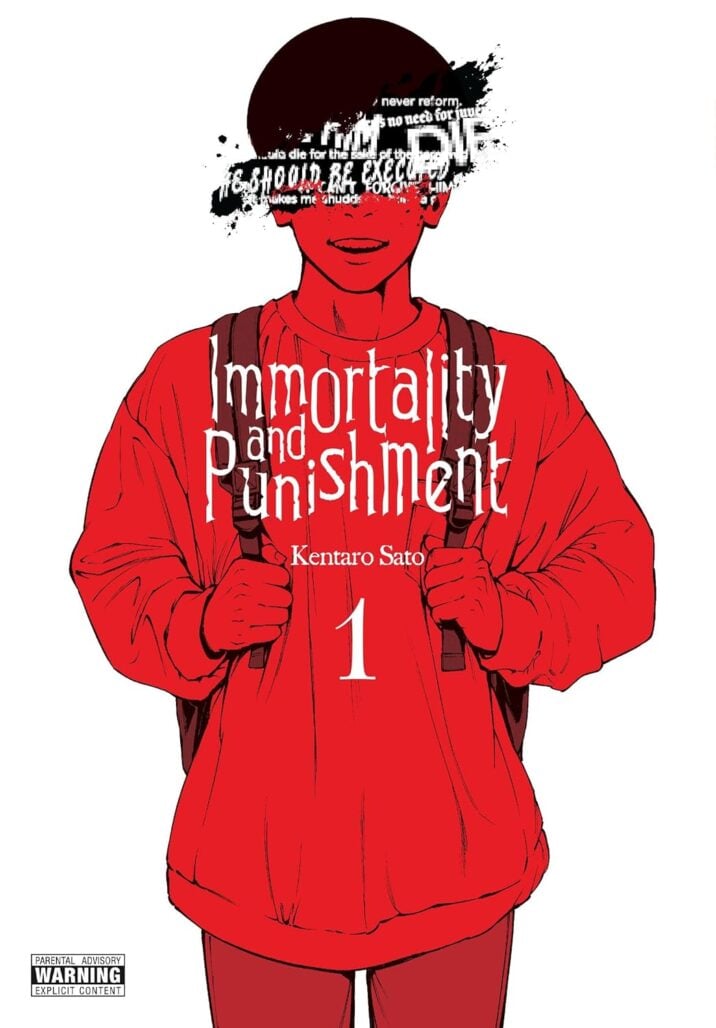
Immortality and Punishment
Writer/Artist: Kentaro Sato
Translation: Sean McCann
Lettering: Brandon Bovia
Publisher: Yen Press
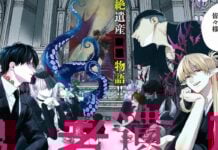
It’s a rather normal day in Kabukicho, Tokyo’s famous red-light district. A young man, Fumito, meets a middle-aged woman named Eriko at a love hotel. After sex, Fumito casually turns on the television only to see a weird case on the news of a man in critical condition after being bitten by a woman. To make matters worse, Fumito comes out of the shower only to realize that Eriko has stolen whatever he had in his wallet and fled.
While Fumito is busy reconsidering his life, the biting incident on the news spreads and becomes a pandemic. Now Fumito’s life has become something like out of a zombie movie. How can he stay calm amidst all this? Why did he introduce himself as Minato to Eriko, and why did Eriko find this young man to be so familiar?
Best known for his magical girl horror series Magical Girl Site, Kentaro Sato returns with an even creepier horror manga. Immortality and Punishment is already finished with a total of 8 volumes in Japan, so you can comfortably dip your toes in if you’re on the lookout for a new series to send chills down your spine. Just don’t be like me and read it before bed.
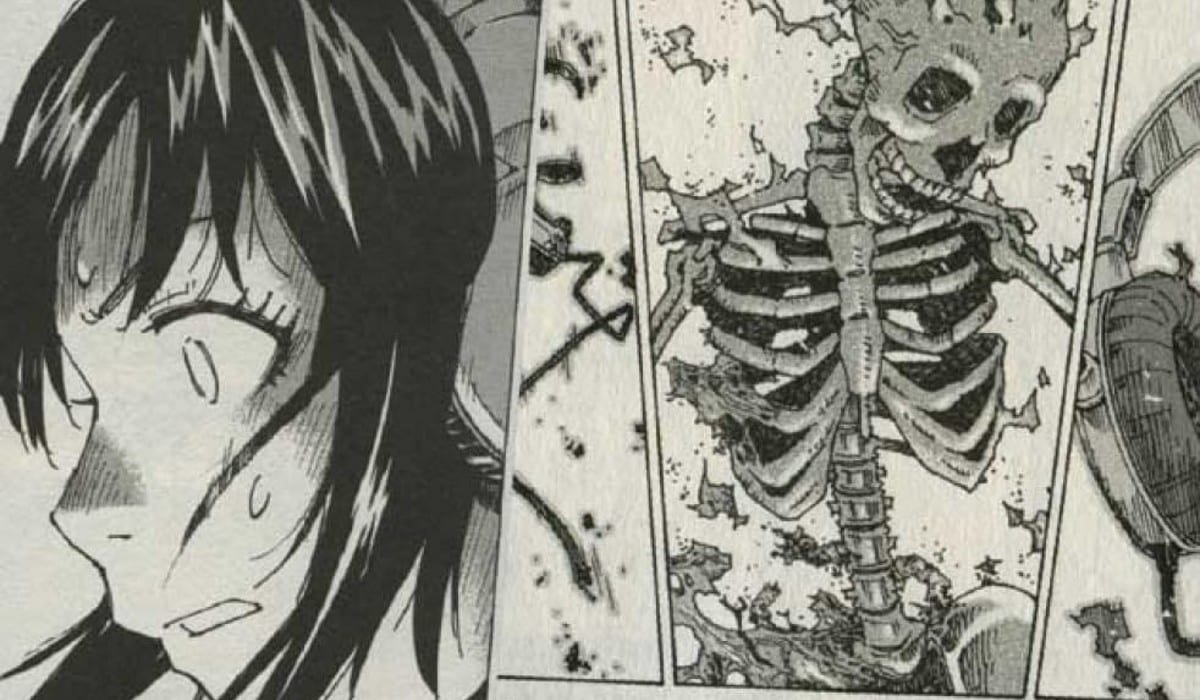
What intrigued me the most about Immortality and Punishment was its structure. The first volume has a lot to take in, with its new phenomenon similar to zombie infection, Fumito’s past, and new characters who are also stranded in the love hotel. But there was never a moment when I felt bombarded with information. Everything is communicated via TV news, phone screen search results, flashbacks, messages, social media posts, and careful juxtaposition.
This leaves more space for striking double-page spreads of humans transforming and gnawing on their victims. While I’m not familiar with the genre’s conventions or tropes, and can’t make a thorough comparison with other works in the canon, I do think that Immortality and Punishment is a solid first volume from an established artist that’s worth checking out. Also, I can’t finish the recommendation without praising Brandon Bovia‘s lettering work, specifically on the cover! I’d like to extend my thanks to Yen Press for sending a copy in exchange for an honest review. — Merve Giray
Princess Resurrection
Writer/Artist: Yasunori Mitsunaga
Translation: Sam Henry
Letterering: Allen Berry, Jan Lan Ivan Concepcion
Publisher: Kodansha
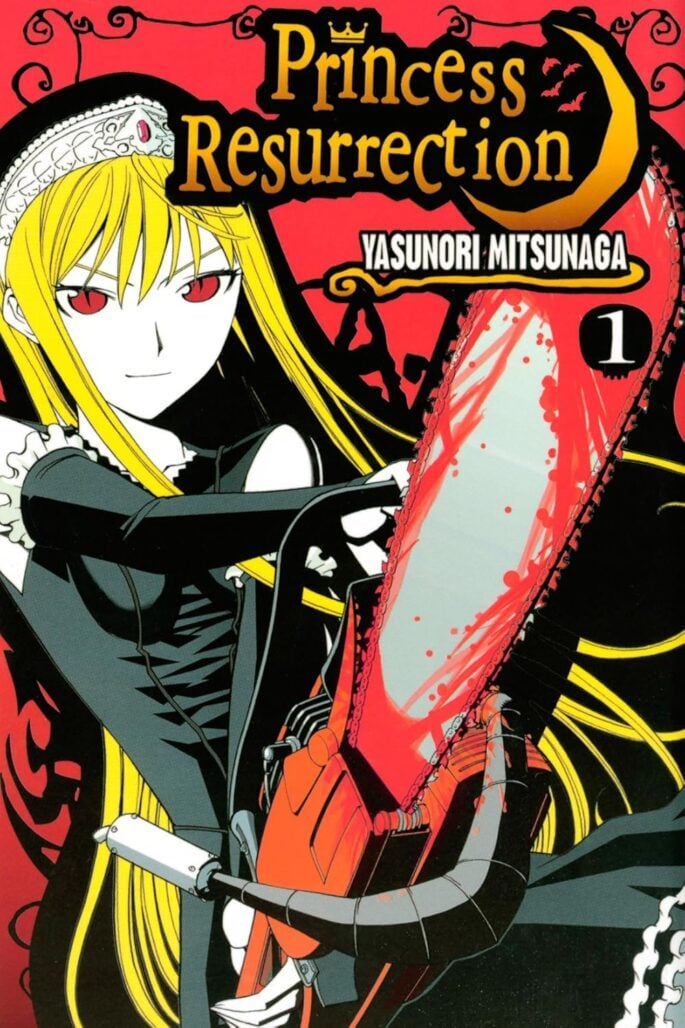
When Hiro Hiyorimi throws himself in front of a speeding fate to save a mysterious girl, he dies doing the right thing. Unfortunately for him, heroism doesn’t come with an off switch. The girl turns out to be Princess Hime, daughter of the King of the Monsters, and she resurrects Hiro as her blood servant. Thus begins Princess Resurrection, a manga series that blends horror, dark comedy, and episodic chaos with a chainsaw-wielding royal at its center.
Drawn by Yasunori Mitsunaga in Japan starting in 2005, the series was later released in English through two different publishers. Despite a rocky licensing journey, Princess Resurrection beat the odds, surviving publisher changes and carving out a presence for itself in the world of English language manga. This is a series where werewolves, vampires, demons, and androids coexist under the command of a princess who smiles while decapitating monsters. Ah, isn’t that amazing (!) I can’t help but love the carnival of creatures in this fun series.
The plot unfolds through short, mostly self-contained chapters. Each episode drops Princess Hime and her entourage into a new supernatural incident: cursed villages, bizarre creatures, or sudden violent confrontations. There’s rarely a long-term mystery to unravel, and climactic battles are sometimes skipped entirely, cutting straight to the aftermath.
The series is carried by its cast. Hime herself is the highlight: cold, intelligent, and commanding, she dominates every scene she’s in. The werewolf Riza’s pride, the vampire Reiri’s mischief, Hime’s sister Sherwood’s enthusiasm, and the android Flandre’s limited vocabulary all add texture and contrast. Their dysfunctional chemistry is far more engaging than the conflicts they face.
Despite being the lens through which we experience the story, Hiro is the weakest link. His role in battles as an immortal blood warrior is to absorb damage and react rather than act. His flat personality and minimal development make him feel less like a protagonist and more like narrative ballast, at least early on.
Visually, the manga is uneven but effective. Monster and environment designs excel at creating an eerie atmosphere, while character designs are serviceable yet surprisingly plain given the outrageous premise.
Princess Resurrection isn’t deep, tightly plotted, or consistently thrilling—but it is memorable. Its strength lies in mood, character presence, and a gleeful disregard for convention. If you’re drawn to stylish horror with a darkly playful edge, Princess Hime is worth meeting. — Ilgın Side Soysal
7 Billion Needles
Writer/Artist: Nobuaki Tadano
Production: Glen Isip, Hiroko Mizuno, Maya Rosewood
Publisher: Vertical
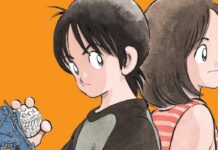
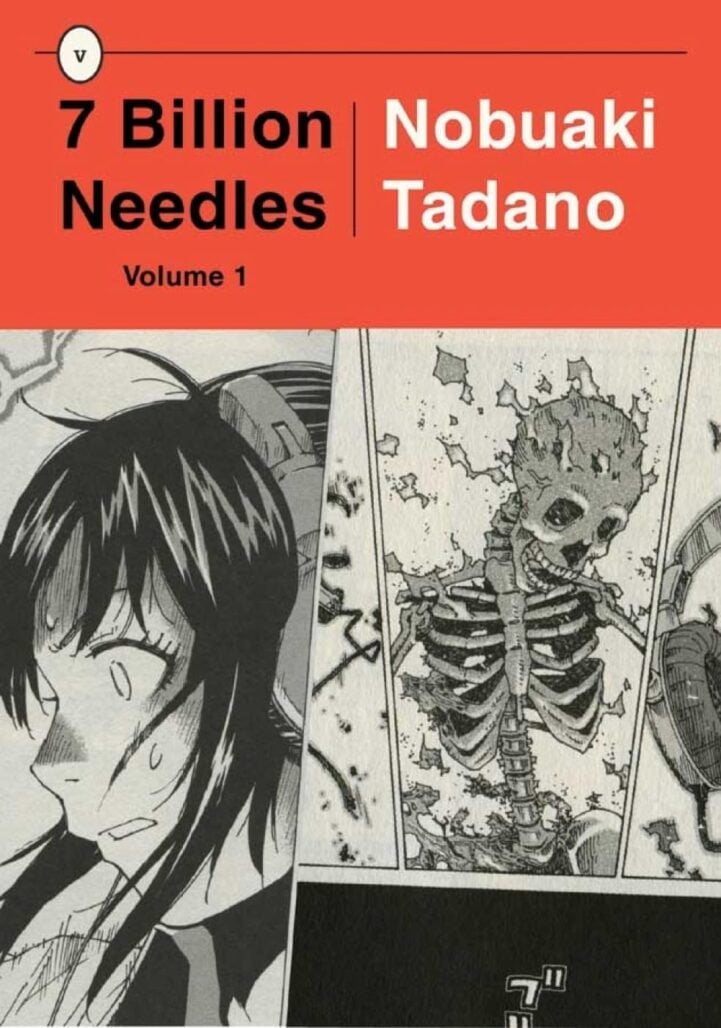
Teenager Hikaru walks the beach one night on her summer vacation. She looks up to the sky and sees what she thinks is a shooting star, just before it changes direction and destroys her body. She wakes up in her classroom thinking it was all a dream—until an alien voice calling itself Horizon starts speaking in her ear.
So begins 7 Billion Needles, a loose adaptation of Hal Clement’s golden age science fiction novel Needle by Nobuaki Tadano. The alien Horizon bonded with Hikaru not just to save her life but also because it can’t exist on its own. It came to Earth to prevent its nemesis Maelstrom from destroying all life. The catch though is that Maelstrom can hide in human bodies too and Horizon has no idea who they’re hiding inside.
Tadano adapts Clement’s book as a story of loneliness. Hikaru is a teenager at a new school who avoids contact with others. Bonding with Horizon forces her to make friends and talk to her peers. High school is a battlefield and few storytellers get that like Tadano. There’s real uneasiness as Hikaru starts interacting with new people that captures the anxiety and uncertainty of teenage friendships.
He also gives the interactions between the two unlikely companions a palpable tension. There’s the feeling Horizon isn’t telling Hikaru everything. Once the story hits a certain point, Tadano ramps up the horror of two aliens that can hide in organic bodies.
The highlight of this series though is Tadano’s art. Tadano excels at conveying the teenage drama at the core of the series via facial expressions and body language. He’s also great at body horror once Maelstrom mutates his victims into new forms. Perhaps the creepiest aspect is that Maelstrom’s victims all have forced smiles on their faces. It looks unnatural and highlights just how alien this entity is.
Tadano marries the alienation of navigating high school with an actual alien invasion in 7 Billion Needles. As far as metaphors for teenage life go, it’s spot on. — D. Morris
Follow Beat’s Bizarre Adventure to get weekly manga and webtoon recommendations!